
Discover the best pizza in Palermo
Pizzerias in Palermo on the map
Explore the mapBrowse pizza styles in Palermo
From Neapolitan to Roman al taglio


The Best Pizzerias in Palermo
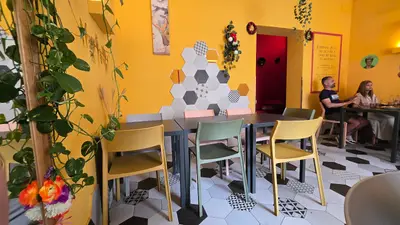
Frida
Palermo, Italy
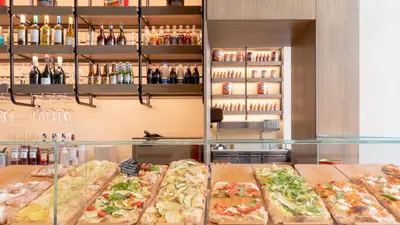
Biga Genio e Farina
Palermo, Italy
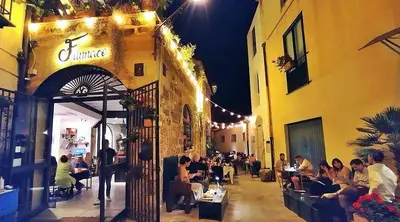
Fùnnaco PizzaLab
Palermo, Italy
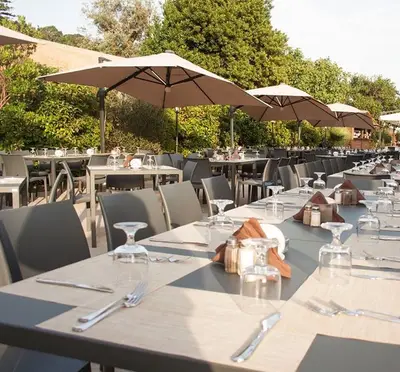
La Braciera
Palermo, Italy
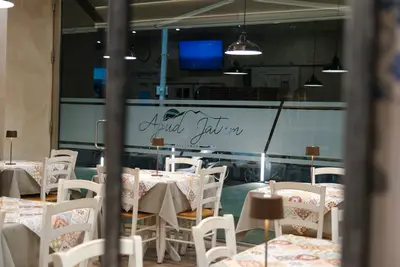
Apud Jatum Panormus
Palermo, Italy
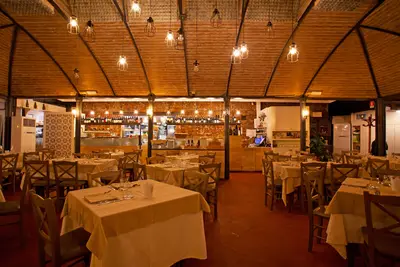
Villa Costanza
Palermo, Italy
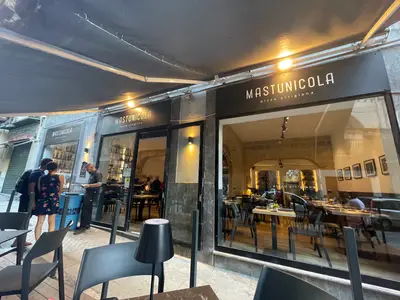
Mastunicola
Palermo, Italy
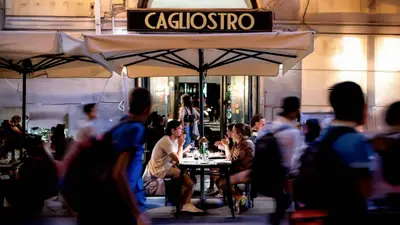
Cagliostro
Palermo, Italy
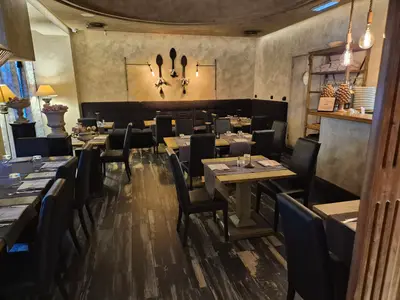
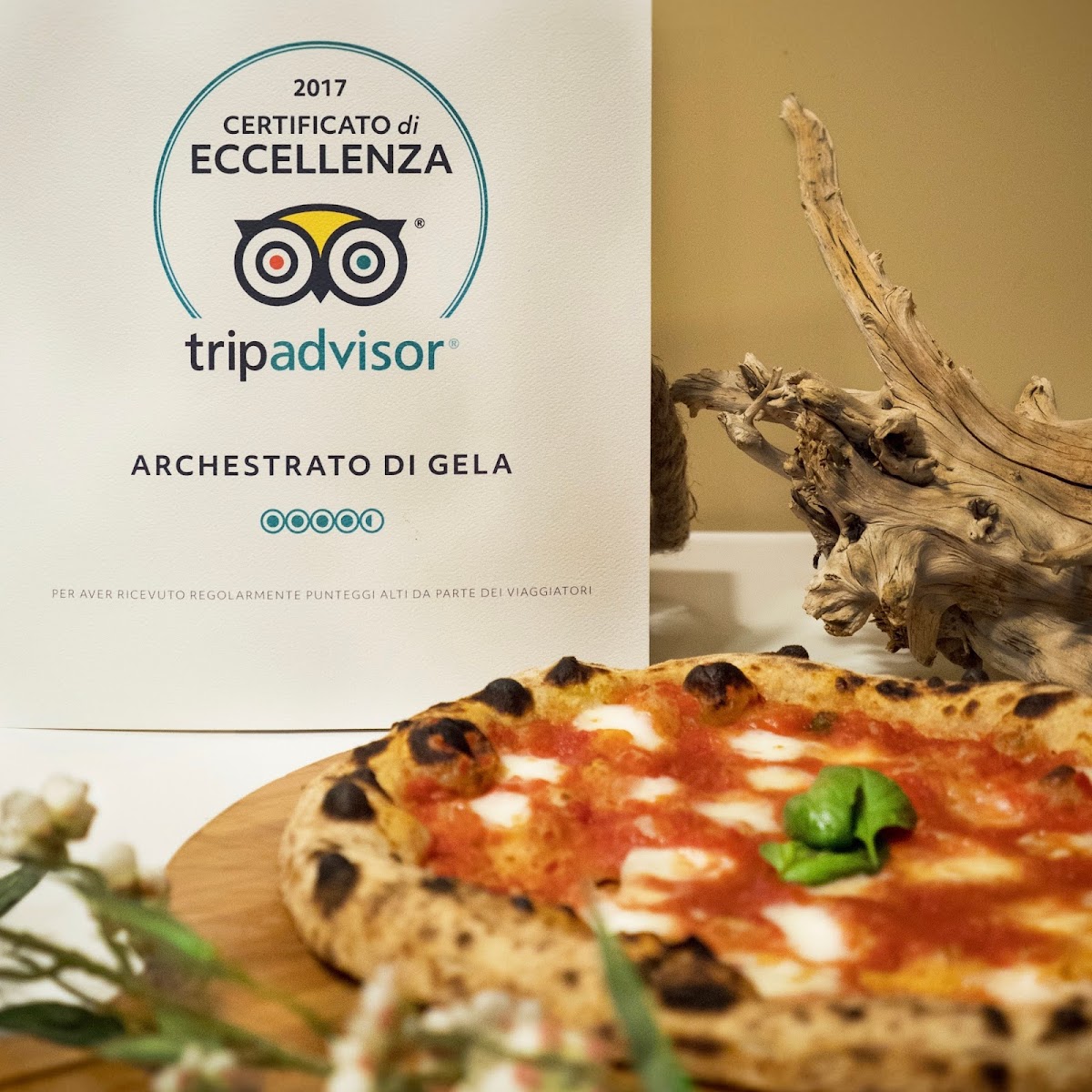
Archestrato di Gela
Palermo, Italy
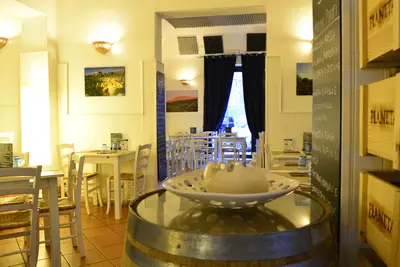
Tredicisette
Palermo, Italy
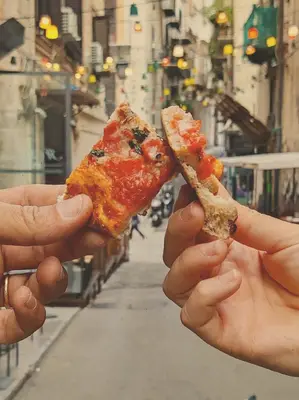
Assud a Santamarina Pizzeria Siciliana
Palermo, Italy
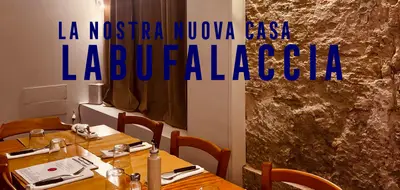
La Bufalaccia
Palermo, Italy
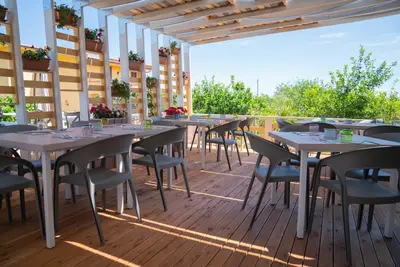
Saccharum Pizzeria
Palermo, Italy
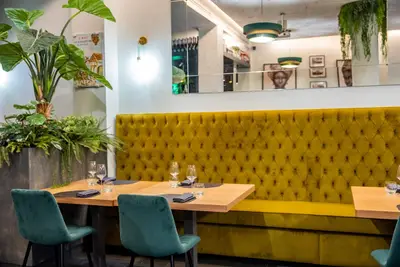
Il Cappero Pizza e Cucina
Palermo, Italy
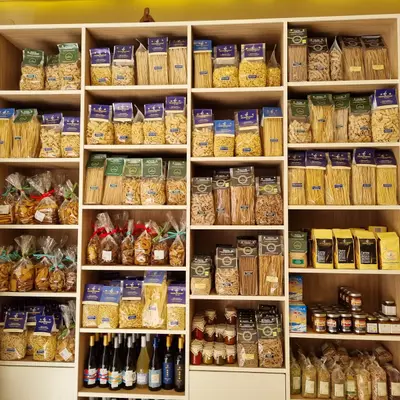
Panificio Guccione
Palermo, Italy
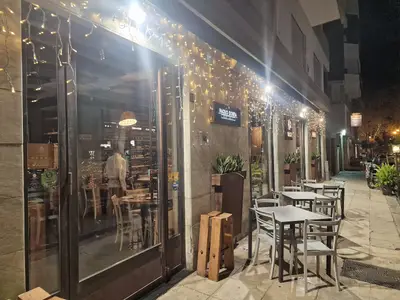
Paolo Costa – Gusti Unici
Palermo, Italy
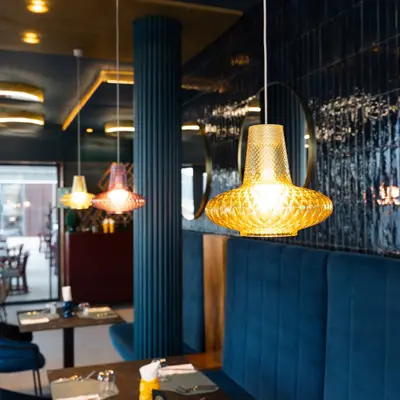
Molo 53
Palermo, Italy
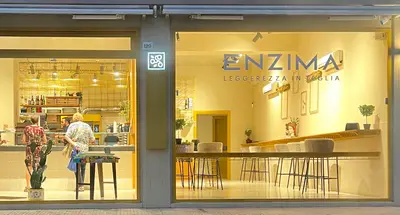
Enzima – Leggerezza in teglia
Palermo, Italy
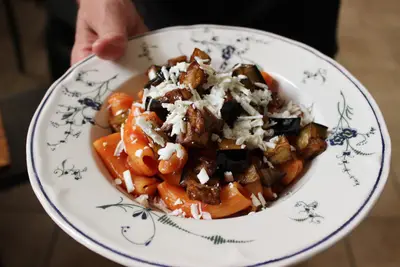
ContraLto
Palermo, Italy
Cheapest Pizzerias in Palermo
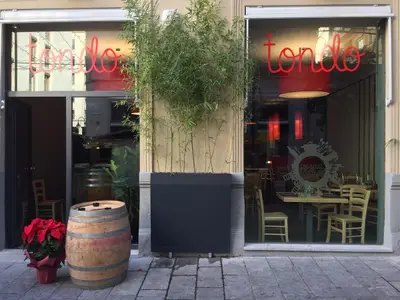
Tondo
Palermo, Italy
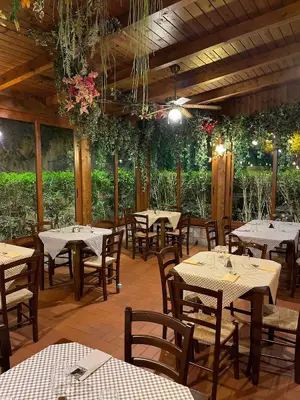
Il Baro
Palermo, Italy
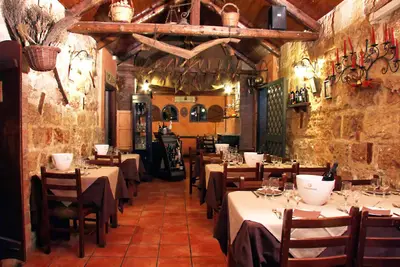
La Corte dei Mangioni
Palermo, Italy
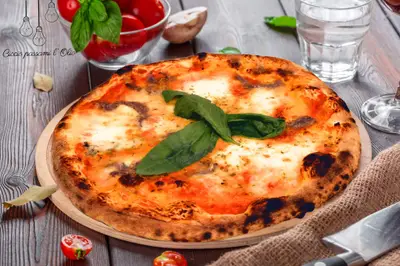
Ciccio Passami l'Olio
Palermo, Italy
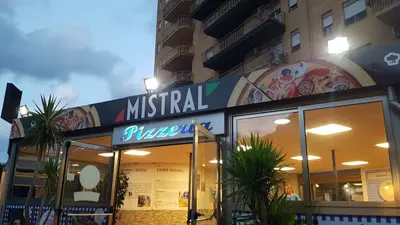
Mistral
Palermo, Italy
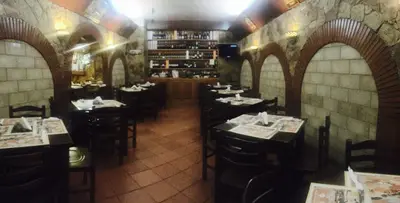
I Tre Porcellini
Palermo, Italy
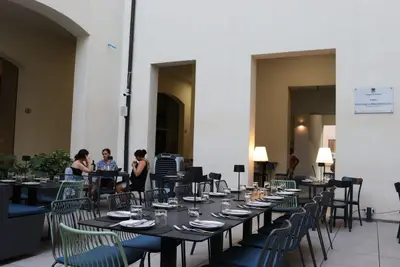
Pizzeria Procopio
Palermo, Italy
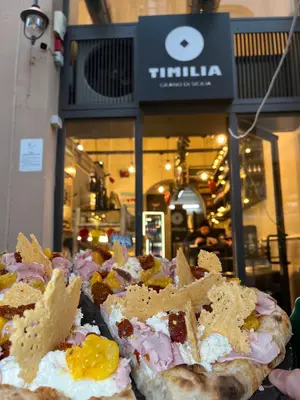
Timilia
Palermo, Italy
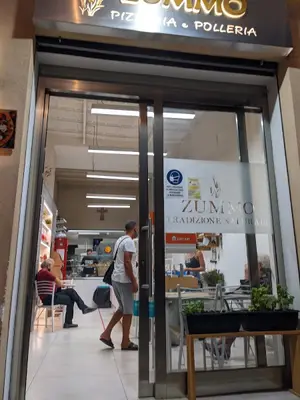
Pizzeria Polleria Zummo
Palermo, Italy
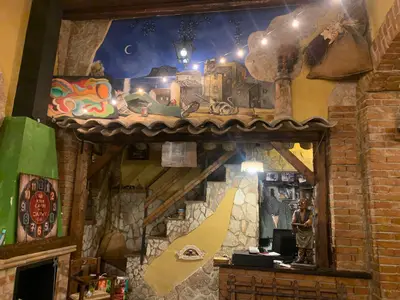
Pizzeria NonnaNina
Palermo, Italy
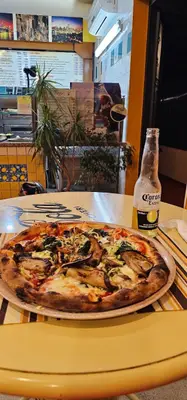
Pizzeria Graziano
Palermo, Italy
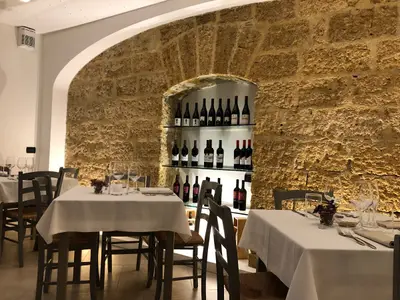
PerciaSacchi
Palermo, Italy
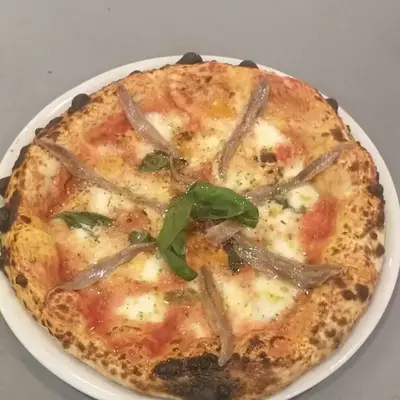
Arte e Tradizione
Palermo, Italy
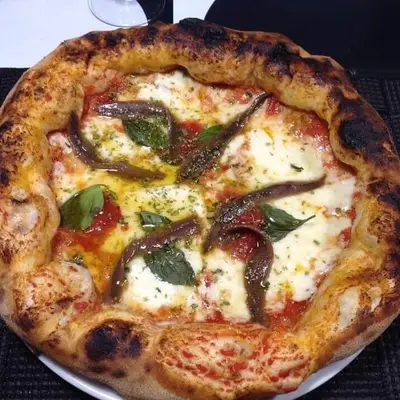
Foscolo Tre
Palermo, Italy
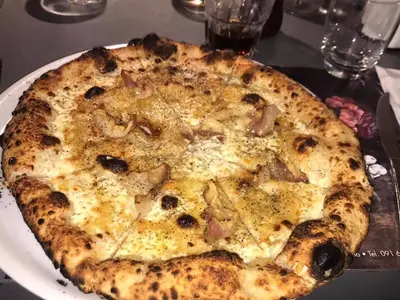
Parà Bottega & Bistrot
Palermo, Italy
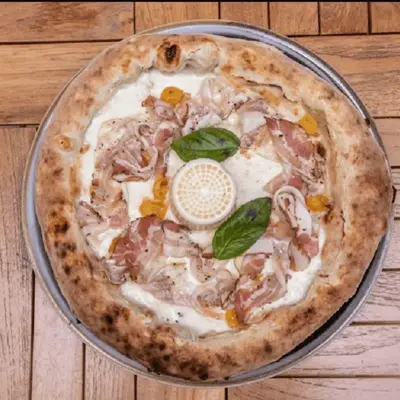
Laboratorio Crescenti
Palermo, Italy
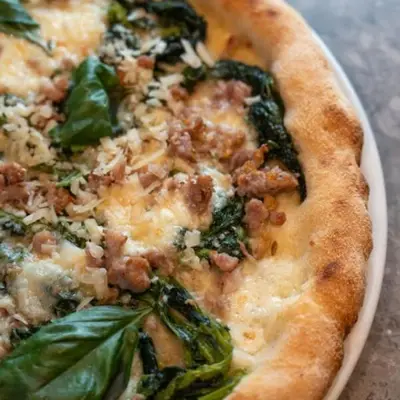
Forno Santa Maria
Palermo, Italy
Ozio Gastronomico
Palermo, Italy
Ammodo – La Pizza di Daniele Vaccarella
Palermo, Italy
Few cities eat as boldly as Palermo, the ancient Arab-Norman capital of Italy's largest island. Street food here is not a trend or a tourist offering, it is the organizing principle of daily life, with smoky carts and centuries-old bakeries feeding the city from breakfast through midnight. Pizza arrived in Palermo through that same street culture, and the form it took is like nothing you will find anywhere else on the peninsula.
The signature is sfincione, Palermo's answer to pizza, and the cornerstone of the Sicilian style on this map. The name comes from the Latin spongia, meaning sponge, and the texture earns it: the dough is tall, airy, and close to two centimetres thick, left to slow-ferment for up to 24 hours before baking. The topping is not a margherita. It is a thick spread of crushed tomato cooked down with sweet onion, anchovy, crumbled caciocavallo or pecorino, and a generous crown of toasted breadcrumbs. Fresh mozzarella has no place here. The result is closer to a focaccia than a round pie, baked in large rectangular trays and sold by the slice.
The round, wood-fired Neapolitan tradition is also very much alive in Palermo. The city's Neapolitan and Neapolitan Contemporanea pizzerias outnumber the dedicated sfincione specialists on our map, a reflection of the same wave reshaping Naples, Rome, and Palermo's Sicilian sibling Catania alike. A handful of spots also work the al taglio format, with Roman-style slabs sold by weight alongside local toppings. The full count sits at 39 pizzerias across the city.
Sfincione is rooted in the older quarters. The recipe traces back to the nuns of the monastery of San Vito, likely in the seventeenth century. After World War II, when tomato prices dropped enough to reach working-class tables, it exploded into the street markets and became the food of the crowds. Today the best places to find it are the Ballarò, Vucciria, and Capo markets, where vendors push wooden carts stacked with warm trays from early morning, and loyal regulars have been buying from the same corner for decades. The Kalsa and Centro Storico neighborhoods around those markets are the natural home of the sit-down Sicilian specialists too.
A slice of sfincione from a market cart runs €1.50 to €2.50. At a sit-down pizzeria, a full round or tray portion lands between €8 and €14. The better-known pizzerias fill up fast on weekend evenings, book a day ahead for Friday and Saturday, or plan to arrive before 8 p.m. Street vendors need no reservation and no waiting list. One practical note: the tourist-strip restaurants ringing the waterfront and Palazzo dei Normanni often charge double for a pale imitation of the real thing. Walk two blocks into any of the historic market neighborhoods and the quality gap is immediate. The 39 Palermo pizzerias on our map are ranked by what people who came for the pizza actually thought, not by how close they are to a tour group dropoff.
Pizza guides for Palermo
All articles-
Best Pizza in Palermo (And the Case for Sfincione)
Palermo's real pizza is sfincione, a spongy focaccia sold off carts with tomato, onion, caciocavallo, and anchovy. Twelve rooms keeping it alive and pushing it forward.
-
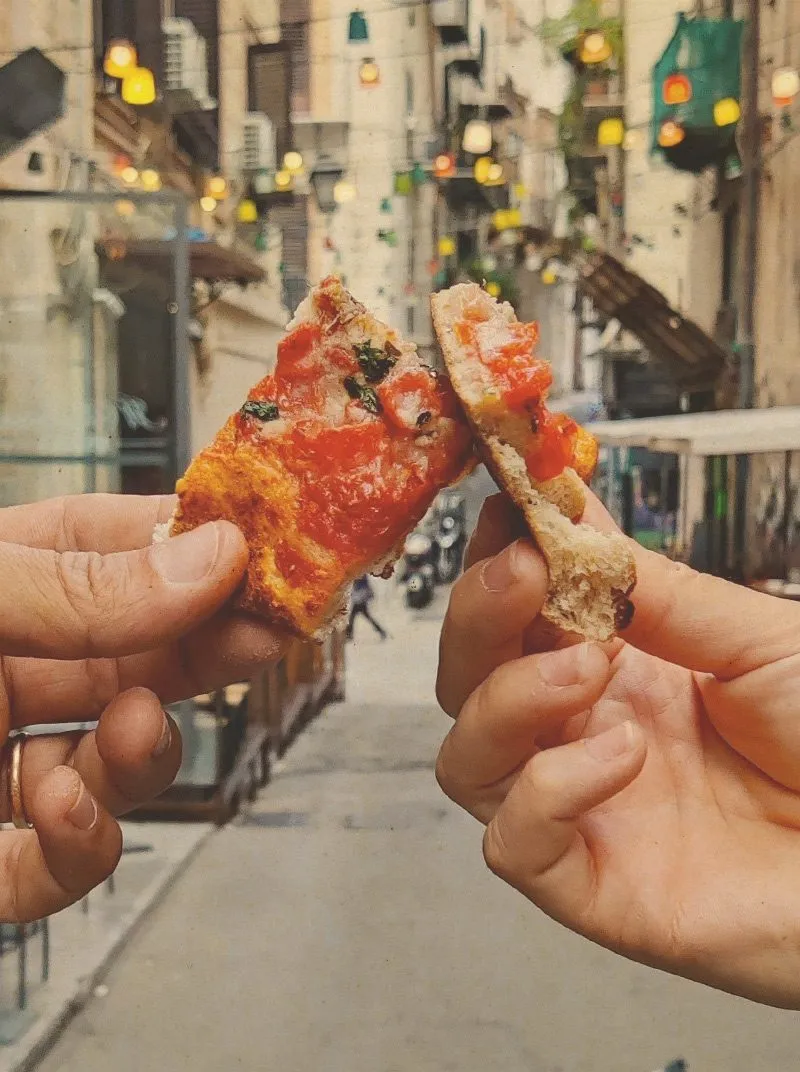
Sicilian pizza: rules, history, and where to eat
Sicilian pizza means sfincione: a thick, spongy Palermo slice topped with tomato, onion, anchovy, caciocavallo, and toasted breadcrumbs, no mozzarella in sight. Here is what it is, how it became the American square slice, and where to eat pizza across Sicily.
FAQs about Palermo
What pizza is Palermo known for?
Palermo is the birthplace of sfincione, a thick, spongy, focaccia-like Sicilian pizza topped with tomato, onion, anchovy, caciocavallo, and breadcrumbs. It is the defining food of the city's street culture and the cornerstone of the Sicilian style. The city also has a robust newer scene of pizzaioli working with stoneground native flours and long fermentations. See our full Palermo pizza guide for where to find both traditions.
What is sfincione?
Sfincione (from the Latin spongia, sponge) is a tall, soft Palermitan pizza baked in rectangular trays. The dough ferments for up to 24 hours, producing a two-centimetre-thick crumb; the topping is crushed tomato, slow-cooked onion, anchovy, crumbled caciocavallo or pecorino, and a layer of toasted breadcrumbs, no fresh mozzarella.
Where is the most-reviewed pizza in Palermo?
The most-reviewed pizzeria on our map is Frida, which has drawn over 4,800 Google reviews. For the highest OPM rating among the top spots, Biga Genio e Farina is rated 4.78 and consistently praised for its craft-dough approach.
Where do locals buy sfincione in Palermo?
The Ballarò, Vucciria, and Capo markets are the traditional sources, where vendors sell warm tray slices from wooden carts from early morning onward. Neighborhood bakeries throughout the Centro Storico and Kalsa are also reliable, with some open from breakfast through the late afternoon. Panificio Guccione is a standout bakery-first option.
How much does sfincione cost in Palermo?
A slice of sfincione from a market cart or bakery typically costs €1.50 to €2.50. At a sit-down pizzeria, a full sfincione portion or Neapolitan round runs €8 to €14 depending on toppings and location, prices climb sharply near the main tourist monuments.
Do I need to book a table at a Palermo pizzeria?
The better-known sit-down pizzerias fill quickly on Friday and Saturday evenings; booking a day ahead or arriving before 8 p.m. will usually secure a table. Street vendors and bakeries selling sfincione by the slice need no reservation at all.
Is Palermo pizza the same as Naples pizza?
No. Palermo's signature is sfincione, thick, rectangular, breadcrumb-topped, which shares almost nothing with the thin, charred, round pies of Naples. That said, Palermo has a thriving Neapolitan and Neapolitan Contemporanea scene alongside its Sicilian tradition, so both styles coexist in the city.
What is the best area for pizza near the Ballarò and Vucciria markets?
The Ballarò market itself is the epicenter of sfincione cart culture, while the alleys around Vucciria come alive with street food vendors from the evening onward. Sit-down Sicilian specialists are concentrated in the broader Centro Storico and Kalsa quarter that surrounds both markets.
When did sfincione become a Palermo street food?
The recipe traces to the nuns of the monastery of San Vito, probably in the seventeenth century, where it was made for holiday feasts with ingredients like anchovy and local cheese. After World War II, falling tomato prices made the dish affordable to ordinary families and it spread rapidly into the city's street markets, becoming the street food it is today.
How does Palermo pizza compare to Catania?
Palermo is defined by sfincione and its thick Sicilian-style tradition, while Catania, Sicily's other major pizza city, leans harder toward the Neapolitan round. Both cities have embraced contemporanea-style craft pizzerias, but the sfincione cart is a Palermo phenomenon you will not find in the same form in Catania.