
Discover the best pizza in Catania
Pizzerias in Catania on the map
Explore the mapBrowse pizza styles in Catania
From Neapolitan to Roman al taglio


The Best Pizzerias in Catania
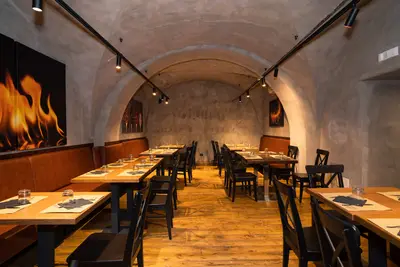
Locanda Cerami
Catania, Italy
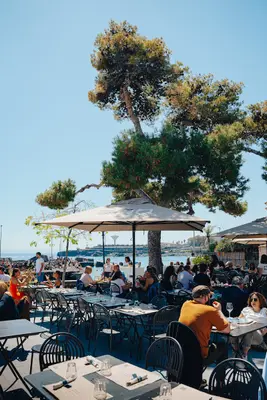
Cutilisci
Catania, Italy
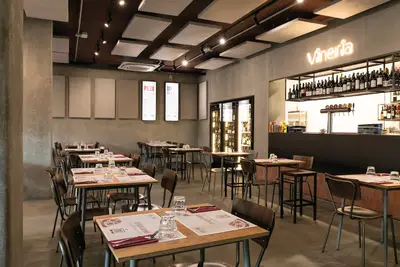
Sazi e Sani
Catania, Italy
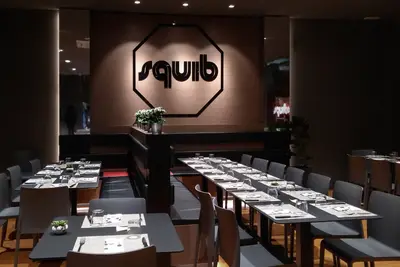
Squib Pizza and More
Catania, Italy

Rasoterra – Pizza Experience
Catania, Italy
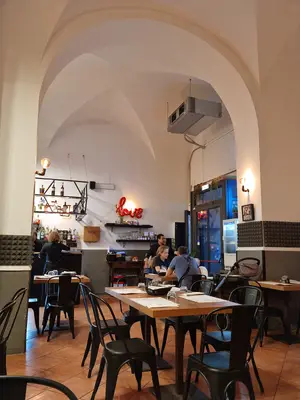
Le Tre Farine
Catania, Italy
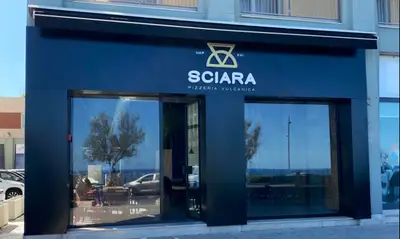
Sciara Pizzeria Vulcanica
Catania, Italy
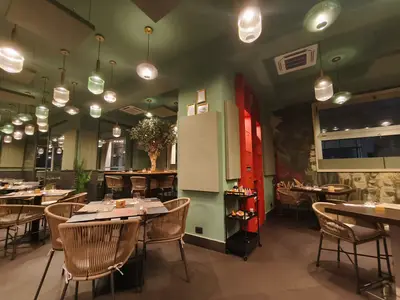
L’Evoluzione Pizza
Catania, Italy
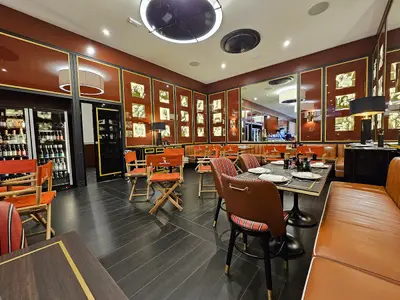
Crazy Pizza
Catania, Italy
Cheapest Pizzerias in Catania
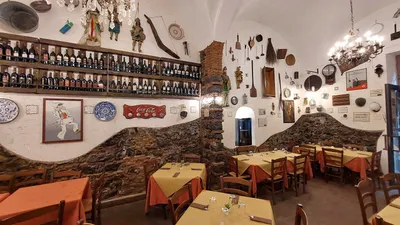
Pizzeria del Plebiscito
Catania, Italy
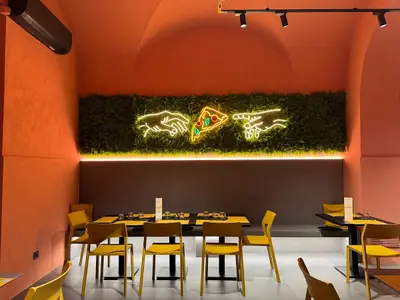
Volù
Catania, Italy
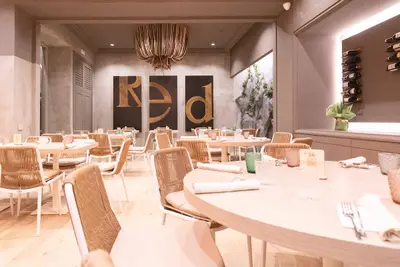
Frizzi Pizza
Catania, Italy
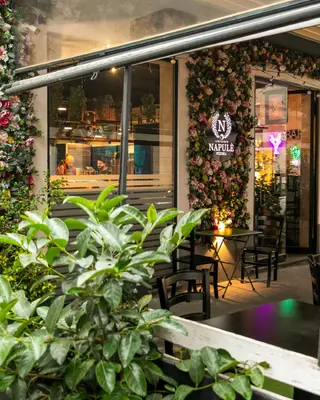
Pizzeria Napulè
Catania, Italy
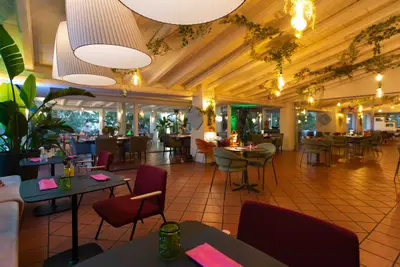
Botanike
Catania, Italy
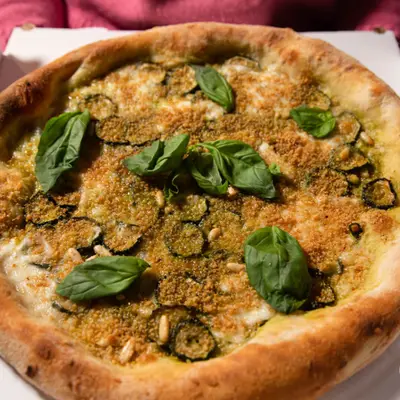
Il Sale
Catania, Italy
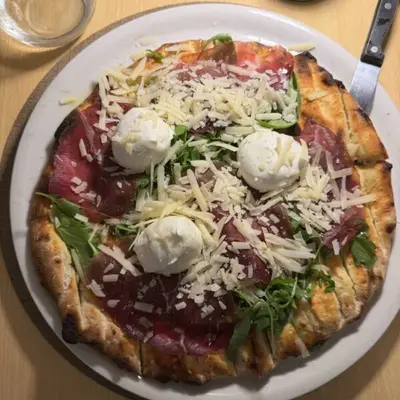
Corte dei Medici
Catania, Italy
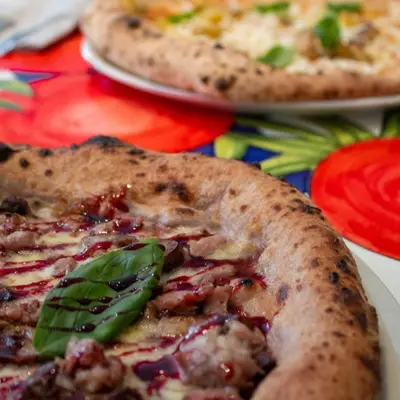
Bocche di Fuoco
Catania, Italy
Le Tre Farine
Catania, Italy
Catania eats pizza two ways. Like every other city in Italy it serves the Neapolitan round, but its own native format is the siciliana: a fried calzone stuffed with tuma cheese and anchovies. It was first sold commercially in 1924 by Giuseppa Finocchiaro in Zafferana Etnea, the village halfway up Mount Etna, making it almost exactly contemporary with the Margherita's codification in Naples.
Etna shapes more than the geography. The volcano's grain belt gives Catanese pizzaioli regular access to ancient Sicilian flours: tumminia, perciasacchi, russello. They do not reach the mainland in volume, and they change what a pizza dough can be.
The city splits about evenly between Neapolitan and a distinctly Sicilian register built on those grains and the fried siciliana tradition. Contemporanea arrived later and now sits alongside both. Sciara Pizzeria Vulcanica leans openly on the volcano theme, with Bronte pistachio and Etna mushrooms across the menu. Sazi e Sani works with lievito madre on Sicilian wholemeal blends. Locanda Cerami runs a 72-hour ferment on stone-milled semolina and tumminia inside an 18th-century building in Centro Storico.
The dense pizza neighborhoods are Centro Storico around Via Etnea and Piazza Duomo, San Berillo behind it, the Via Plebiscito and Antico Corso axis, the San Giovanni Li Cuti seafront, and Ognina on the northern coast.
Reservations are expected at the destination rooms on Friday and Saturday. Weeknight walk-ins generally work outside August, when the city fills with returning Sicilians. The 18 Catania pizzerias on our map are ranked by what people who came for the pizza actually thought, not by the longest line.
FAQs about Catania
When did pizza arrive in Catania?
The Neapolitan round arrived in Catania like everywhere else in southern Italy, gradually through the 20th century. The city's own native format predates it locally: the siciliana, a fried calzone stuffed with tuma cheese and anchovies, was first sold commercially in 1924 in Zafferana Etnea on Mount Etna.
What is the siciliana?
Siciliana in Catania is a fried calzone stuffed with tuma cheese and anchovies, eaten as street food. It was first sold by Giuseppa Donna Peppina Finocchiaro in Zafferana Etnea in 1924, almost exactly contemporary with the Margherita's codification in Naples. It is not the Palermo sfincione, which is a different food.
What pizza styles can I find in Catania?
The city splits about evenly between Neapolitan and a distinctly Sicilian register built on Etna grains and the fried siciliana tradition. Pizza contemporanea arrived later and now sits alongside both, and Roman-style turns up in pockets.
Where is the best pizza neighborhood in Catania?
Pizzerias cluster in Centro Storico around Via Etnea and Piazza Duomo, in San Berillo, along Via Plebiscito and Antico Corso, at San Giovanni Li Cuti on the seafront, and in Ognina on the northern coast.
What are Etna grains and why do they matter?
The Etna grain belt grows ancient Sicilian wheat varieties (tumminia, perciasacchi, russello) that rarely reach the mainland in volume. Catanese pizzaioli have regular access, and the local doughs reflect it. Locanda Cerami runs a 72-hour ferment on stone-milled semolina and tumminia.
How much does a pizza cost in Catania?
Expect €7 to €11 for a Margherita at a neighborhood pizzeria and €11 to €17 at a destination room. The siciliana fried street version runs €2 to €4 from a friggitoria counter. Catania is one of the cheapest pizza cities in Italy.
Do I need to book a pizzeria in Catania?
Reservations are expected at destination rooms (Sciara, Locanda Cerami, Sazi e Sani) on Friday and Saturday. Weeknight walk-ins generally work outside August, when the city fills with returning Sicilians.
Is Catania pizza Sicilian-style?
Two things share the Sicilian label and they are different foods. Catanese siciliana is a fried calzone with tuma and anchovies. The Palermo sfincione is a thick focaccia-like pan pizza with onion, breadcrumbs and pecorino. Both are great, but they are not interchangeable.
Where can I find gluten-free pizza in Catania?
Most contemporary pizzerias offer a gluten-free base on request, usually with a small surcharge. Check the venue page on OpenPizzaMap for current dietary options.
Are there late-night pizzerias in Catania?
Pizzeria kitchens in Catania generally close between 23:00 and midnight. Late-night street pizza and siciliana counters in San Berillo and around Piazza Duomo serve through 02:00 on weekends, often as part of the bar circuit.