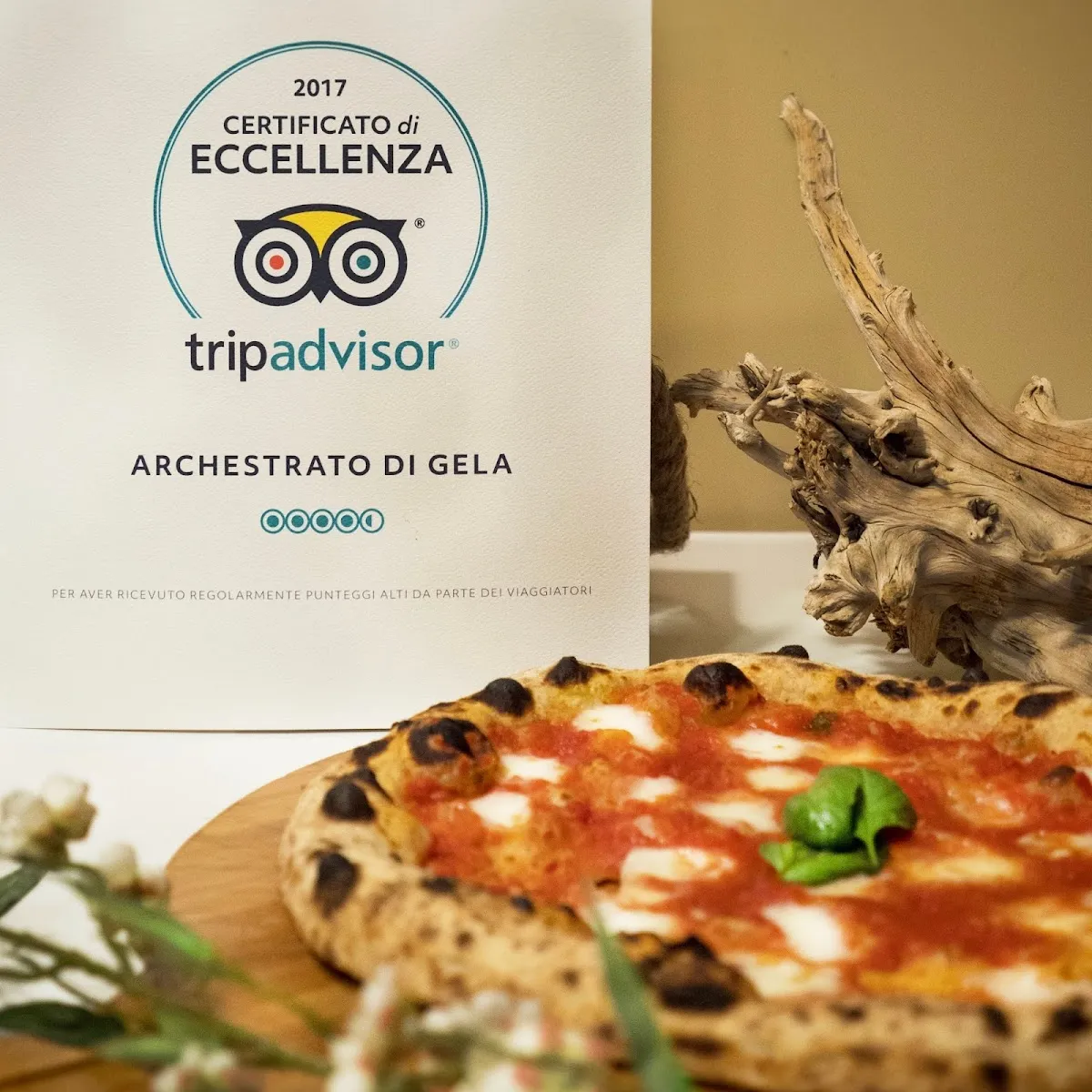
The Naples Margherita is a great pie. It is also not the Palermo pie. Anyone who comes to Palermo expecting a soft, wet, San Marzano disc and judges the city on that is judging the wrong dish. The pizza that Palermo actually eats is sfincione, and it gets sold off a cart by a man chanting a price list in a dialect that nobody outside the city understands.
Sfincione is closer to a focaccia than a pizza in the Neapolitan sense. A thick, spongy base, sauced with tomato, onion, caciocavallo, anchovy, and a generous dusting of toasted breadcrumb on top. It is sold by the rectangular slice, eaten standing, and the strongest version on any given afternoon is whichever panificio you happen to be standing in front of when you get hungry.
So what is the actual Palermo pizza scene?
It splits cleanly in two. On one side, the panifici and the carts that keep sfincione alive, a tradition that predates the unified Italian state. On the other, a new wave of pizzaioli who have taken the Sicilian grain tradition seriously, working with stoneground native flours like tumminia and Russello, long fermentations, and a lighter, contemporanea crumb. Some rooms do both. A handful do Neapolitan well too, because Sicily is an island and good ovens travel.
This is the order we would walk it.
The rooms keeping sfincione on the menu
Frida sits up by the Politeama and has been one of the city's reliable pizza rooms for years. The menu runs long, with all the expected Neapolitan-style pies, but the local order here is sfincione palermitano: the thick spongy base, tomato cooked down with onion, sharp caciocavallo, anchovy, and breadcrumb. It is one of the few sit-down rooms in town where you can order the city's own pie at a table without having to chase a cart.
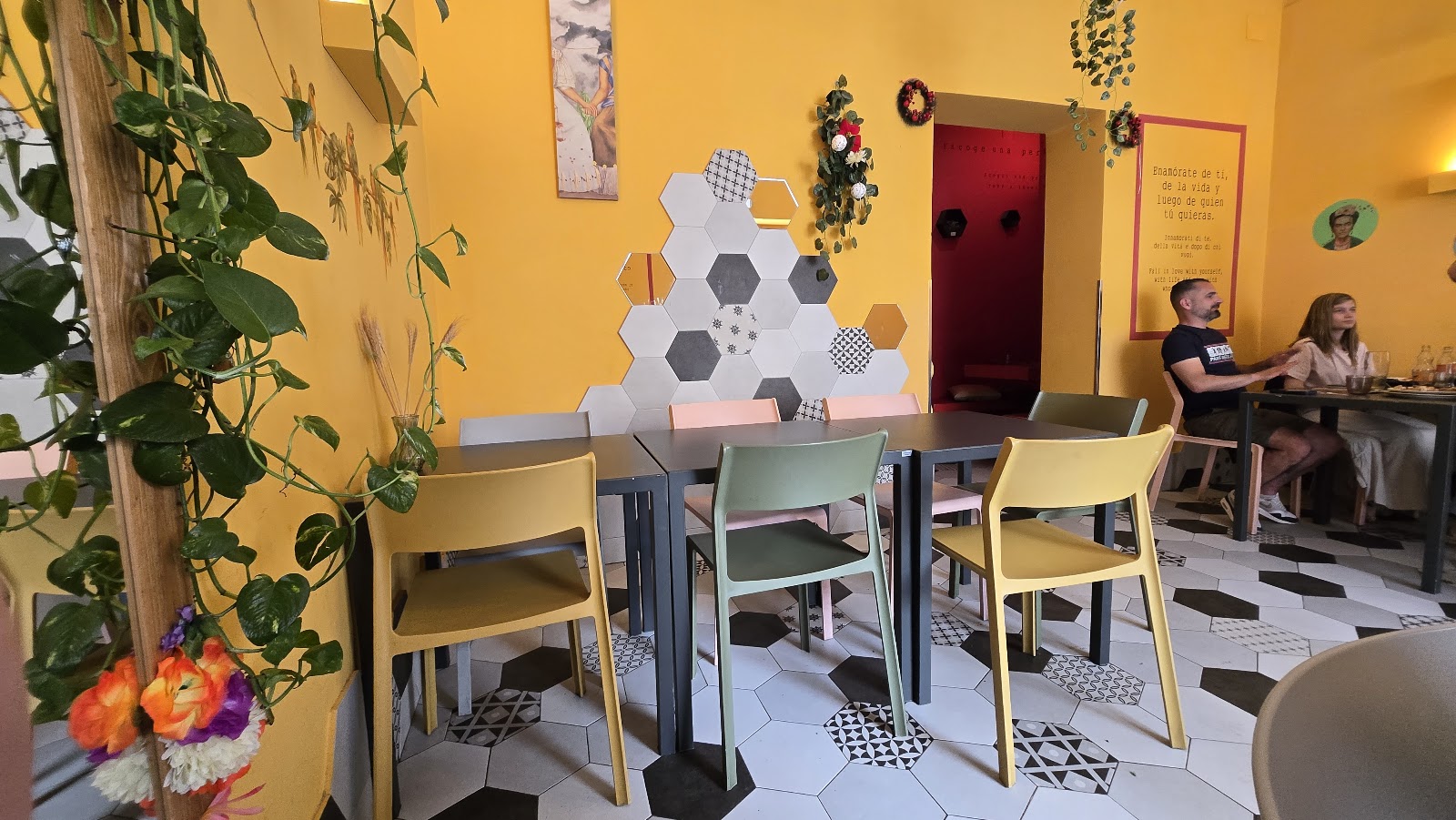
Frida
€€€€ · 8,589 reviews
Pizza Lovers say: "Delicious bruschetta, creative toppings, and amazing square-shaped pizza. Inside can be too hot in summer."
Panificio Guccione is a bakery first and a pizzeria second, which is the correct order of operations for sfincione. The display counter runs old Sicilian flatbreads alongside slabs of by-the-slice sfincione, and the round Neapolitan pies come out of a separate oven for evening service. Walk in any afternoon, point at the rectangle behind the glass, eat it on the curb.
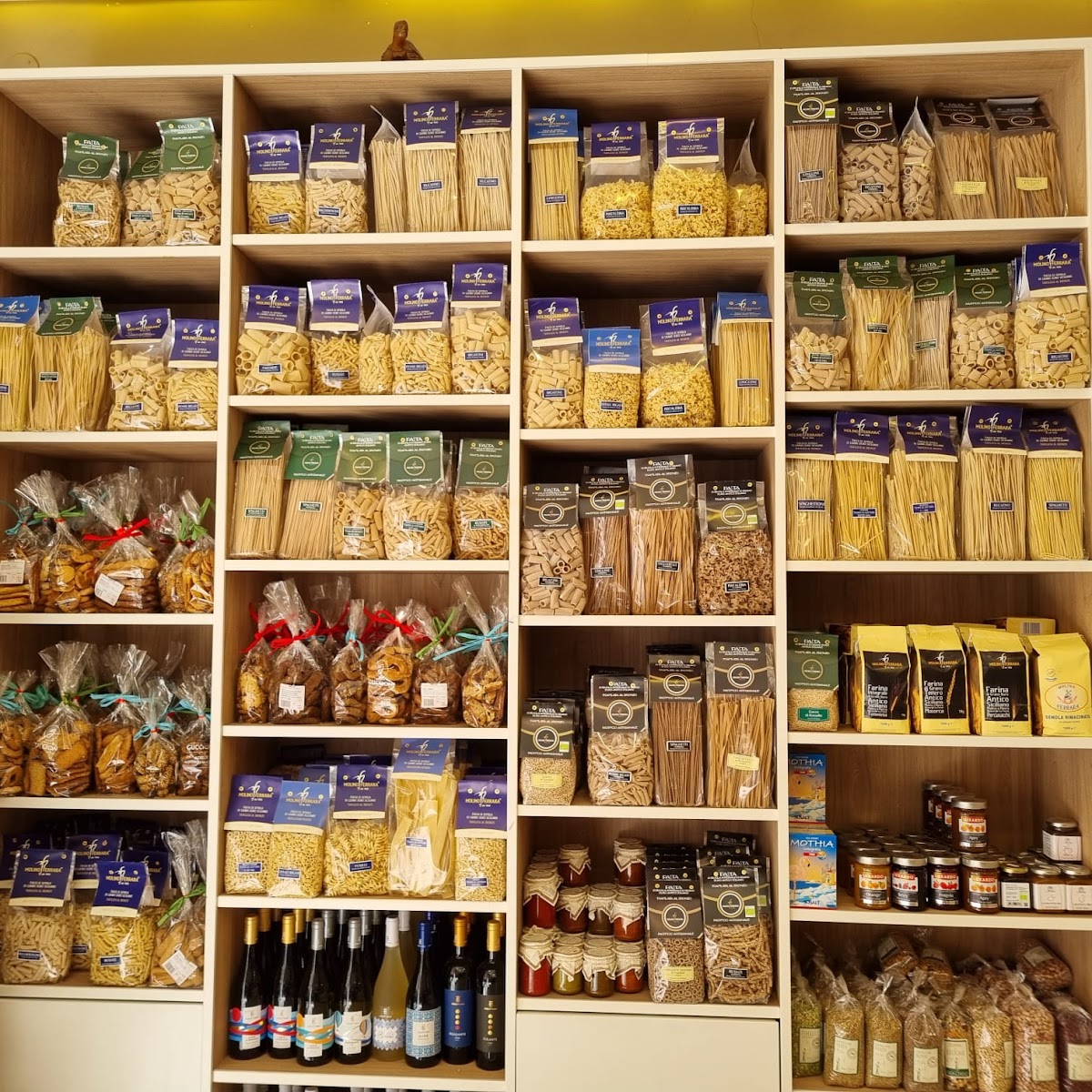
Panificio Guccione
€€€€ · 1,458 reviews
Pizza Lovers say: "Amazing sfincione and pizza in pala, with exceptional carob bread and panettone. Service can be a bit unenthusiastic."
The contemporanea wave, on native Sicilian grains
Archestrato di Gela is the name to know. The room is named for the 4th-century BC Greek-Sicilian poet who wrote one of the earliest food texts in the Western canon, which tells you about the level of seriousness. It is a Slow Food kitchen, the flours are native Sicilian, and the pie is a thin contemporanea round built on a long-fermented dough. The toppings change with whatever the island is growing that week.
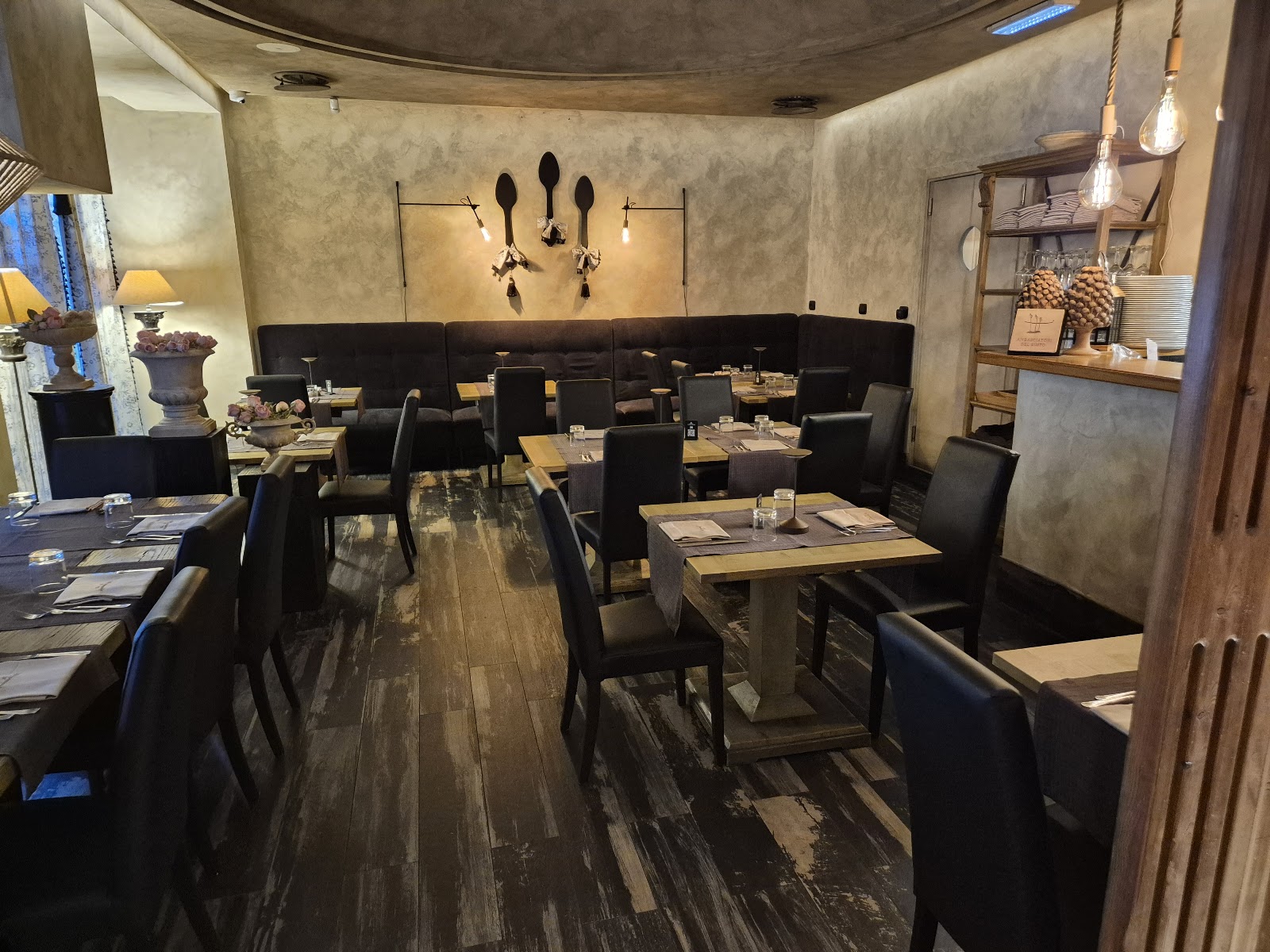
Archestrato di Gela
€€€€ · 3,081 reviews
Pizza Lovers say: "Delicious pizza with a crunchy, fluffy crust and quality ingredients like pistachio pesto. Some find the staff a bit uptight."
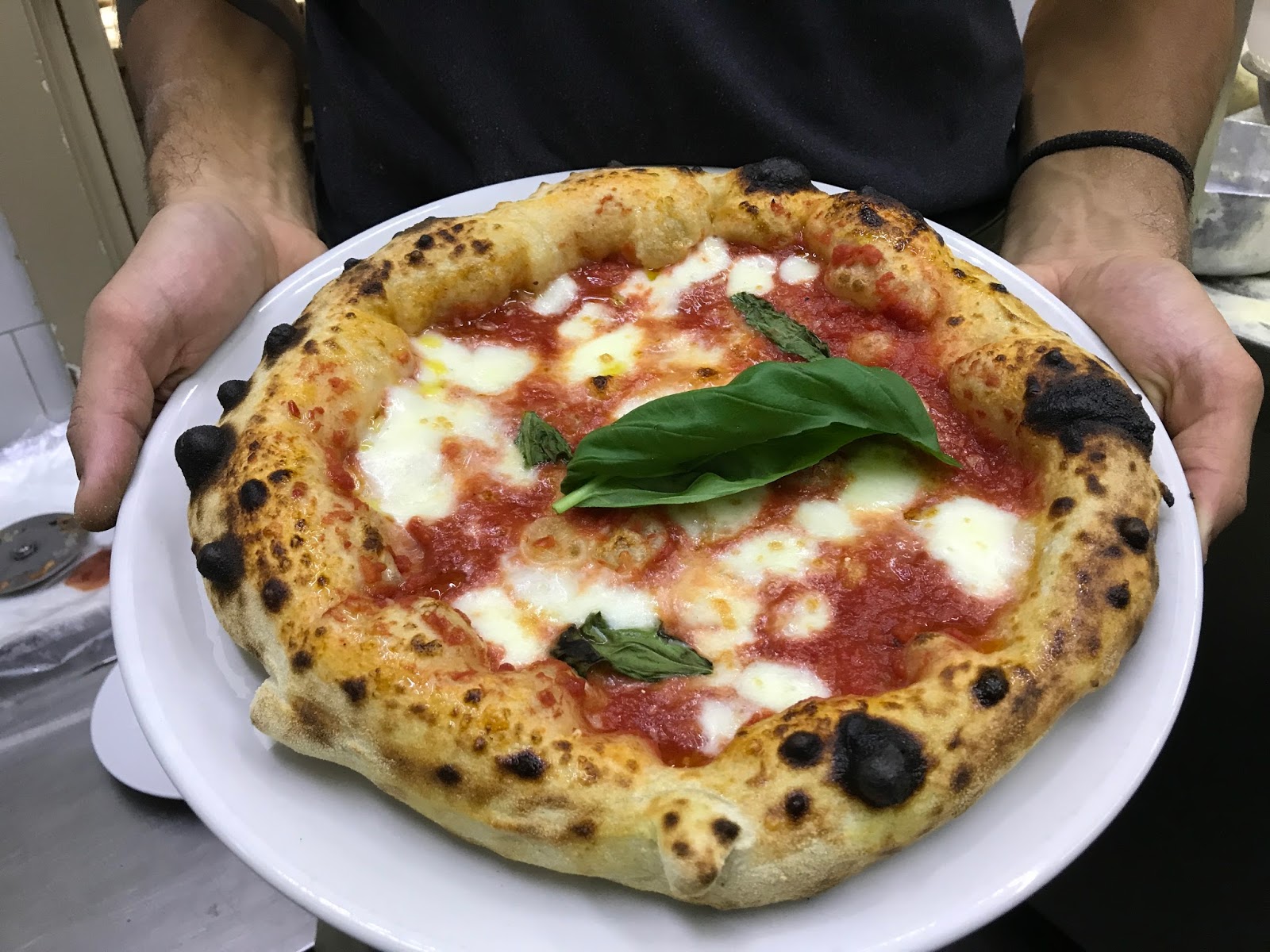
Funnaco PizzaLab puts the word lab in the door, and it earns it. Stoneground flours, native yeasts, an open crumb, and a dough program that reads more like a small bread bakery than a pizzeria. The result is one of the lighter pies in the city, with a cornicione that holds air and a base that does not collapse under wet toppings.
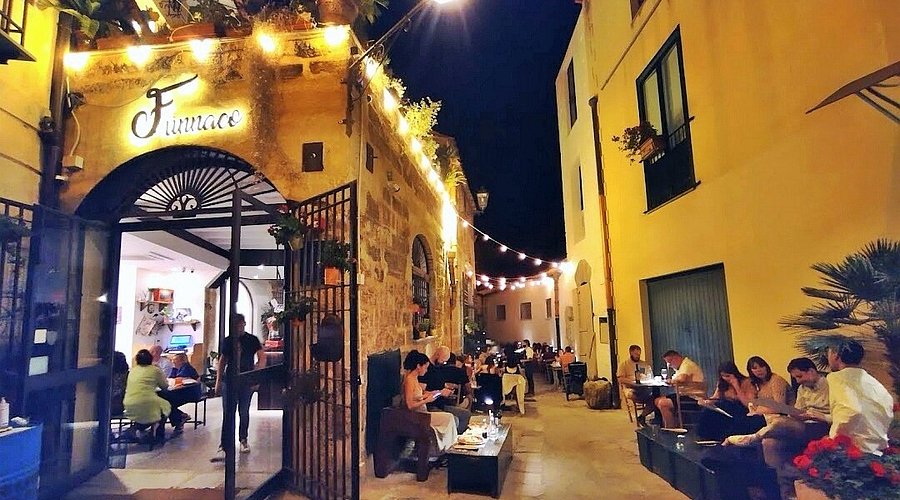
Fùnnaco PizzaLab
€€€€ · 5,209 reviews
Pizza Lovers say: "Amazing pizza, especially sfincione on spelt and ham with burrata. Desserts and cocktails are great. Reservations are highly recommended."
Ammodo is the kitchen of Daniele Vaccarella, a young pizzaiolo who has become a reference name for the new Palermo wave. Long ferments, Sicilian grains, a tight menu that turns over with the season. Of the new generation rooms, this is the one to book if you only have one dinner in town and you want to see where Palermo pizza is heading next.
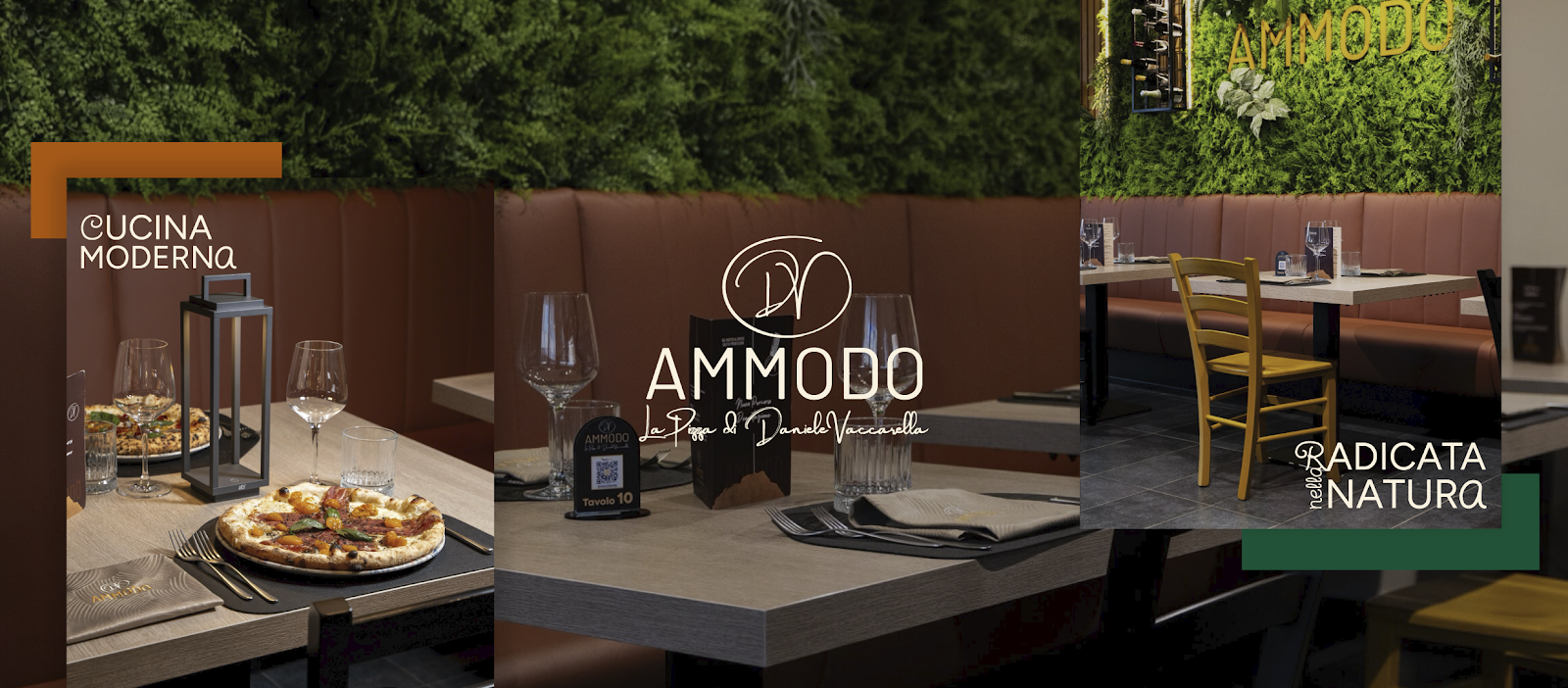
Ammodo – La Pizza di Daniele Vaccarella
€€€€ · 1,171 reviews
Pizza Lovers say: "Amazing vegan pizzas and delicious desserts. Service can be slow and some staff are unhelpful."
Apud Jatum Panormus is run by a pizzaiolo trained inside the contemporanea movement, and it shows in the dough. The room is small and specialist, the menu reads short, and the pies arrive light enough that a second one is not a punishment. A useful counter-program to the big-production places.
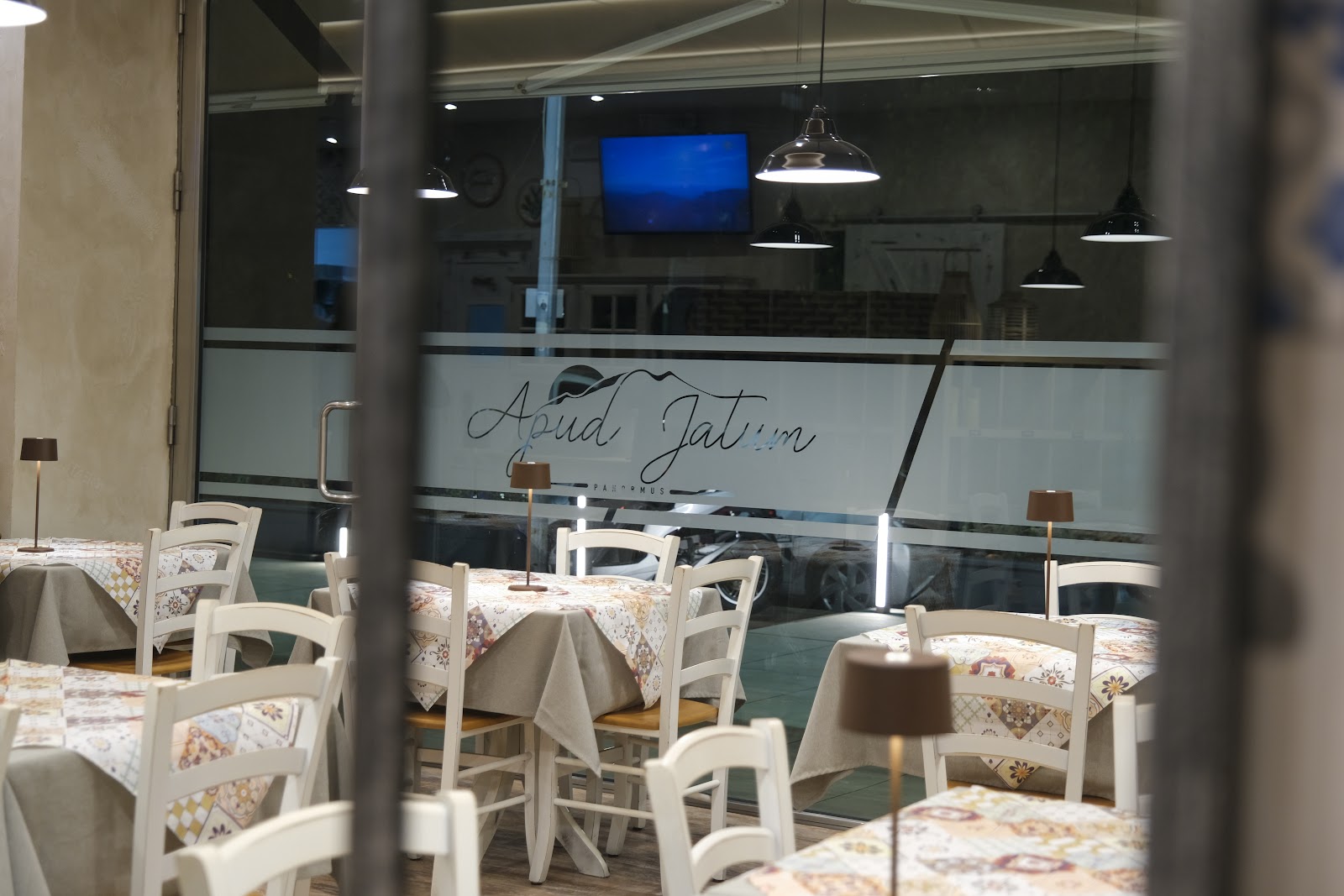
Apud Jatum Panormus
€€€€ · 4,346 reviews
Pizza Lovers say: "Thin, crispy crust; "Palermo" pizza and "Brontadella" are delicious. It can get quite hot inside, and it's only open a few hours a day."
Long fermentations and flour-first kitchens
Biga Genio e Farina, set in the city center, puts the method right in the name. The biga is a stiff pre-ferment, a starter dough that sits for hours before it ever sees the final mix, and it gives you a base with deeper flavor and better digestibility than a same-day dough. The kitchen runs both contemporary Sicilian pies and a classical Neapolitan side, so you can taste the same flour treated two different ways.
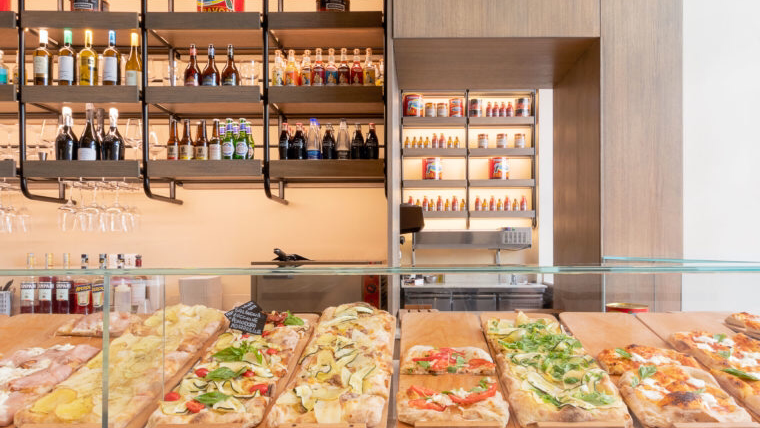
Biga Genio e Farina
€€€€ · 5,766 reviews
Pizza Lovers say: "Unique variations and light, easy-to-eat crust are praised. Slices are a bit small for the price."
Tredicisette is a bistro-style room with a Neapolitan oven and a dough program that gets talked about more than the decor, which is the right ratio. The crumb is tender, the leopard-spot char on the cornicione lands where it should, and the wine list reads like a Sicilian's wine list, which is to say correctly local.
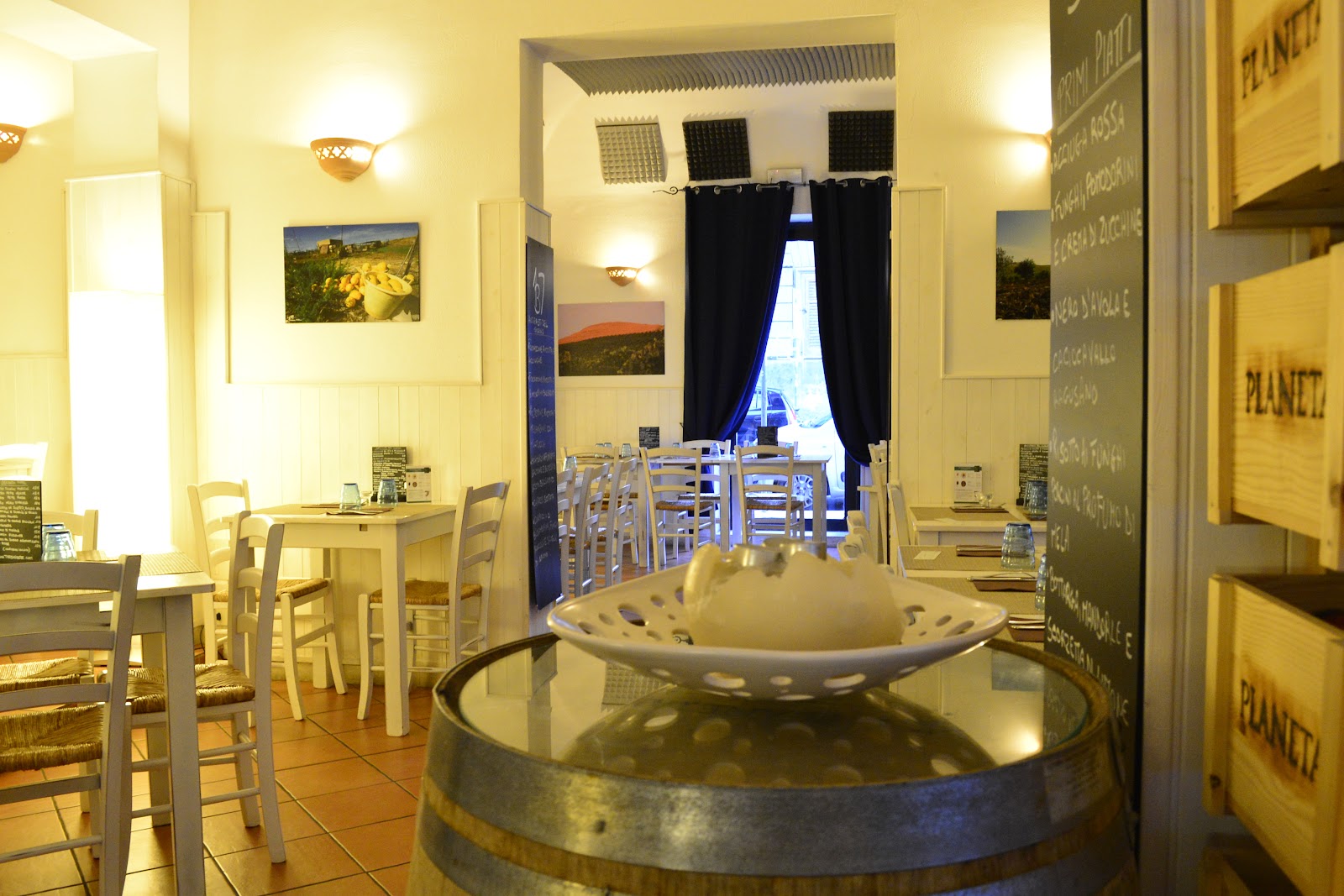
Tredicisette
€€€€ · 2,840 reviews
Pizza Lovers say: "Amazing pizzas, especially the Marga-gialla and 4 corner pizza, with high-quality ingredients. Service can be terrible though."
Neapolitan dough, eaten by Palermitani
Cagliostro sits inside the historic center and runs a classic neighborhood Neapolitan room: two pies, a bottle from the Sicilian wine list, no theatrics. It is not trying to reinvent the form. It is trying to feed the block, and it does.
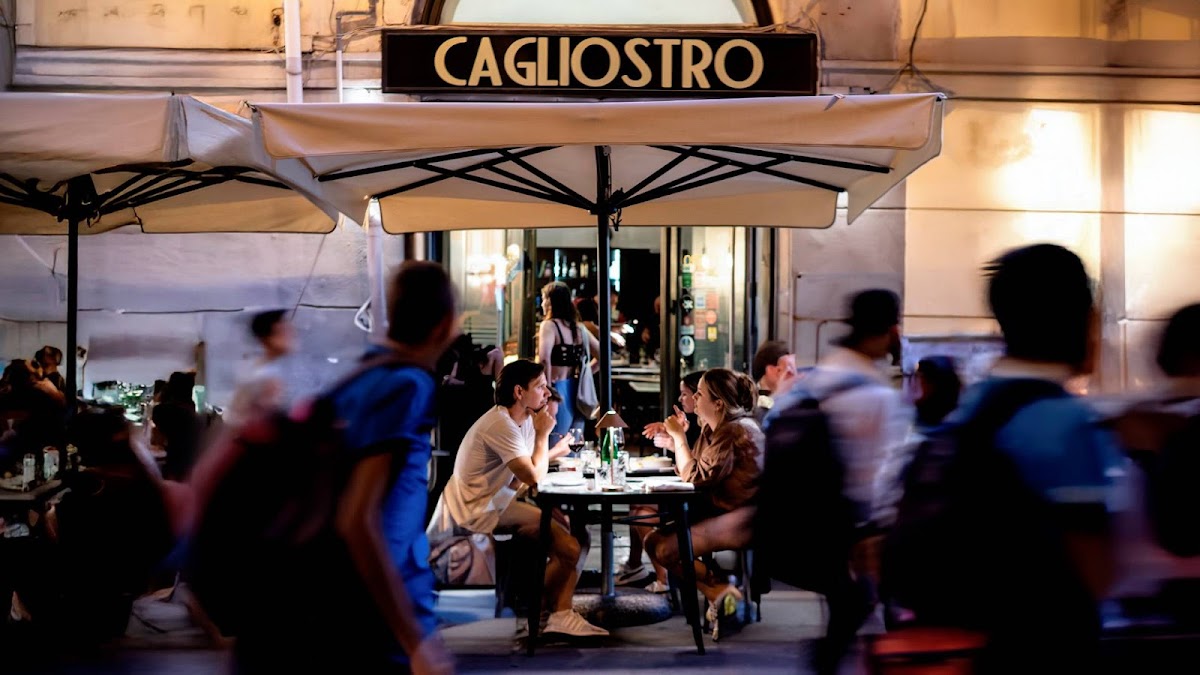
Cagliostro
€€€€ · 3,302 reviews
Pizza Lovers say: "Amazing Sicilian pizza with pistachios, delicious homemade food, and a romantic atmosphere. It's a bit more expensive."
Mastunicola takes its name from the oldest documented Neapolitan pizza, the white pie of lard, black pepper, and basil that predates the arrival of the tomato in Italian cooking. The kitchen reads that history seriously and treats the pre-tomato canon as worth ordering, not as a museum exhibit. A useful stop for anyone who wants to understand what pizza was before the tomato arrived.
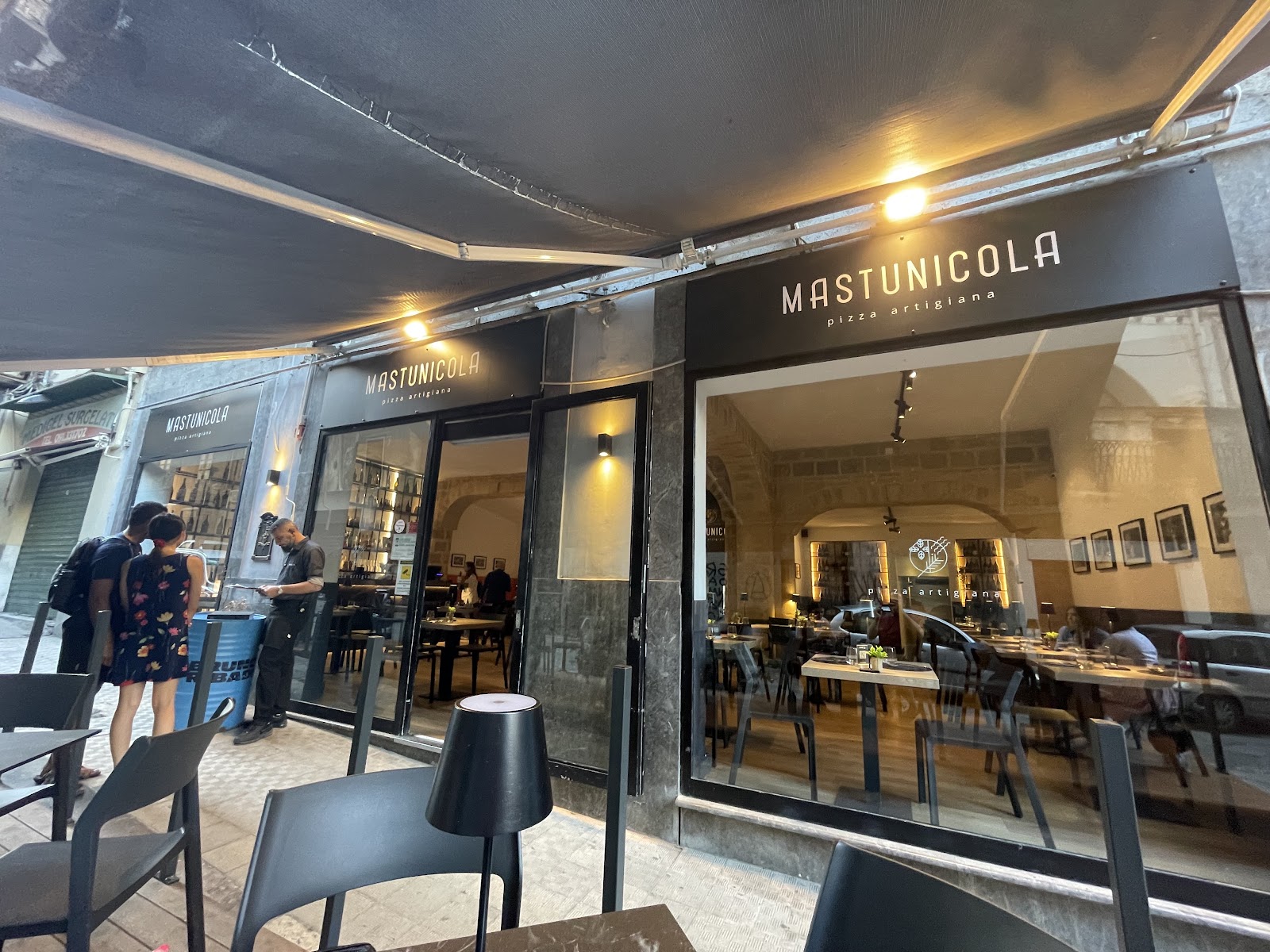
Mastunicola
€€€€ · 3,722 reviews
Pizza Lovers say: "Amazing fresh ingredients and delicious fluffy crust, especially the shrimp zucchini pizza. Gluten-free options are fantastic. Can get very busy."
Il Cappero Pizza e Cucina runs the pizza-and-kitchen format, which means a real pasta and antipasti list on one side and a wood-oven round on the other. The capers are Sicilian, of course, and they end up on more pies than you would expect, which is a feature, not a bug.
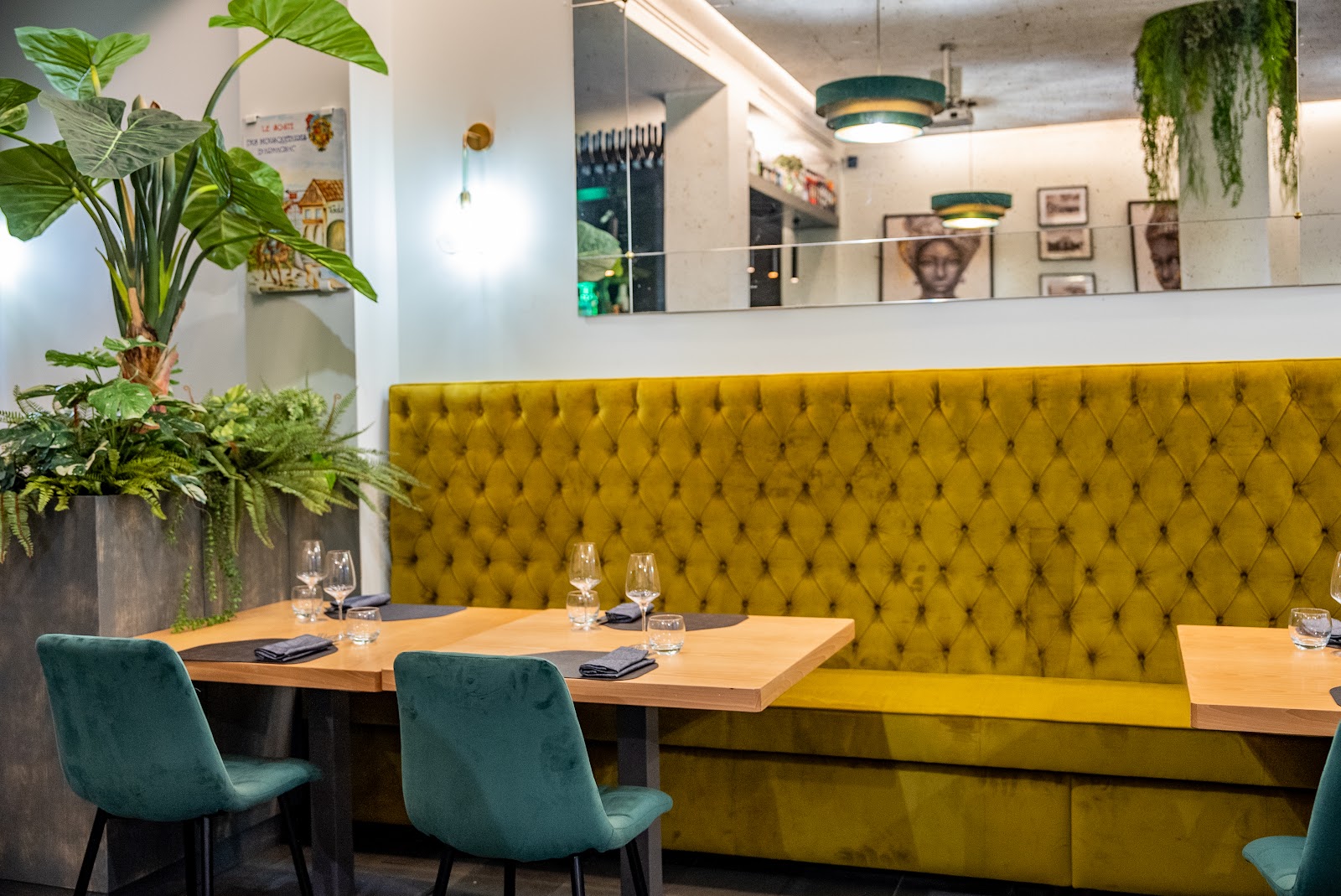
Il Cappero Pizza e Cucina
€€€€ · 1,690 reviews
Pizza Lovers say: "Perfectly cooked pizzas with bold, saporito flavors, amazing Salina pizza, and marvelous Napolitana. Service was OK, staff occasionally forgot orders."
Villa Costanza is the move when you want to eat a Neapolitan pie with a sea breeze instead of a scooter horn. It sits out toward Mondello, a short drive from the city center, with a garden and a wood oven and the kind of big production that works well for a long lunch with a table of eight. Not a contemporanea room. A holiday room, in the right sense.
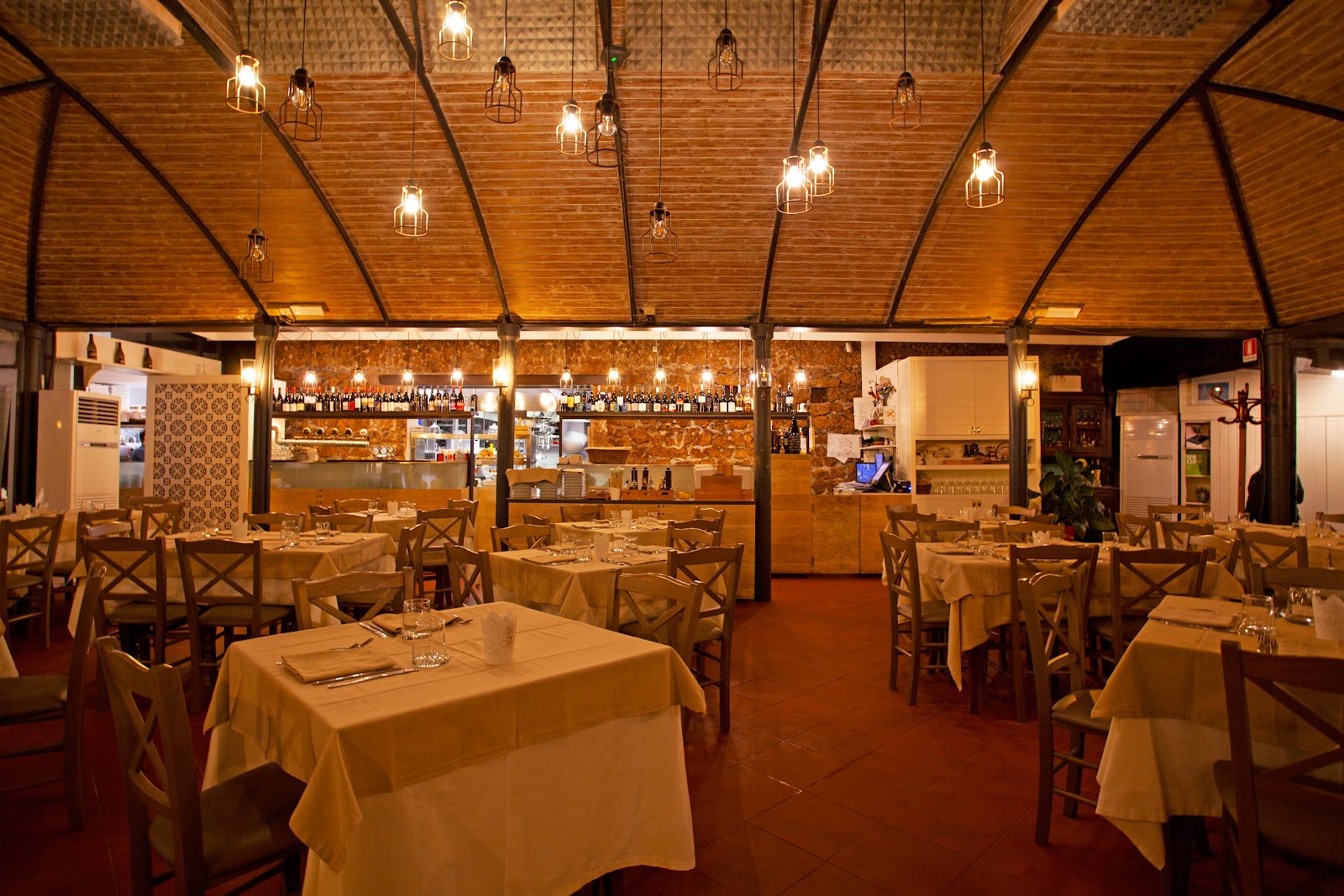
Villa Costanza
€€€€ · 4,293 reviews
Pizza Lovers say: "High quality food, stunning location, and charming owner. Service was just ok, and roast beef was dry."
How we ranked this
We weighted what came out of the oven over how long the line was outside it. Sfincione tradition counts. Native-grain dough programs count. Pizzaiolo lineage and how a room treats Sicilian ingredients count. Star-volume algorithms do not, and a low-star review docked for parking near Quattro Canti counts even less.