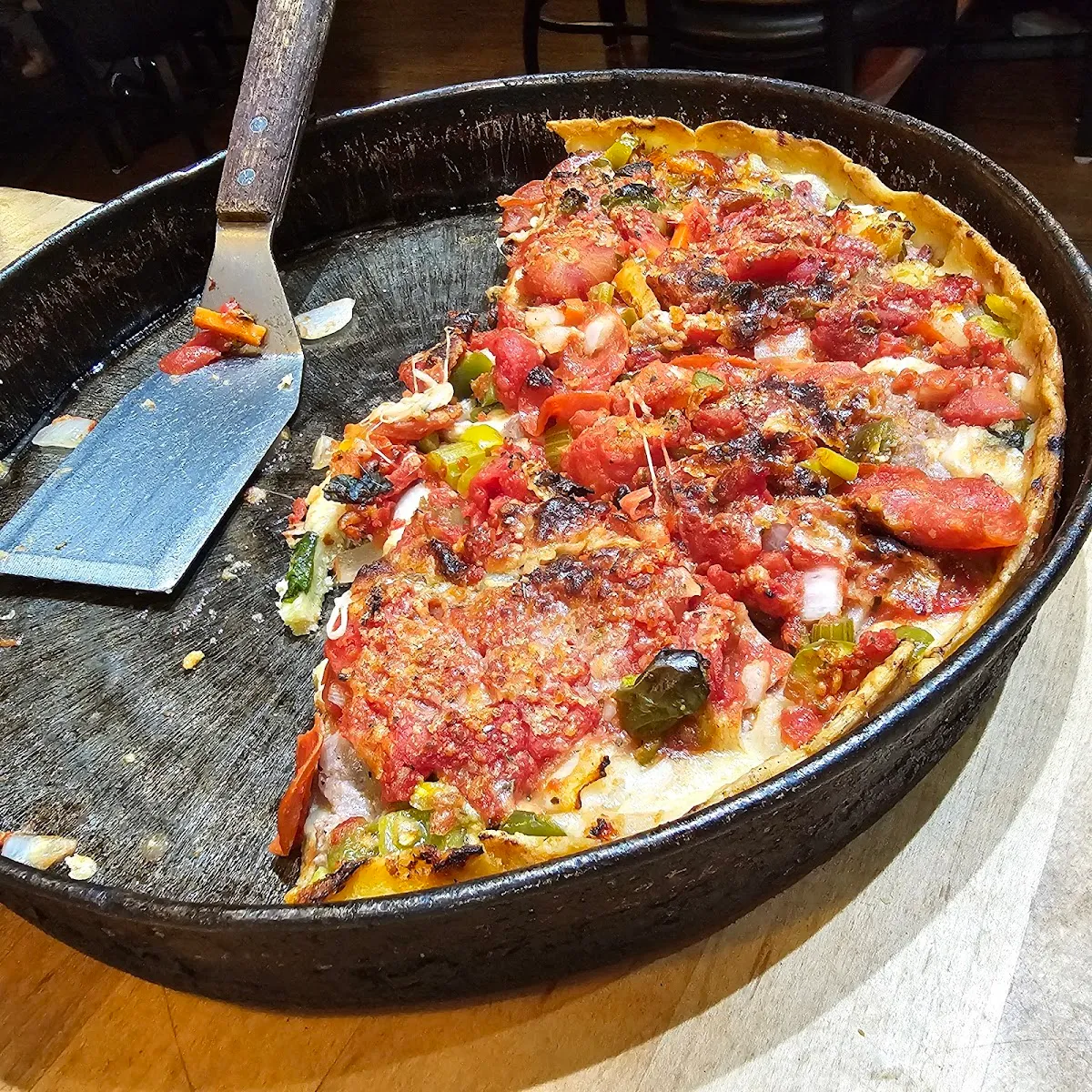
Chicago is famous for deep dish, but locals barely eat it. The everyday pizza in Chicago is tavern-style: thin, cracker-crisp, cut into squares, ordered by the half-sheet for a Bears game or a kid's birthday. Visitors get one deep dish meal, locals get tavern by the square, and a quieter wood-fired Neapolitan scene has been building since 2006.
If you have three meals in town, spend them on three different pies. Treat deep dish like a museum visit (one is plenty), order a tavern thin like you live here, and book a wood-fired room to see how Chicago handles a 60-second pizza. Anything you can get from Domino's does not count.
What is Chicago deep dish, actually?
Deep dish was invented in 1943 at Pizzeria Uno on the corner of Ohio and Wabash. Ike Sewell wanted a pizza that ate like a meal: a tall buttered crust pressed up the side of a seasoned steel pan, sliced low-moisture mozzarella laid directly on the dough so the cheese does not burn, sausage or vegetables in the middle, crushed tomatoes on top, a dusting of grana. It bakes for half an hour. The reason the cheese goes under the sauce is structural, not stylistic. Stack it the other way and the crust steams instead of crisps.
The Chicago family tree branches from there. Lou Malnati worked the original Uno line before opening his own in 1971. Rudy Malnati Jr., from the other side of the family, runs Pizano's. Pequod's tilts the recipe sideways with a ring of cheese pushed against the hot pan wall, which caramelizes into a dark, brittle collar around the rim. Gino's East colors its crust yellow with cornmeal. Same continent, different countries.
| Style | Crust Profile | Cheese Position | Bake Time | Where to Try |
|---|---|---|---|---|
| Deep Dish (Classic) | Tall, buttery, pressed into high-sided pan | Under sauce on dough | 30-45 minutes | Lou Malnati's, Gino's East, Pizzeria Uno |
| Deep Dish (Pequod's) | Medium-deep, chewier than the canon | Caramelized ring against pan edge | 30-45 minutes | Pequod's Pizza |
| Tavern-Style Thin | Cracker-crisp, rolled thin, squared cut | Edge to edge, no soggy center | 12-15 minutes | Bartoli's Pizzeria, The Art of Pizza |
| Neapolitan (VPN-Certified) | Soft cornicione, spotted leopard crust | Under sauce, artisanal | 60-90 seconds | Spacca Napoli, Coda di Volpe |
| Roman Al Taglio | Rectangular high-rise, crispy exterior | Distributed throughout layers | 20-25 minutes | Labriola Chicago |
The deep dish canon
If you only do one deep dish meal in Chicago, Pequod's is the one that converts skeptics. Burke Sienkiewicz opened the original in Morton Grove in 1970 and moved the Lincoln Park location to Clybourn in 1986. The signature move is the caramelized cheese ring: mozzarella pressed against the pan edge so it browns into a dark, crunchy crust collar that tastes like the bottom of a frico. The pan pie itself is medium-deep, not the tower style, with a chewier crust than the household names.
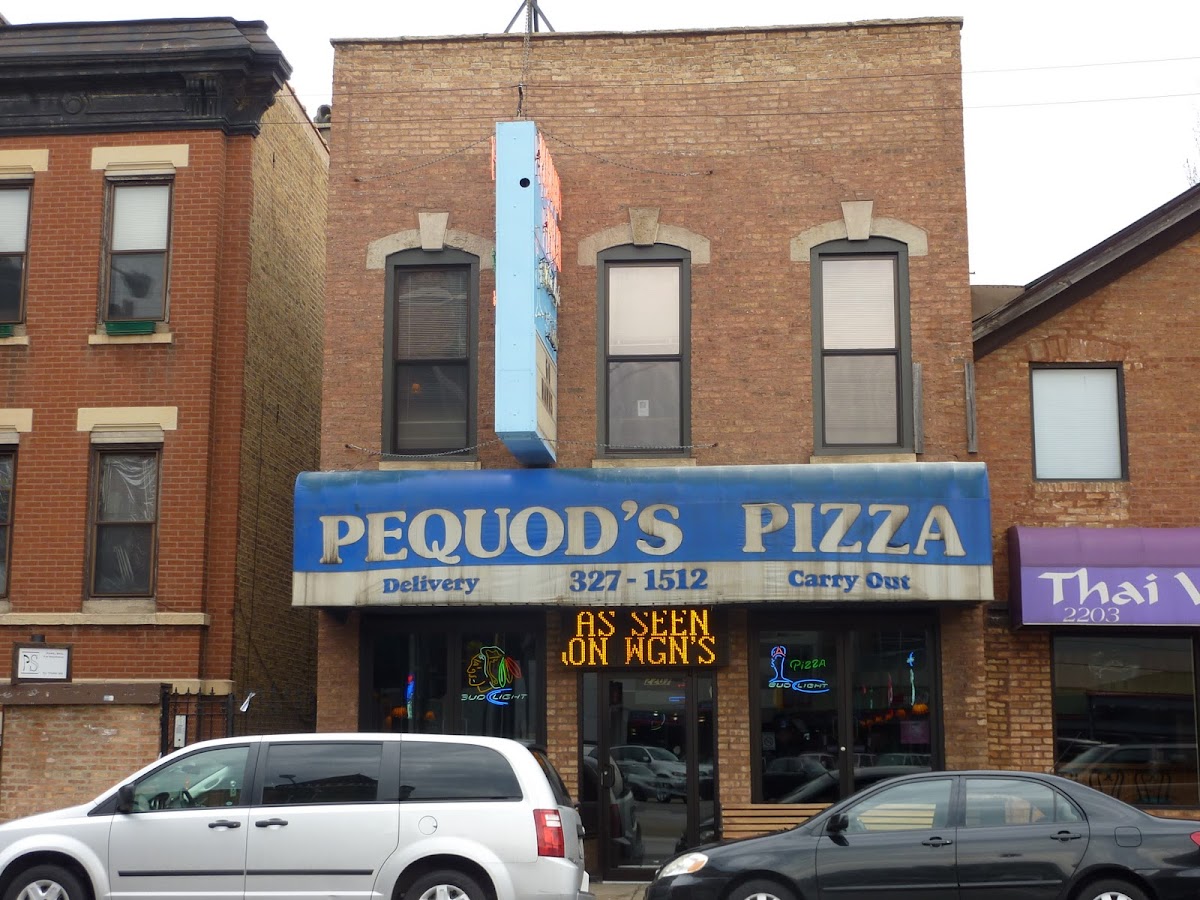
Pequod's Pizza
€€€€ · 17,381 reviews
Pizza Lovers say: "The caramelized crust is legendary and the toppings are plentiful. Some found it dry and lacking cheese."
Lou Malnati's is the household name version of deep dish, and that is not a knock. Lou trained at the original Pizzeria Uno before opening his own pan shop in 1971, and the family kept the butter crust honest across forty-plus locations. The dough has real flake to it, the sausage is a thick patty that covers the whole pie rather than crumbled bits, and they still hand-press the dough into the pan. Order the Malnati Chicago Classic with their lean sausage and chunky tomato.
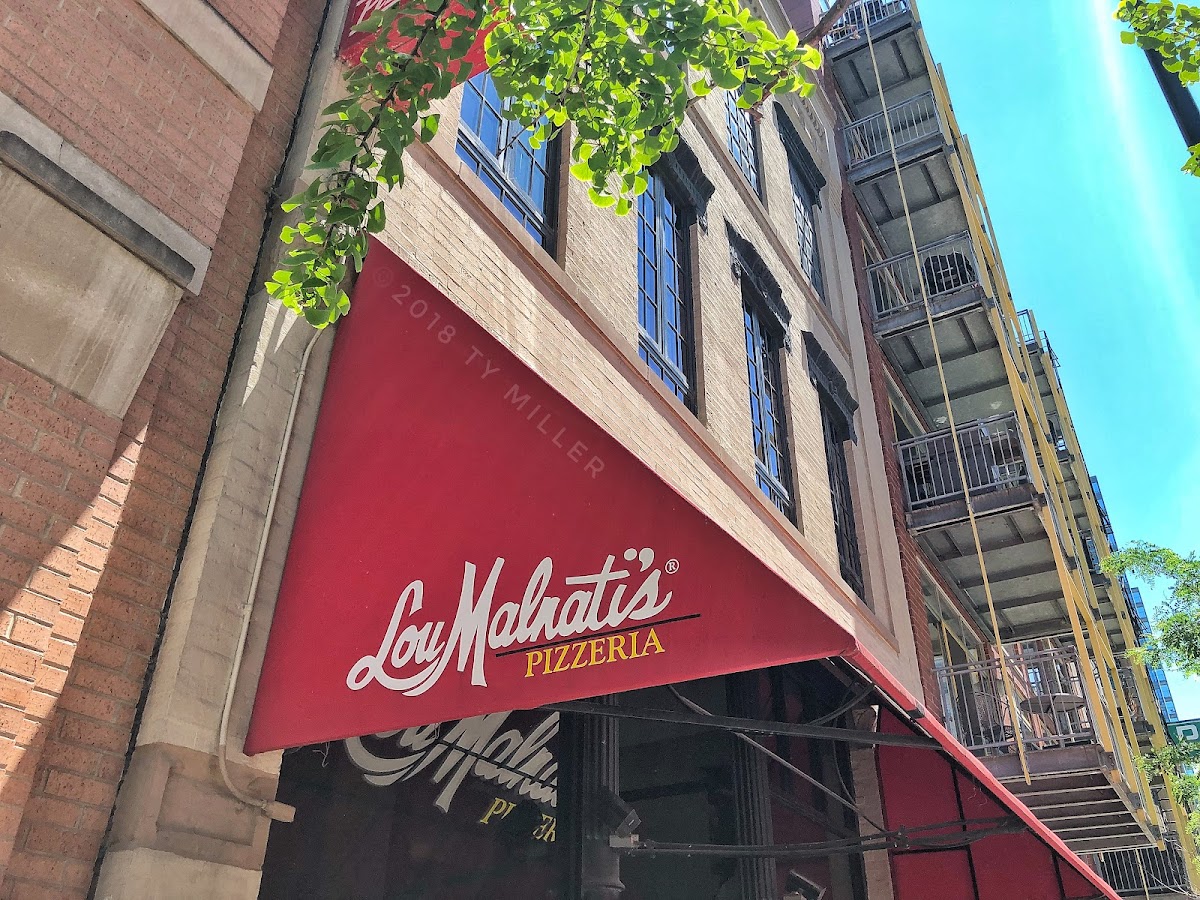
Lou Malnati's Pizzeria
€€€€ · 14,982 reviews
Pizza Lovers say: "The deep-dish pizza, especially 'The Lou', is excellent, rich, cheesy, and flavorful. The buttery crust is a highlight. Expect a considerable 30-minute wait for the pizza."
Gino's East opened in 1966 when two cab drivers and their friend got tired of their day job. The defining detail is yellow cornmeal in the crust, which gives the bottom a gritty bite that holds up to the sauce sitting on top for thirty minutes in the oven. The original River North dining room moved across the street years ago, but the graffiti tradition followed: every flat surface inside is signed in Sharpie by visitors who came once and will come again.
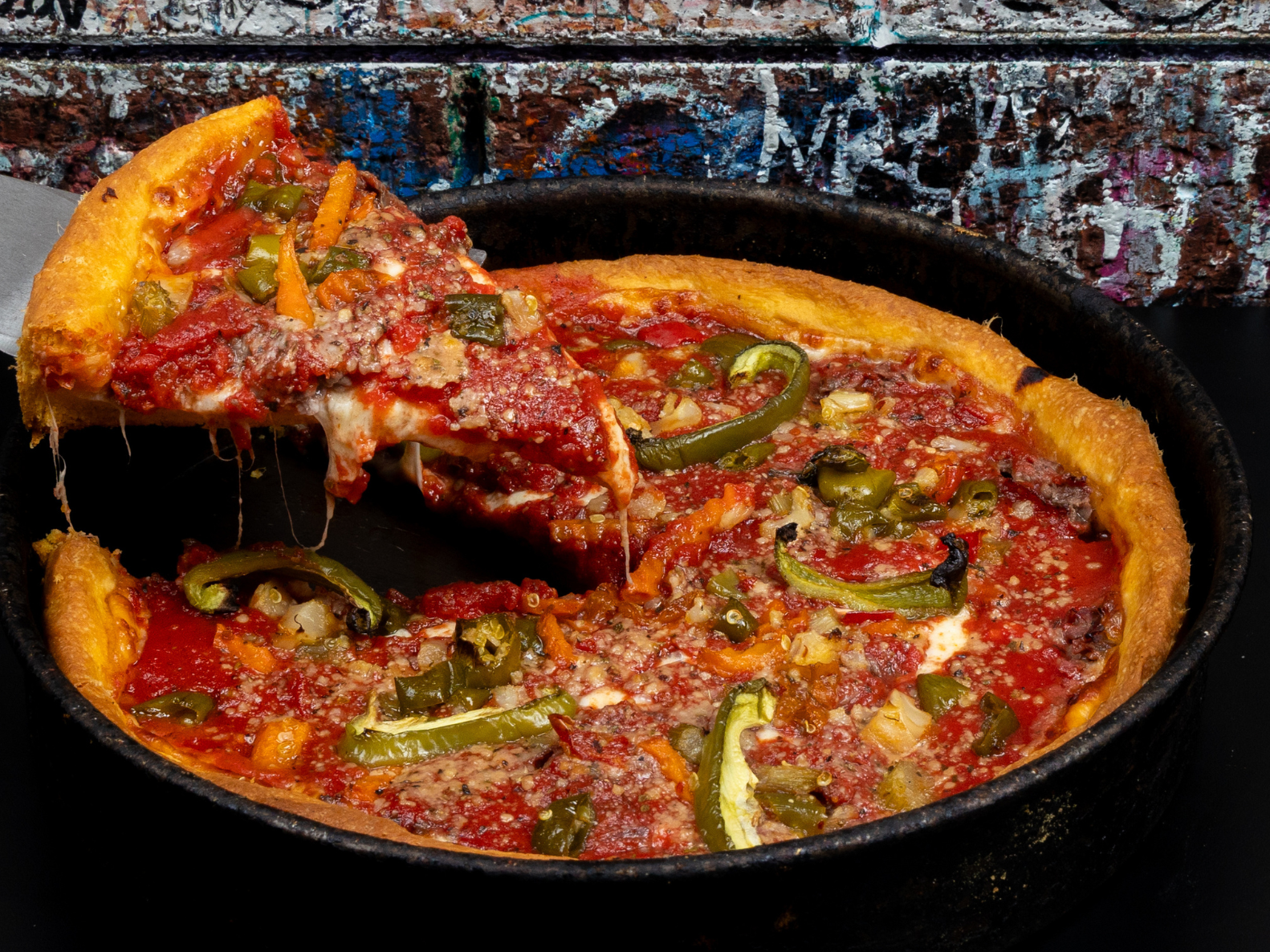
Gino's East
€€€€ · 22,267 reviews
Pizza Lovers say: "Deep-dish pizza and garlic bread are incredible, with an awesome atmosphere and affordable prices. However, some found the thin crust to be mediocre."
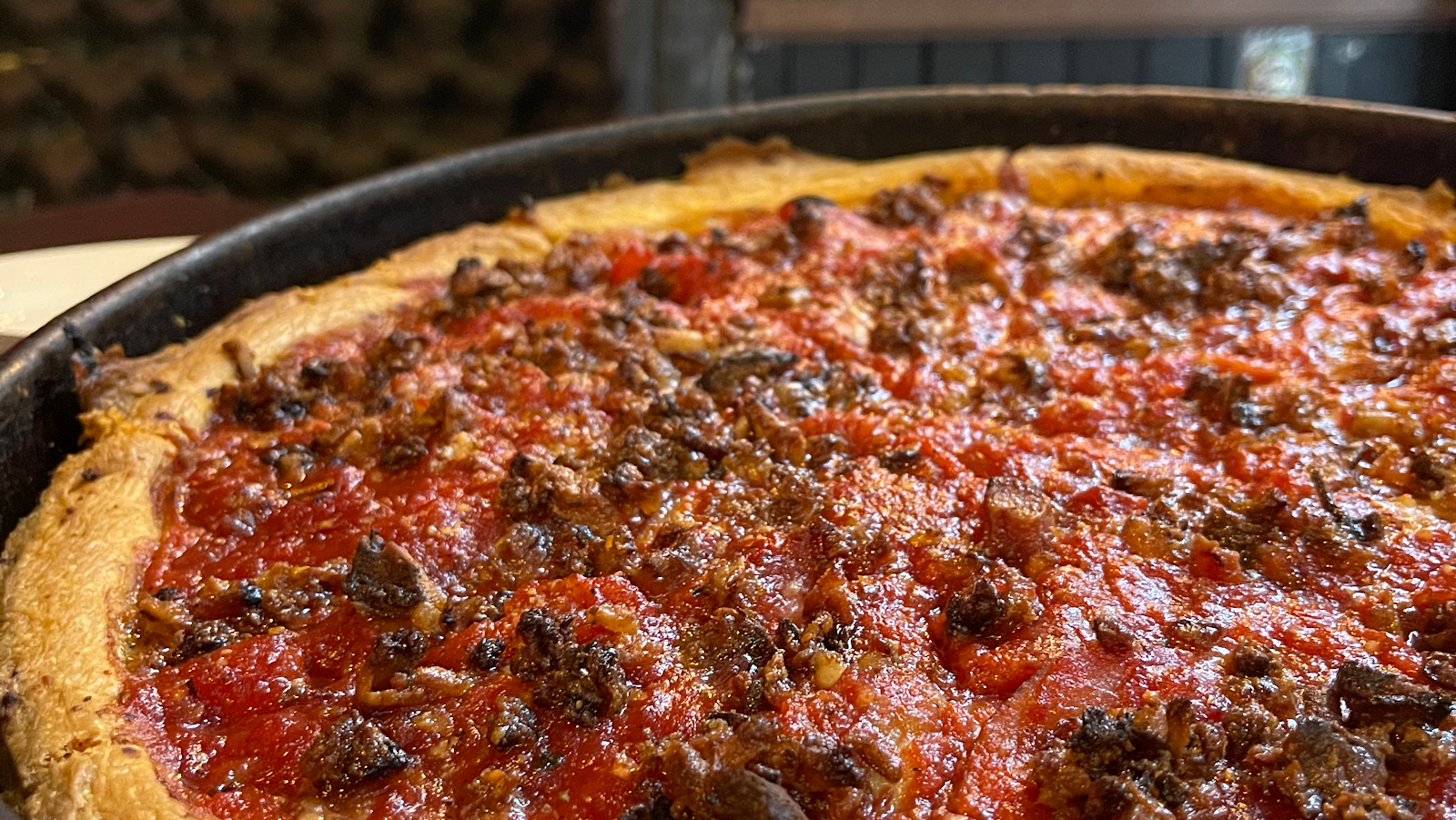
For the origin pilgrimage, Pizzeria Uno still operates at the corner of Ohio and Wabash where Ike Sewell invented the form in 1943. The recipe has been copied so many times that eating it at the source feels like reading the original draft of a famous book. The crust is shorter than Pequod's and less buttery than Malnati's, the sausage is finer, the room is wood-paneled and tight. Worth the wait once.
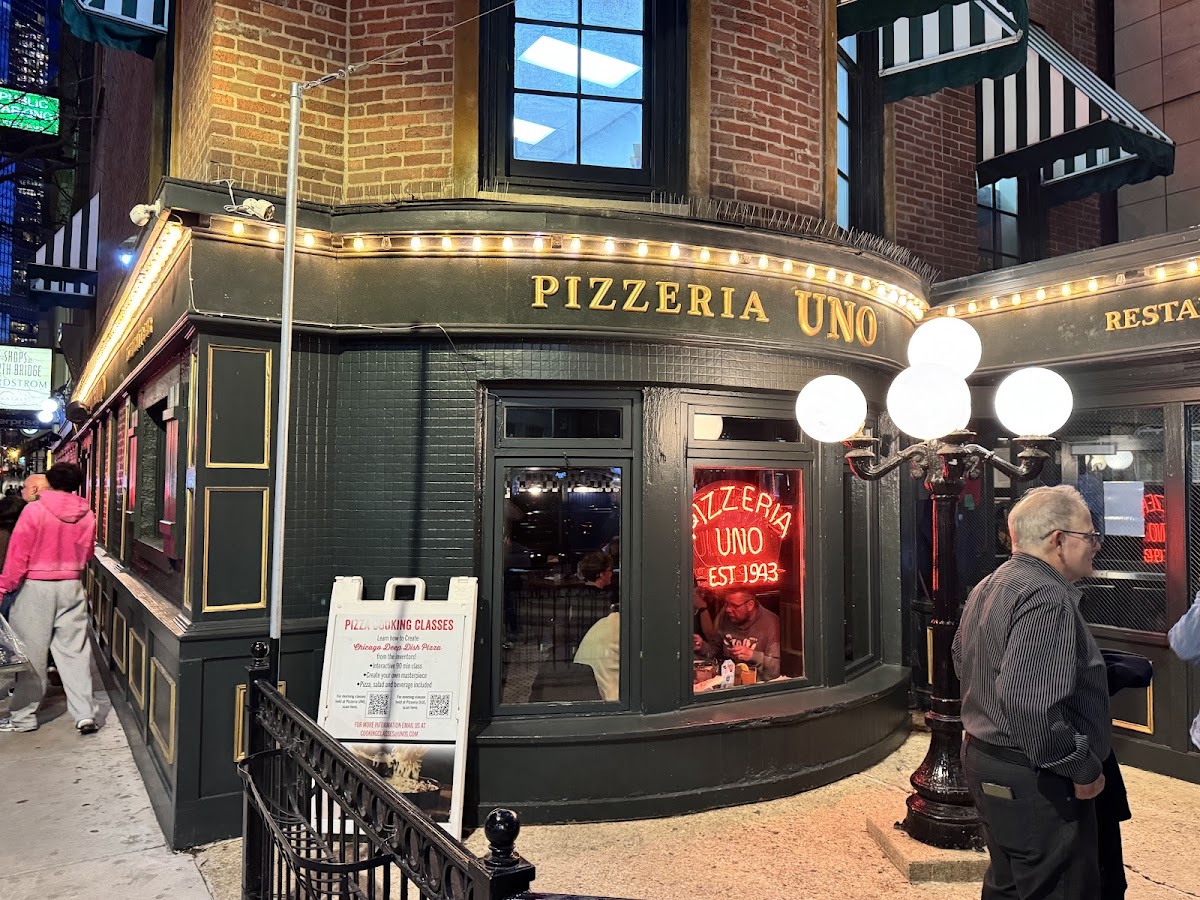
Pizzeria Uno
€€€€ · 8,689 reviews
Pizza Lovers say: "Amazing BBQ Chicken deep-dish with a buttery crust, but some find the pizza too saucy and the wait time long."
Pizano's is where you go when half your table wants deep dish and the other half wants tavern thin. Rudy Malnati Jr., son of the original Pizzeria Uno pizzaiolo Rudy Malnati Sr., runs the kitchen. The thin-crust here is the cleaner argument for what Chicago thin actually is: a buttery, crackly disk cut into squares, sausage edge to edge, no soggy center.
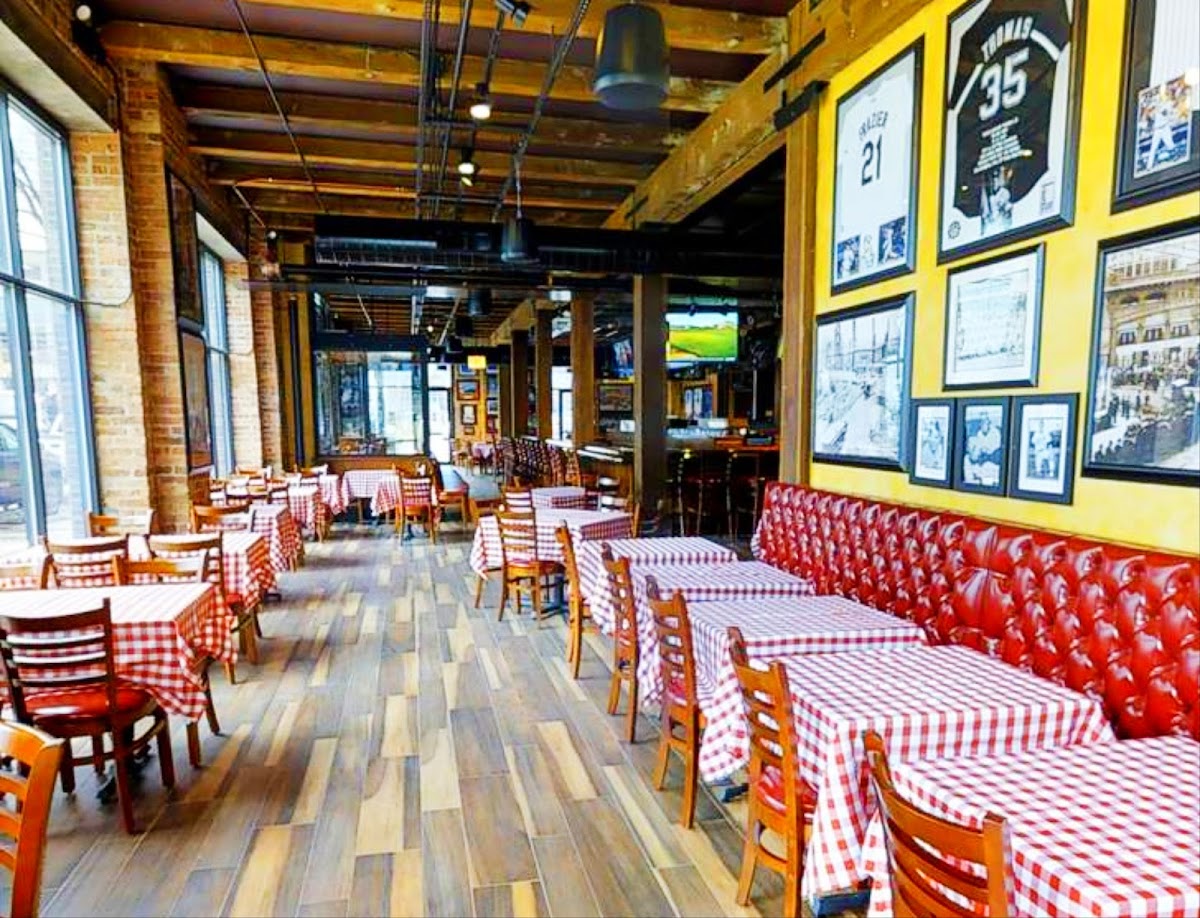
Pizano's Pizza
€€€€ · 5,654 reviews
Pizza Lovers say: "The deep-dish crust is on point and toppings are fresh. The Woo Woo cocktail is tasty. Service can be slow."
Labriola is Rich Labriola's bakery-turned-restaurant in River North, and it is the deep dish room a non-deep-dish person ends up enjoying. The double-crust pan pizza has a top layer of dough between the cheese and the sauce, which sounds like a stunt and tastes like a sandwich. They also run Roman-style al taglio by the slice and a tavern-thin section on the same menu, which is unusual.

Labriola
€€€€ · 5,695 reviews
Pizza Lovers say: "Amazing Chicago-style pizza with tons of cheese & ingredients, delicious meatballs, and great thin-crust pepperoni. Service can be slow."
The tavern style nobody tells visitors about
Tavern-cut thin is what Chicago actually eats. Cracker-thin dough rolled (not stretched), low-moisture cheese, sausage and giardiniera, baked hot until the bottom snaps when you fold a square. It is cut into rectangles called party cut so a table of six can take a corner each. The cheese pulls in strings off the crispy bottom, the sauce is sweet, the slice you grab from the middle of the tray has no crust at all. That is the point.
Bartoli's Pizzeria in Roscoe Village is one of the cleanest tavern thins in town. Brian Tondryk worked the line at Carmen's of Hyde Park before opening Bartoli's in 2014, and he kept the South Side tavern blueprint: a dough rolled thin enough to read a menu through, a tangy sauce, a generous hand with the giardiniera. He also runs a respectable deep dish on the same menu.
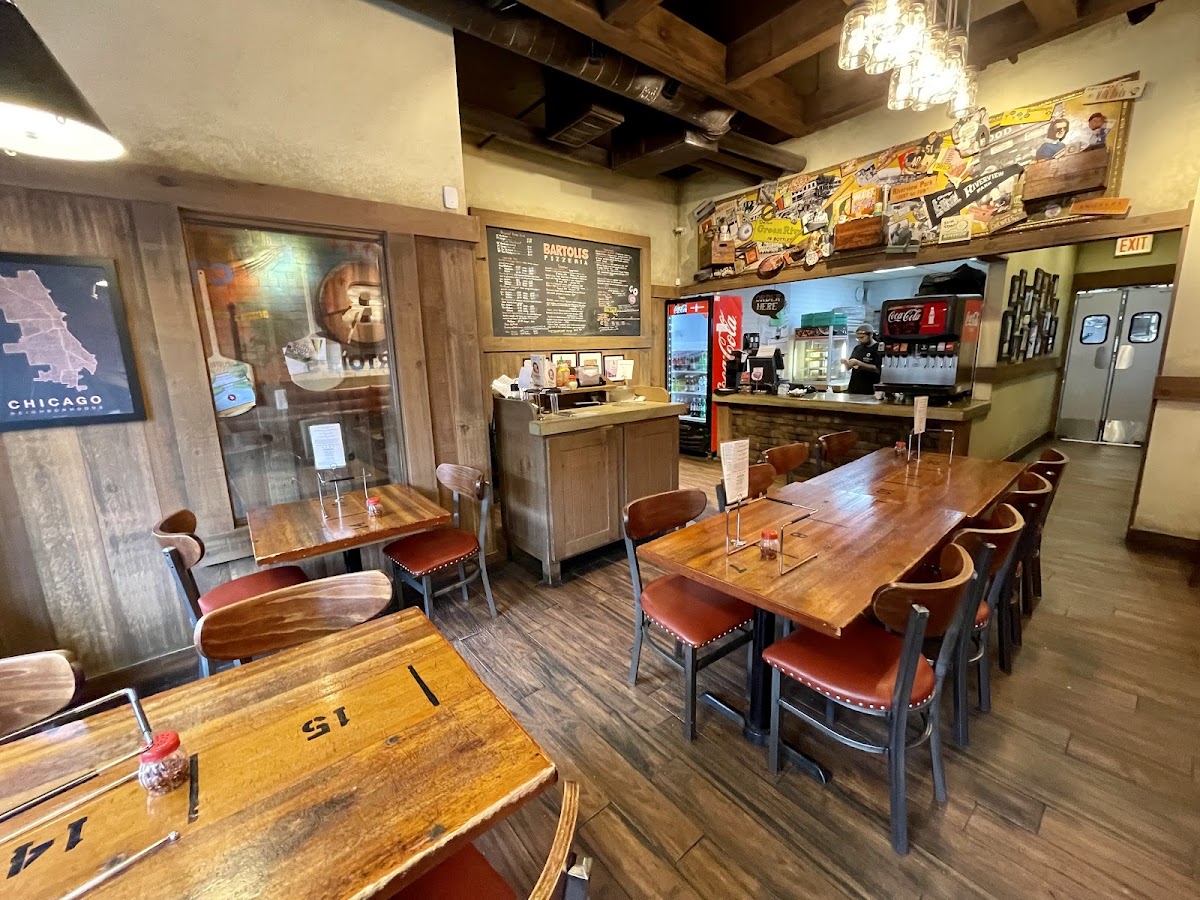
Bartoli's Pizzeria
€€€€ · 1,080 reviews
Pizza Lovers say: "A Chicago institution serving deep dish and thin crust pizza since 1956. The deep dish features a caramelized crust edge and generous toppings; takeout and delivery are popular options for locals."
The Art of Pizza in Lakeview is the lunch slice nobody mentions in travel guides. Thin and stuffed both come out of the same kitchen, but the move is the pan slice by the square, sold from a glass case at the counter. Office workers stack two squares on a paper plate and eat them standing up. The crust holds a heavy slice better than it has any right to.
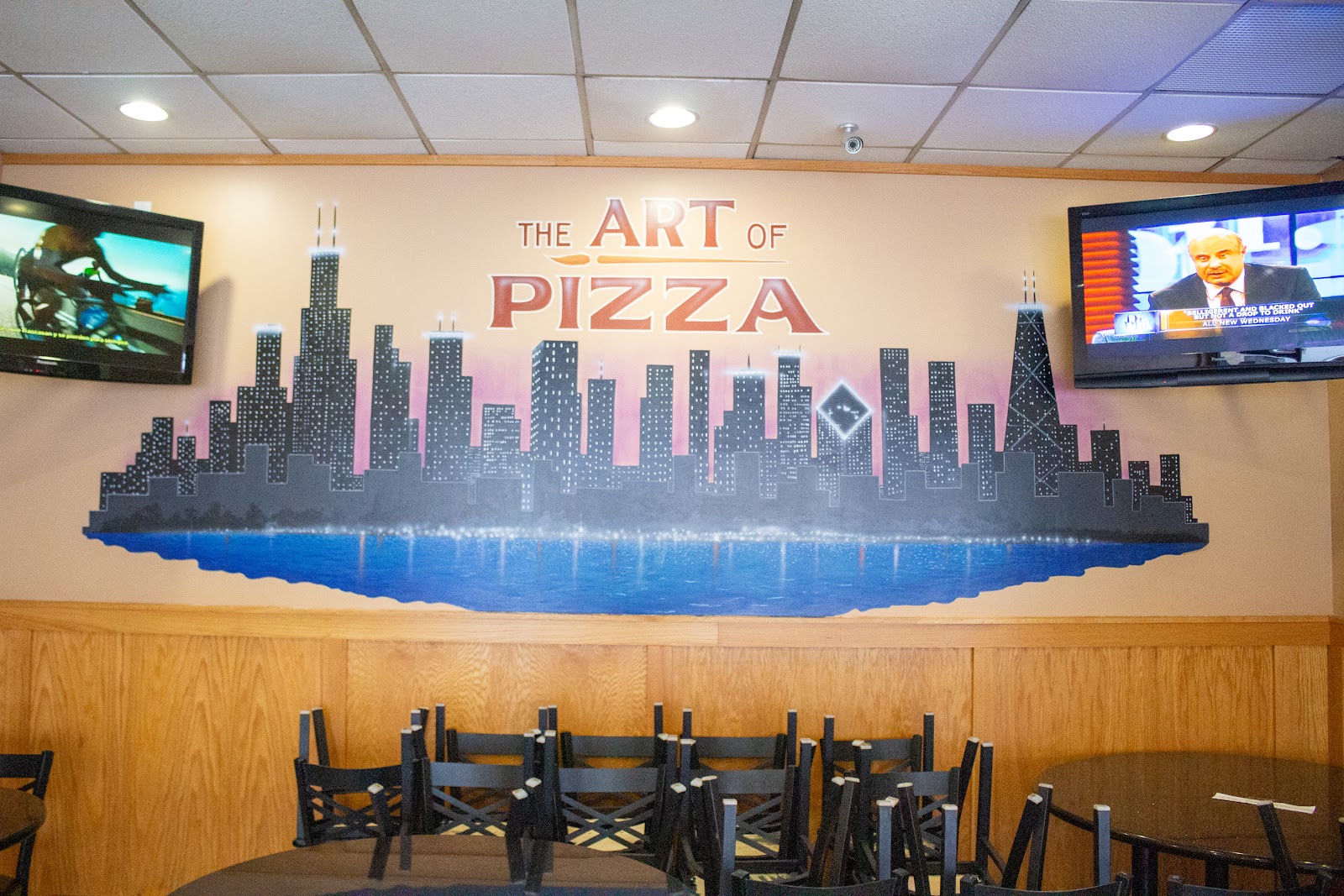
The Art of Pizza
€€€€ · 2,352 reviews
Pizza Lovers say: "Amazing stuffed pizza slices, great sauce and crust. Some find it not fresh or too bready."
The wood-fired Neapolitan scene
Chicago has been quietly doing serious Neapolitan pizza since 2006, when Jonathan Goldsmith opened Spacca Napoli in Ravenswood after training in Naples. The room is VPN-certified by the Associazione Verace Pizza Napoletana, which means the dough, the flour, the oven temperature, and the cooking time all clear the standard set in Campania. The crust is a leopard-spotted cornicione with the soft, wet center that Italian pizzaioli call scioglievole. It is the reference point in the city.
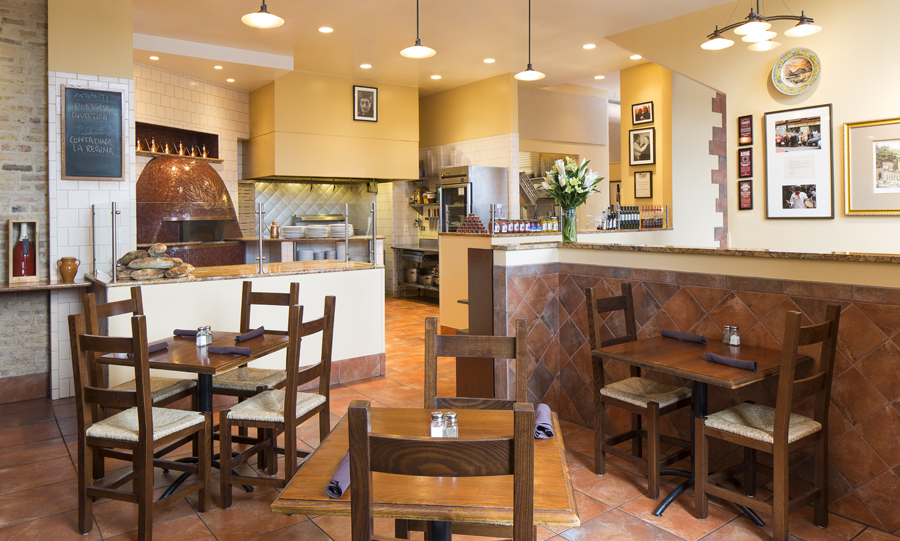
Spacca Napoli
€€€€ · 3,658 reviews
Pizza Lovers say: "Outstanding Neapolitan pizza with fresh flavors and quality ingredients, especially the Margherita and Pistachio Pesto. Reservations are recommended for evenings."
Coda di Volpe in Lakeview is the answer to the question of whether Chicago does VPN-style 60-second pies as seriously as it does pan pizza. The wood oven runs at the right temperature, the dough has the right hydration, and the room is built for a long Italian dinner rather than a slice grab. A defense exhibit for any visitor who arrives convinced this is a one-style town.
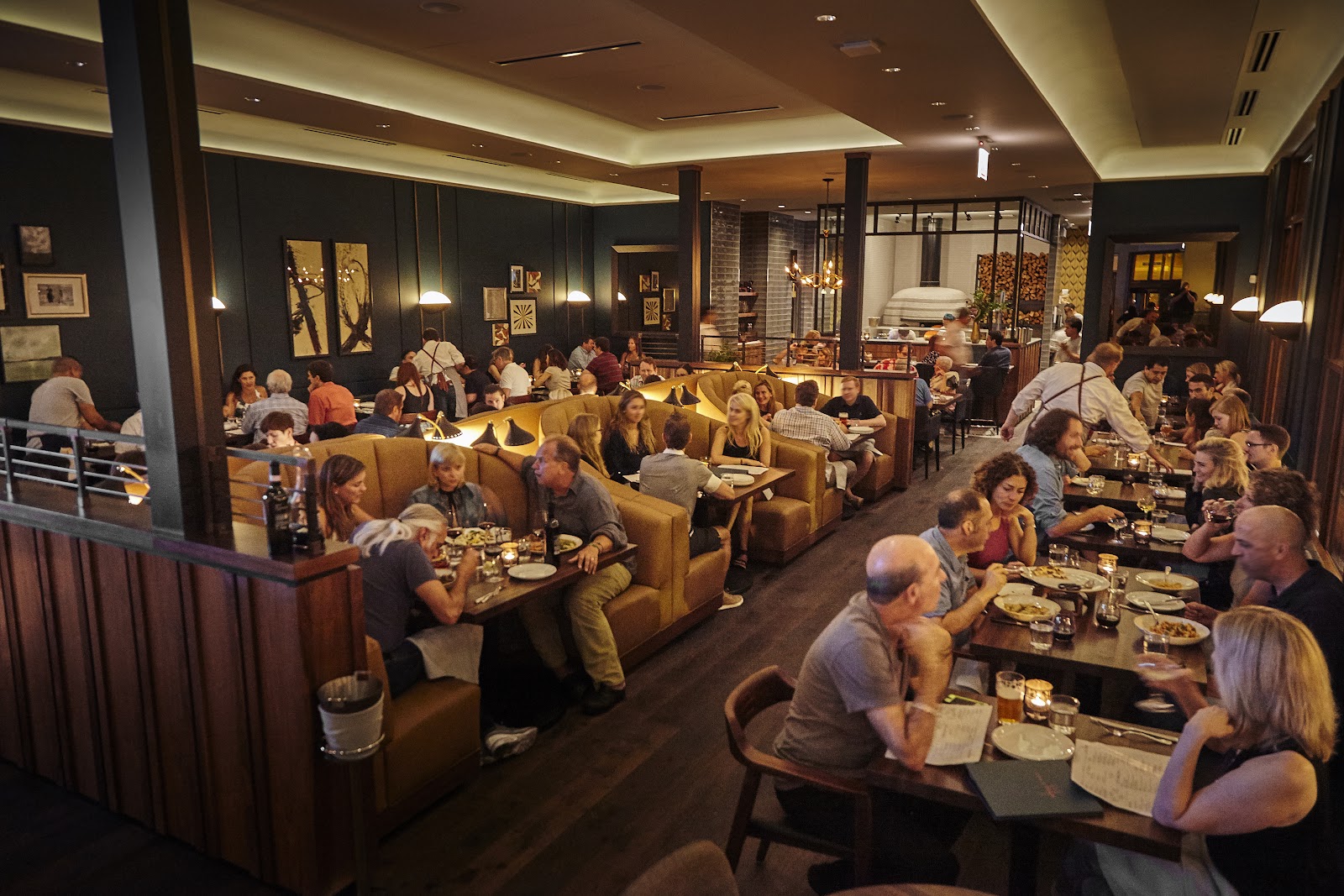
Coda di Volpe
€€€€ · 2,005 reviews
Pizza Lovers say: "The focaccia with ricotta and margherita pizza with sausage are highlights. The gluten-free focaccia pizza was enjoyed. Service was attentive, though sometimes drinks sat empty."
Forno Rosso brought Nick Nitti's VPN-certified Neapolitan to Harlem Avenue first and then moved a wood oven onto Restaurant Row on Randolph Street. The Randolph location is the easier add-on to a downtown stay. The Margherita DOP is the order, and the Diavola earns its name with a real Calabrian chili kick.
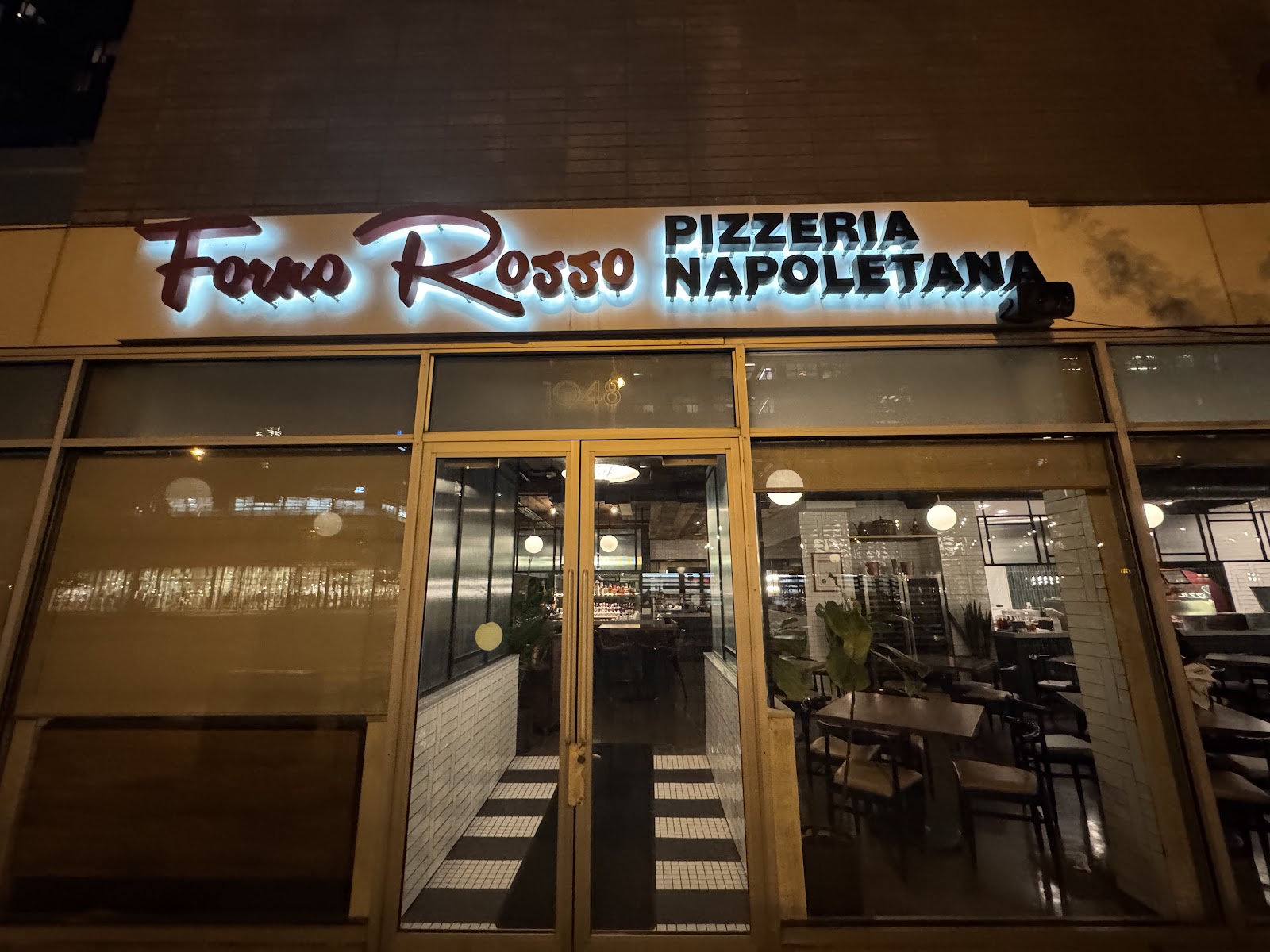
Forno Rosso (Randolph St.)
€€€€ · 1,966 reviews
Pizza Lovers say: "Authentic wood-fired dough, fresh ingredients, and excellent wine selection. Some pizzas can be a bit wet or dry, and vegetarian options are limited."
Paulie Gee's Logan Square is the Brooklyn offshoot that argues you can move a wood-fired pizza style across state lines without watering it down. The Hellboy with soppressata, mozzarella, parmigiano, tomato, and a finishing drizzle of Mike's Hot Honey is the move that built the original's reputation in Greenpoint, and the Logan Square room runs it the same way. It is the closest Chicago gets to a New York slice argument in a wood oven. If you want a deep dive into how other American cities approach pizza, check out our guide to Brooklyn's legendary pizza scene.
How this list was put together
We ranked these spots on what people who came for the pizza actually said about the pizza. Long lines and high star counts get distorted by tour buses and parking complaints, so we weighted those down. A short room with a regular crowd and a pizzaiolo whose name we can spell beats a forty-table tourist factory every time. Eat one deep dish, one tavern thin, one wood-fired. Then come back and argue about the order.