
Discover the best pizza in Florence
Pizzerias in Florence on the map
Explore the mapBrowse pizza styles in Florence
From Neapolitan to Roman al taglio


The Best Pizzerias in Florence
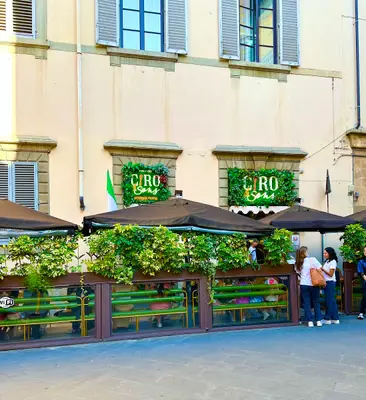
Ciro & Sons
Florence, Italy
Fuoco Matto
Florence, Italy
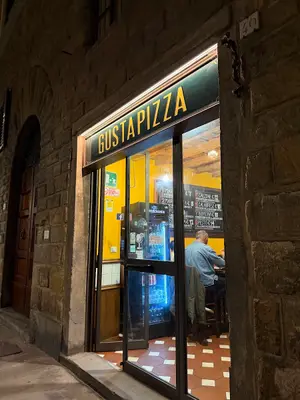
Gusta Pizza
Florence, Italy
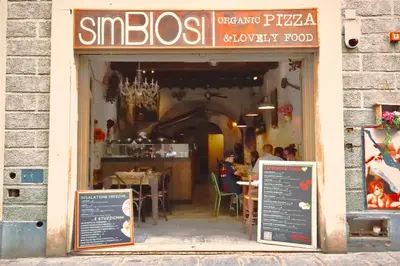
SimBiosi Organic Pizza
Florence, Italy
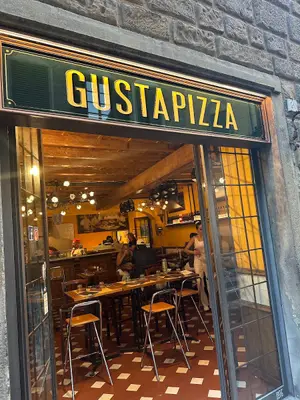
Gustapizza
Florence, Italy
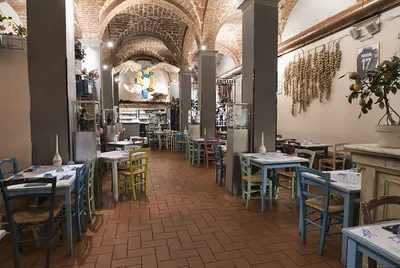
'O Munaciello
Florence, Italy
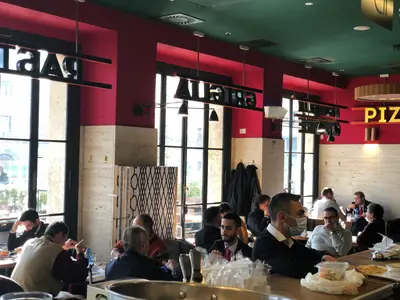
Fratelli Cuore
Florence, Italy
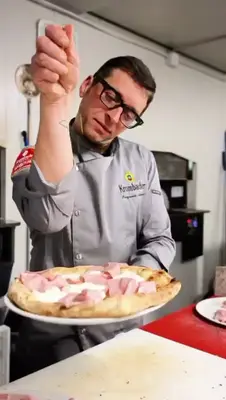
Il Vecchio e il Mare
Florence, Italy
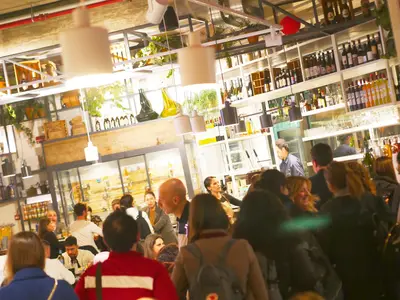
Dispensa Verace
Florence, Italy
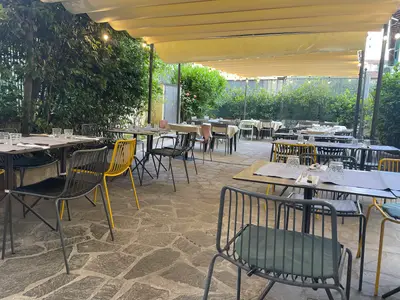
Cucina Conviviale
Florence, Italy
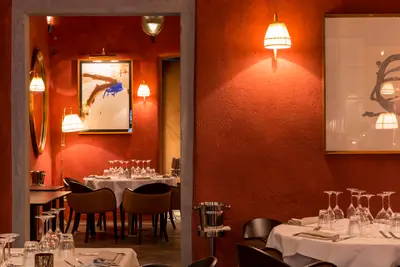
Cucina Torcicoda
Florence, Italy
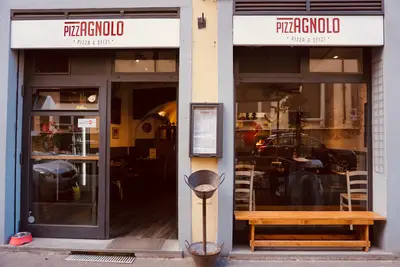
Pizzagnolo
Florence, Italy
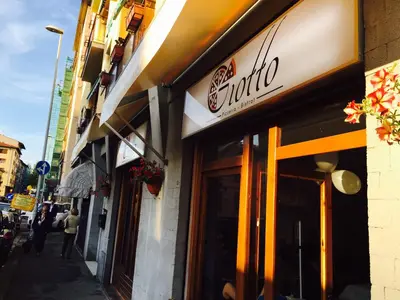
Giotto Pizzeria Bistrot
Florence, Italy
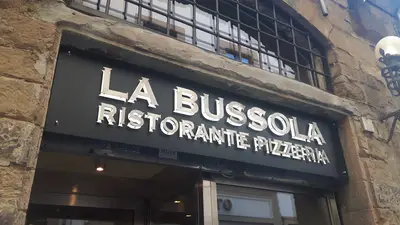
La Bussola Firenze
Florence, Italy
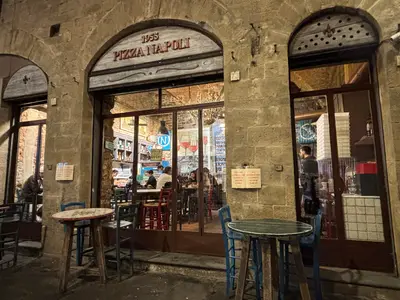
Pizza Napoli 1955
Florence, Italy
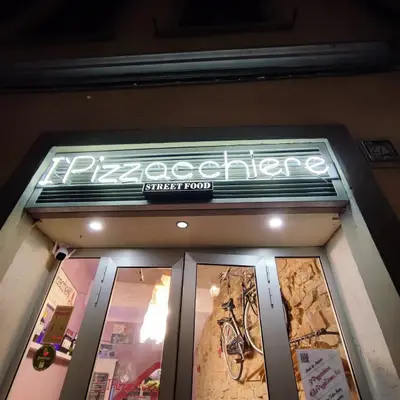
I' Pizzacchiere
Florence, Italy
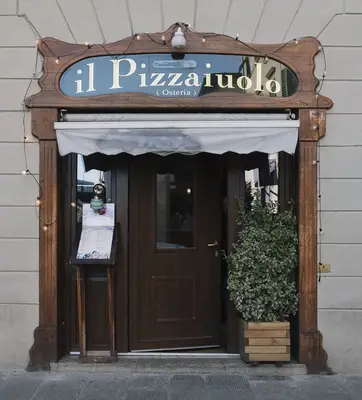
Il Pizzaiuolo
Florence, Italy
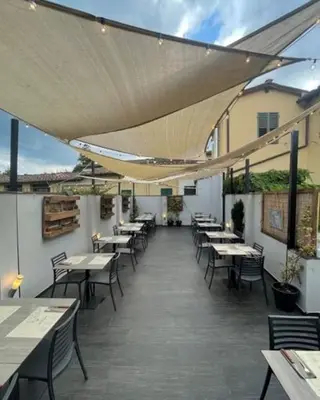
Pizzeria Giovanni Santarpia
Florence, Italy
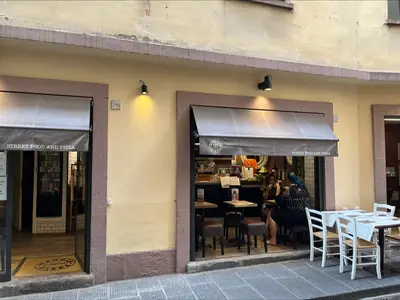
Mangia Pizza Firenze
Florence, Italy
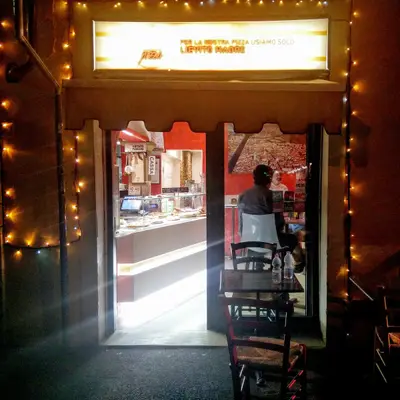
La Divina Pizza
Florence, Italy
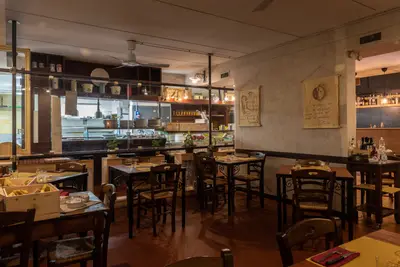
Lo Spela – Naturalmente Pizza
Florence, Italy
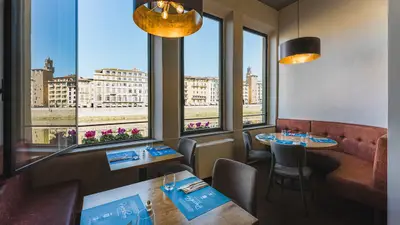
Il Pacchero
Florence, Italy
Cheapest Pizzerias in Florence
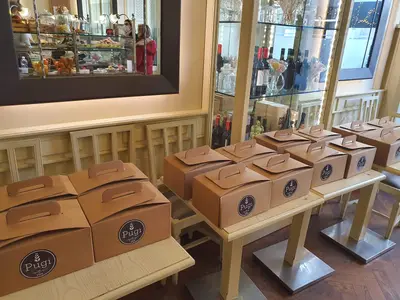
Pugi fornobistrot
Florence, Italy
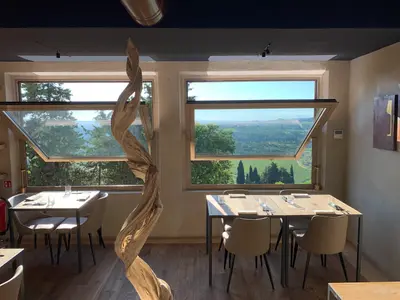
Picò
Florence, Italy
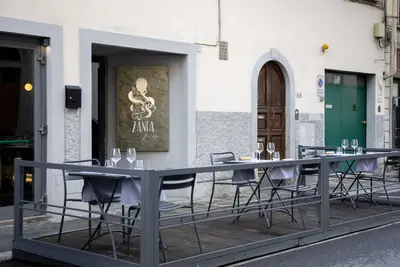
Zanfa Bros
Florence, Italy
Cipriano Pizzeria
Florence, Italy
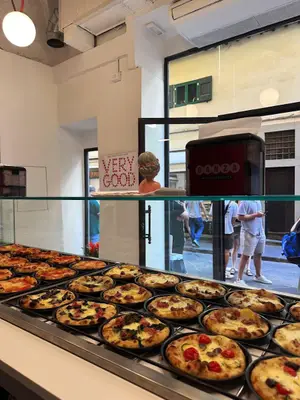
Ganza Mai Abbastanza
Florence, Italy
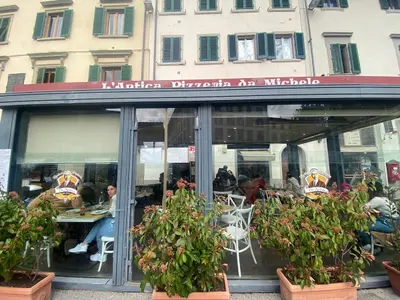
L'Antica Pizzeria da Michele
Florence, Italy
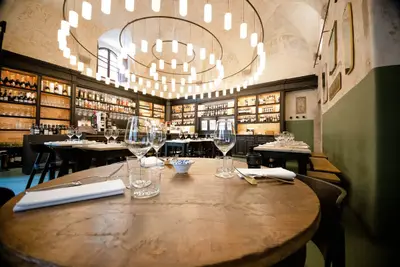
Osteria del Caffe Italiano
Florence, Italy
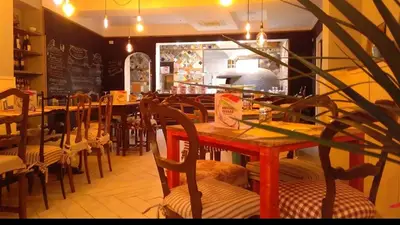
Piccolo Cesare
Florence, Italy
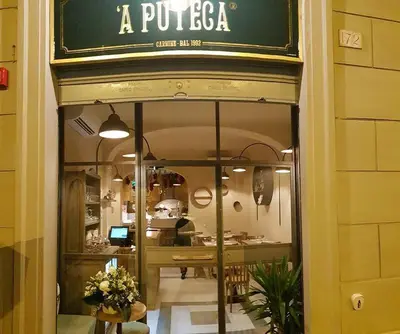
‘A Puteca
Florence, Italy
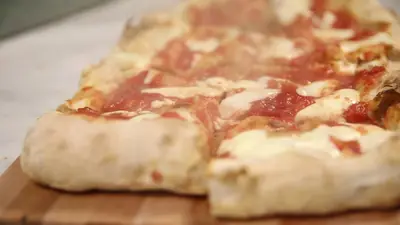
3dddì
Florence, Italy
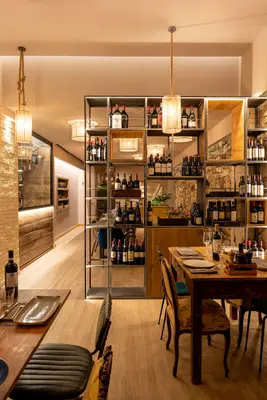
Mano d’Opera
Florence, Italy
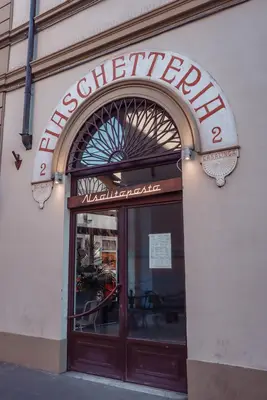
Al Solito Posto
Florence, Italy
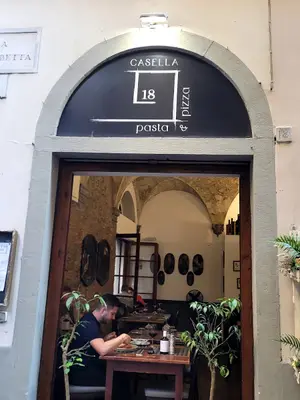
Casella 18
Florence, Italy
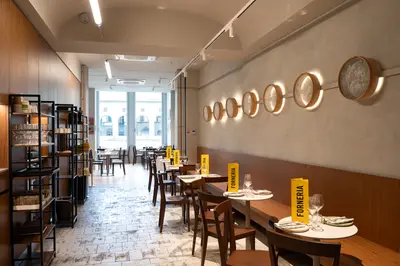
Forneria Firenze
Florence, Italy
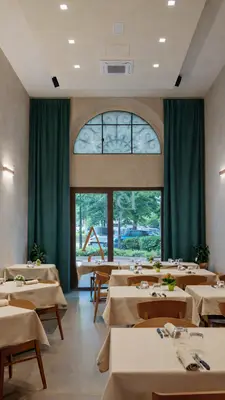
Bellagrò
Florence, Italy
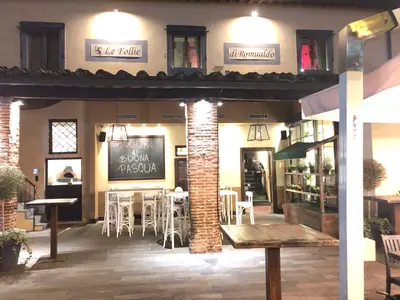
La Pizza – Romualdo Rizzuti
Florence, Italy
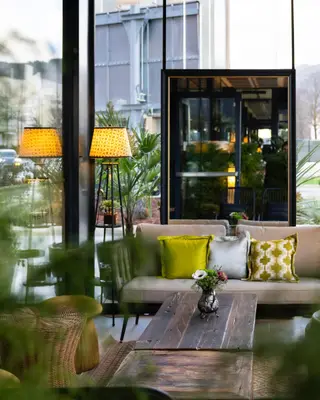
Tiratissima
Florence, Italy

Elementi – Cocktail & Pizza (Mugello)
Florence, Italy
Hortus Firenze
Florence, Italy
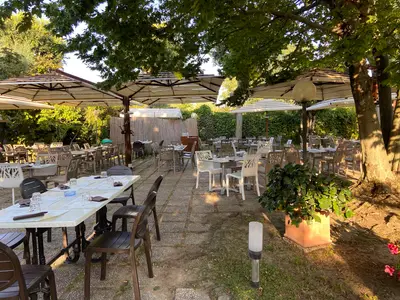
Orto del cigno
Florence, Italy
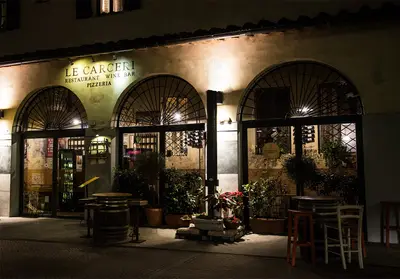
Le Carceri
Florence, Italy
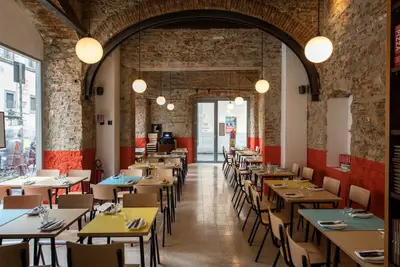
Berbere Firenze Santa Croce
Florence, Italy
Pizza near Florence landmarks
Start with the sight you are visiting, then find the strongest nearby pizza without crossing the whole city.
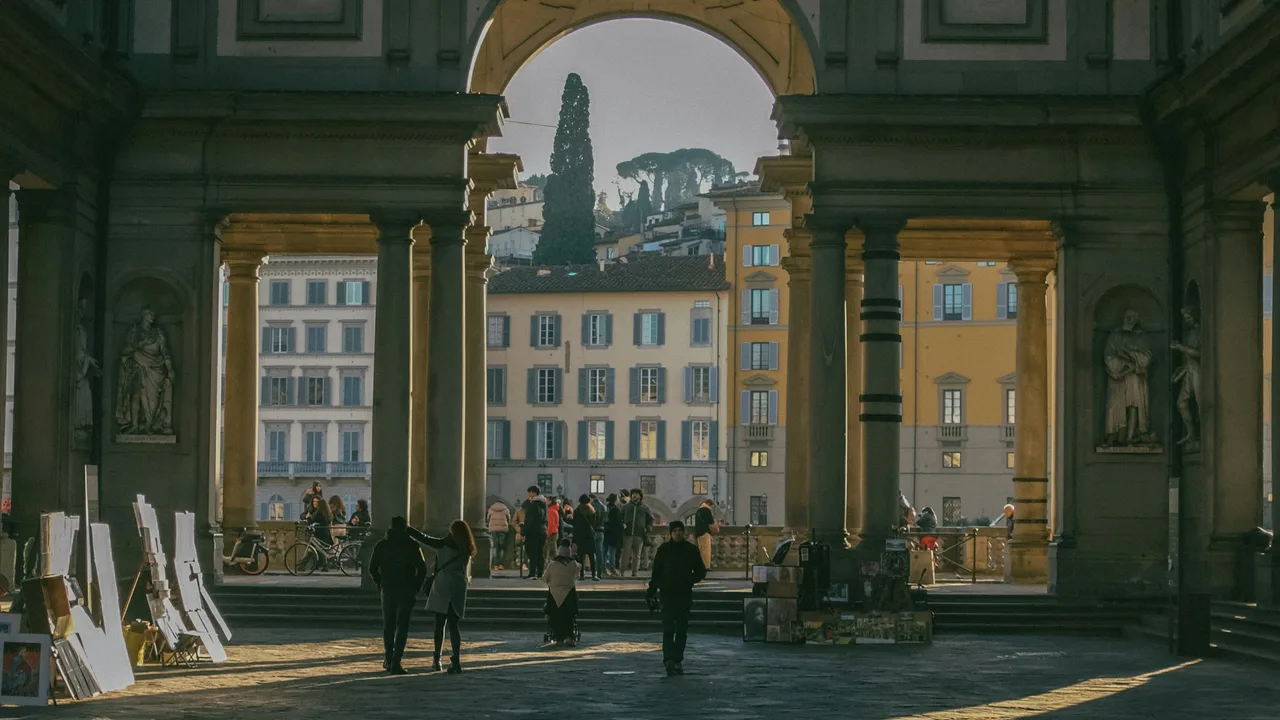
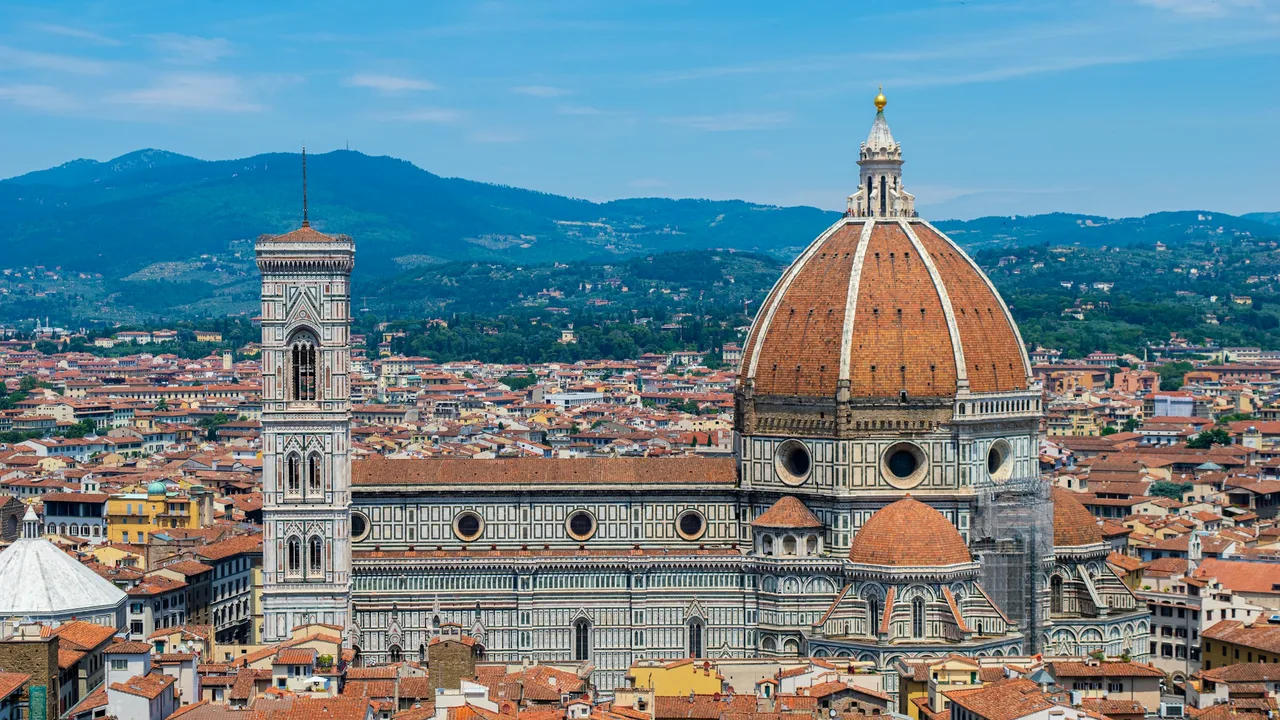
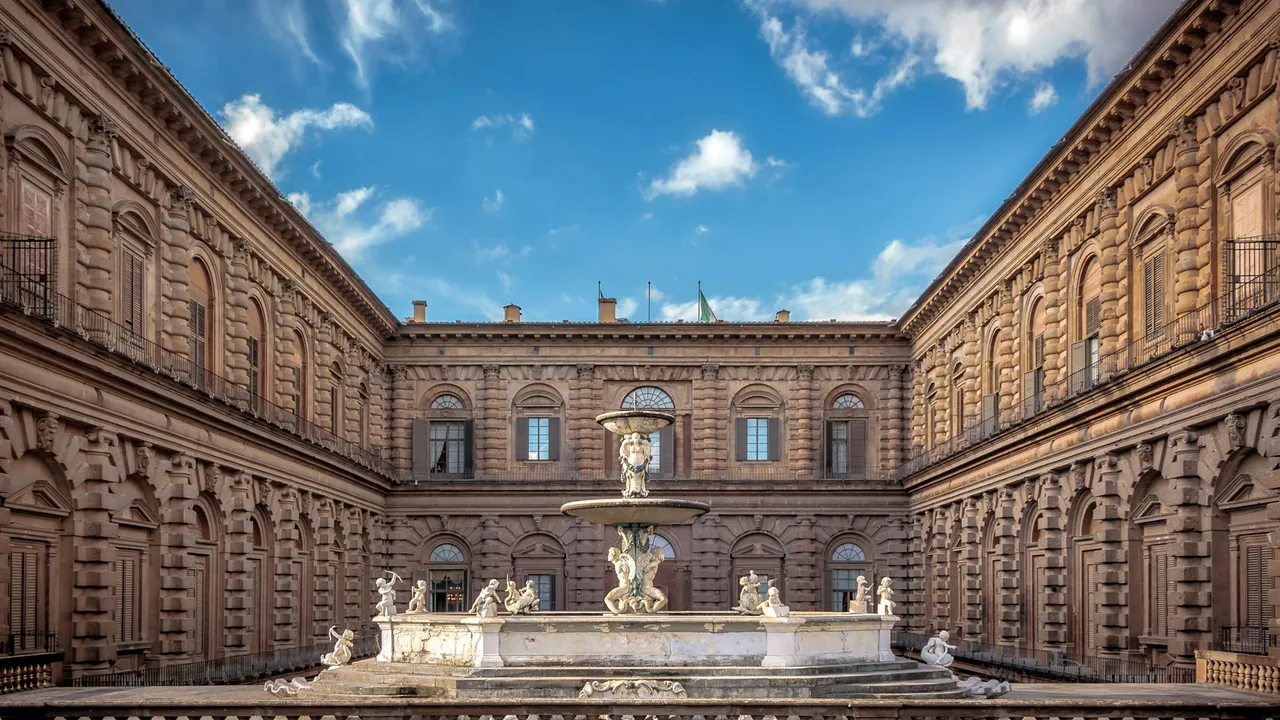
Few cities in Italy carry the weight of artistic perfection the way Florence does, and that pressure extends to the dinner table. Italy's Renaissance capital was not the birthplace of pizza, but Florentines absorbed the craft from the south with the same exacting eye they brought to marble and fresco. Today the city holds its own on any national pizza ranking, with a cluster of pizzaioli who trained in Naples and then made Florence their permanent stage.
The dominant style here is Neapolitan: dough hand-stretched from a high-hydration mix, dressed and slid into a wood-fired oven at around 450 to 485°C, out in 60 to 90 seconds with a charred, airy cornicione and a soft, moist center. Several kitchens ferment their dough for 48 to 72 hours, a long cold-rise that improves both structure and digestibility. The result is lighter than it looks and collapses into the classic Neapolitan fold without cracking.
Alongside the classic tradition, a contemporanea wave has taken root, led by pizzaioli like Giovanni Santarpia, whose kitchen on Via Senese earned placement in the 50 Top Pizza world rankings and three Gambero Rosso spicchi. Think the same wood-oven base as Neapolitan, but with seasonal Tuscan produce, unconventional topping combinations, and a tighter focus on dough research. A handful of spots offer pizza al taglio sold by weight, a format that arrived from Rome. A few kitchens also work in pizza alla pala, the long oval variant baked on a paddle and cut to order.
The densest pizza corridors run through four neighborhoods. Oltrarno and its western pocket San Frediano, south of the Arno, hold the highest concentration of independent pizzerias and draw a mostly local crowd. Santa Croce mixes neighborhood regulars with visitors who spill out from the basilica and the Sant'Ambrogio market a few blocks east. The Centro Storico around Via del Giglio and the streets behind the Duomo has long-running family places with serious Neapolitan pedigree, though the same block also shelters the laminated-menu tourist traps that charge 18 euros for a forgettable pie.
Booking matters at the top spots, particularly Thursday through Saturday evenings. Many serious kitchens cap covers and fill their reservation books days in advance; walk-ins at peak hours usually face a genuine wait. The practical move is to reserve 48 hours out or aim for an early seating around 19:00 before the room fills. The 45 pizzerias on our Florence map are ranked by what people who came for the pizza actually thought, not by the longest line.
Pizza guides for Florence
All articles
FAQs about Florence
What pizza style is Florence known for?
Neapolitan is the dominant style: hand-stretched dough, wood-fired oven at 450 to 485°C, out in 60 to 90 seconds with a soft center and charred, airy crust. A growing number of kitchens also practice Neapolitan Contemporanea, keeping the same base technique while pushing seasonal ingredients and longer fermentation times.
Where is the most-reviewed pizzeria in Florence?
Ciro & Sons has more Google reviews than any other pizzeria on our map. It is a family operation with Neapolitan roots, a wood-burning oven, and a long track record in the Centro Storico. High review volume reflects consistent turnover, not a guarantee of a personal favorite.
Do I need to book a pizzeria in Florence?
At the serious spots, yes. The top kitchens fill their Thursday-through-Saturday seatings days in advance, and walk-ins at 20:00 on a Friday usually wait. Book 48 hours out or go early, around 19:00, before the room turns over.
Is Florence pizza the same as Naples pizza?
The technique comes directly from Naples, and many of Florence's best pizzaioli trained there or grew up in Campania. The main difference is that Florentine kitchens are more likely to incorporate local Tuscan ingredients and longer cold-rise fermentation schedules, which produces a slightly lighter, more complex cornicione.
Where do locals eat pizza in Florence?
Oltrarno and San Frediano, the neighborhoods south of the Arno, have the highest density of independent spots that cater to a local crowd rather than tour groups. Sant'Ambrogio, near the market of the same name, is another reliable area where the clientele tends to be neighborhood residents rather than day-trippers.
Where can I find pizza near the Duomo?
A few long-running pizzerias operate within a short walk of the Duomo and the Santa Maria Novella station, including family kitchens with real Neapolitan ovens. The same streets also have tourist-facing spots with laminated menus and inflated prices, so it pays to look at the actual review count before sitting down. See our detailed walking guide to the best pizza near the Duomo for specific recommendations and times.
Where can I get pizza al taglio or pizza by the slice in Florence?
Pizza al taglio, sold by weight and cut from large rectangular trays, is less common in Florence than in Rome, but several spots around the Centro Storico and near the markets offer it. Expect to pay roughly 2 to 3 euros per generous slice, with toppings that rotate daily.
How much does a pizza cost in Florence?
A whole round pizza at a sit-down pizzeria runs from about 8 to 15 euros for classics, up to 18 to 22 euros at the contemporanea kitchens using premium seasonal ingredients. Pizza al taglio by the slice is roughly 2 to 3 euros. Prices near major tourist attractions tend to run 20 to 30 percent higher than the same quality elsewhere in the city. Counter spots one block off the Duomo square tend to stay at the lower end of this range.
What is the difference between Neapolitan Contemporanea and classic Neapolitan in Florence?
Classic Neapolitan sticks to a short list of recognized toppings, a standard cornicione, and a strict oven temperature protocol. Neapolitan Contemporanea keeps the same wood-fired technique and soft base but treats the pizza as a platform for seasonal or regional ingredients, often paired with extended 48 to 72 hour fermentation to build more flavor in the dough itself.
Which Florence neighborhood has the most pizzerias?
Oltrarno, the district south of the Arno stretching from Ponte Vecchio to San Frediano, has the densest cluster of independent pizzerias. Santa Croce and the streets around the Sant'Ambrogio market are close behind, with a mix of long-established family spots and newer kitchens.