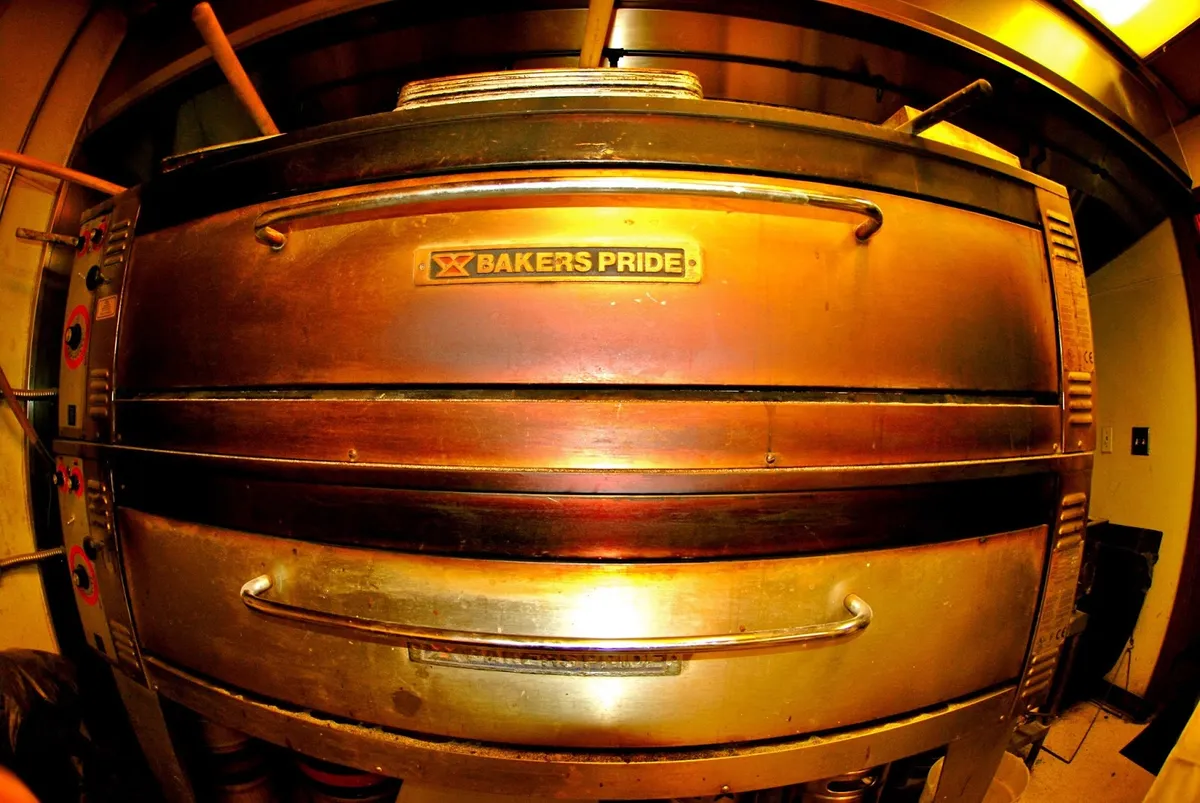
Portland is one of the most serious pizza cities in America and almost nobody outside the West Coast knows it. The scene in Portland runs on natural-leaven dough, Pacific Northwest farm produce, and a roster of pizzaioli who trained abroad and came home to a room they could run on their own terms. The city does not chase Naples. It chases whatever the dough and the season are doing that week.
The inflection point is easy to name. In 2005, Brian Spangler opened Apizza Scholls on Hawthorne with a long-fermented dough, a wood oven, and a rule of three toppings per pie. Every serious room that opened after it borrowed something from that template, even if it landed on a slice line or a New Haven coal-feel pie instead.
Best of Portland: The Top Spots
| Rank | Spot | Style | Why |
|---|---|---|---|
| 1 | Apizza Scholls | Apizza | Hawthorne; The reference point. Long ferments, wood oven, three toppings max. Opened 2005, never changed. |
| 2 | Lovely's Fifty Fifty | Neapolitan | Mississippi; James Beard semifinalist. Menu changes daily based on Oregon harvests. Minimal intervention. |
| 3 | Meta Pizza | NY-Style | Division; Lighter crust than Scholls, deeper into PNW ingredients. Naturally leavened, seasonal toppings. |
| 4 | Gracie’s Apizza | Apizza | Northeast; Bart Bell's coal-feel char on long ferments. Started as pop-up, now permanent. |
| 5 | Scottie's Pizza Parlor | NY-Style | Northeast; Serious slice program with local flour and long ferments. White slice with garlic and ricotta. |
| 6 | Nostrana | Neapolitan | Buckman; Cathy Whims runs an Italian kitchen. Restrained, well-sauced, built for sit-down dining with wine. |
What makes Portland pizza different?
Two things, mostly. First, the dough. The city skews heavily toward wild-yeast ferments running 24 to 72 hours, with house-milled and regional flour from Camas Country Mill and Bob's Red Mill showing up on bench after bench. Second, the produce. Oregon farms supply chanterelles, padron peppers, stone fruit, and brassicas that land on pies within a day of harvest. The result is a city that does seasonal pizza without it feeling like a stunt.
The other thing worth saying out loud: the Portland scene is not one style. The local crowd argues about NY-Style slices, New Haven apizza, Detroit pan, and wood-fired round pies in the same breath, and the rooms doing each of those things are run by pizzaioli who know what they are doing.
The wood-fired and natural-leaven flagships
Apizza Scholls is the reference. Brian Spangler's room on Hawthorne opened in 2005 and has not changed the formula since: long ferments, a wood oven that runs hot, three toppings maximum, and a crust with audible structure. If you have not eaten here, you have not yet started the Portland conversation.
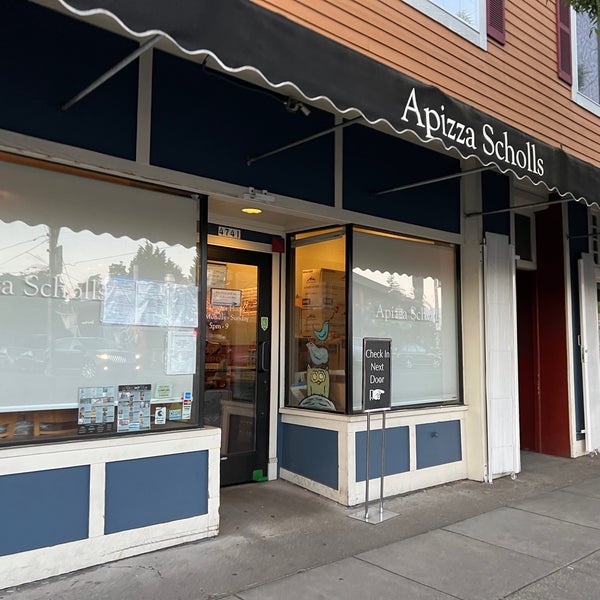
Apizza Scholls
€€€€ · 2,606 reviews
Pizza Lovers say: "Great pizza, amazing dough, and delicious house salad. The wait can be long, but it's worth it."
Sarah Minnick at Lovely's Fifty Fifty on Mississippi Avenue runs the most farm-driven pizza program in the city. The menu changes weekly, sometimes nightly, based on whatever Oregon growers drop off that morning. Minnick is a James Beard semifinalist and the pies read like a market list: padron and feta one week, chanterelle and pecorino the next. The dough is naturally leavened and it carries the toppings without arguing with them.
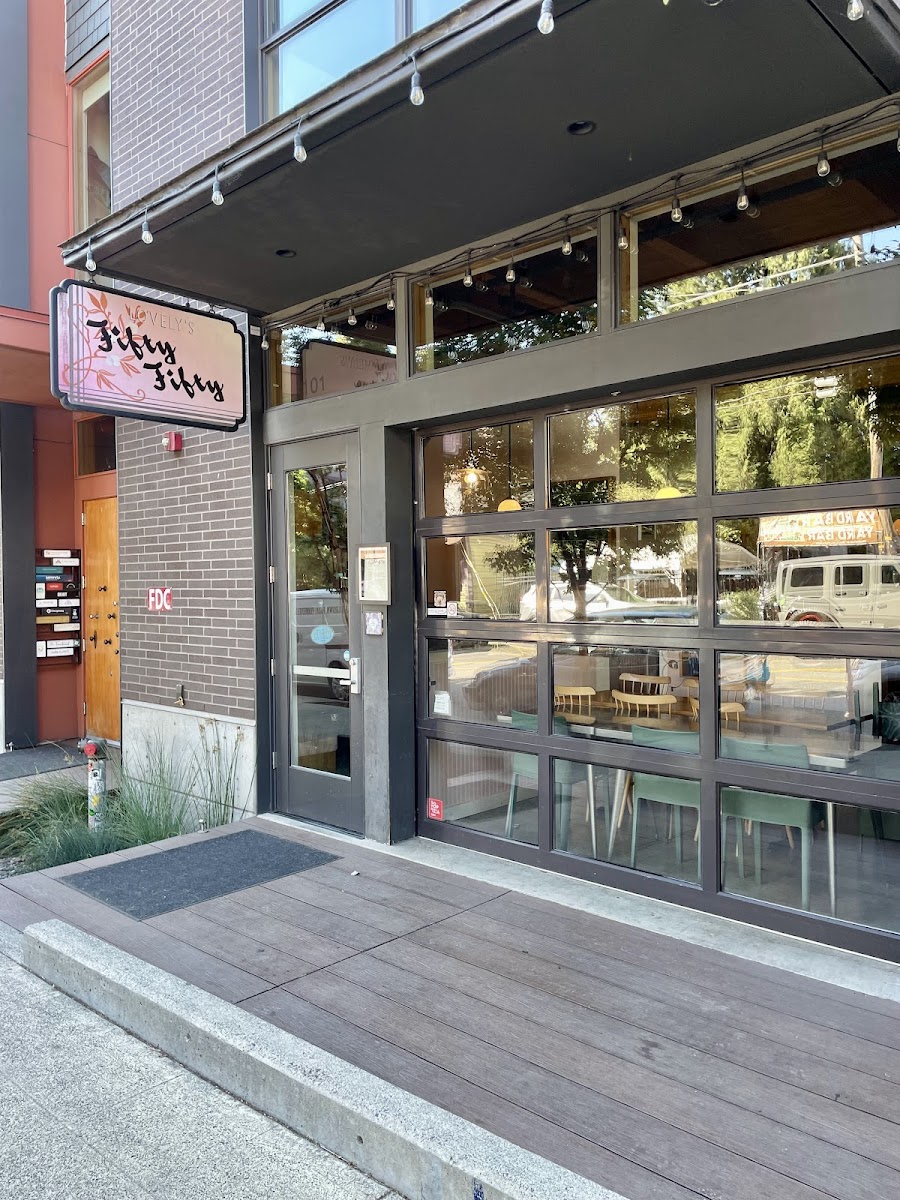
Lovely's Fifty Fifty
€€€€ · 1,781 reviews
Pizza Lovers say: "Praise for light, crispy crust, golden potato pizza, and homemade ice cream. Some wish for more protein options."
Nostrana in Buckman opened the same year as Apizza Scholls. Cathy Whims runs an Italian classical kitchen with a wood oven, and the Nostrana salad of grilled radicchio with Caesar dressing was famous in town before the pizza was. The pies are restrained, well-sauced, and built for a sit-down room with a wine list.
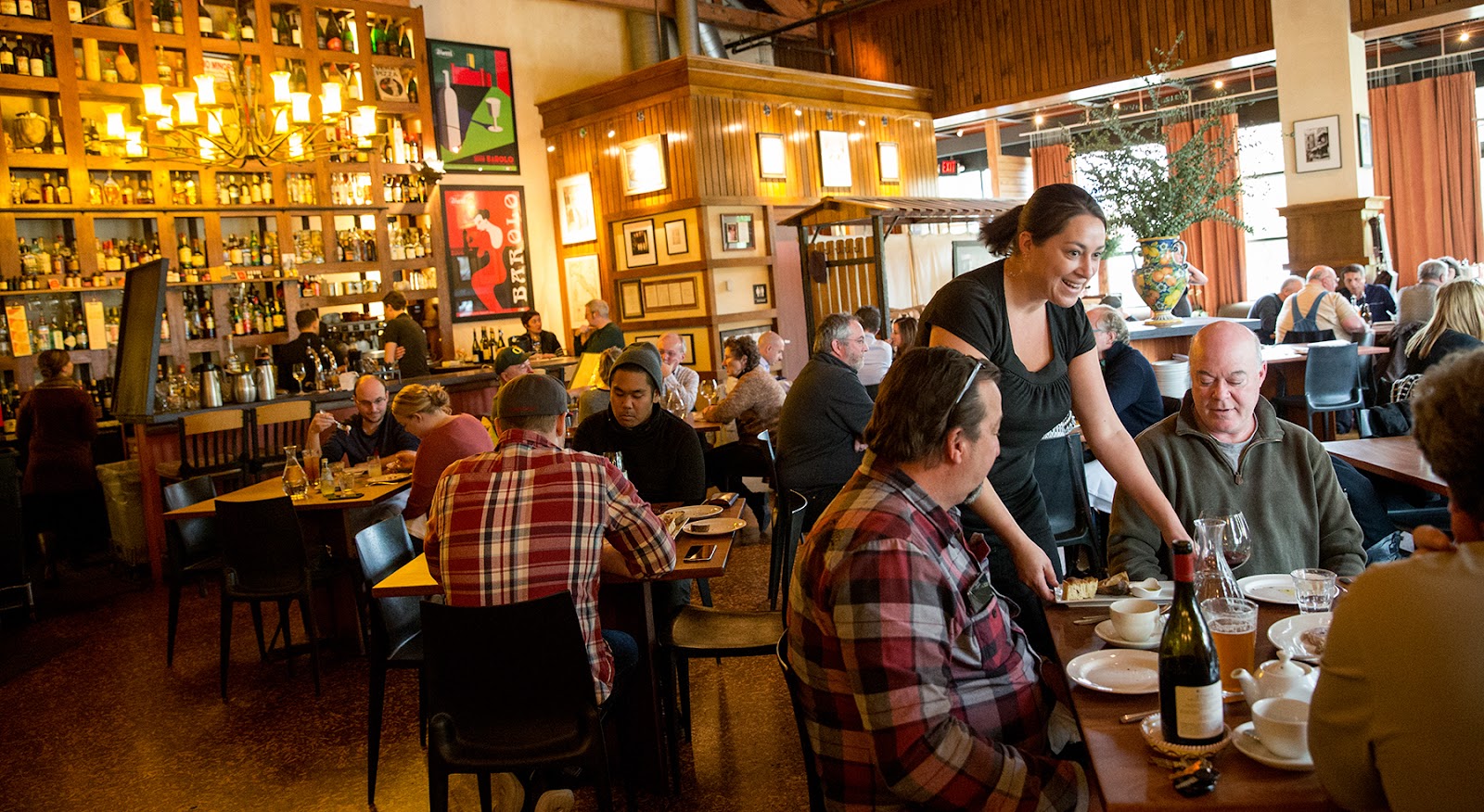
Nostrana
€€€€ · 2,554 reviews
Pizza Lovers say: "Praised for incredible pizza, pillowy gnocchi, and perfect nocino dessert. Some found their pizza good but not exceptional compared to other local options."
Meta Pizza is the contemporary read on the wood-oven format. Naturally leavened dough, seasonal toppings, a small dining room that fills up fast. The crust runs lighter than Scholls and the toppings go further into Pacific Northwest territory.
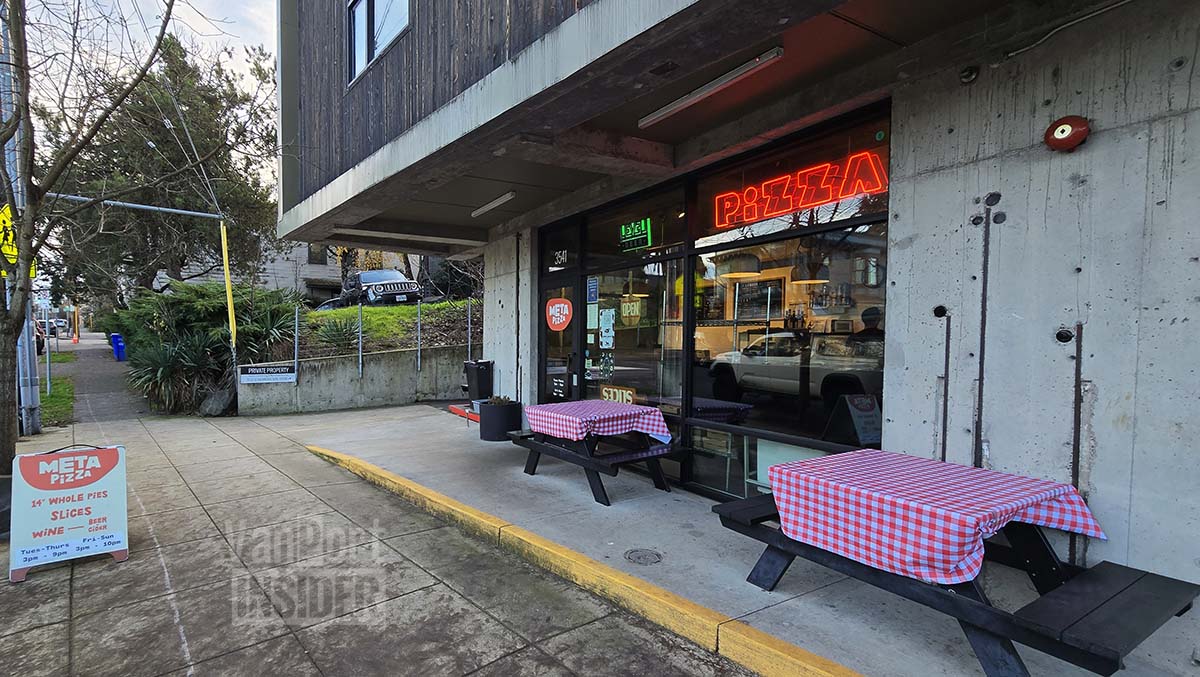
Meta Pizza
€€€€ · 410 reviews
Pizza Lovers say: "The pepperoni pizza cups, vegan pesto, and lamb white sauce are amazing. Service is quick and friendly, though vegan cheese isn't always the best."
The Turning Peel is the kind of small wood-fired room you walk past three times before noticing. Round pies, a careful hand on the peel (the metal paddle the pizzaiolo turns the pie with), and a menu that does not try to do everything.
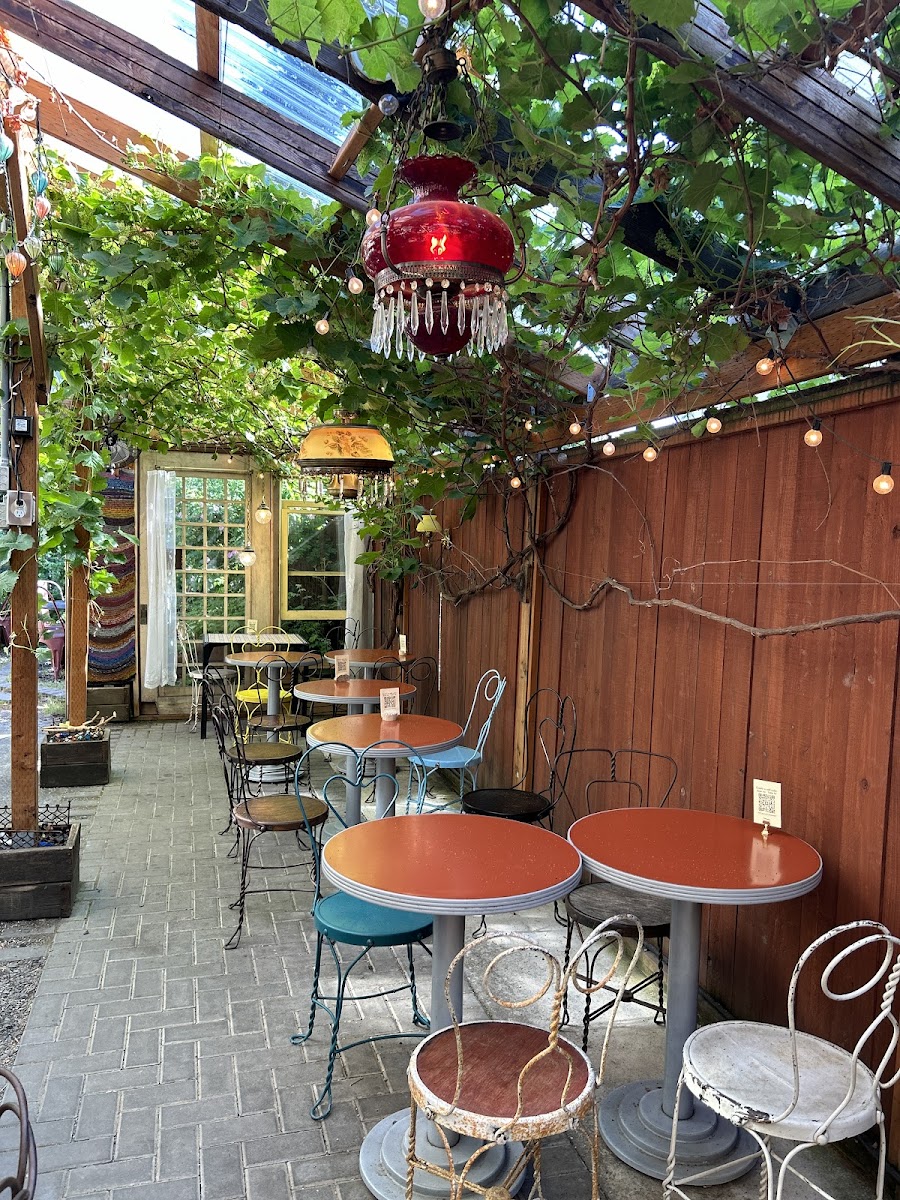
The Turning Peel
€€€€ · 1,015 reviews
Pizza Lovers say: "Sourdough crust, truffle mushroom pizza, and whipped ricotta dip are stars. Patio can be chilly."
Prettyboy Pizza is the youngest of the natural-leaven operations on this list. Pacific Northwest ingredients, wild-yeast dough, and a menu that reads like it was written by someone who eats a lot of pizza on their day off.
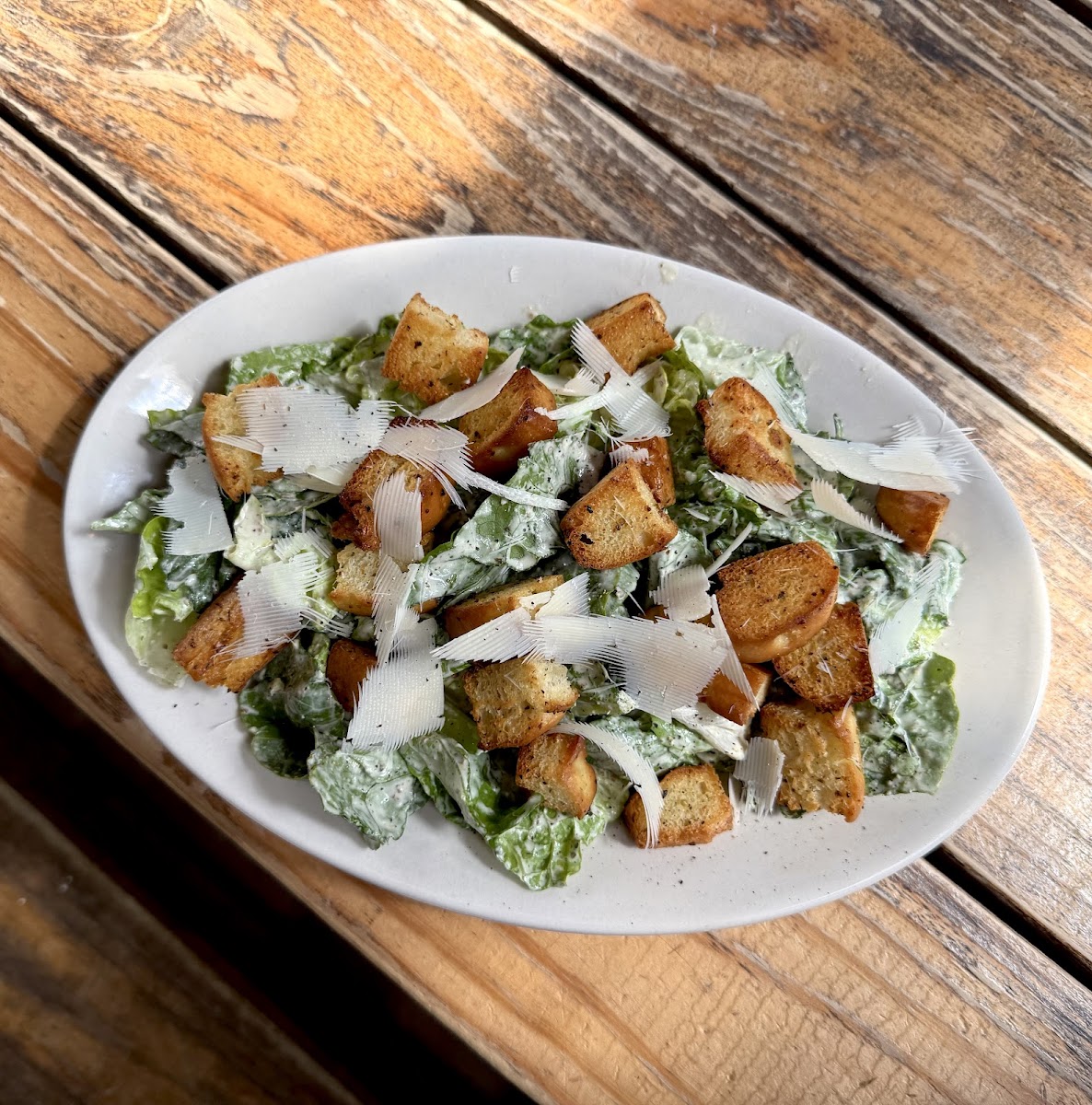
Prettyboy Pizza
€€€€ · 79 reviews
Pizza Lovers say: "Amazing dough, delicious trio & hot honey pep pizzas. Beers are average."
The New Haven apizza wing
Portland is one of the few cities west of Connecticut that takes New Haven apizza seriously. Char on the edges, oblong pies, a thin layer of sauce, and a white clam pie that reads as a direct reference to Frank Pepe's on Wooster Street.
Dimo's Apizza on Mississippi Avenue is the cleanest expression of the style in the city. Coal-feel char, oblong shape, the white clam pie ordered without thinking. The room is small and the wait is real, which is the correct experience for this kind of pizza.
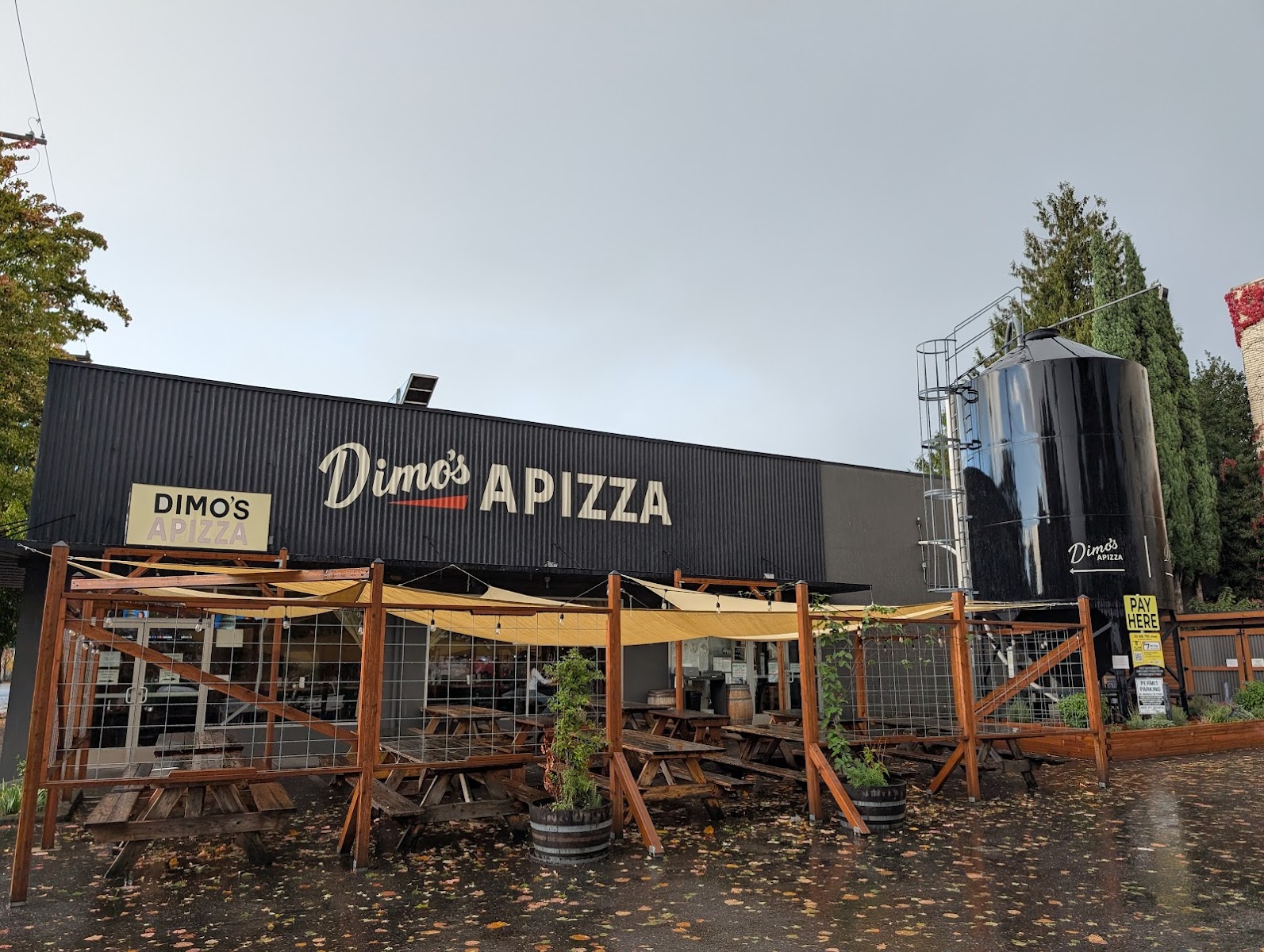
Dimo’s Apizza
€€€€ · 908 reviews
Pizza Lovers say: "Crispy crust and delicious Sicilian slices are highlights, though sandwiches are a bit pricey."
Gracie's Apizza is Bart Bell's operation. It started as a one-night-a-week pop-up that became a permanent room. Long ferments, a coal-feel finish, and a dough that holds the char without going brittle.
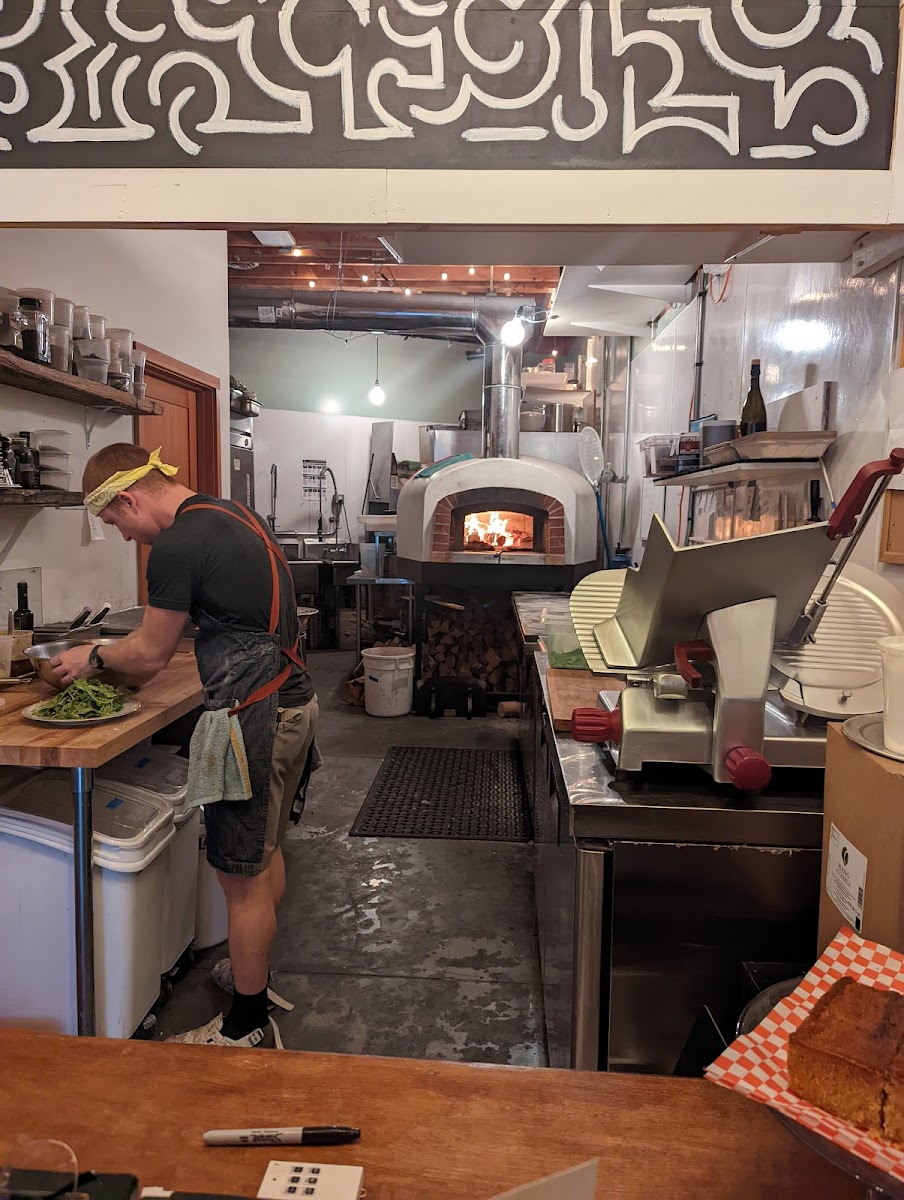
Gracie’s Apizza
€€€€ · 249 reviews
Pizza Lovers say: "Amazing sourdough pizza with great char and thin, crispy crust. Sundaes and salads are also highly praised. Service can be slow during peak hours."
The slice shops
Scottie's Pizza Parlor opened in 2014 when Scottie Rivera decided Portland needed a serious New York slice. The white slice with garlic and ricotta is the order. The bench flour is local, the ferment is long, and the slice folds the way it should.

Scottie's Pizza Parlor
€€€€ · 977 reviews
Pizza Lovers say: "Great crust, fantastic by-the-slice options, and good sauce. The shop is small, so don't expect to dine-in."
Baby Doll Pizza in Kerns is the late-night corner of the scene. Big foldable triangles, a red sauce that tastes like it was cooked down on purpose, and a room that stays open when the rest of the neighborhood has gone home.
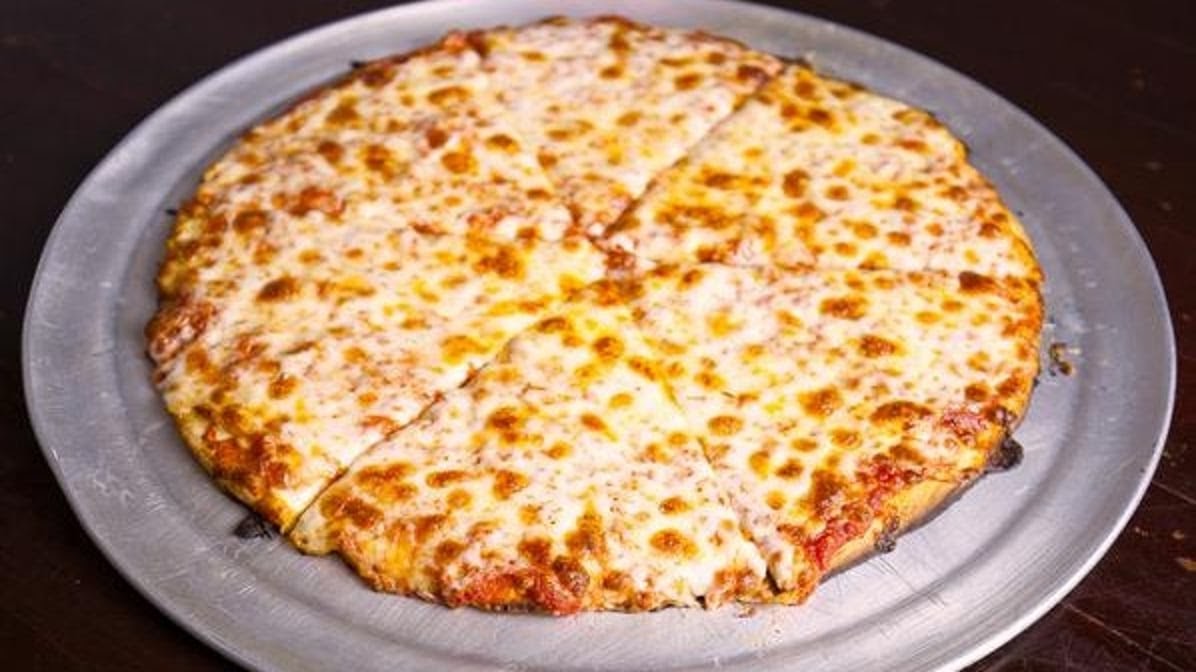
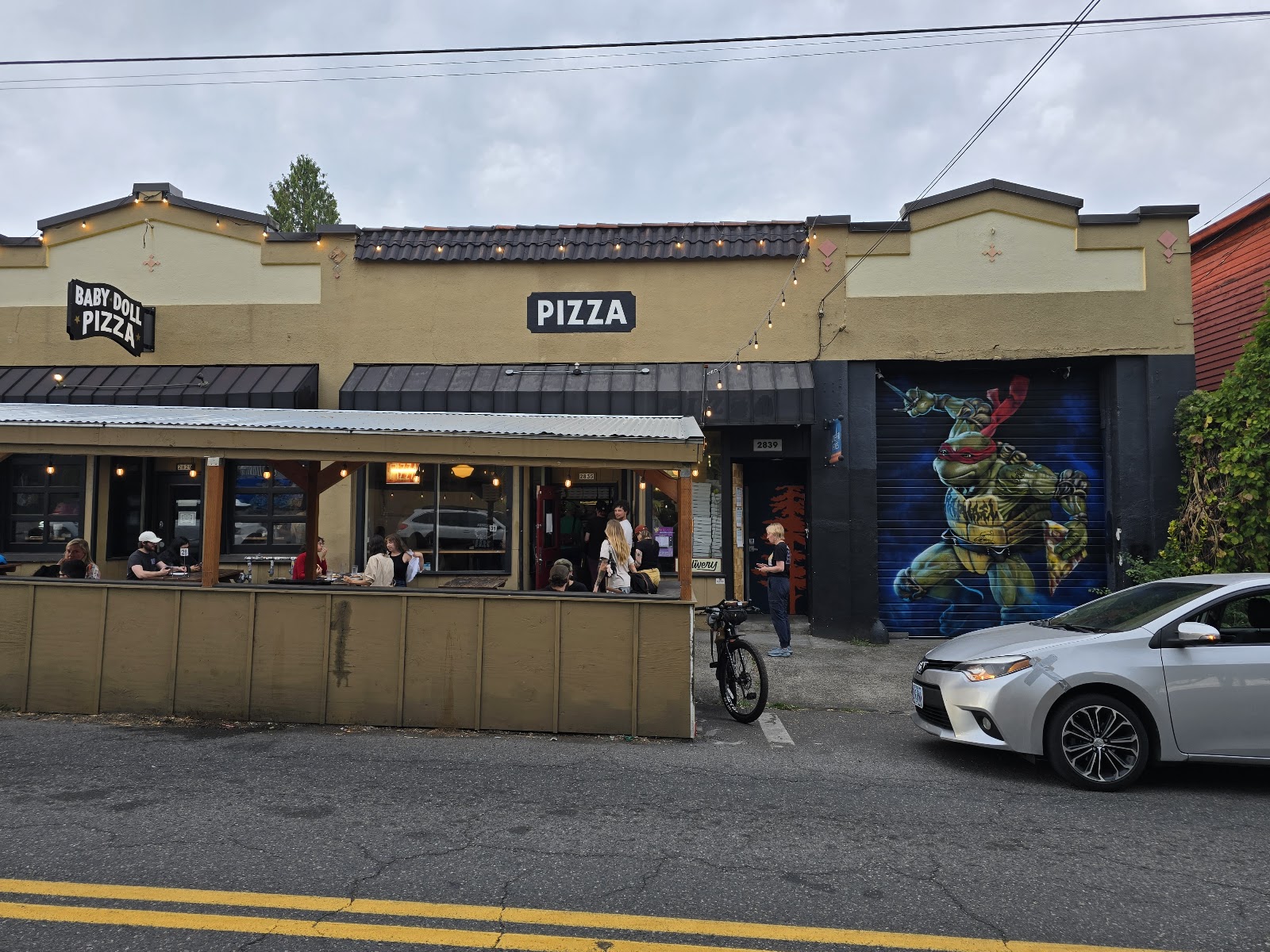
Baby Doll Pizza
€€€€ · 2,318 reviews
Pizza Lovers say: "Delicious NY-style pizza with crispy pepperoni and flavorful margherita. Some wish it were organic."
Red Sauce Pizza in Northeast Portland runs a New York slice on a Portland flour bench. The Sunday gravy slice with sausage and ricotta is the in-house special and the one to lead with.
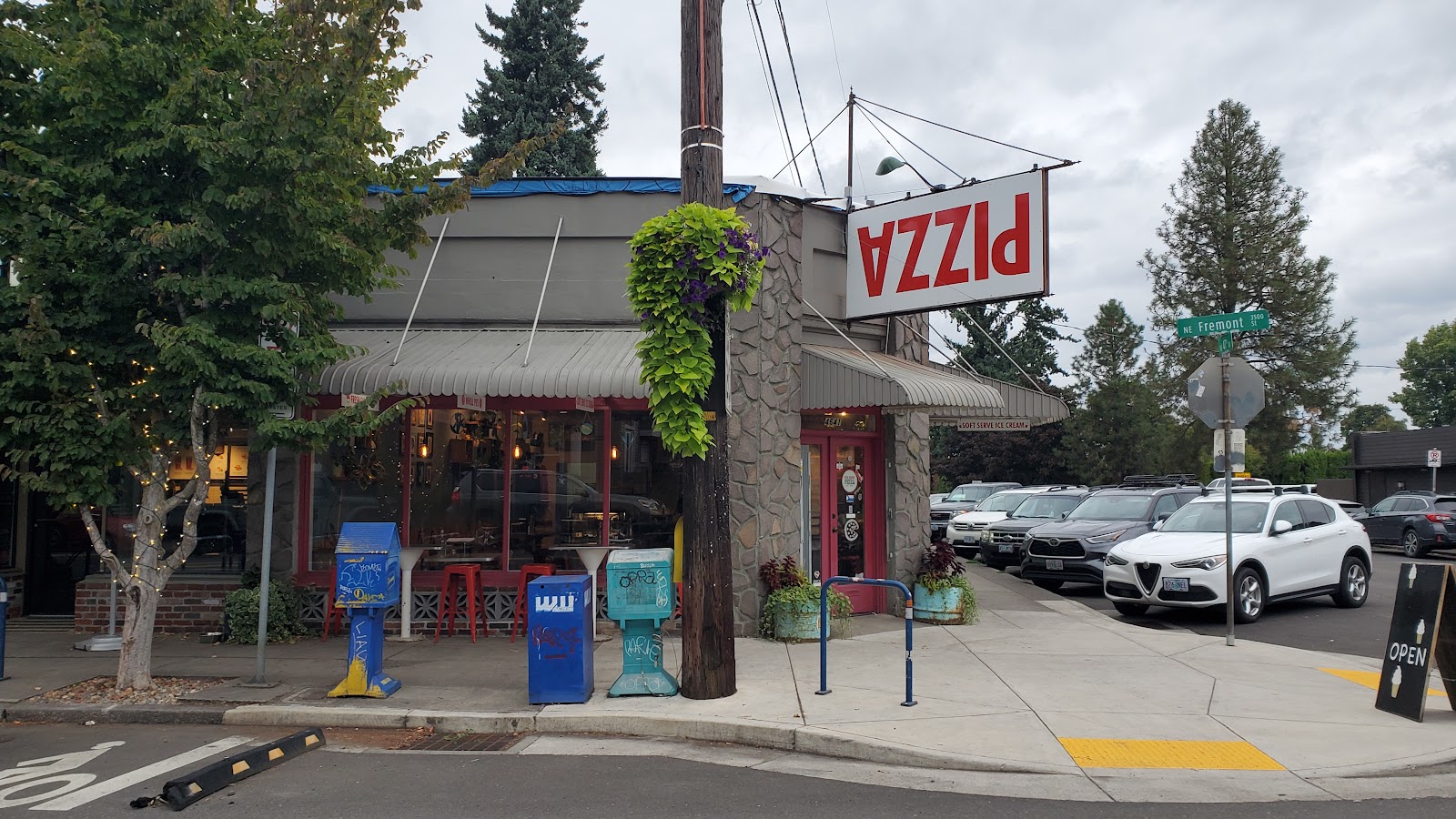
Red Sauce Pizza
€€€€ · 686 reviews
Pizza Lovers say: "The charred, bubbly crust and flavorful vegan ritual arts pizza are highlights. The house salad is refined, but wait times and automatic gratuity were noted."
The neighborhood rooms and the wild cards
East Glisan Pizza Lounge in Montavilla is the neighborhood room every city wants and most cities do not have. A wood oven, a long beer list, and a menu that reads New York by way of Portland. The crowd is locals and the pies are honest.
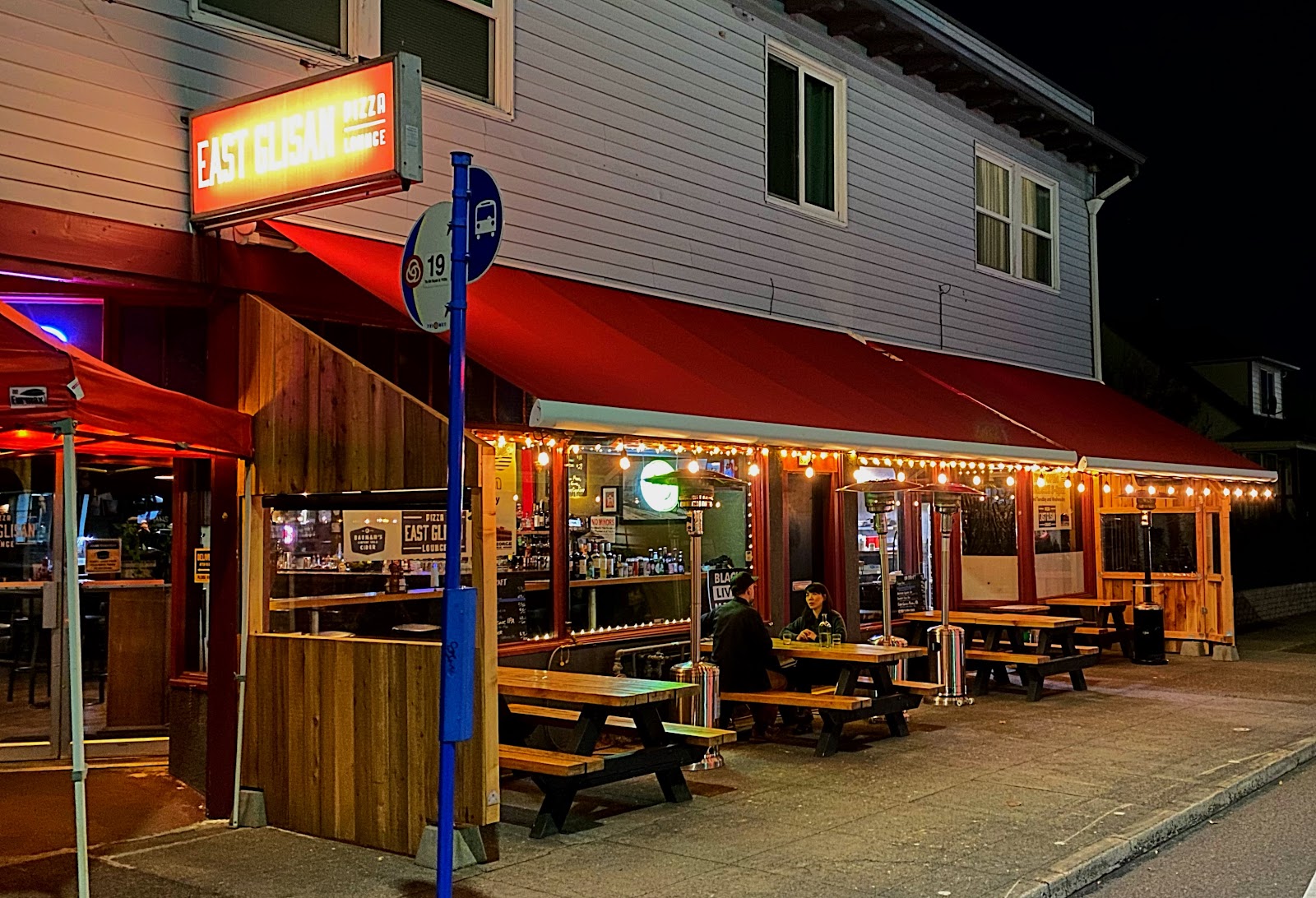
East Glisan Pizza Lounge
€€€€ · 1,177 reviews
Pizza Lovers say: "Fantastic service, knowledgeable staff, and a great vibe. Detroit-style pizza was decent, but tavern-style was excellent."
Lombardo's Pizzeria is the Detroit pan room. Crispy edges, the lacy frico cheese ring along the rim, sauce on top in stripes. If you have only had Detroit-style at a chain, this is the one that will reset the bar.
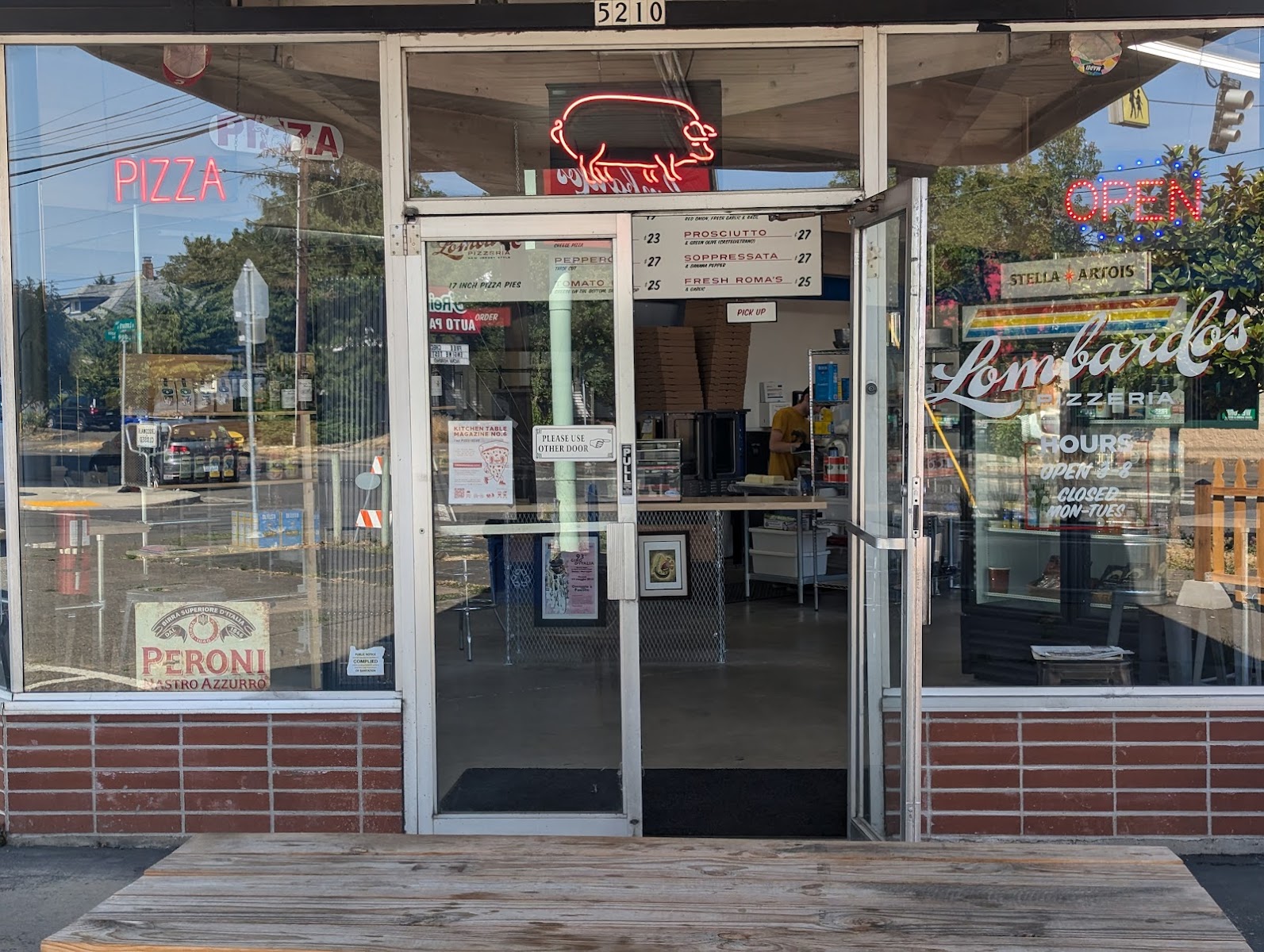
Lombardo’s Pizzeria
€€€€ · 298 reviews
Pizza Lovers say: "Crispy crust, zesty sauce, and high-quality ingredients. Parking is tight."
Pizza Kat runs tavern-style square cut on a long ferment. The crust is thin, the cheese goes corner to corner, and the menu is the kind the local crowd argues about online without ever agreeing.
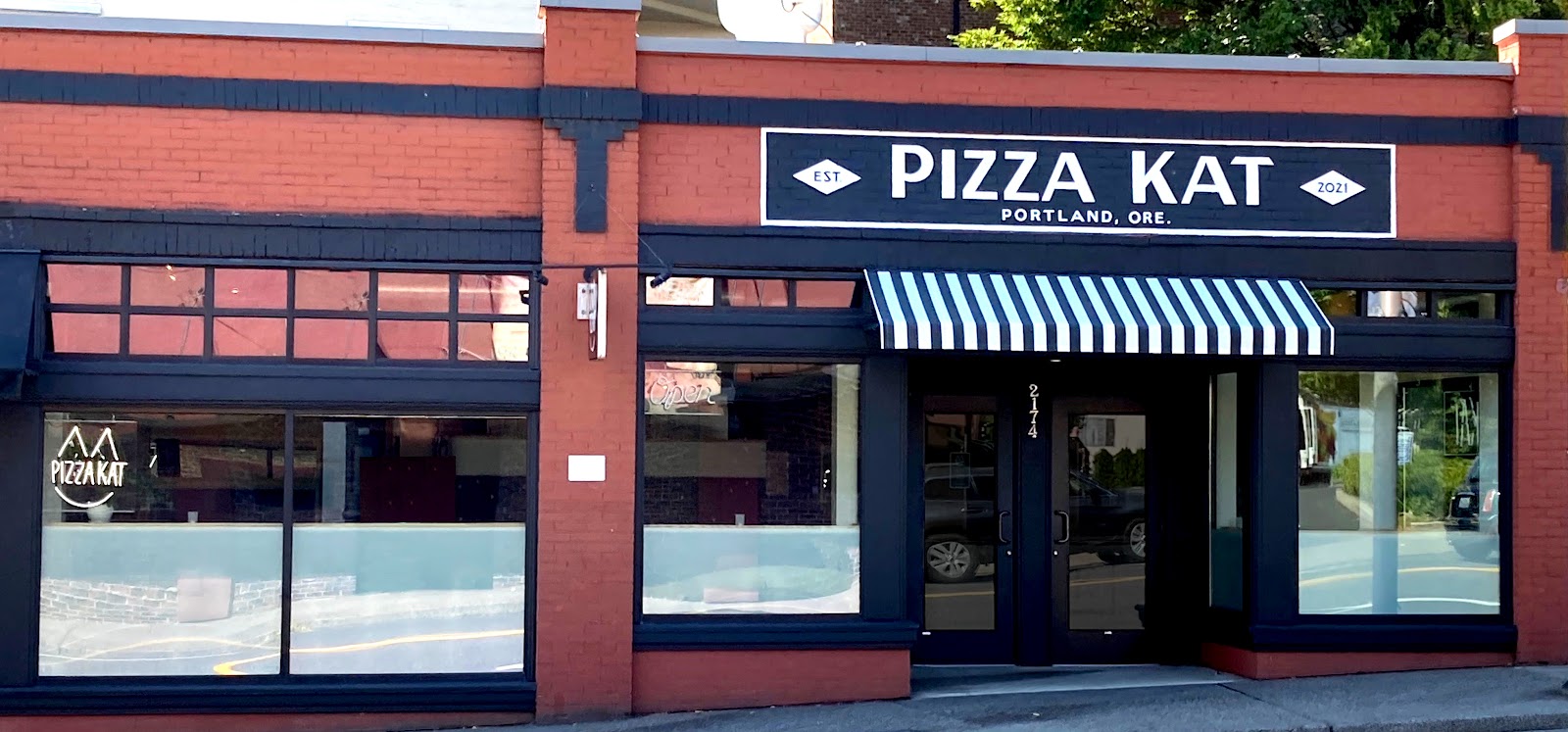
Pizza Kat
€€€€ · 596 reviews
Pizza Lovers say: "Loved the garlic sauce, margarita, and cup & char pepperoni. Crust is chewy. Service was friendly."
How we ranked this
We sorted by what people who came for the pizza actually thought about the pizza, not by who has the longest line on a Friday night. A 600-review average loaded with parking complaints and napkin grievances loses to a smaller room where the people in the seats came to eat. Portland has spent twenty years building a pizza scene that does not need any of the chains.
For more US pizza city deep-dives, see Chicago's three distinct traditions, Brooklyn's coal-oven legends, and the 2026 NYC price map.