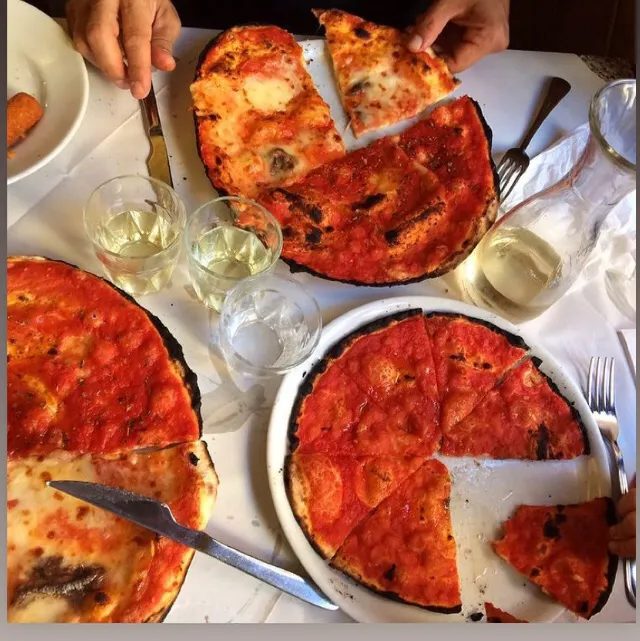
Roman pizza is not one pizza. Rome runs three formats side by side: pizza tonda romana, the thin round baked so crisp it cracks; pizza al taglio, cooked in long trays and sold by weight; and pizza alla pala, stretched oval on a wooden peel. All three are Roman, all three are eaten differently, and not one of them is Neapolitan. That split, soft and pillowy in Naples versus thin and crunchy in Rome, is the fault line that runs down the middle of Italian pizza.
OpenPizzaMap tracks 5244 hand-picked pizzerias across 360 cities, and the Roman spots below cover all three formats. If you want the full list, the Rome hub has it.
What makes a pizza Roman?
Naples and Rome start from the same four ingredients and end up in opposite places. Where a Neapolitan pizzaiolo hand-stretches a wet dough and leaves a tall, blistered cornicione, the Roman version gets olive oil worked into the dough and is rolled or pressed thin, then baked hotter and longer until there is almost no rim left. The Neapolitan pie flops; the Roman one snaps.
That crunch has a name. Romans call the classic thin round scrocchiarella, from scrocchiare, to crackle, and the sound is the point. The other two Roman formats, al taglio and alla pala, grew out of the city's bakeries rather than its sit-down pizzerie, which is why you buy them by weight and eat them standing up.
Pizza tonda romana, the scrocchiarella
Pizza tonda romana is the round, personal pizza you eat with a knife and fork at a table, usually in the evening. The dough is rolled paper-thin with a pin rather than stretched by hand, and it bakes flat and brittle with a scattering of char across the bottom. Order a marinara or a margherita and it arrives crisp edge to edge, no puffy border to leave behind.
The archetype is Pizzeria da Remo in Testaccio, on Piazza di Santa Maria Liberatrice. It is cash only, the paper menu comes with a pencil, and the line runs out the door most nights, but the tonda is as thin and loud as Roman pizza gets.
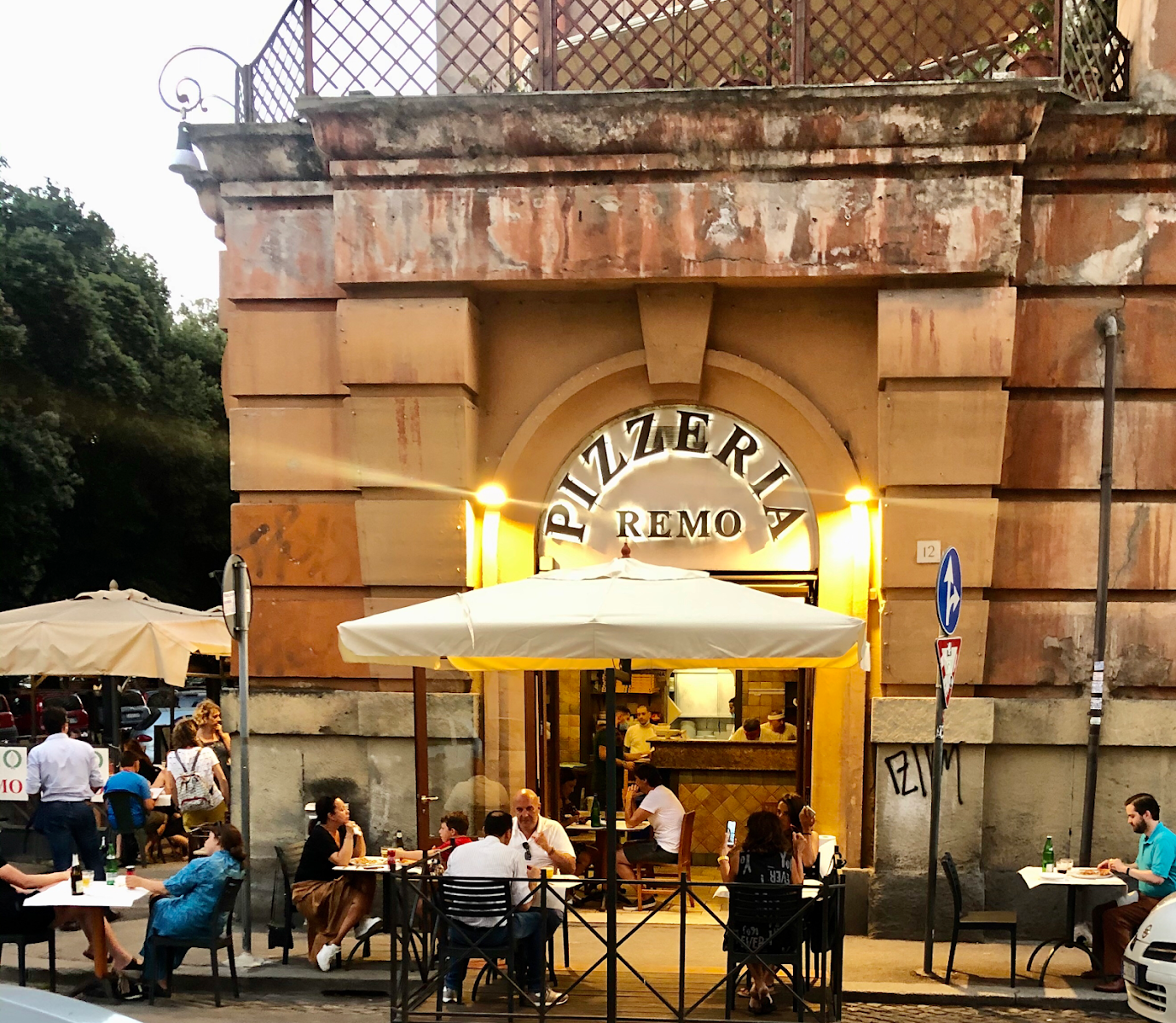
Pizzeria da Remo
€€€€ · 6,594 reviews
Pizza Lovers say: "Wafer-thin Roman-style pizza with charred, crispy crust and tasty sauce, especially Margherita and Diavola. Staff can be grumpy but it's worth the wait."
For a more polished version of the same round, La Gatta Mangiona in Monteverde has been working long-fermented dough under pizzaiolo Giancarlo Casa since the late 1990s, closer to a Roman-Neapolitan hybrid than a bare scrocchiarella.
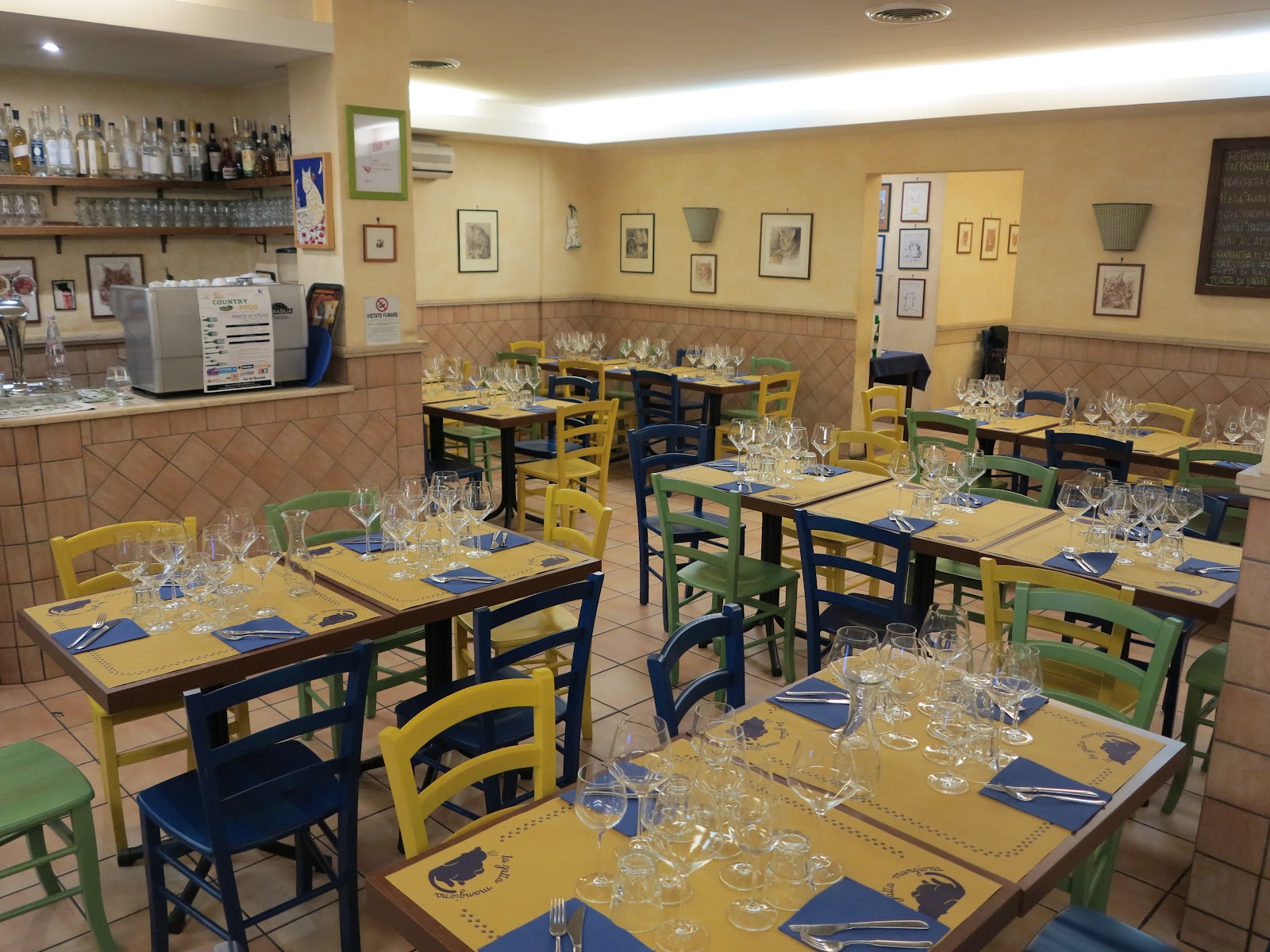
La Gatta Mangiona
€€€€ · 5,280 reviews
Pizza Lovers say: "Light dough, fragrant mushrooms, melted cheese, and awesome potato croquettes. Some find the portions too small and not worth the price."
Pizza al taglio, sold by weight
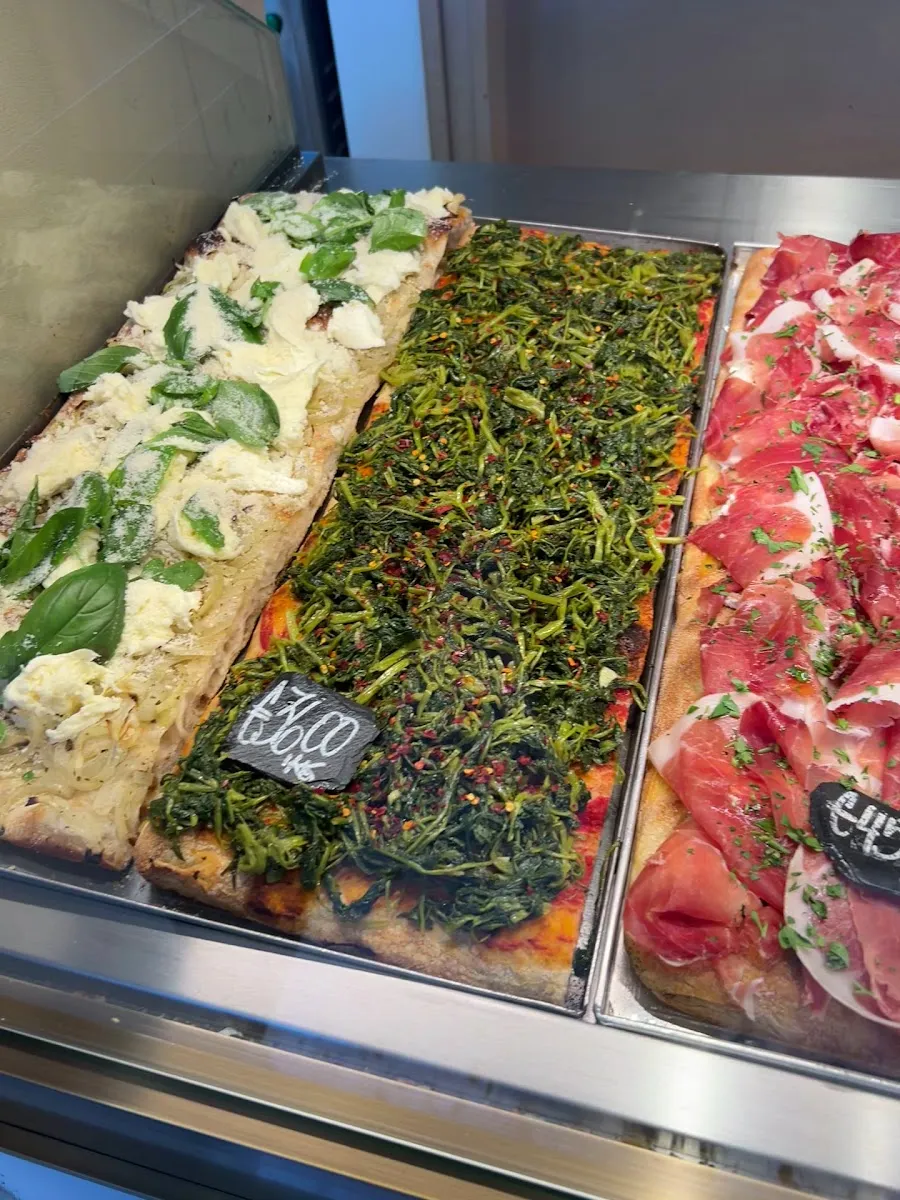
Pizza al taglio means pizza by the cut. It is baked in long oiled trays, then cut with scissors and sold by the etto (100 grams), which is why the price is a number per weight and not per slice. The dough runs at a higher hydration than the tonda, so the crumb is open and soft under a crisp base, and you eat it folded in paper, on your feet.
The name most people know is Gabriele Bonci, who opened Pizzarium near the Vatican Museums in 2003 and turned al taglio into a fine-dining format, with high-hydration dough left to ferment for a day or more and toppings that change with the market. He is the pizzaiolo often called the Michelangelo of pizza, and the counter is the size of a hallway.
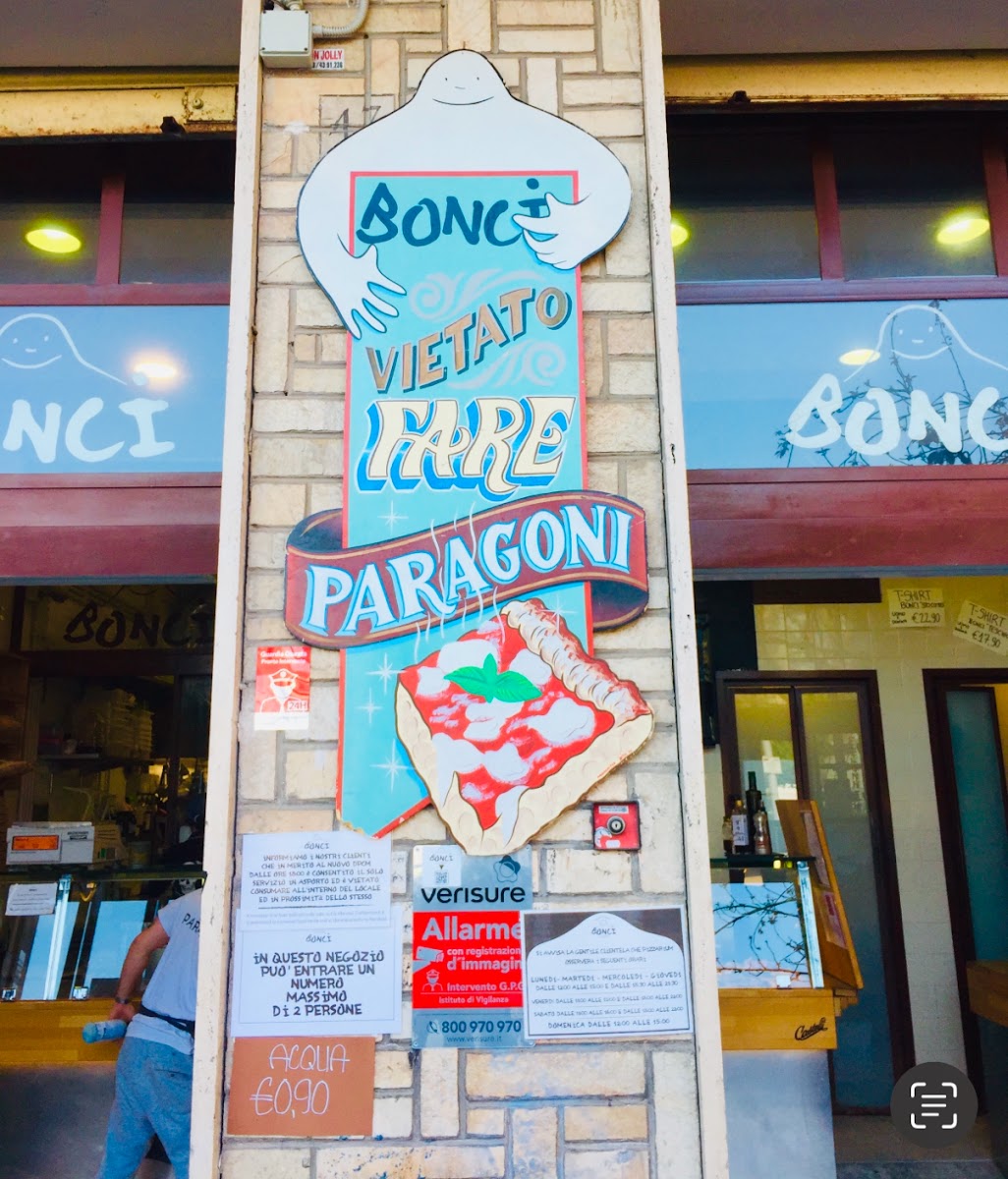
Pizzarium Bonci
€€€€ · 19,420 reviews
Pizza Lovers say: "Unique square slices with authentic flavors, like the broccoli, egg & potato. Service can be slow & seating is limited."
The older tradition lives in the city's bakeries. Antico Forno Roscioli on Via dei Chiavari sells pizza rossa (tomato, no cheese) and pizza bianca (olive oil and salt) al taglio from a forno the Roscioli family has run for generations, and Forno Campo de' Fiori, on the market square, is where Romans still line up for a strip of warm pizza bianca folded around a filling.
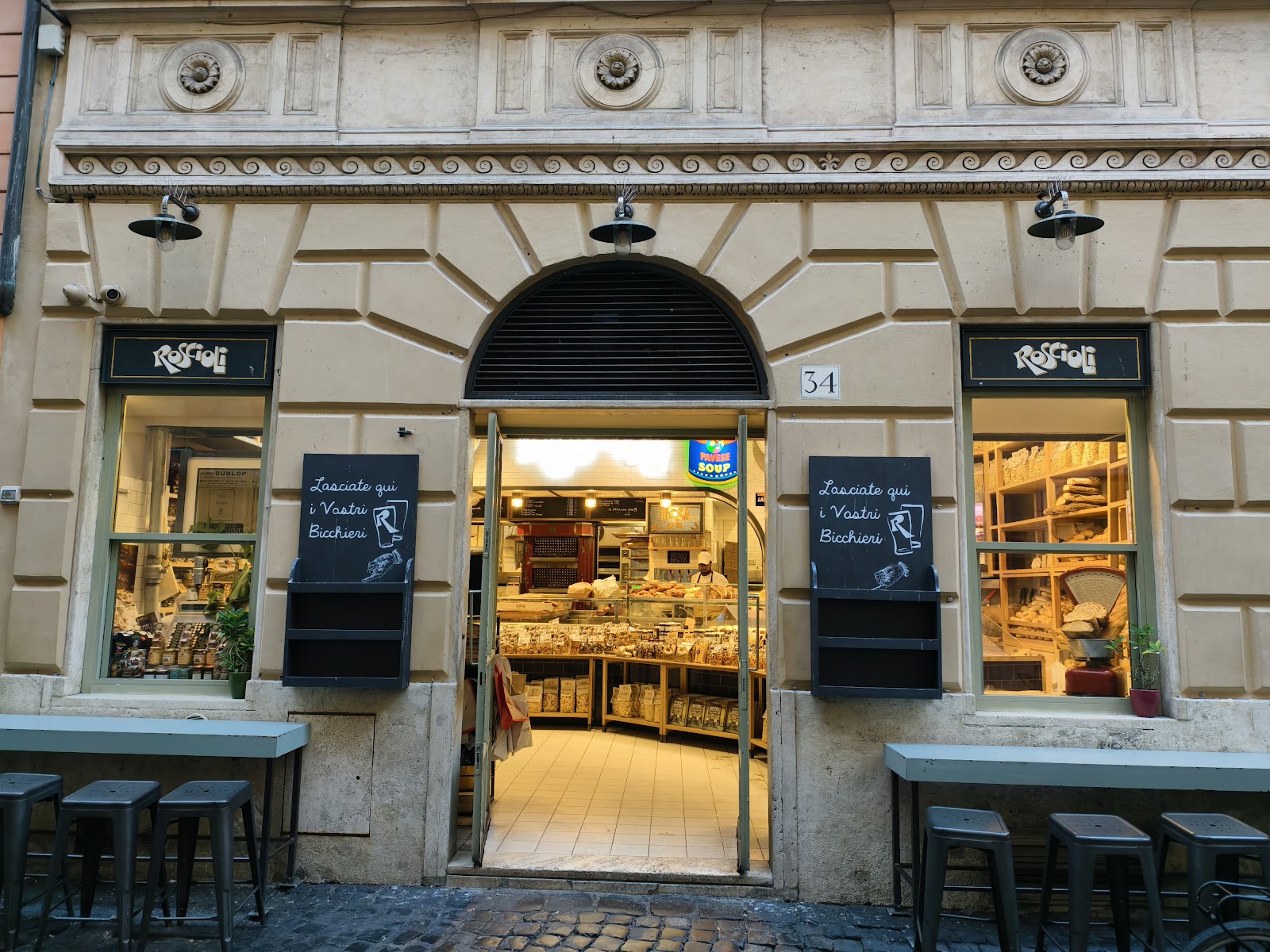
Antico Forno Roscioli
€€€€ · 9,160 reviews
Pizza Lovers say: "Delicious pizza al taglio with crisp bases and fresh toppings like the Pizza Burrata, but it's takeaway only and can be crowded."
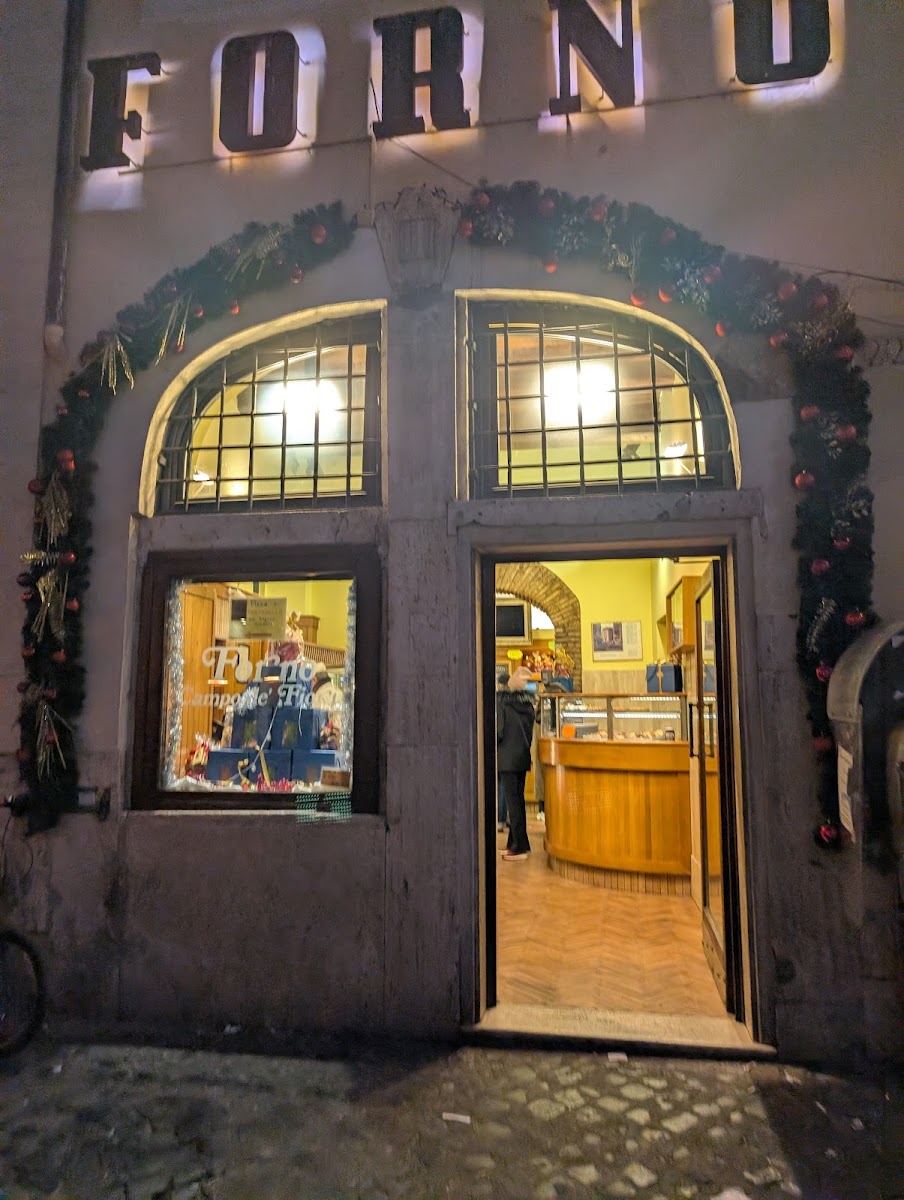
Forno Campo de' Fiori
€€€€ · 3,955 reviews
Pizza Lovers say: "Fresh tomatoes, crisp bread, and great pizza al taglio like the mortadella and mushroom. Some find the selection overwhelming."
Pizza alla pala, on the paddle
Pizza alla pala is named for its tool: the pala, the long wooden peel it is stretched onto, baked on, and often served on. It is pulled into a long oval, runs at a higher hydration than the tonda, and bakes airy and light, most often as a pizza bianca or with a few simple toppings. You buy it by length or weight, the baker cuts what you point at, and it sits somewhere between al taglio and a loaf of bread. If you have ever wondered what pizza alla pala is, that is it: pizza shaped by the paddle, not the pan or the plate.
The trapizzino and the new Roman school
Rome's most exported pizza idea of the last twenty years came from Stefano Callegari, who invented the trapizzino in 2008 in Testaccio: a triangular pocket of pizza bianca dough, split and stuffed with the city's braises, like pollo alla cacciatora or polpette al sugo. It reads as street food, but it is pizza dough doing the work, and it has since spread from Rome to New York.
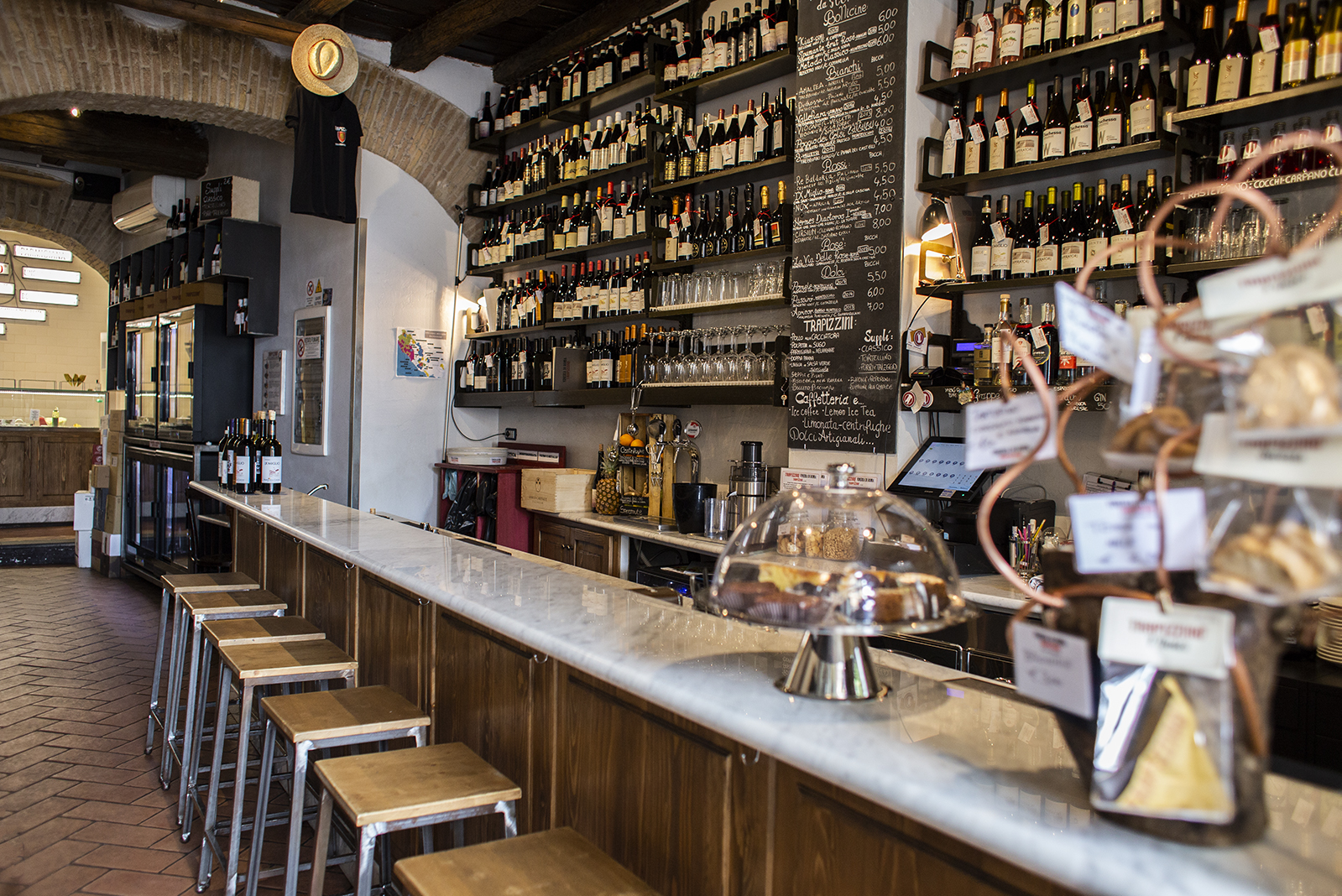
Trapizzino
€€€€ · 9,593 reviews
Pizza Lovers say: "Meatball and eggplant Trapizzinos are outstanding, as are the Suppli Classico. Food is delicious but there can be a wait."
Callegari also runs Sbanco, where the menu put a cacio e pepe pizza on the map alongside the standards. And at Seu Pizza Illuminati, pizzaiolo Pier Daniele Seu and Valeria Zuppardo have built one of the city's most-decorated modern pizzerie, a regular on the 50 Top Pizza list, working a contemporary Roman round that owes as much to Naples as it does to the scrocchiarella.

Sbanco
€€€€ · 3,207 reviews
Pizza Lovers say: "The Caccio & Pepe and Arrabbiata e Stracciatella pizzas are stars. Menu is somewhat limited and location is far out."
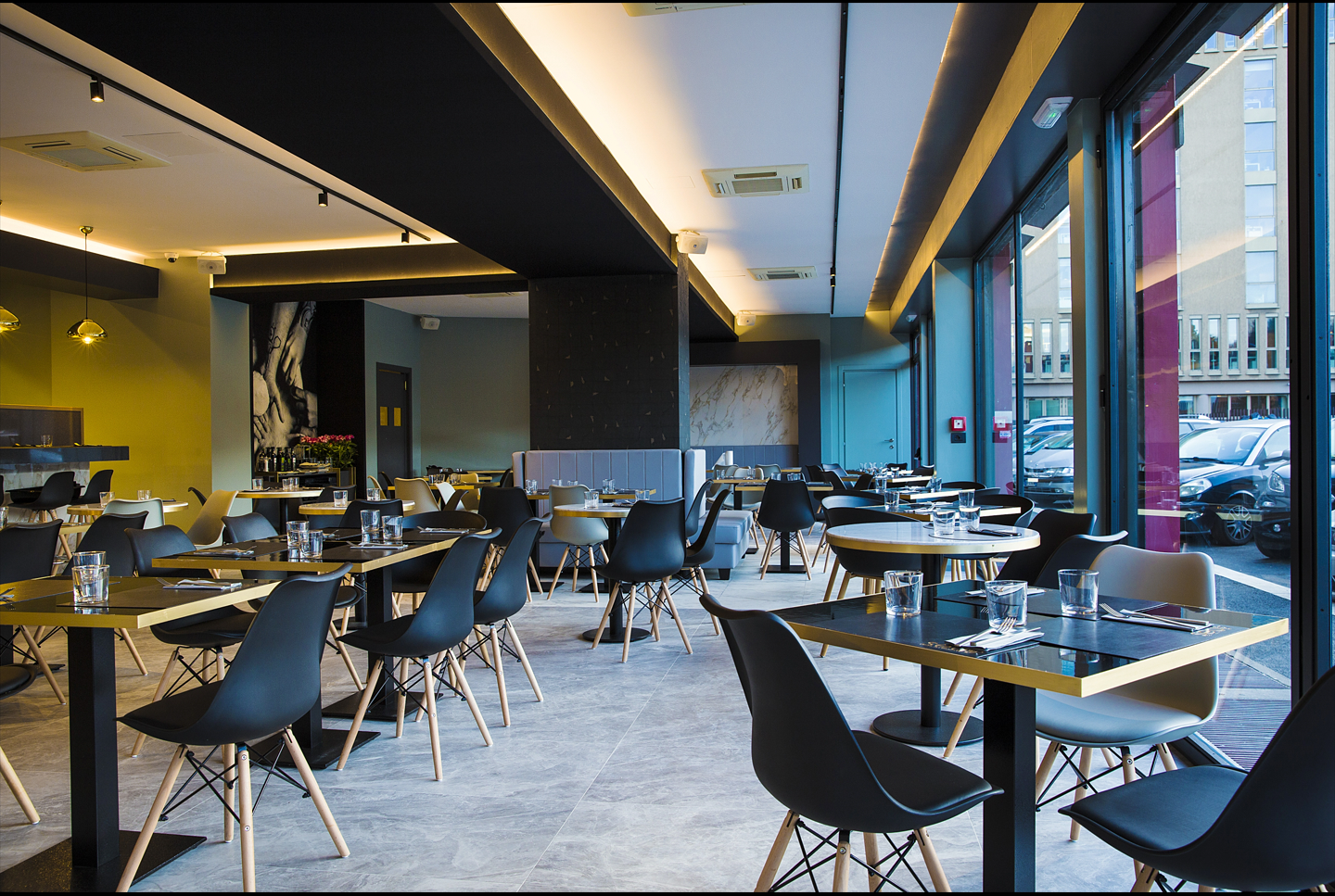
Seu Pizza Illuminati
€€€€ · 5,817 reviews
Pizza Lovers say: "Pier Daniele Seu's wood-fired pizzas near Trastevere are praised for their soft, cloud-like dough with a satisfying crunch, using carefully sourced toppings and backed by an impressive wine and champagne list. Tables fill quickly so booking ahead is recommended."
How to tell the three apart
The quick read: if it is round, on a plate, and you need a knife, it is tonda romana. If it comes from a tray, gets cut with scissors, and is priced by weight, it is al taglio. If it is long, oval, and handed to you off a wooden peel, it is alla pala. All three are Roman, and on the map they run from the cash-only counter at Pizzeria da Remo, Piazza di Santa Maria Liberatrice, to the fine-weight slices at Pizzarium near the Vatican.