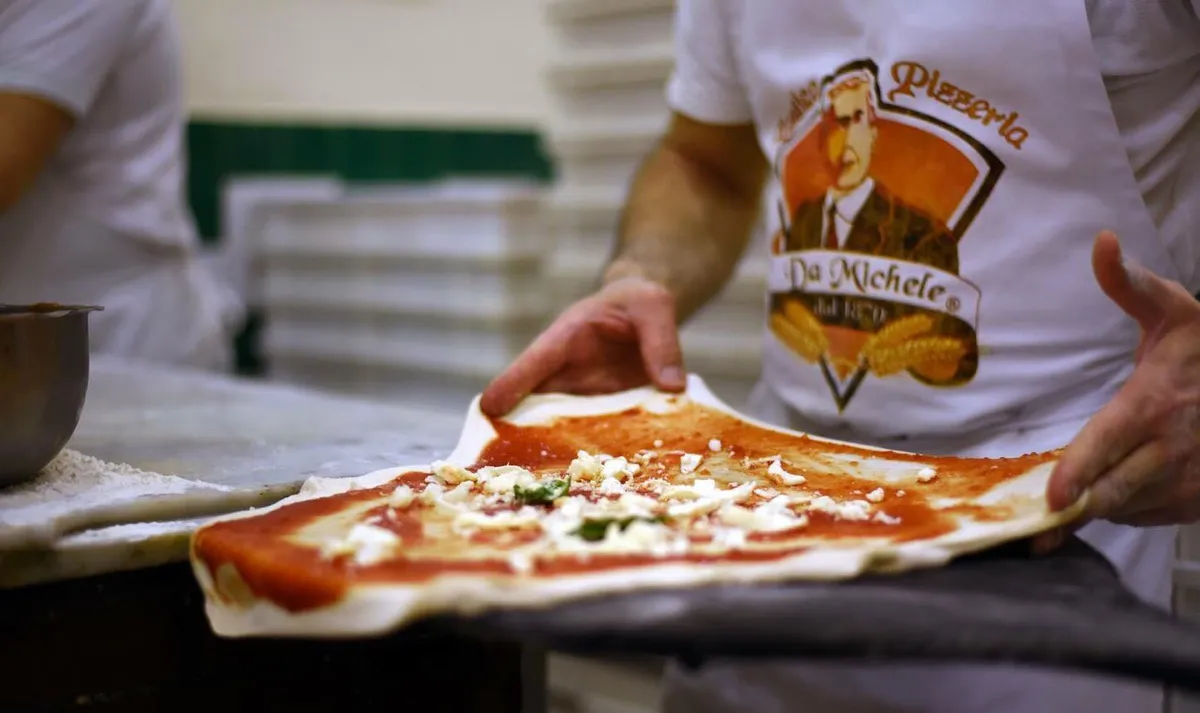
Tourists in Naples line up for two hours to eat a pizza that costs five euros. They are not paying for the pizza. They are paying for proof that the original is still in business. Neapolitan pizza is the only pizza style officially protected by both the Italian government and UNESCO, and the rules behind it are surprisingly specific.
What makes a pizza Neapolitan?
The technical spec is short, demanding, and enforced. The dough is a soft 24 to 48 hour cold-proofed mix of 00 flour, water, salt, and yeast, hand-stretched to a maximum of 35 centimeters with a cornicione (raised edge) of 1 to 2 centimeters. The toppings are minimal: peeled San Marzano tomatoes (or Pomodorini del Piennolo del Vesuvio DOP), fresh mozzarella (Bufala Campana DOP or Fior di Latte Agerola), fresh basil, and a thread of extra-virgin olive oil. The pizza cooks in 60 to 90 seconds in a wood-fired oven at 430 to 480 degrees Celsius, hot enough to set the cornicione before the middle dehydrates.
That fast, hot cook is the whole point. It produces a pizza with a soft, slightly wet center under the toppings (the famous "wet middle" that visitors often mistake for undercooked), a leoparded cornicione with charred spots, and a moisture profile so different from oven-baked pizza that pizzaioli usually fold the pizza by hand or eat it with a fork and knife rather than cutting a slice.
Who decides what counts as Neapolitan?
The Naples-based Associazione Verace Pizza Napoletana (AVPN), founded in 1984 by Antonio Pace and a group of Neapolitan pizzaioli, publishes the spec and certifies pizzerias worldwide that meet it. AVPN's standard covers everything from flour brand and protein content to the angle of the dough ball's seal, the wood used in the oven (preferably oak or beech), and the geometry of the resulting pizza. A pizzeria displaying an AVPN plaque has passed an on-site audit.
Outside AVPN, Italy gave Neapolitan pizza its EU STG (Specialita Tradizionale Garantita) protection in 2009, which fixes the recipe at the legal level. Then in 2017 UNESCO inscribed L'Arte del Pizzaiuolo Napoletano on the Representative List of the Intangible Cultural Heritage of Humanity, protecting not the pizza but the craft of making it.
The 1889 Margherita story
The most-told story in pizza is the 1889 visit of Queen Margherita of Savoy to Naples. The court called in pizzaiolo Raffaele Esposito of Pizzeria Brandi to bake for the Queen. Esposito made three pizzas, one of which used tomato, mozzarella, and basil arranged to mirror the green, white, and red of the new unified Italian flag. The Queen wrote a thank-you note (a copy of which still hangs at the pizzeria), the pizza took the Queen's name, and the Margherita became the canonical Neapolitan.
Historians have argued for decades about how clean the story is. Tomato-and-cheese pizza certainly existed in Naples before 1889, and Esposito did not invent the combination. What he did was give it a name with royal endorsement, and the rest is marketing history that still drives a tour bus to the front door every day. Visiting in 2026, the pizza is solid, the building is unchanged, and the wait is short. It is more shrine than dinner.
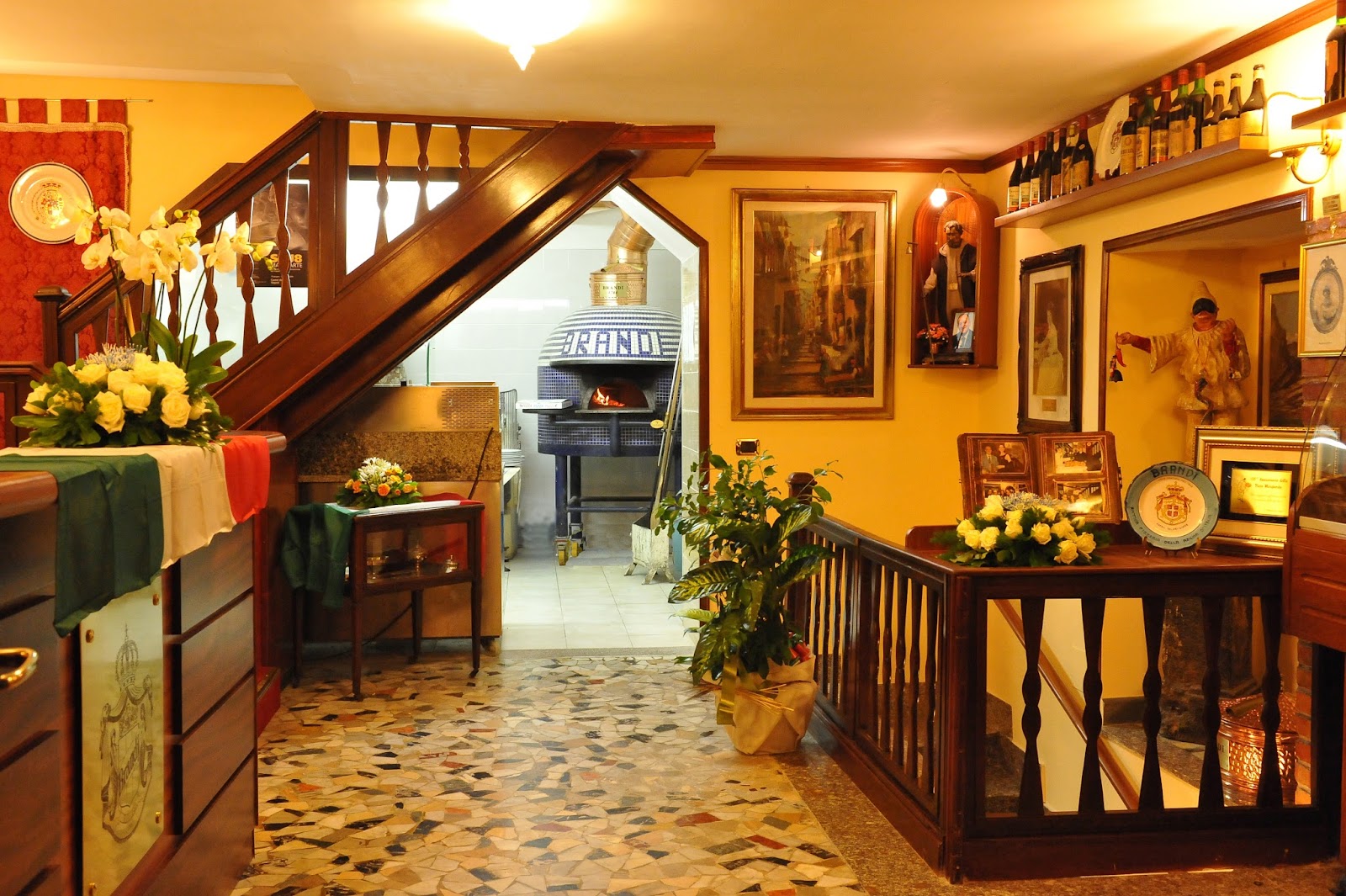
Pizzeria Brandi
€€€€ · 13,056 reviews
Pizza Lovers say: "The original Margherita pizza is exceptional, portions are huge, and prices are reasonable. Service can be slow."
The Naples canon
If you have only one meal in Naples, the canonical anchor is L'Antica Pizzeria da Michele, operating in roughly the same spot since 1870 and serving just two pizzas (marinara and margherita) until very recently. The Spaccanapoli location is the one Julia Roberts ate at in Eat Pray Love, and that scene has set the peak-hour wait time since 2010. The pizza itself is deliberately plain: dough, tomato, a thread of olive oil, salt. No basil on the marinara. No surprise.
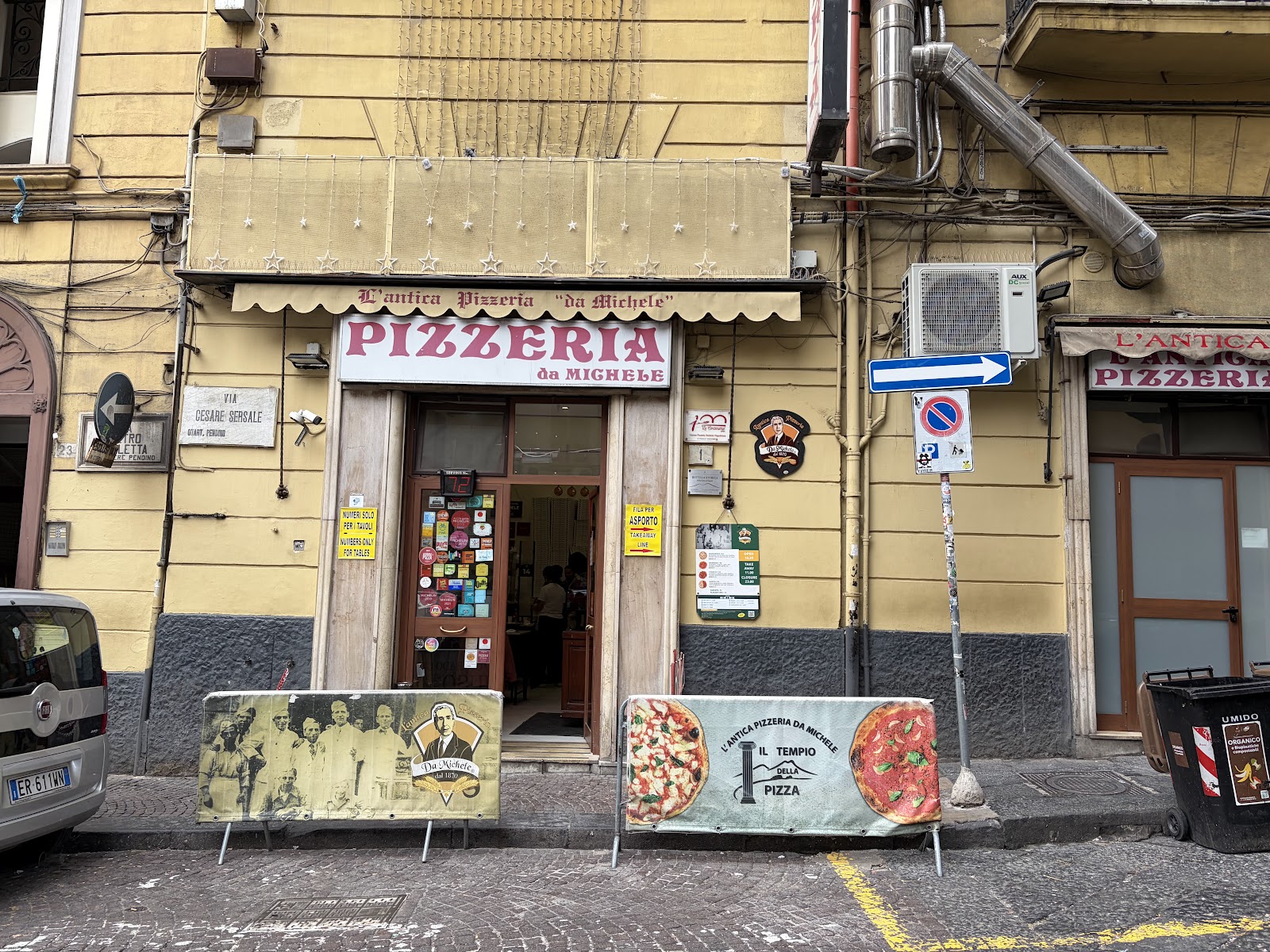
L'Antica Pizzeria da Michele
€€€€ · 76,171 reviews
Pizza Lovers say: "Thin, Rumali roti-like crust, simple 4-pizza menu, and great value. While delicious, it was not outstanding or 'the best' for one reviewer."
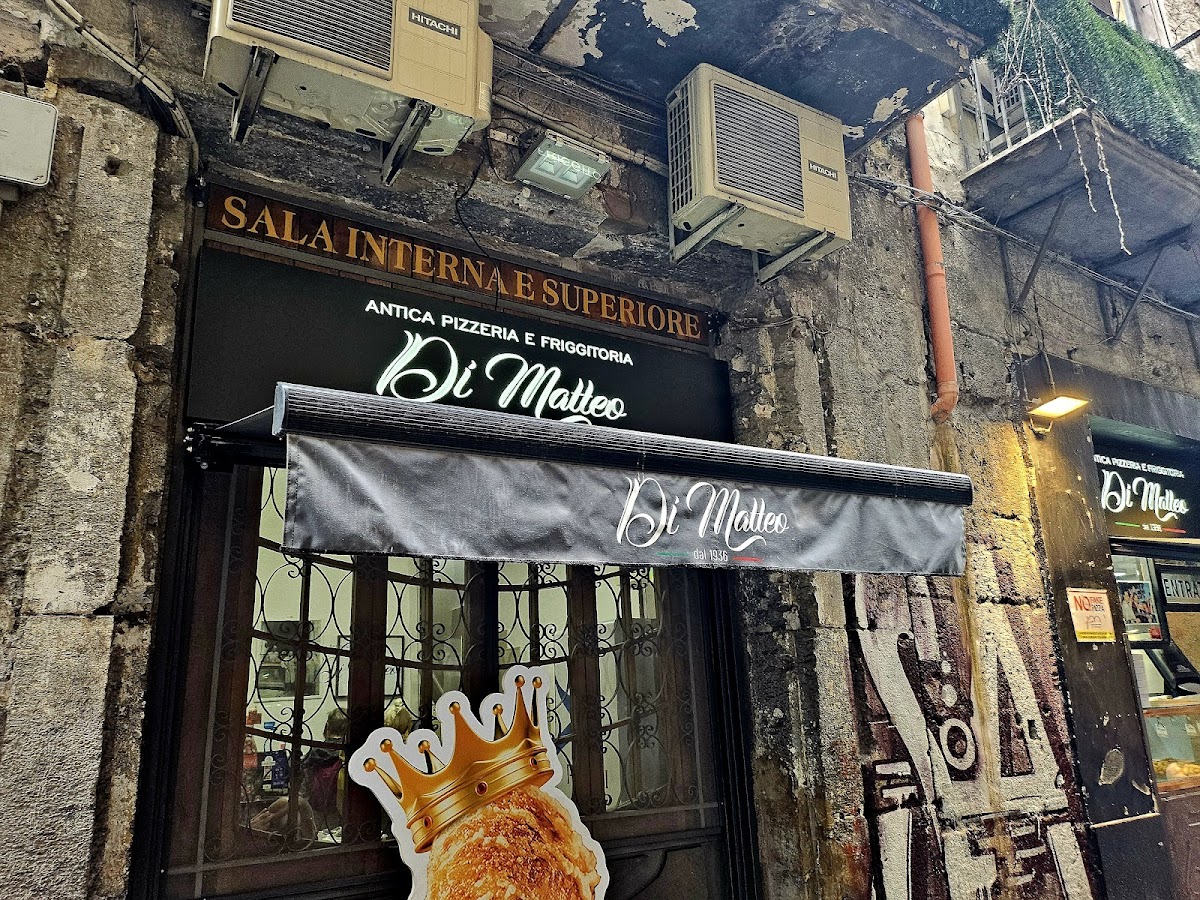
For a more technical, modern Naples pizza without leaving the historic center, Antica Pizzeria e Friggitoria Di Matteo on Via dei Tribunali has a tighter wait list and a working friggitoria producing pizza fritta and crocche alongside the wood-fired pizzas. The pizza fritta at Di Matteo is what Bill Clinton ordered when he visited in 1994, which the pizzeria still has photographs of on the wall.
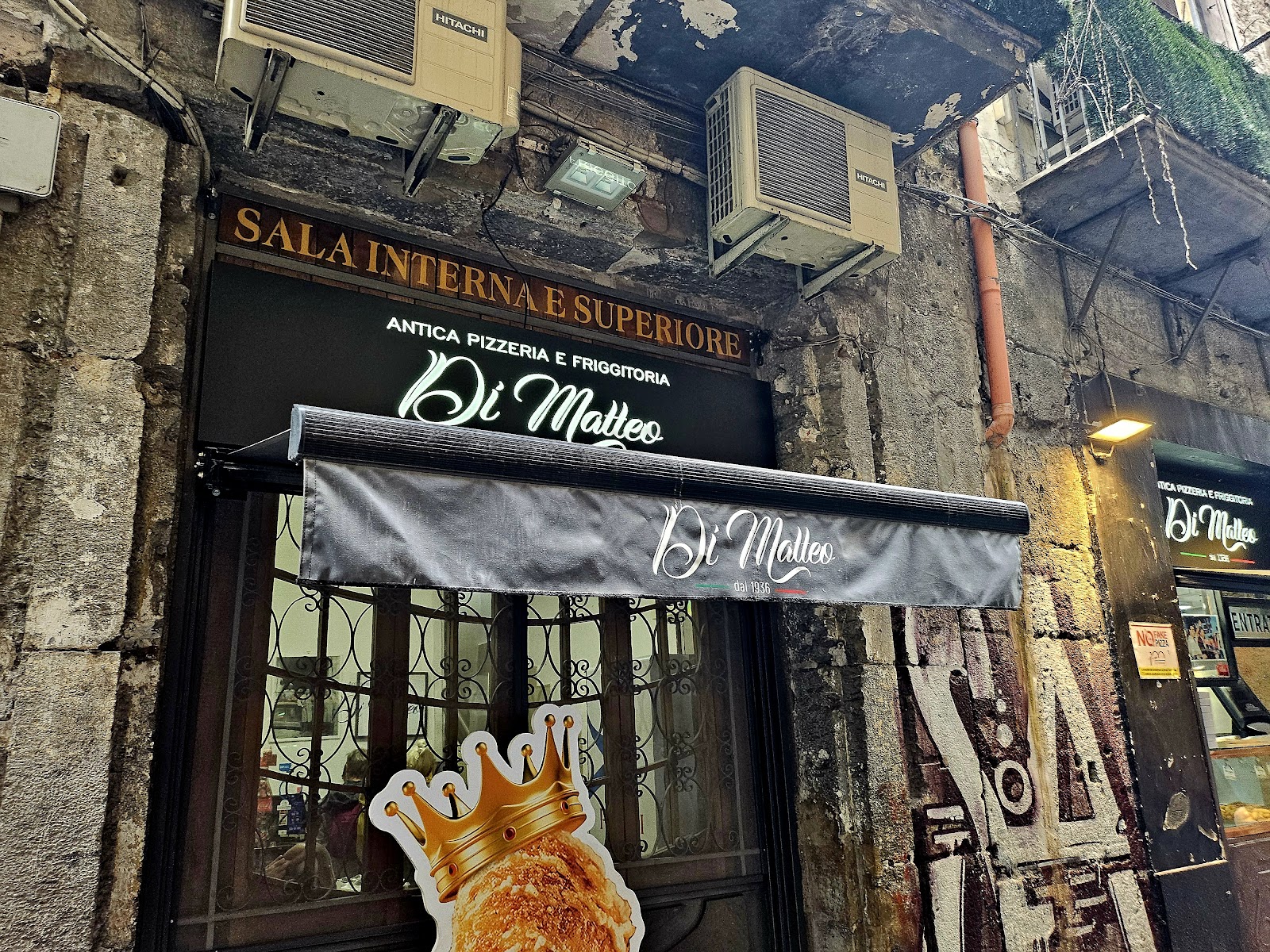
Antica Pizzeria e Friggitoria Di Matteo
€€€€ · 14,416 reviews
Pizza Lovers say: "Excellent Arancino and tasty Margherita pizza, but can be wet in the middle and not worth a long wait."
The technical reference for AVPN-spec pizza in Naples today is Pizzaria la Notizia, opened by Enzo Coccia in 1994 in the Vomero district. Coccia is widely regarded as the pizzaiolo who modernized Neapolitan dough science, treating the fermentation profile, the flour blend, and the oven temperature curve as variables a pizzaiolo could measure rather than feel. The Notizia kitchen has trained an outsized share of the current generation of Naples-trained pizzaioli, both inside Italy and across the diaspora.
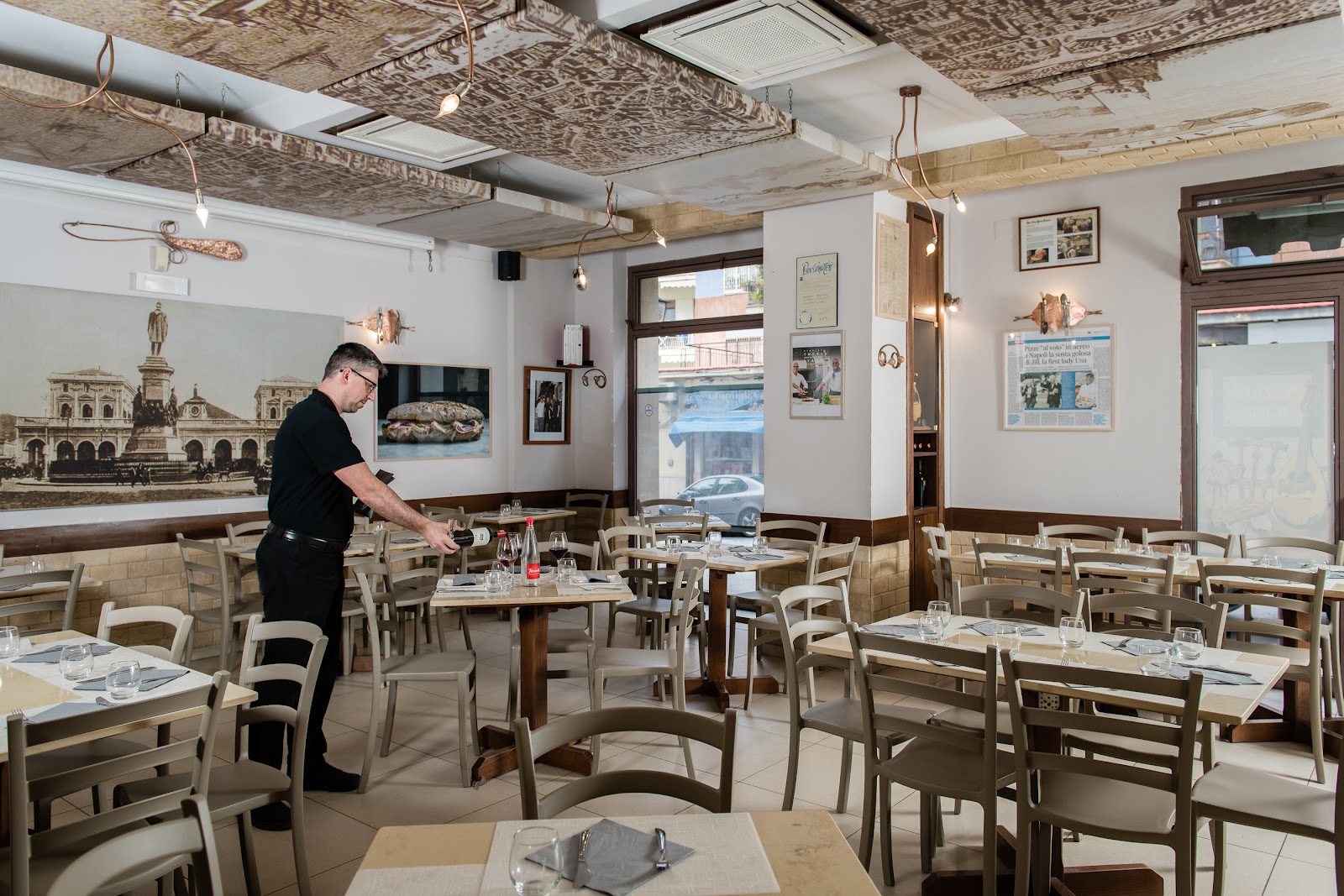
Pizzaria la Notizia
€€€€ · 5,510 reviews
Pizza Lovers say: "Amazing Neapolitan pizza, especially the Tucci. Service was fast, but they don't have special plates for dogs."
The Caiazzo offshoot
40 minutes north of Naples in the small medieval town of Caiazzo, Pepe in Grani is where the Neapolitan Contemporanea movement crystallized. Franco Pepe (third-generation pizzaiolo, opened Pepe in Grani in 2012) reworked the Neapolitan template into a different dough: higher hydration, longer fermentation, a more elastic cornicione that rises tall and airy rather than flat. The pizza still cooks in 60 to 90 seconds at AVPN temperatures, but the result reads as a different format on the plate.
Pepe in Grani has held the top slot on the 50 Top Pizza World ranking multiple times since 2017. Caiazzo is a 90 minute drive from Naples, and the pizzeria takes reservations months out. The town it sits in has fewer than 6,000 residents.
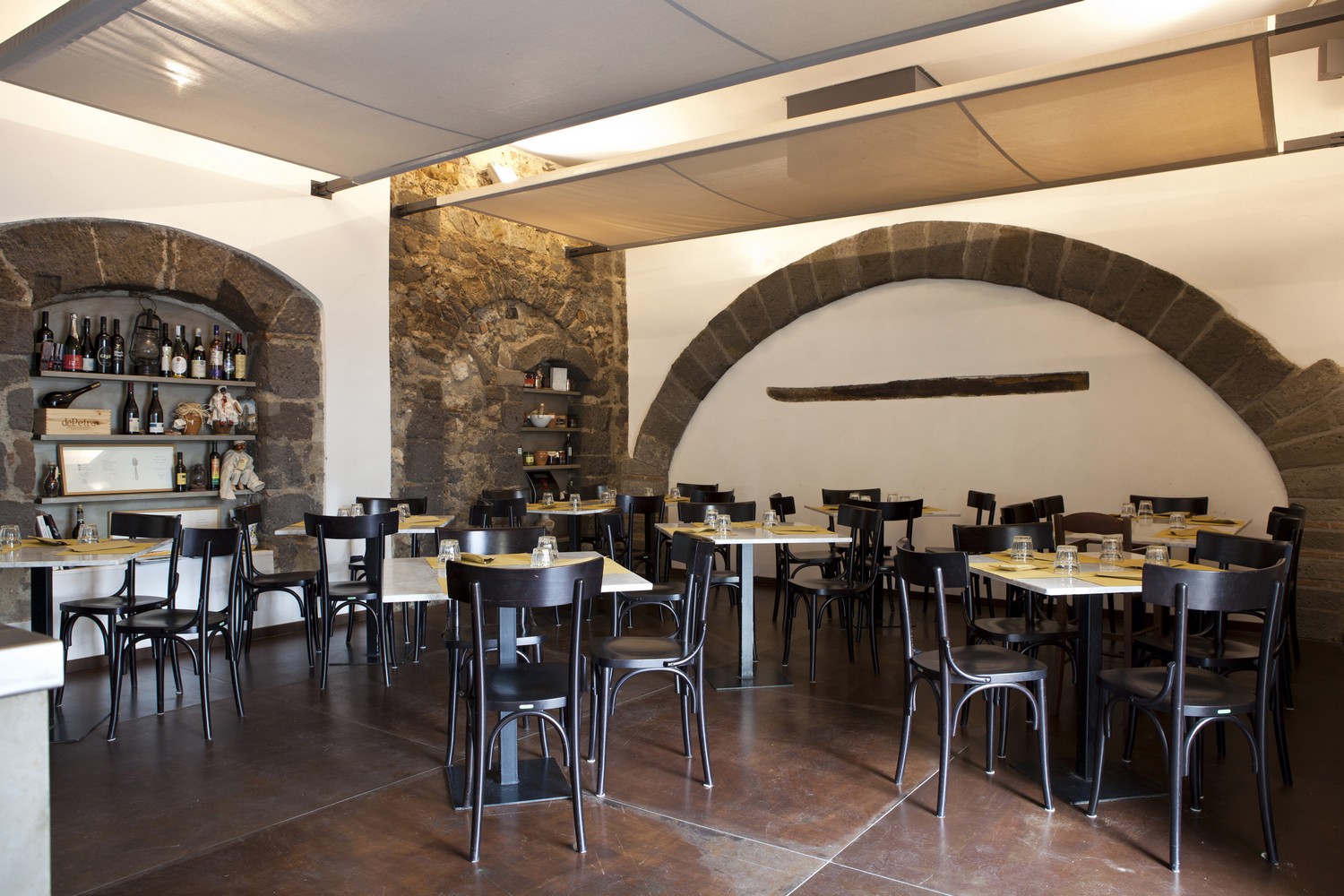
Pepe in Grani
€€€€ · 17,710 reviews
Pizza Lovers say: "Exceptional pizzas with amazing dough, friendly staff. The tasting menu was a lot of food."
The global diaspora
Naples-trained pizzaioli now run kitchens in every wealthy English-speaking city. The transfer was slow until the 2010s and then very fast.
In London, 50 Kalo di Ciro Salvo London opened in 2018 as the direct sibling of Ciro Salvo's Naples flagship, with the same dough, the same oven supplier (Acunto), and a London-trained Italian crew. The Covent Garden site is the deepest Neapolitan room in the United Kingdom by both volume and discipline.
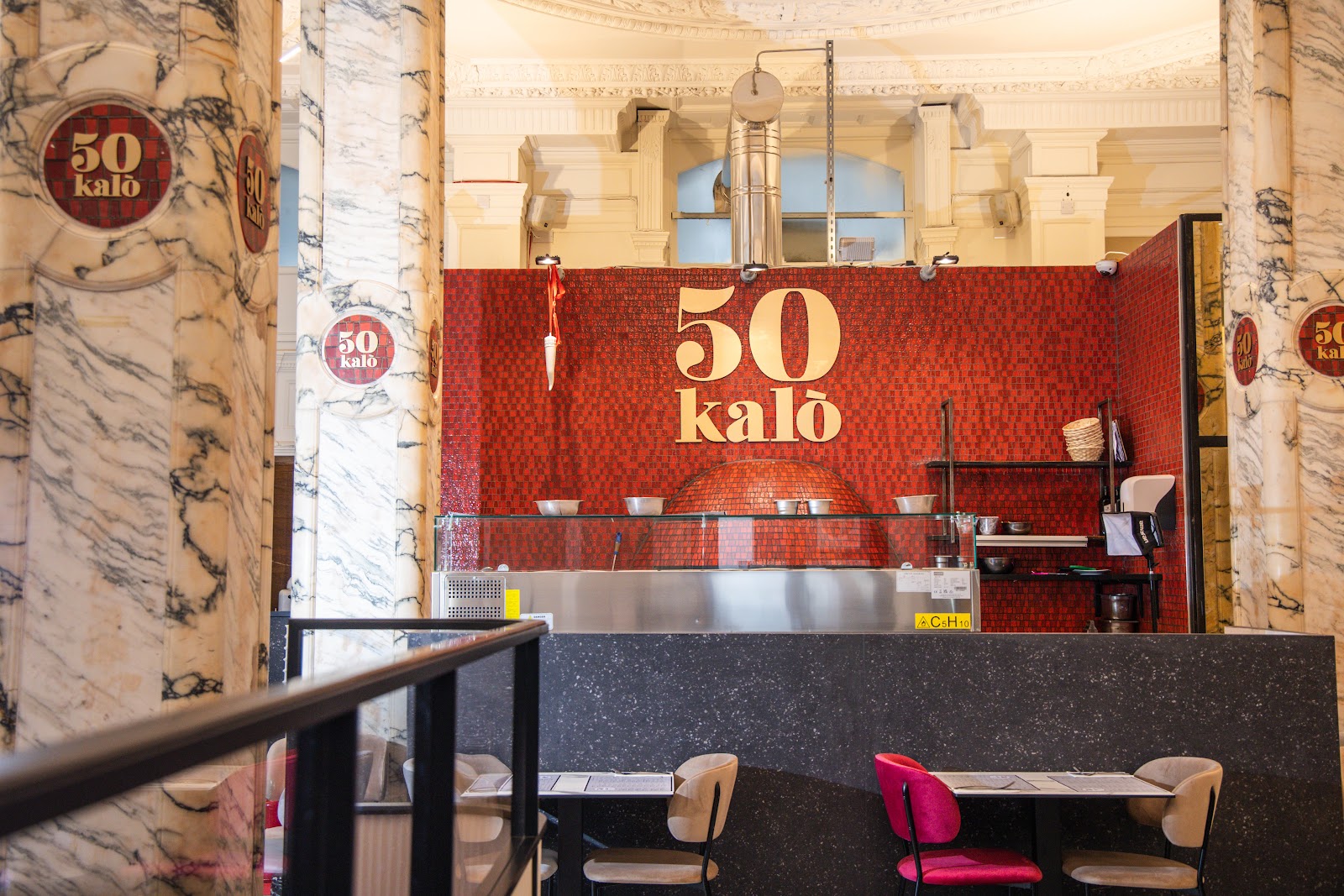
50 Kalò di Ciro Salvo Pizzeria London
€€€€ · 6,893 reviews
Pizza Lovers say: "Ciro Salvo's London outpost at Northumberland Avenue brings the same ultra-hydrated, 80% water content dough that earned him UNESCO recognition and Gambero Rosso's best-in-London title. Reservations strongly recommended."
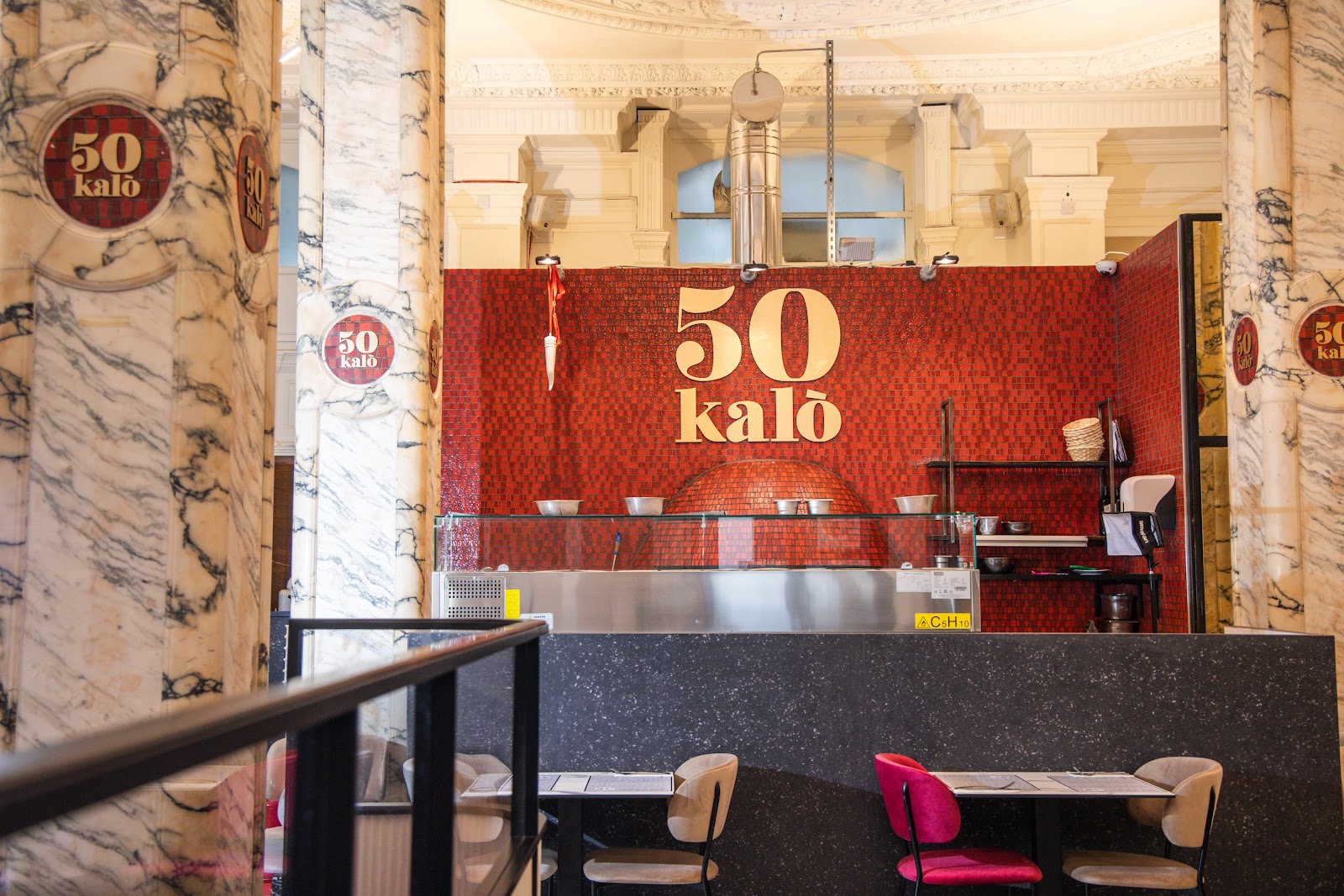
A second London arrival from the same period is L'Antica Pizzeria Da Michele London, the Baker Street outpost of the Naples canon, opened in 2017 with the original Naples crew supervising the launch and the AVPN spec held tight ever since.
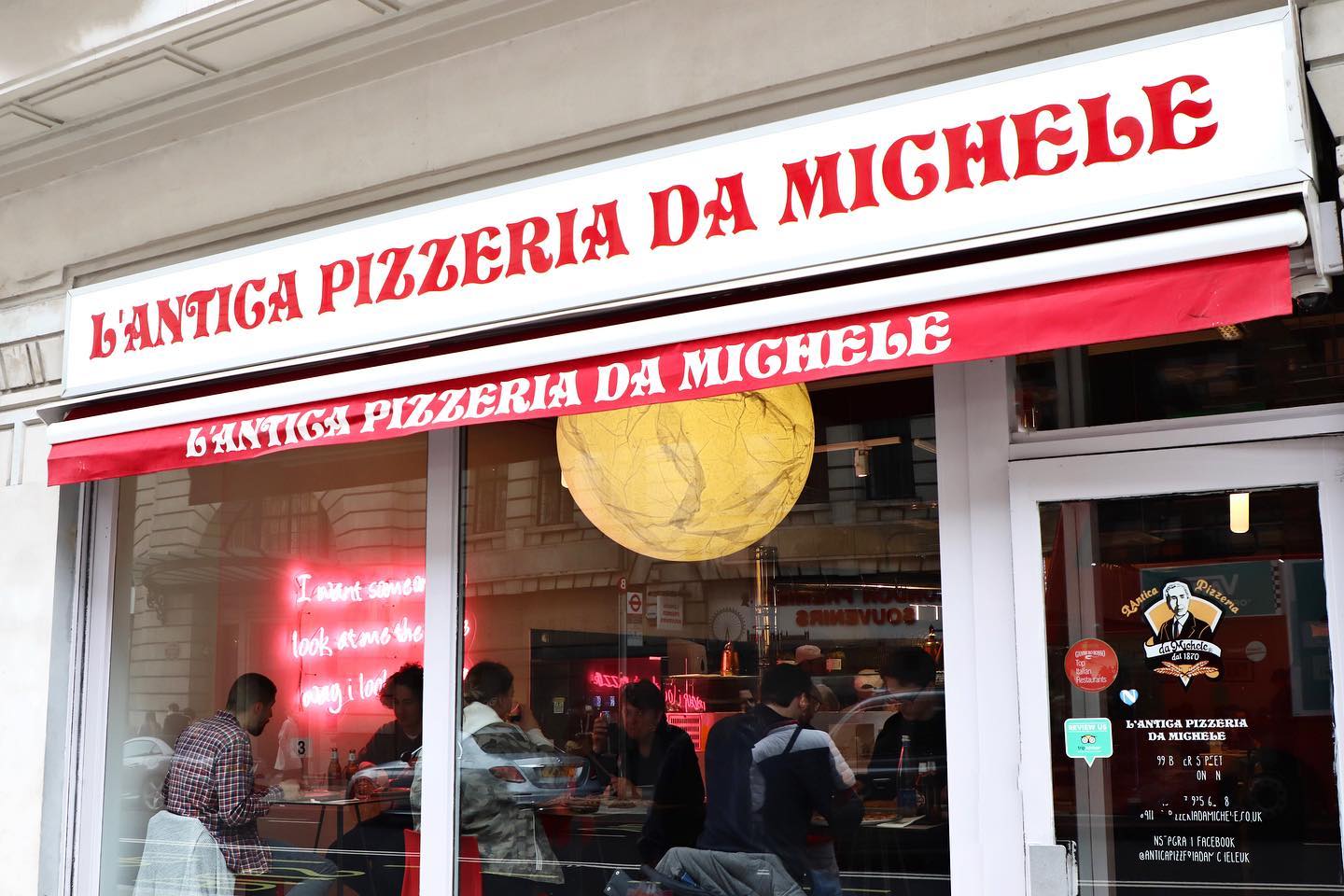
L’Antica Pizzeria Da Michele London (Baker Street)
€€€€ · 7,236 reviews
Pizza Lovers say: "Authentic Italian flavour, exceptional gluten-free base, and spectacular dishes like Parmigiana and Crocchè. However, some found the pizza watery and the food not special."
In New York, Una Pizza Napoletana is the strictest Neapolitan room in the city. Anthony Mangieri (Italian-American, trained himself by pilgrimage to Naples in the 1990s) serves a fixed five-pizza menu with no toppings off-spec, makes the dough in-house from naturally leavened starter, and closes the dining room the night the dough runs out. Reservations are essential.

Una Pizza Napoletana
€€€€ · 965 reviews
Pizza Lovers say: "Incredibly well made pizza with fresh ingredients and excellent dough texture. Reservations are tricky and pizzas aren't sliced."
In Tokyo, Pizzeria CA PO LI is the AVPN-certified Neapolitan room in the Yotsuya district, with a Japanese pizzaiolo trained in Naples and an Acunto oven shipped from Italy. The Japanese Neapolitan scene is one of the most technical outside of Italy. A 2018 50 Top Pizza Asia survey placed four Japanese pizzerias inside the continent's top ten.
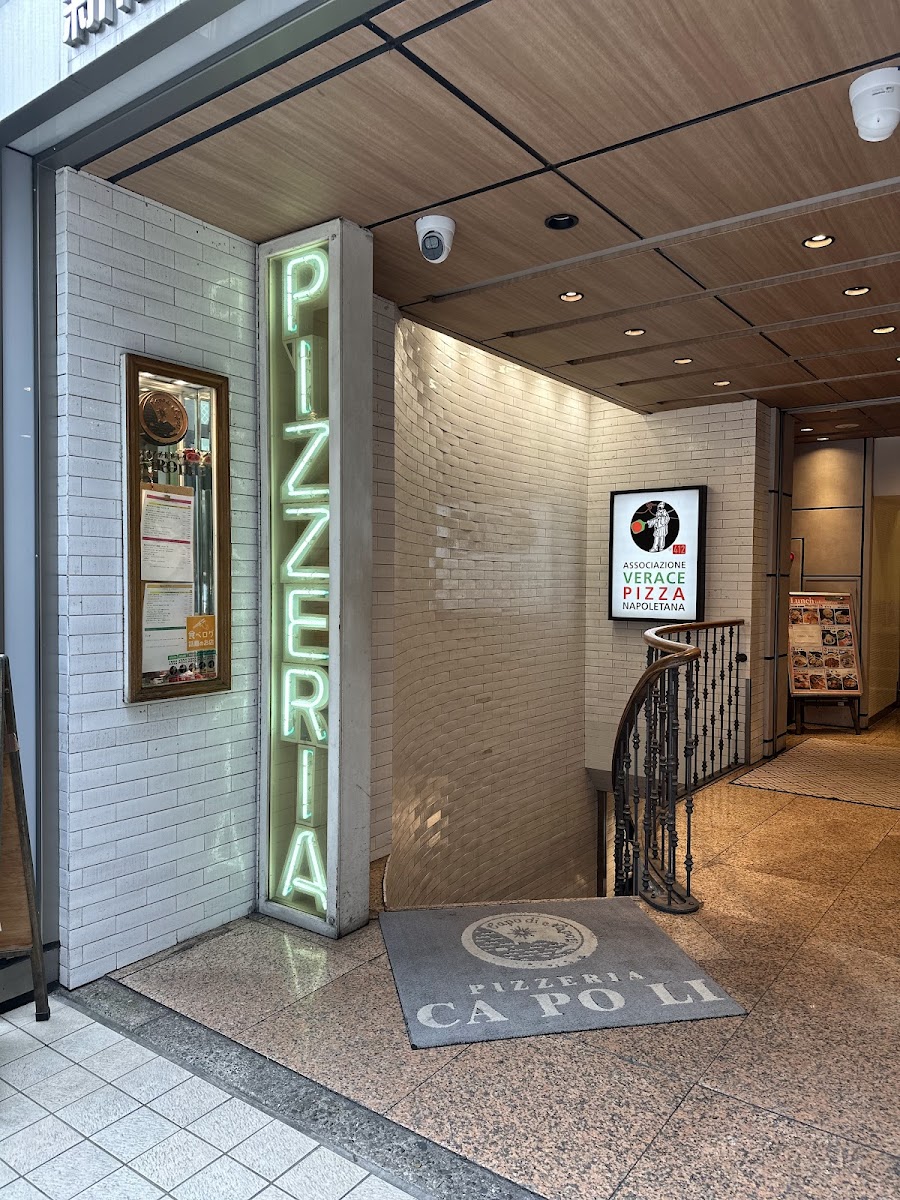
Pizzeria CA PO LI
€€€€ · 1,228 reviews
Pizza Lovers say: "Authentic Neapolitan pizza with charred, chewy crust and fresh toppings. The Carbonara pasta is rich and tasty. Service can be a bit too attentive."
In Madrid, Pizzeria Fratelli Figurato (the Figurato brothers, originally from Vico Equense near Naples) is the city's reference Neapolitan, with two locations and an AVPN-style commitment to imported flour and Vesuvian tomatoes. The Chamberi flagship room is widely considered the strongest Italian pizza on the Iberian Peninsula.

Pizzeria Fratelli Figurato
€€€€ · 5,392 reviews
Pizza Lovers say: "Authentic Neapolitan pizza with pillowy dough and fresh toppings. The tiramisu della Mamma is excellent. You might have to book and stick to a time slot."
How to spot the real thing
A few practical tells, from the inside:
The cook time. If the pizza arrives in under two minutes, you are eating Neapolitan. If it took 8 to 12 minutes, you are eating a different style cooked at a lower temperature.
The shape of the cornicione. A real Neapolitan has a tall, soft outer rim with leopard-spot char marks from direct flame contact, not a uniform golden ring. The marks should not look appetizing by American pizza standards; they should look genuinely blackened in places.
The center. The middle of a Neapolitan pizza is wetter than most American eaters expect, and the toppings sit directly on a soft dough rather than on a crisp crust. Eating with a fork and knife is normal in Naples and not a sign of poor pizza.
The price. A margherita in Naples in 2026 costs 5 to 8 euros at a serious pizzeria. Anything over 15 euros for a margherita inside Naples (excluding bottled water or coperto) is a tourist mark-up. Outside Italy, expect the same pizza to land between 12 and 20 euros, dollars, or pounds depending on the city.
Browse the full coverage of Naples on the Naples hub, or check the global rankings inside the Neapolitan style hub.