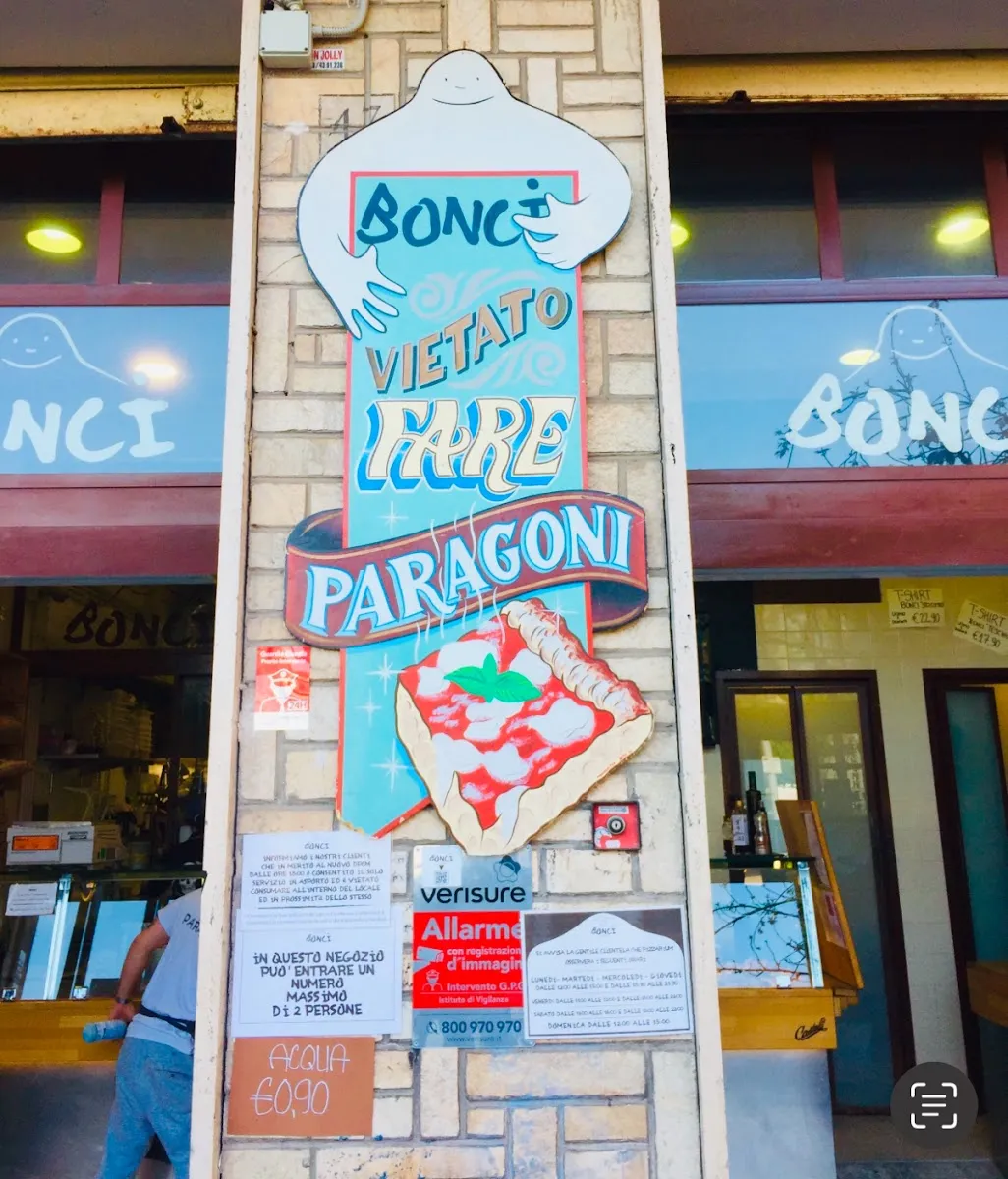
Pizza al taglio is Rome's everyday pizza. Long rectangular trays of slow-proofed dough, baked and sold by the gram, cut with scissors and eaten standing at a marble counter or out on the curb. It is older and more common than the round Romana pie you order sitting down, and it is how most of Rome actually eats pizza on a normal Tuesday. These are the eleven counters worth the walk, ranked.
What is pizza al taglio, exactly?
Roman al taglio (literally "by the cut") starts with a high-hydration dough, 70 to 80 percent water, that rests cold for one to three days before it ever sees the oven. The long ferment is what opens the crumb into that airy, bubbled structure under a base crisp enough to shatter when you fold a slice. The trays bake at around 290°C, then sit under glass on the counter. You point, they cut, they weigh, you pay by the etto (100 grams) and walk out chewing.
It changes the rhythm of a pizza meal. A Roman slice is not a sit-down event. It is the midday detour, the snack between two errands, the thing you eat with one hand crossing a piazza. Al taglio is one of 15 styles we map across 360 cities, and in Rome it runs from 19th-century bakeries to shops that treat dough like a science project.
| Rank | Spot | Rating | Price | Why |
|---|---|---|---|---|
| 1 | Pizzarium Bonci | 4.1 | €€€ | Bonci's counter near the Vatican, the shop that made al taglio a serious craft. |
| 2 | Antico Forno Roscioli | 4.4 | €€ | Benchmark pizza rossa from a bakery working the counter since 1874. |
| 3 | CasaManco | 4.9 | €€ | A Testaccio Market stall running a 100-hour dough, the highest score on this list. |
| 4 | Ruver Teglia Frazionata | 4.6 | €€ | A Bonci graduate's 24-square-meter shop behind Circo Massimo, 70 percent hydration. |
| 5 | Forno Campo de' Fiori | 4.5 | €€ | Pizza bianca off a wood oven on the market square, split and filled to order. |
| 6 | La Renella | 4.3 | €€ | A Trastevere forno firing hazelnut shells since 1860, on natural leaven. |
| 7 | Trapizzino | 4.4 | €€ | Callegari's triangular pizza-bianca pocket stuffed with Roman braises. |
| 8 | Tiella | 4.4 | €€ | Pizza romana on lievito madre, plus the namesake rice, potato and mussel tiella. |
| 9 | Pizzeria La Boccaccia | 4.6 | € | Trastevere slices by weight with a vegan rotation that pulls its weight. |
| 10 | Amerina La Pizzetta | 4.8 | €€ | Mini al taglio pizzette near Campo de' Fiori, cheap and fast. |
| 11 | Panificio Bonci | 4.1 | € | Bonci's neighborhood bakery on Via Trionfale, maritozzi alongside the slices. |
Pizzarium Bonci, the genre's reference shop
You can argue about whether Gabriele Bonci invented modern al taglio or just refined it past the point of return, but you can't visit Rome and skip Pizzarium. Bonci opened it in 2003 on Via della Meloria, a five-minute walk from the Vatican Museums, and the dough is the one most of the city's serious bakers either trained on or borrowed from. Toppings rotate daily, from the classical (potato and rosemary, anchovy) to the deliberately odd (ricotta with 'nduja, a vegan slate that reads as a choice rather than an apology). There are no seats, so the line spills onto the sidewalk, and the slices are priced above the city average because the sourcing is too. Bonci literally wrote the book on it: Il gioco della pizza came out of this kitchen in 2010. Order the potato slice and decide for yourself.
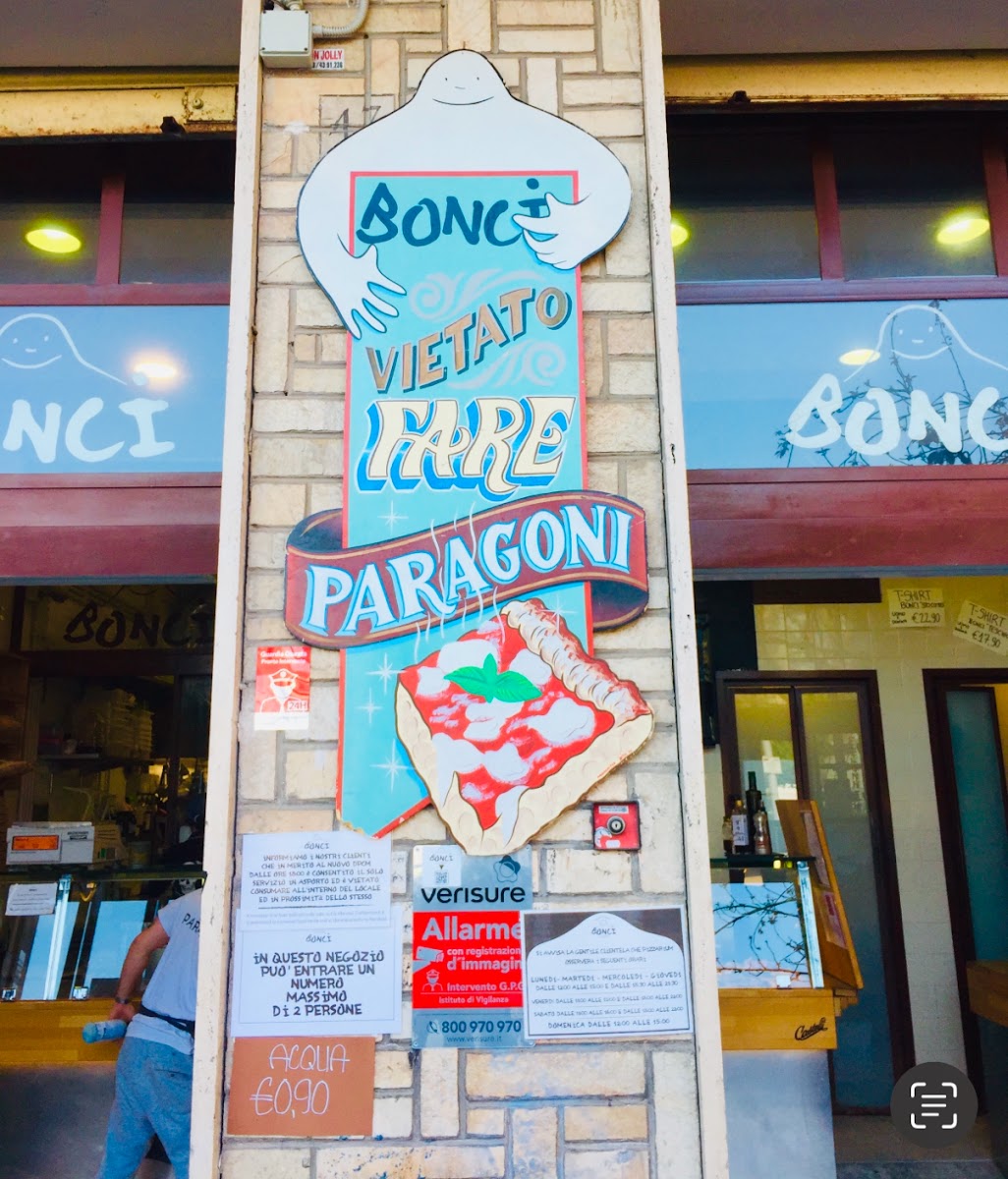
Pizzarium Bonci
€€€€ · 19,420 reviews
Pizza Lovers say: "Unique square slices with authentic flavors, like the broccoli, egg & potato. Service can be slow & seating is limited."
Antico Forno Roscioli, where 72-hour proofing felt normal early
Roscioli has been baking on Via dei Chiavari, a block off Campo de' Fiori, since 1874, which means the family worked out cold proofing about a century before the rest of the world rediscovered it. They rest the dough 72 hours; the bottoms shatter on contact and the crumb stays open to the edge. Start with the pizza rossa, no cheese, just tomato, olive oil and salt on a thin blistered base, the slice every other counter gets measured against. It is takeaway only, it fills at lunch, and the burrata slice sells out. The forno anchors a larger Roscioli universe a few doors down, but this is where the family's habits started.
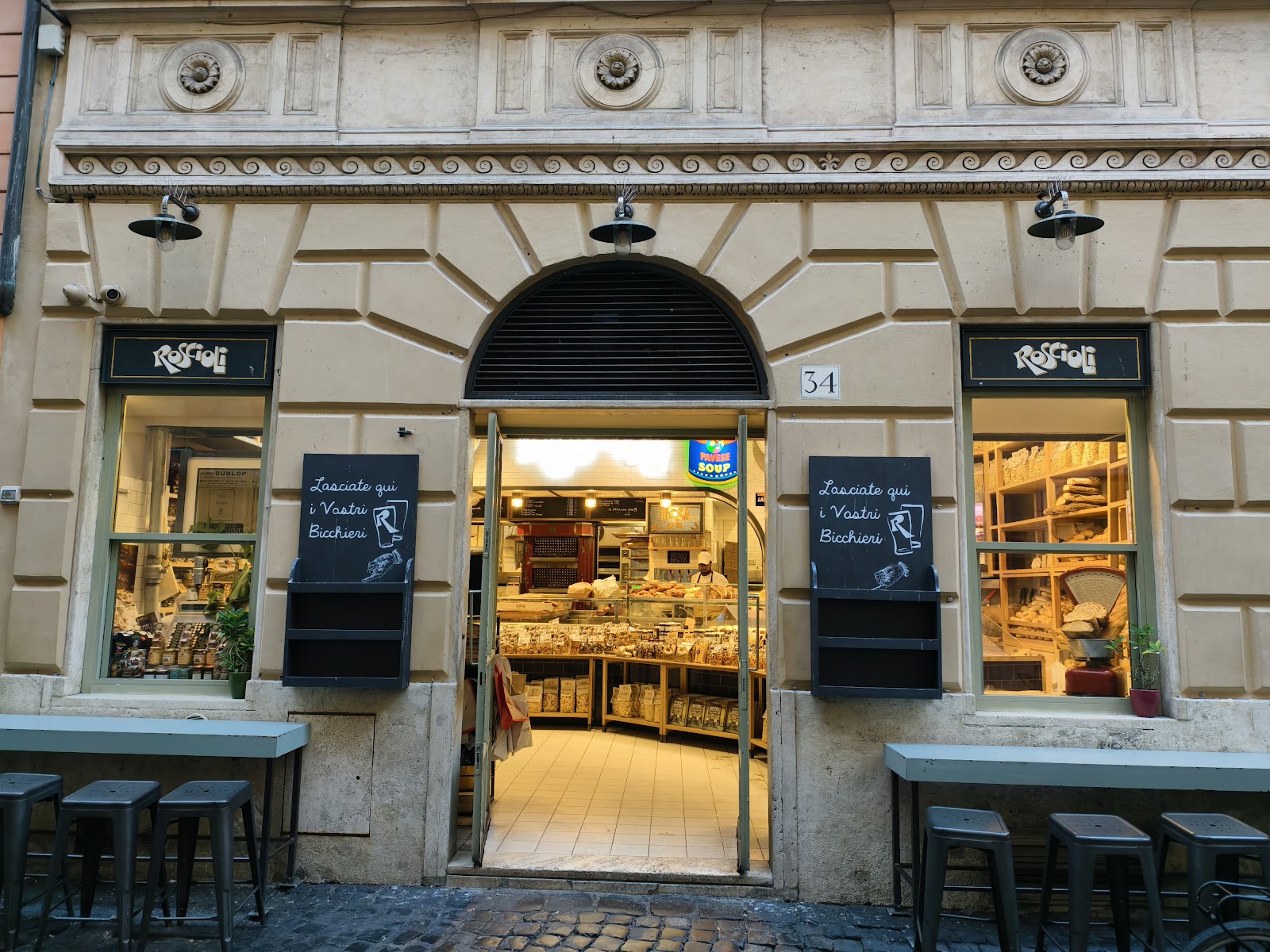
Antico Forno Roscioli
€€€€ · 9,160 reviews
Pizza Lovers say: "Delicious pizza al taglio with crisp bases and fresh toppings like the Pizza Burrata, but it's takeaway only and can be crowded."
CasaManco, the market stall with the 100-hour dough
CasaManco is a stall inside the Testaccio Market, and the chalkboard does the bragging: an organic blend of flours and a dough left to rise for 100 hours. The seasonal trays back it up, zucchini flower and burrata one morning, potato and rosemary the next, whatever the market gave up that day. That is how a market stall ends up with the highest score on this list. There is nowhere to sit, so eat it on the walk back through the stalls.
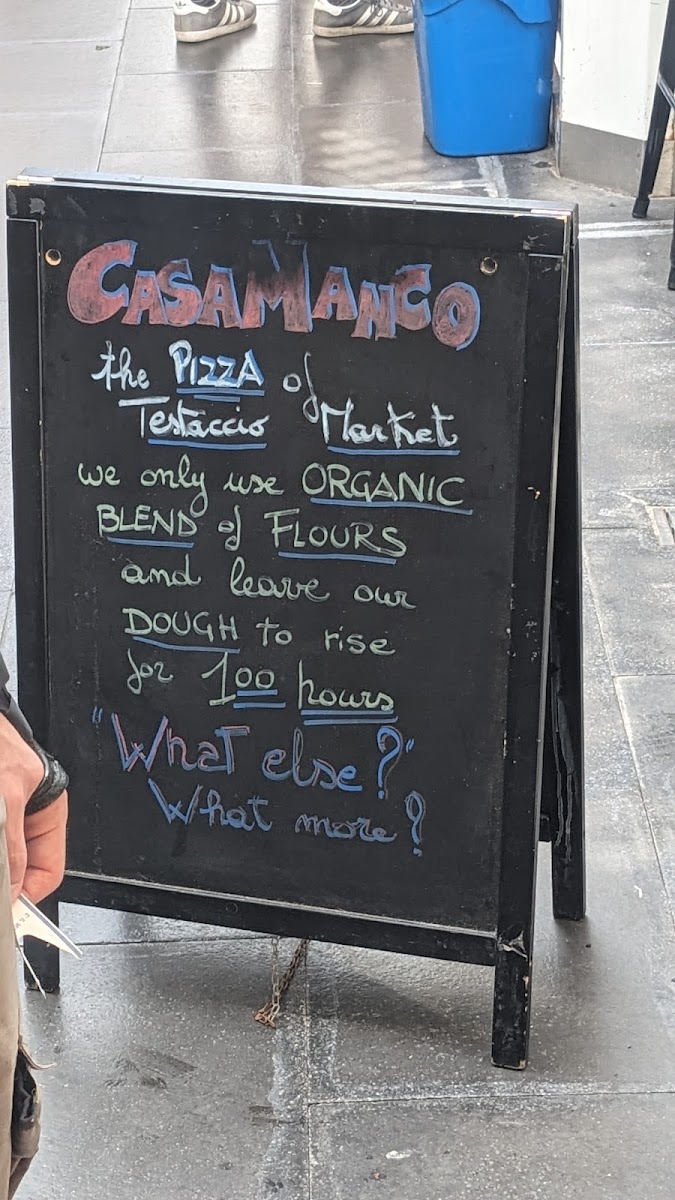
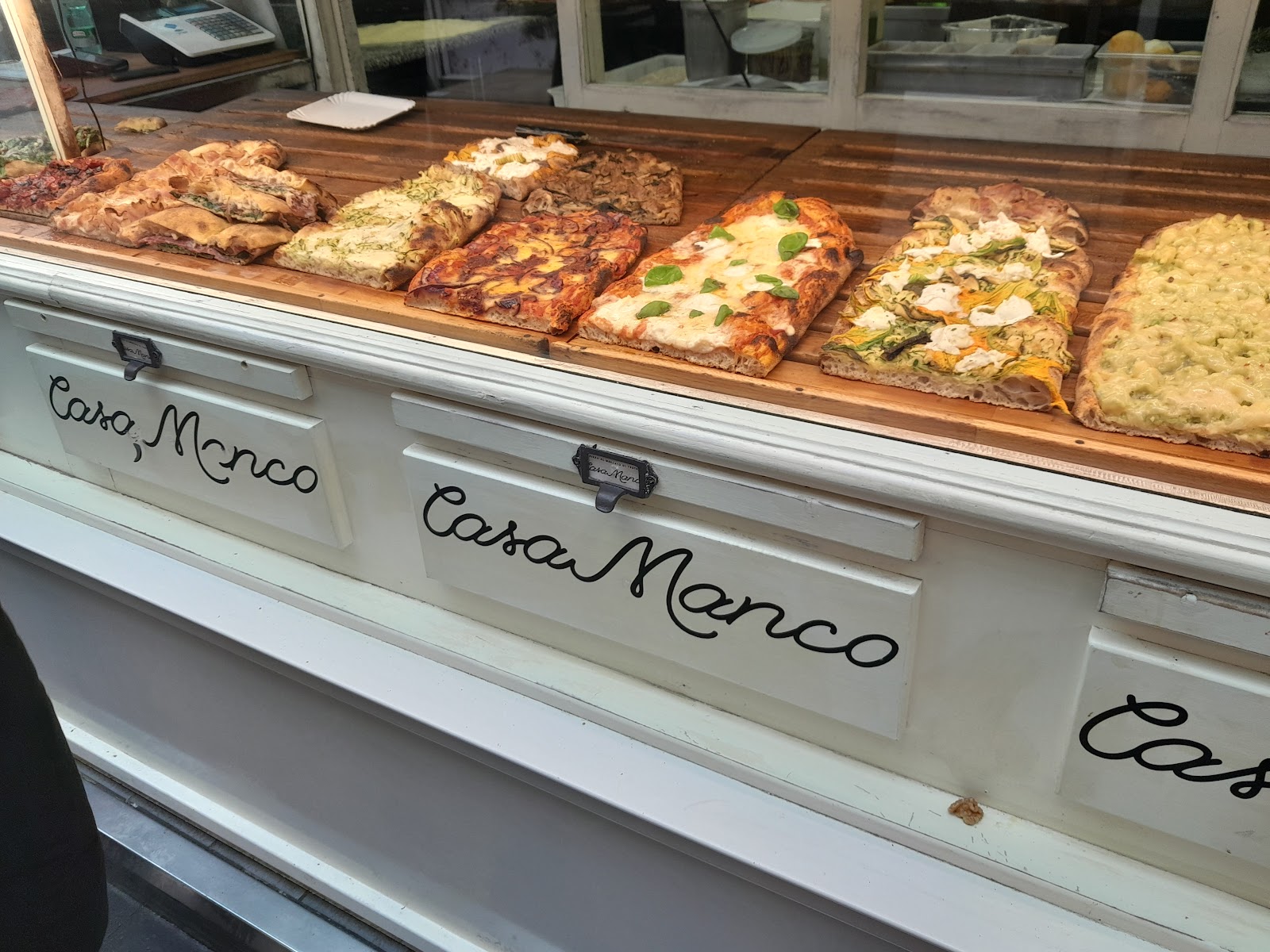
CasaManco
€€€€ · 2,110 reviews
Pizza Lovers say: "Authentic pizza al taglio, creative toppings, and delicious seasonal flavors. A little pricey and seating is limited."
Ruver, the Bonci graduate behind Circo Massimo
Alessandro Ruver trained under Bonci and opened a 24-square-meter shop on the Aventino slope behind Circo Massimo that fits six people if everyone holds their breath. The dough is 900 grams of type 1 flour at 70 percent hydration, baked in a Castelli electric deck for nine minutes a tray, landing somewhere between Roscioli's crisp shatter and Bonci's puff. The signature ragu slice tastes like coda alla vaccinara crossed with a sandwich; the chicken-and-potatoes borrows the scent of a Roman rotisserie. Slices run 2 to 6 euros, generous given the sourcing (Molino Belotti flours, Chianina beef, salumi from Macelleria Avagliano). For the full picture on what a slice costs, see our breakdown of Roman pizza prices.
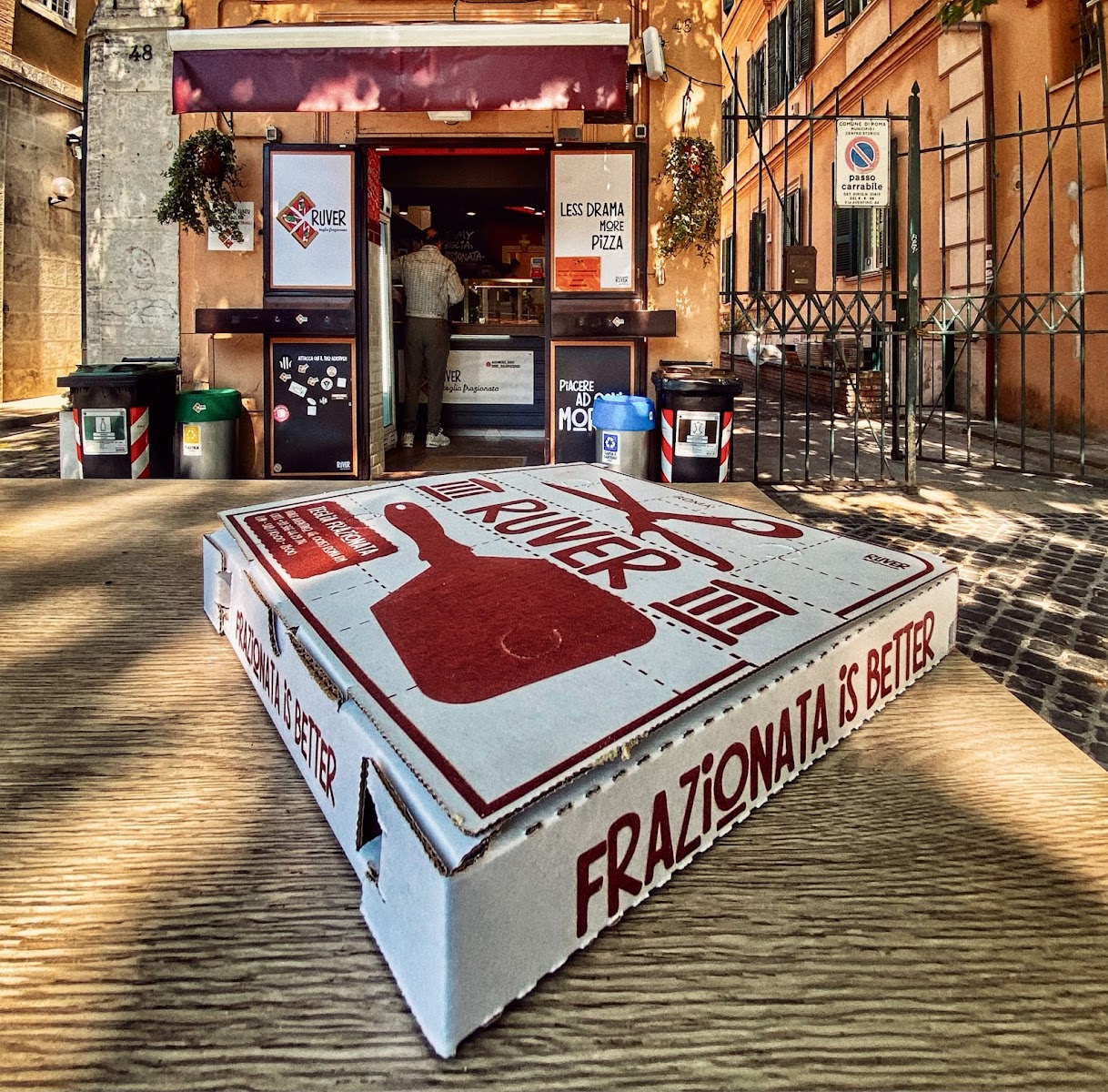
Ruver Teglia Frazionata
€€€€ · 619 reviews
Pizza Lovers say: "Amazing crispy chicken and margherita with mint, great value, and delicious Romana style slices. Seating is very limited and service could be happier."
Forno Campo de' Fiori, where pizza bianca is a meal
Pizza bianca is technically a focaccia, but in Rome that distinction is more theological than practical. Forno Campo de' Fiori has made it for more than three decades on the southwest corner of the square, and you smell it before you see it: sea salt and olive oil on dough pulled, dimpled, and slid into a wood oven hot enough to blister the top. Romans split it open for mortadella, prosciutto, or fig and stracciatella. Some eat it plain. There is no wrong answer, and at 2 to 3 euros for a basic slab it is the cheapest serious slice on the list.
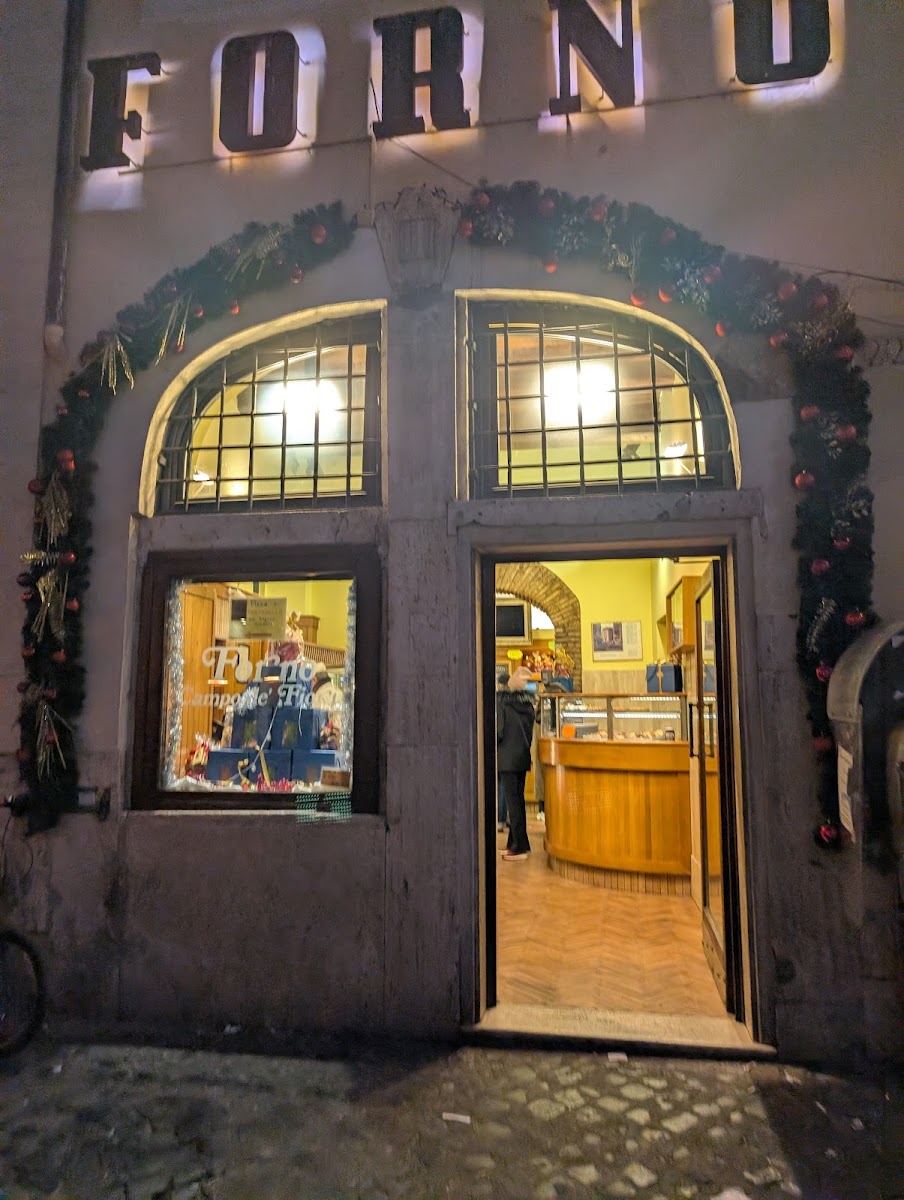
Forno Campo de' Fiori
€€€€ · 3,955 reviews
Pizza Lovers say: "Fresh tomatoes, crisp bread, and great pizza al taglio like the mortadella and mushroom. Some find the selection overwhelming."
La Renella, the Trastevere bakery still firing hazelnut shells
La Renella's oven dates to 1860, more than 160 years of continuous baking on Via del Moro. They burn hazelnut shells instead of wood or gas, which leaves a faint nuttiness in the base if you eat enough of it (you should). The pizza moves in three waves: rossa and bianca for the late morning, loaded slices through lunch, then the crostate take over by mid-afternoon. Trastevere is touristy now. La Renella has not adjusted itself to that. Good.
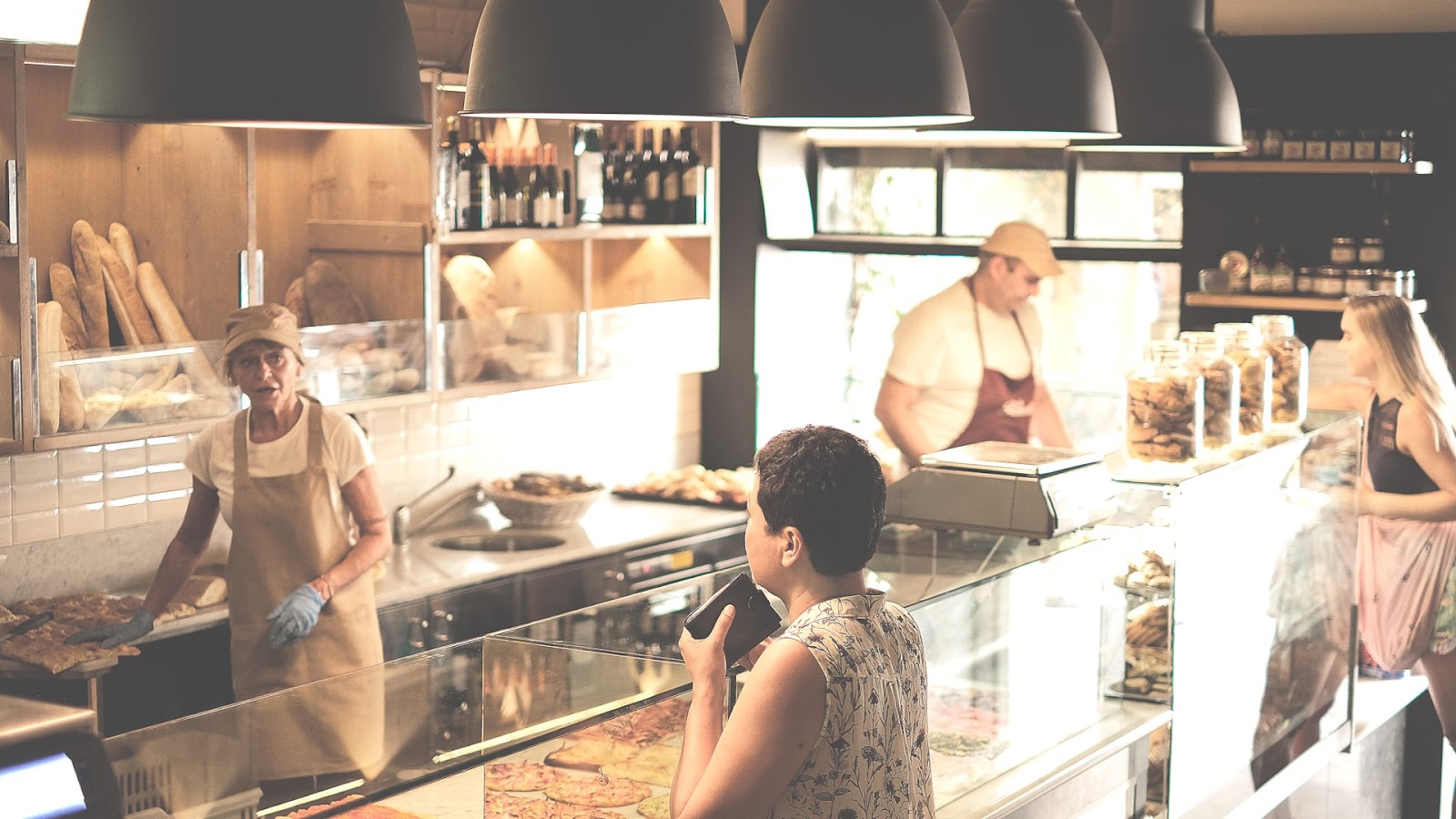
La Renella
€€€€ · 2,229 reviews
Pizza Lovers say: "Delicious panini, supreme focaccia slices, and Roman pizza with thin crust & great toppings. Pastry & coffee are mediocre."
Trapizzino, al taglio folded into a pocket
Stefano Callegari created the trapizzino in 2008 at his counter in Testaccio: a triangle of pizza bianca split open and stuffed with the braises Roman kitchens actually cook, pollo alla cacciatora, polpette al sugo, tongue in salsa verde. It is not a slab on a scale, but it comes from the same dough and the same instinct, and it is the rare Roman format that reached New York without losing the plot. The Piazza Trilussa counter in Trastevere is the easy one to find.
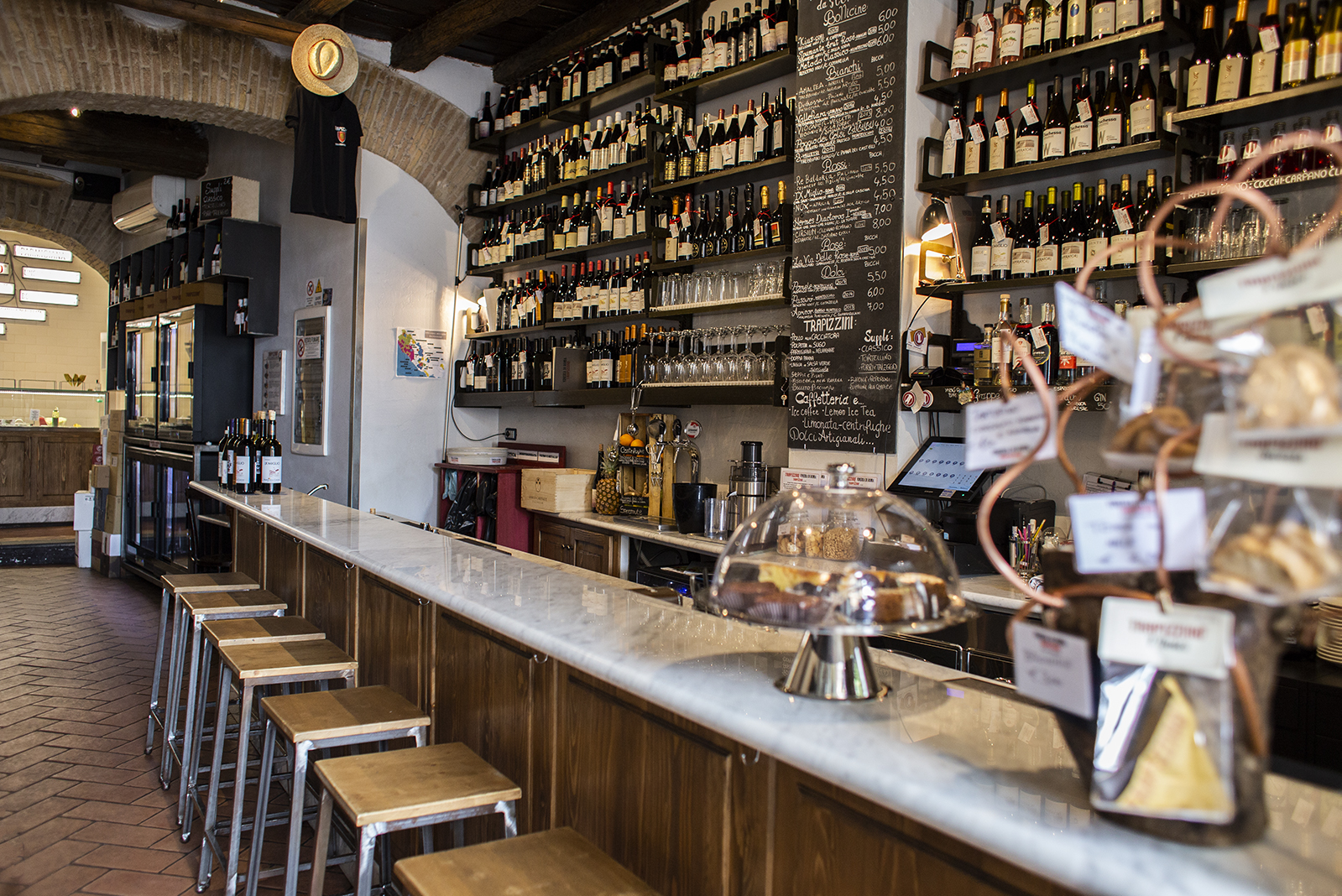
Trapizzino
€€€€ · 9,593 reviews
Pizza Lovers say: "Meatball and eggplant Trapizzinos are outstanding, as are the Suppli Classico. Food is delicious but there can be a wait."
Tiella, pizza romana on a mother starter
Tiella works a lievito madre, a natural mother starter, into a pizza romana that leans thin and blistered, and then makes the dish it is named for: the tiella, a layered rice, potato and mussel bake out of Puglia. It is a smaller name than the Bonci shops and the market stalls, which is exactly why the line is shorter and the counter has time to talk you through what came out of the oven that morning.
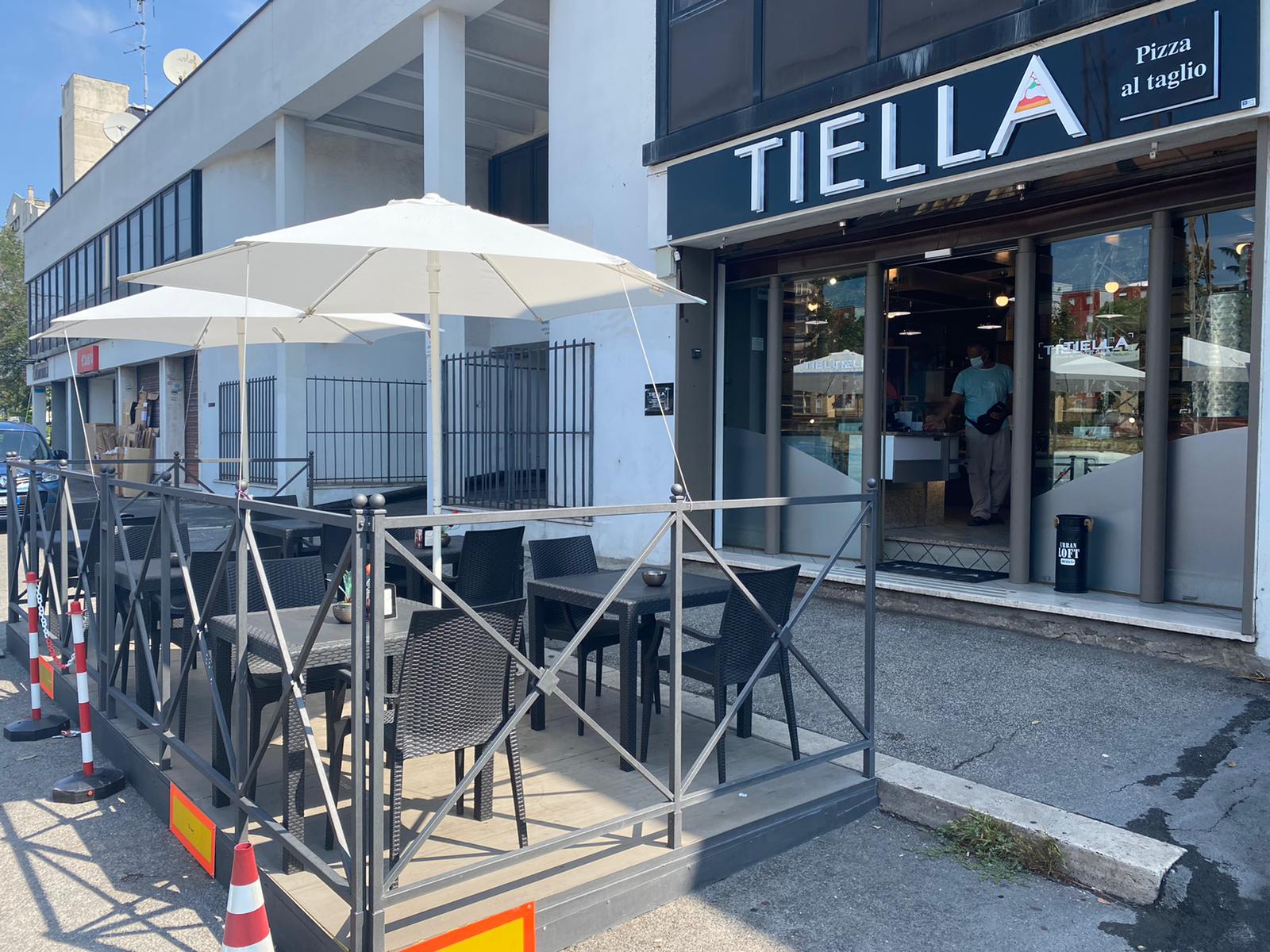
Tiella
€€€€ · 903 reviews
Pizza Lovers say: "Fantastic pizza romana, mother yeast for digestible crust, and friendly owners. The tiella di riso, patate e cozze is also a highlight."
Pizzeria La Boccaccia, the vegan rotation that pulls its weight
La Boccaccia sells Trastevere slices by weight, and the reason it earns a spot is the vegan rotation, which reads like a section someone actually cooks rather than a token line at the bottom of the board. It is one of the cheaper counters on the list, the kind of place you duck into between the bridges without thinking about it.
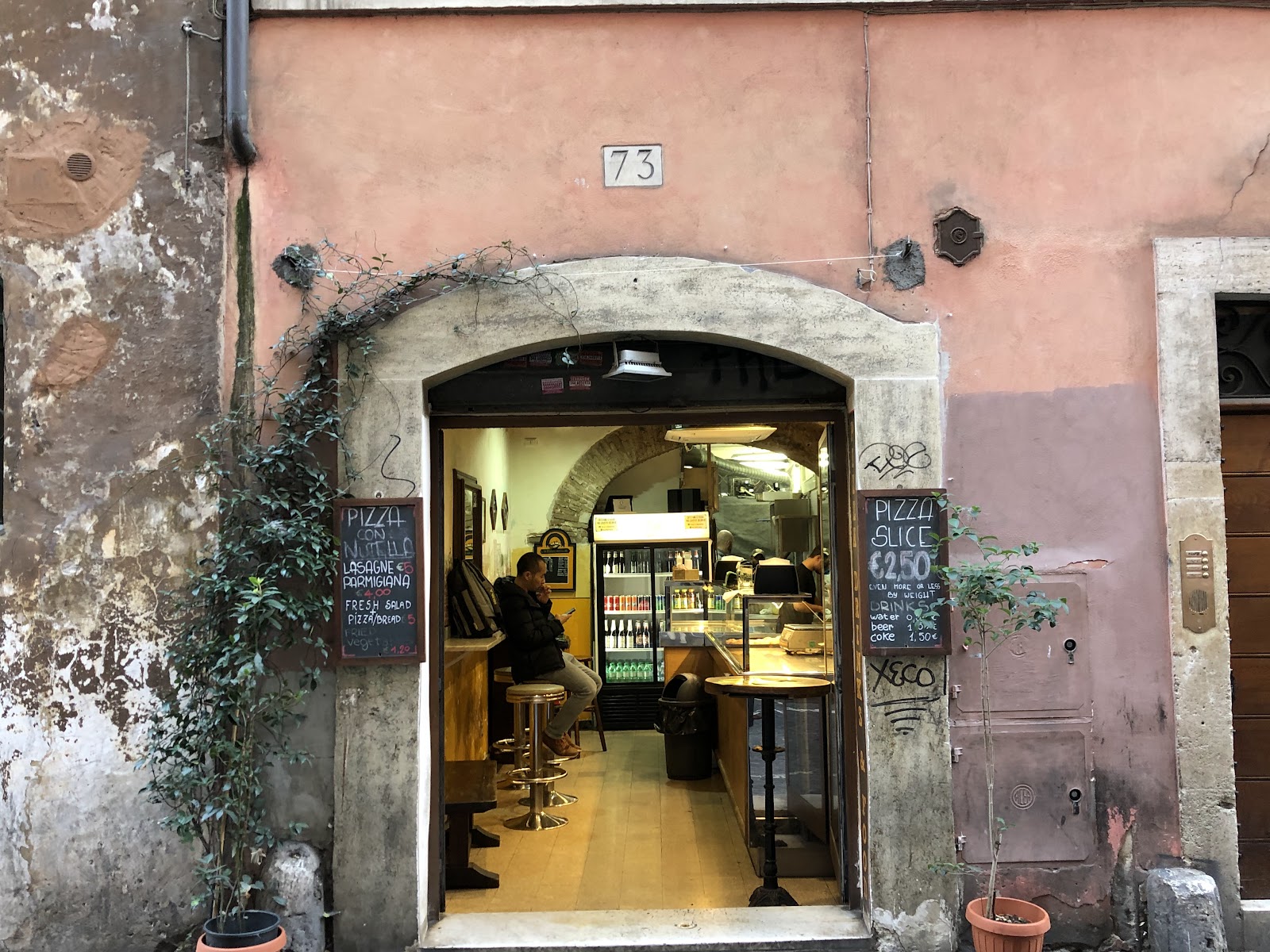
Pizzeria La Boccaccia
€€€€ · 2,982 reviews
Pizza Lovers say: "Fantastic crust, fresh ingredients, and great vegan options. Some found it a bit pricey by weight."
Amerina La Pizzetta, mini pizzette near Campo de' Fiori
Amerina does the small format: mini al taglio pizzette a few steps from Campo de' Fiori, cheap and fast, built for the walk rather than the table. It is the one you hit when you want a bite and a couple of euros of change back, not a meal.
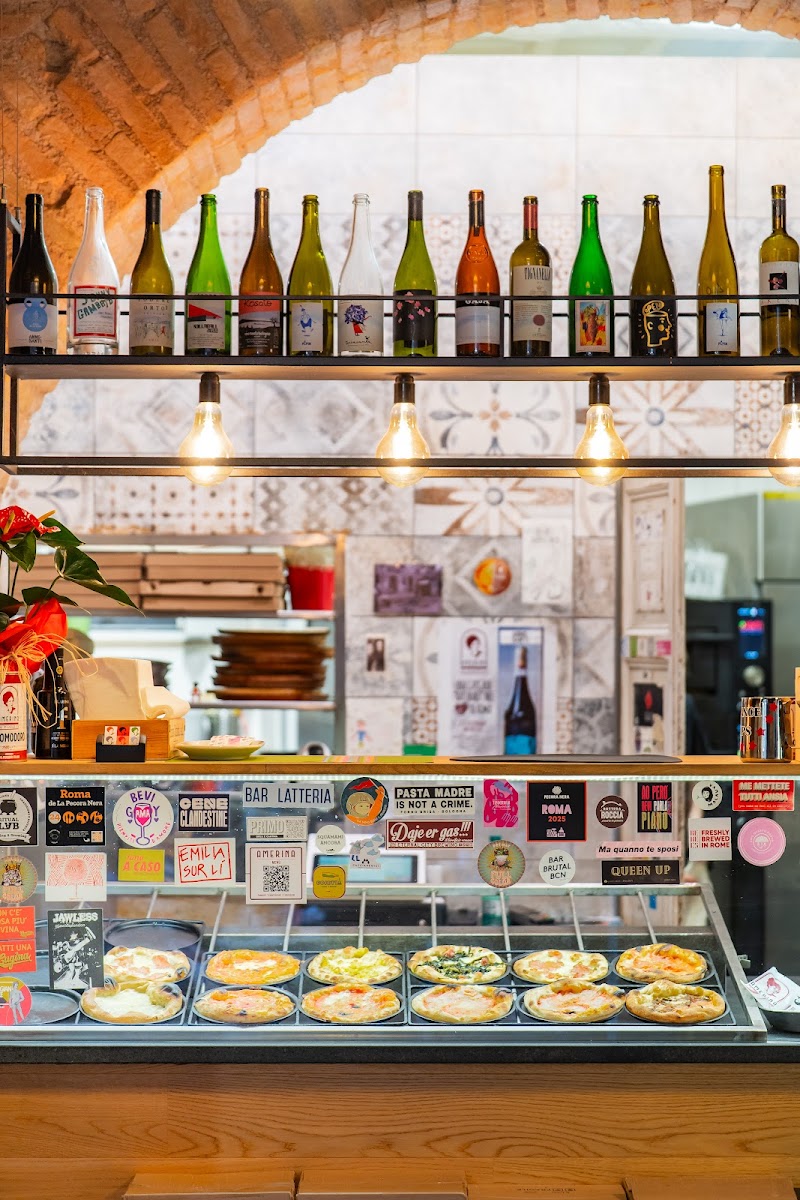
Amerina La Pizzetta
€€€€ · 1,444 reviews
Pizza Lovers say: "Amazing mini pizzas and delicious, high-quality pies. Service was a bit slow, but staff were phenomenal and it's affordable."
Panificio Bonci, the neighborhood bakery half of the empire
Panificio Bonci is Gabriele Bonci's bread bakery on Via Trionfale, the everyday counterpart to Pizzarium a few blocks away. You come for the slices, but the maritozzi and the loaves are half the reason the neighborhood keeps the line long. It is cheaper than Pizzarium and less of a scene, which some Romans will tell you quietly is the better visit.
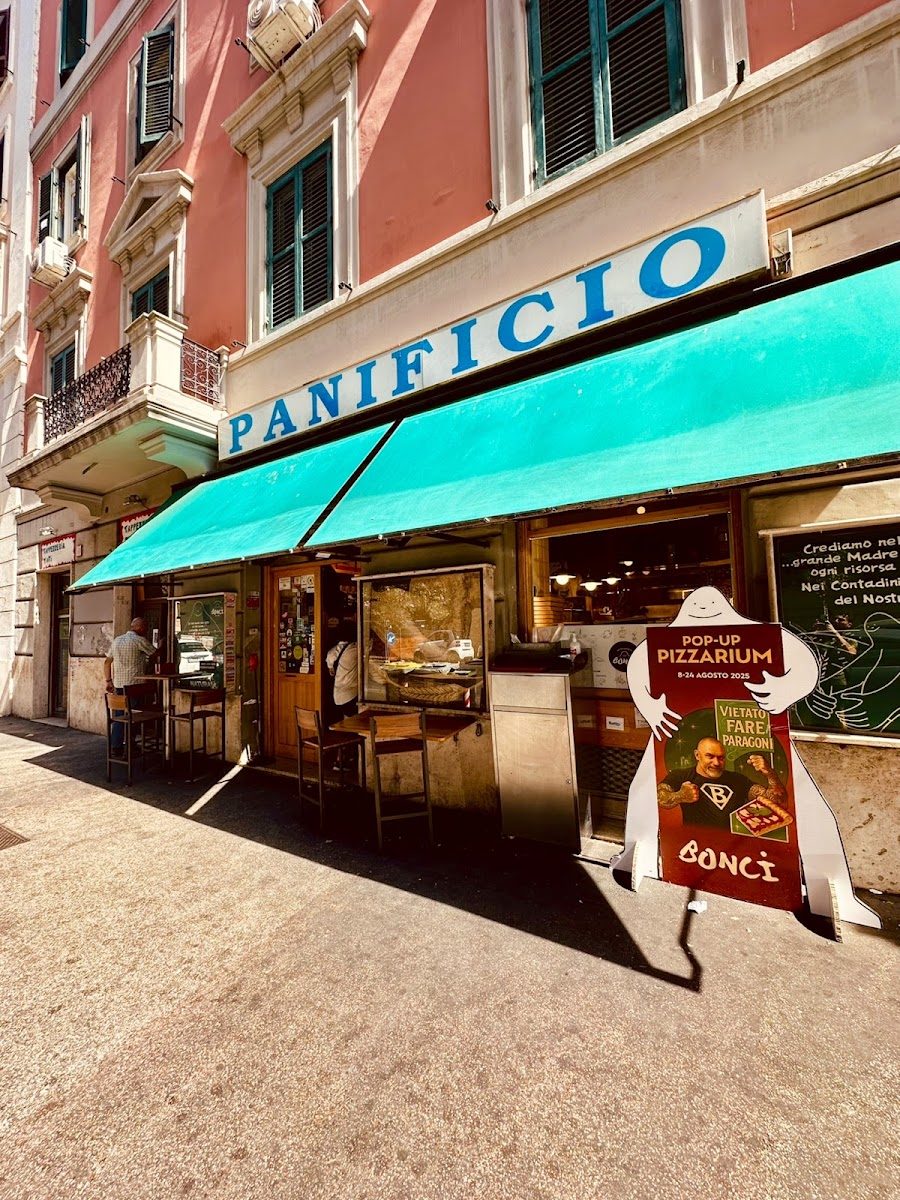
Panificio Bonci
€€€€ · 3,956 reviews
Pizza Lovers say: "Maritozzi, divine organic chicken, and friendly staff. Some found pizzas tasty but not wowing, and seating is limited."
How do you actually order it?
Order by the gram. Point at the slice you want and let the baker cut a section about the size of your palm; "questo" plus a gesture for more or less is enough Italian. Most places will reheat it (ask "puo scaldarlo?"); a few purists won't, and they are correct. Eat it folded in half, cut side up, so the toppings don't slide. Drink water or a small beer. Don't sit down. There are no seats at most of these places anyway, and that is the point.
We didn't rank these by the length of the line or the prettiest tray in the case. We ranked them by what people who came for the pizza, not the photo, actually thought. Bring cash, point at what looks good, and eat it standing up like a Roman.