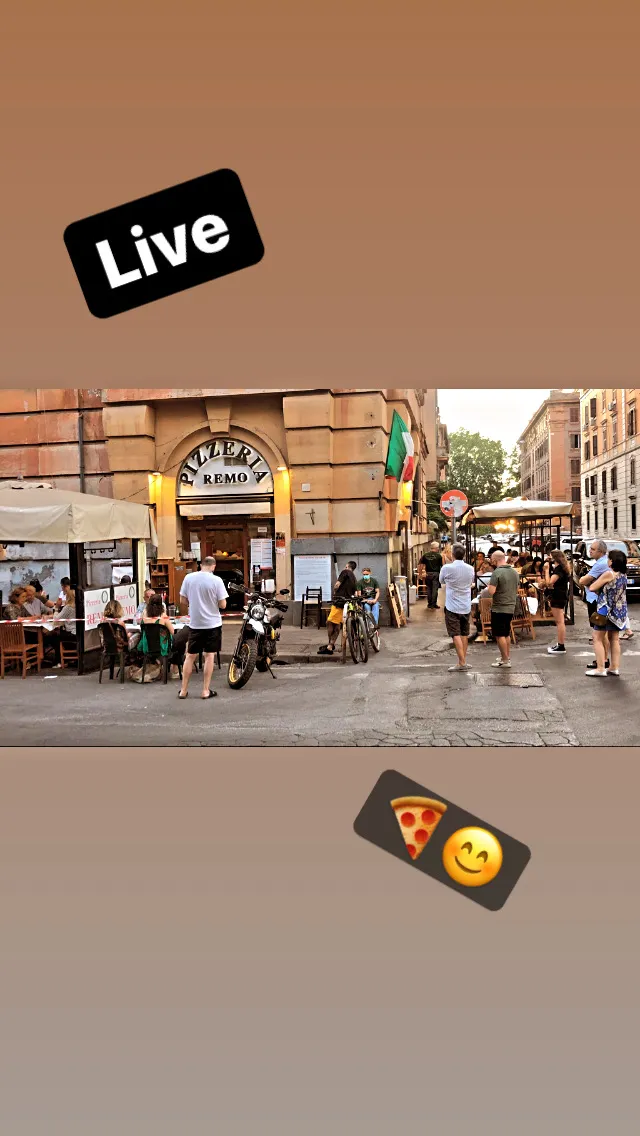
Pizza in Rome is not one thing, and the pricing follows that. The city has two complete pizza traditions that share a name, a dough, and almost nothing else. Pizza al taglio is a rectangular tray pizza, baked in an electric deck oven, sold by weight at a counter, eaten standing up. Tonda romana is a thin, crackly, hand-stretched 30-centimeter round, baked in a wood oven, served at a sit-down pizzeria with a knife and a fork.
Different dough. Different bake. Different setting. Different cost. Here is how each one works in 2026.
Price Tiers at a Glance
| Format | Where | Price for 1 Person (2026) | Example |
|---|---|---|---|
| Pizza bianca (al taglio) | Neighborhood bakery forni | €2-€3 | Forno Campo de' Fiori |
| Standard al taglio portion | Historic center counter | €3-€5 | La Boccaccia, Trastevere |
| Premium al taglio portion | Chef-led, high-ferment | €5-€8 | Pizzarium Bonci |
| Trapizzino (stuffed focaccia triangle) | Counter, hot-to-eat | €5 | Trapizzino, Stefano Callegari |
| Tonda romana Margherita | Neighborhood pizzeria, sit-down | €7-€9 | Classic Roman spot |
| Tonda romana with specials | Historic center or chef-led | €12-€18 | Seu Pizza Illuminati |
Add a drink and cover charge to a sit-down meal: €15-€25 at a normal pizzeria, €30-€45 at chef-led rooms.
How does al taglio pricing actually work?
The key thing to understand about al taglio is that you do not order a slice. You point. The person behind the counter cuts a piece off the long rectangular slab, weighs it on a scale at the register, and charges you by the kilogram. A typical "normal" portion is 200 to 300 grams and ends up around €3 to €5.
The per-kilo price tells you what tier you are in.
- €12 to €18 per kg: neighborhood al taglio, working forni, the bakery on your block. A pizza bianca portion for €2.
- €20 to €30 per kg: the better-known counters in the historic center. Pizzeria La Boccaccia in Trastevere sits in this band.
- €30 to €50 per kg: the chef-led top of the market. Pizzarium Bonci near the Vatican, Gabriele Bonci's reference al taglio, is the upper end of this band. The toppings get heavy and the dough gets long-fermented, and the kilo price reflects it. A normal portion lands at €5 to €8.
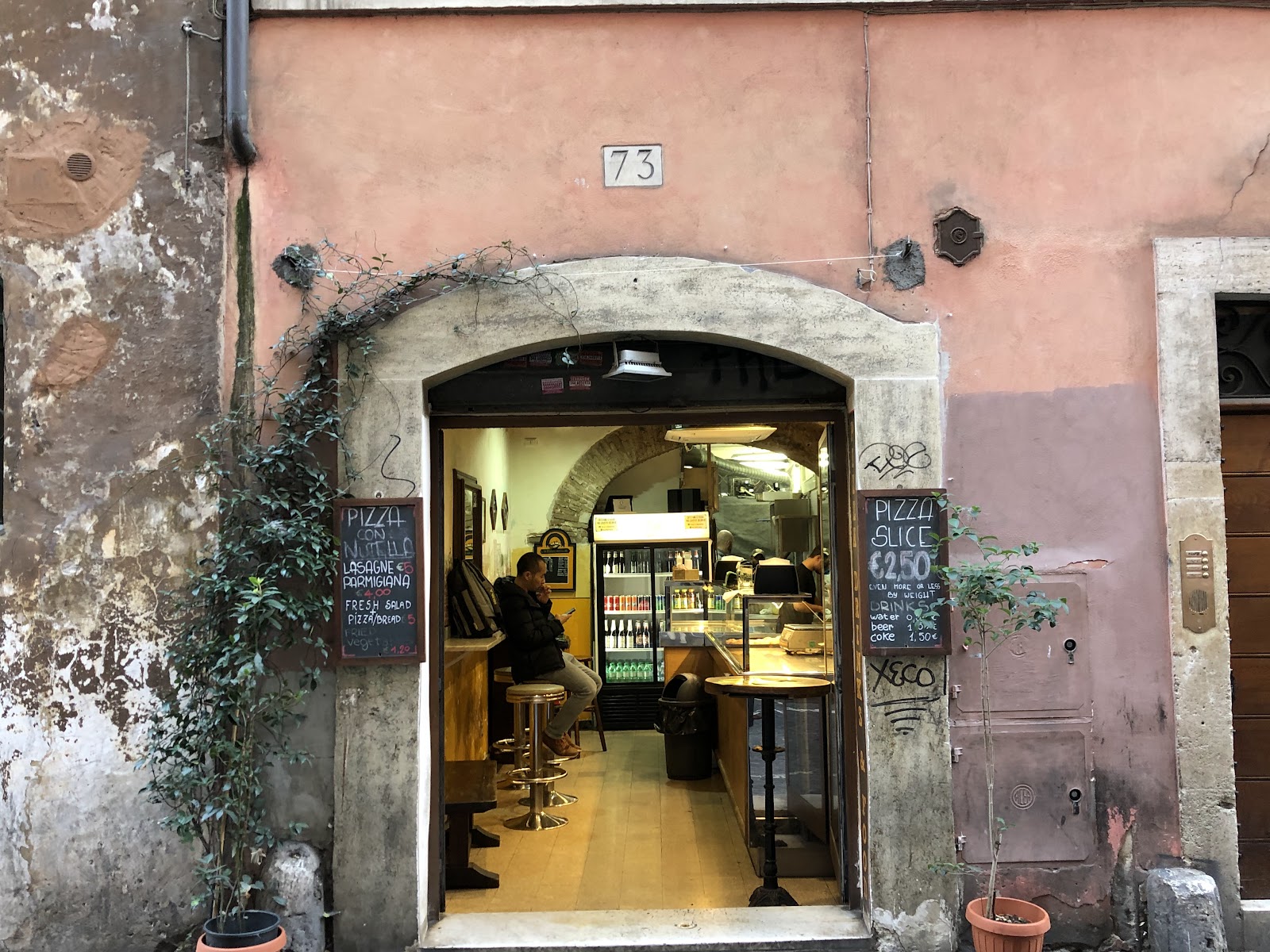
Pizzeria La Boccaccia
€€€€ · 2,982 reviews
Pizza Lovers say: "Fantastic crust, fresh ingredients, and great vegan options. Some found it a bit pricey by weight."
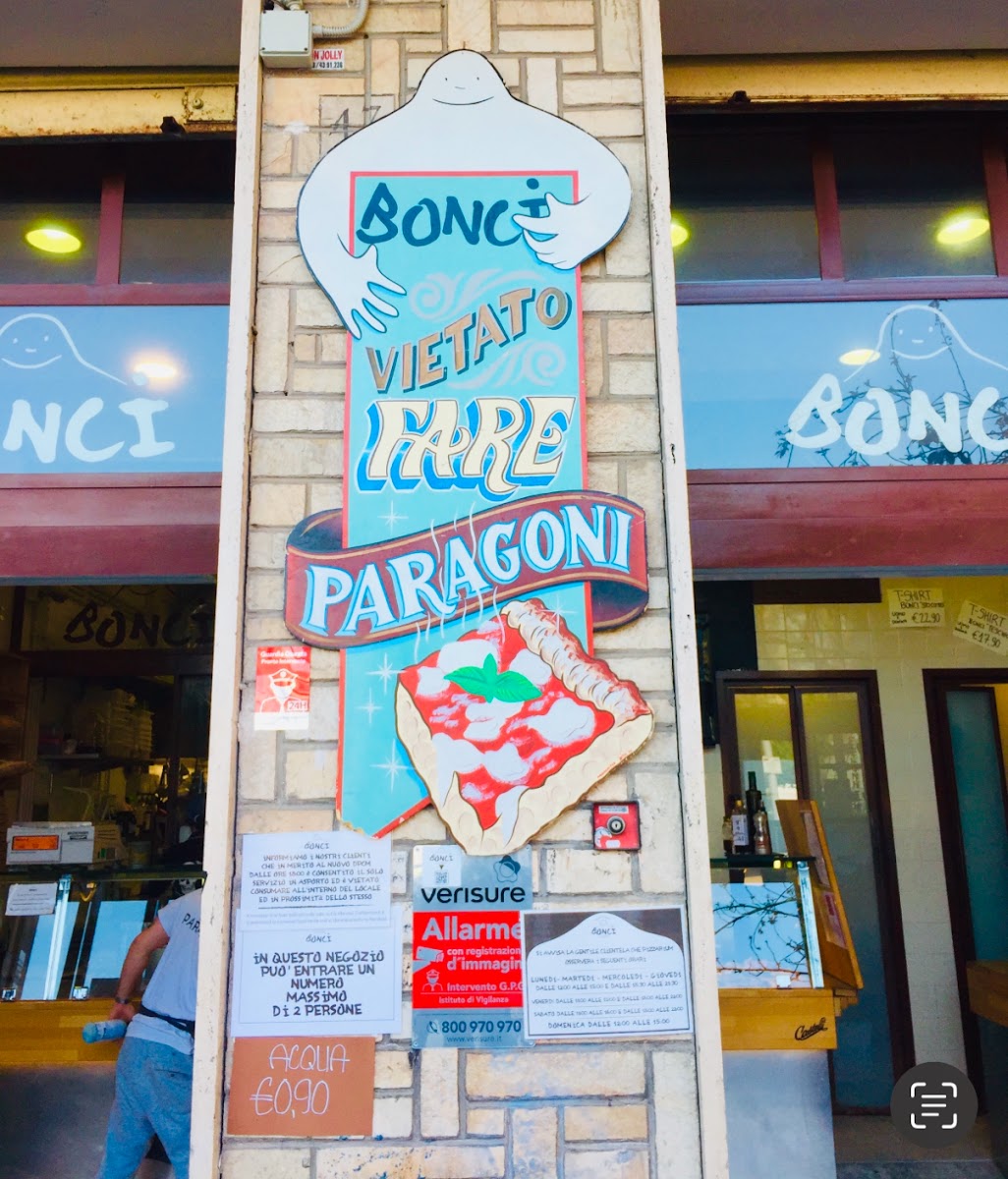
Pizzarium Bonci
€€€€ · 19,420 reviews
Pizza Lovers say: "Unique square slices with authentic flavors, like the broccoli, egg & potato. Service can be slow & seating is limited."
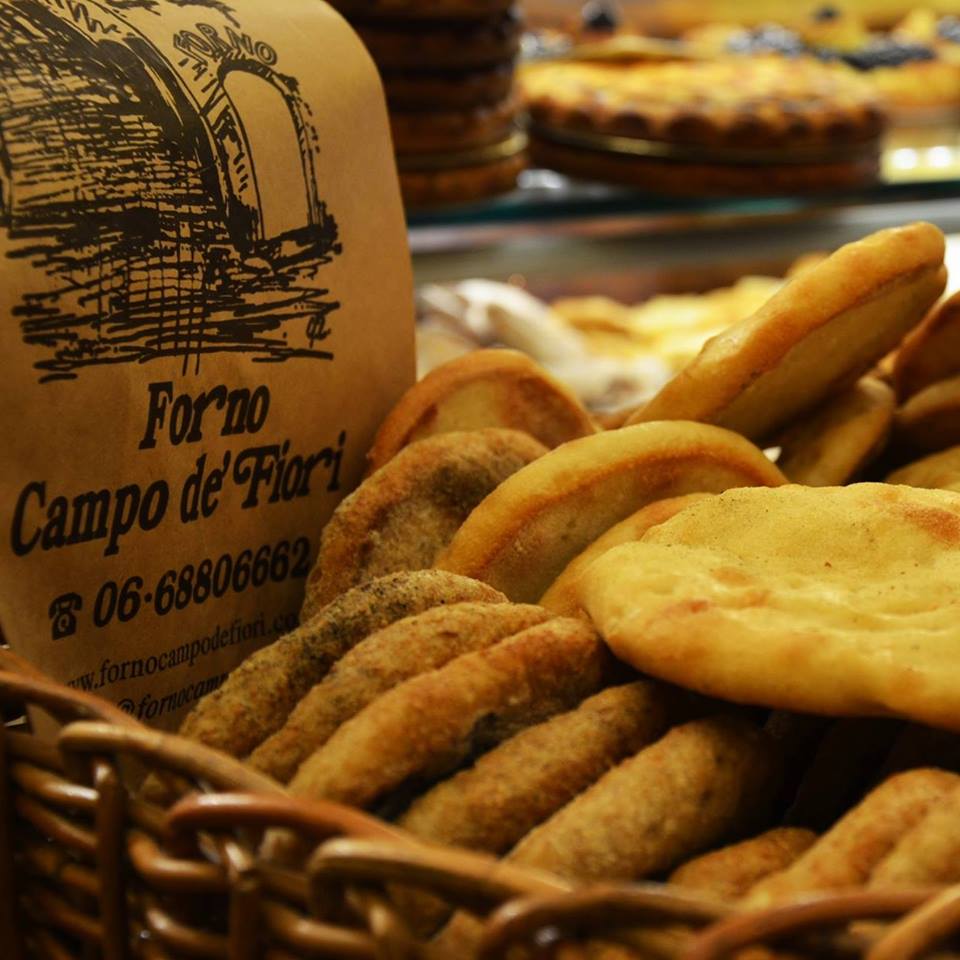
Forno Campo de' Fiori runs the pizza bianca form, the spare oil-and-salt rectangle that Rome eats more of than anything else. A square the size of a paperback book is around €3.
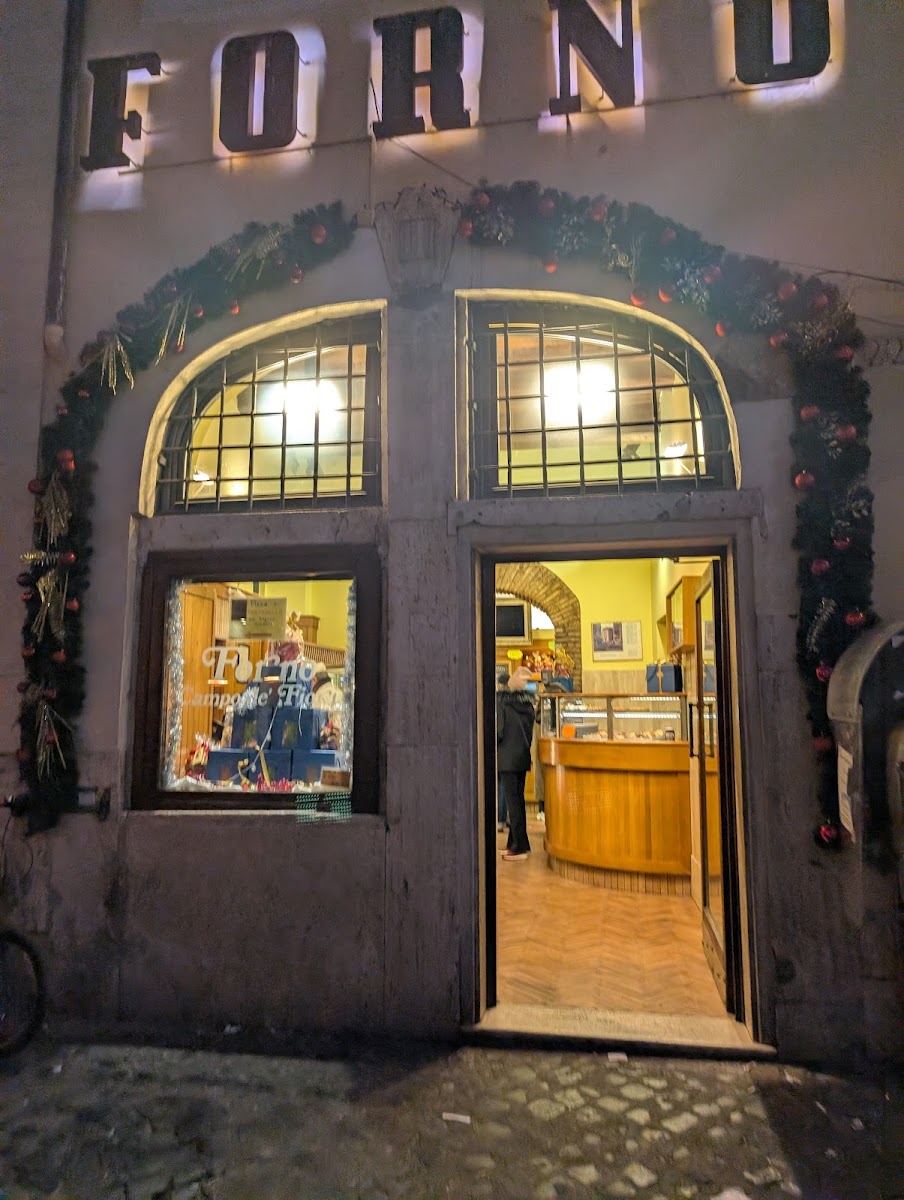
Forno Campo de' Fiori
€€€€ · 3,955 reviews
Pizza Lovers say: "Fresh tomatoes, crisp bread, and great pizza al taglio like the mortadella and mushroom. Some find the selection overwhelming."
Antico Forno Roscioli in the Jewish quarter is the historic bakery half of the same tradition, with a focused al taglio counter, a focaccia program, and a price band similar to Bonci.
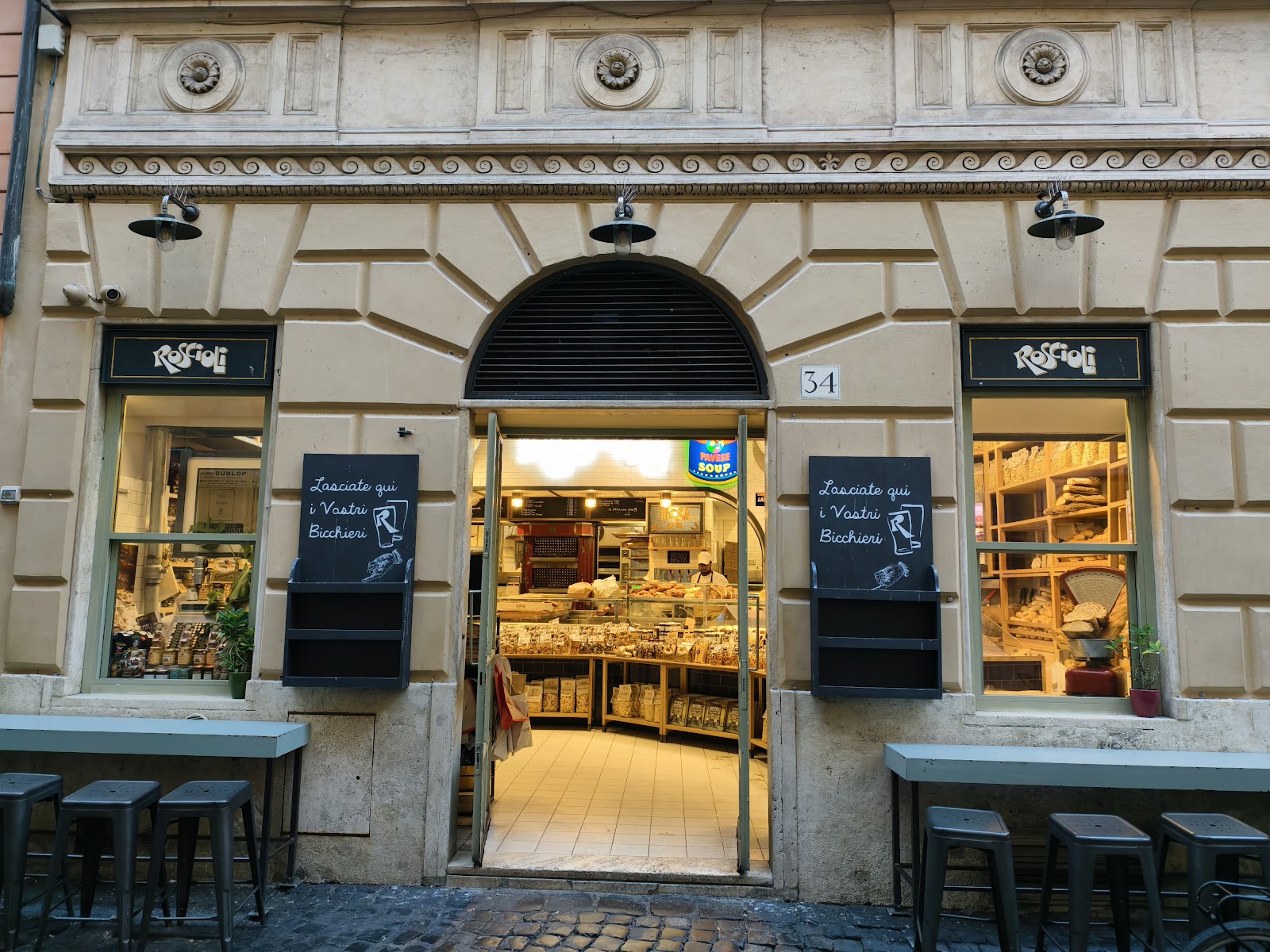
Antico Forno Roscioli
€€€€ · 9,160 reviews
Pizza Lovers say: "Delicious pizza al taglio with crisp bases and fresh toppings like the Pizza Burrata, but it's takeaway only and can be crowded."
The genre's modern off-shoot is the trapizzino, a triangle of focaccia stuffed with stews and traditional Roman fillings. Trapizzino, Stefano Callegari's shop, sells the original. Around €5 for a single, hot, filled triangle.
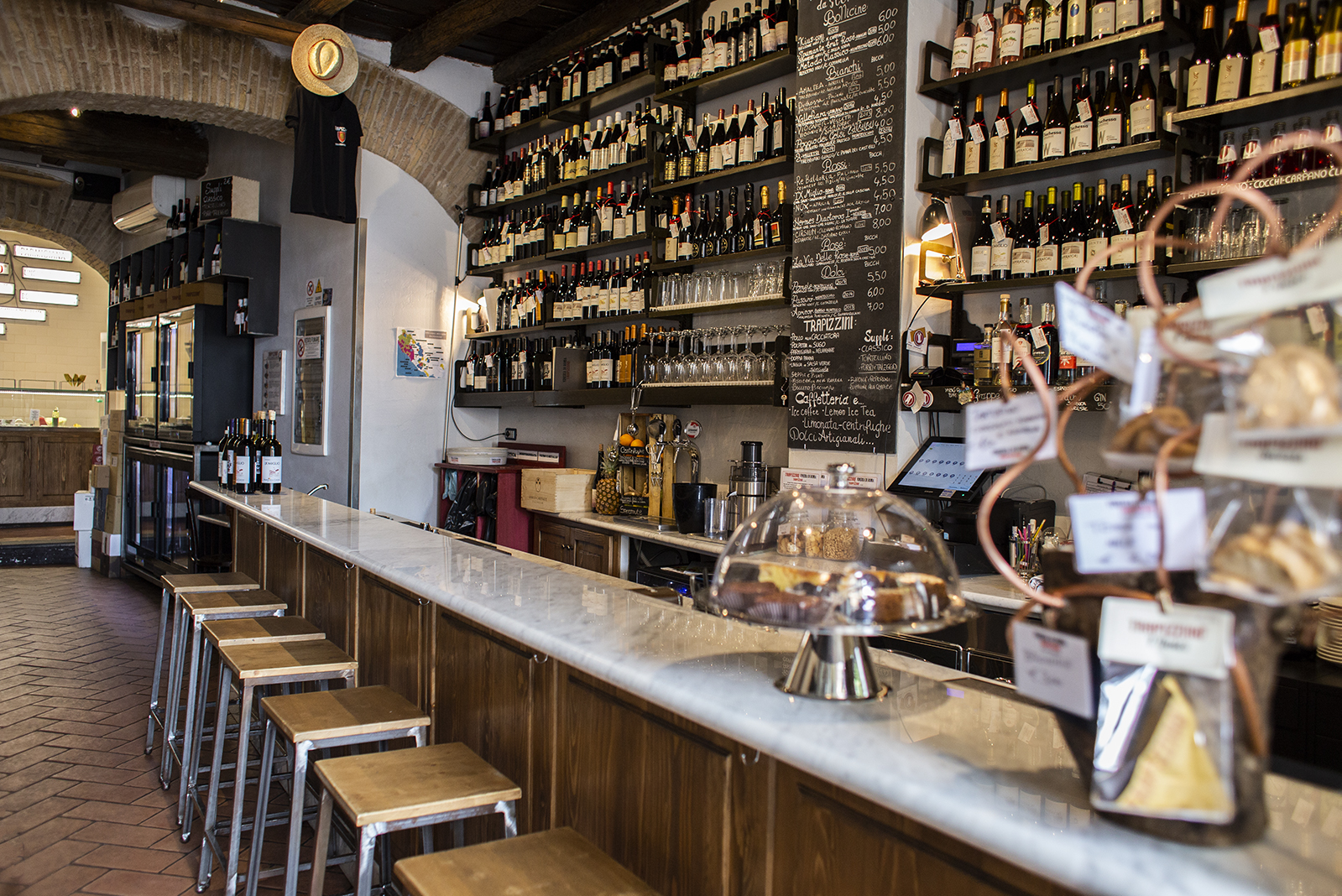
Trapizzino
€€€€ · 9,593 reviews
Pizza Lovers say: "Meatball and eggplant Trapizzinos are outstanding, as are the Suppli Classico. Food is delicious but there can be a wait."
A normal al taglio lunch in Rome, a portion and a small drink, lands at €5 to €8. That is the cheapest serious pizza you can eat in any major European capital. See our guide on the best pizza al taglio shops in Rome for the full ranked list.
How much is a tonda romana?
Tonda is the sit-down side. A 30-centimeter round, hand-stretched to a scrocchiarella (cracker-thin) base, baked in a wood oven at high heat, served whole on a plate. You order one per person.
- €7 to €9 for a Margherita at a neighborhood Roman pizzeria. This is the city's everyday number.
- €9 to €12 in the historic center and the tourist circuit.
- €10 to €15 at the modern chef-led pizzerias. Seu Pizza Illuminati in Trastevere, Pier Daniele Seu's pizzeria, has a Margherita around €11 and specials that climb past €18. Sbanco runs a similar band.
- €20 and up: signature pies with prosciutto di Parma, buffala campana, or shaved truffle at the chef pizzerias. Seu's tasting pies can push past €25.
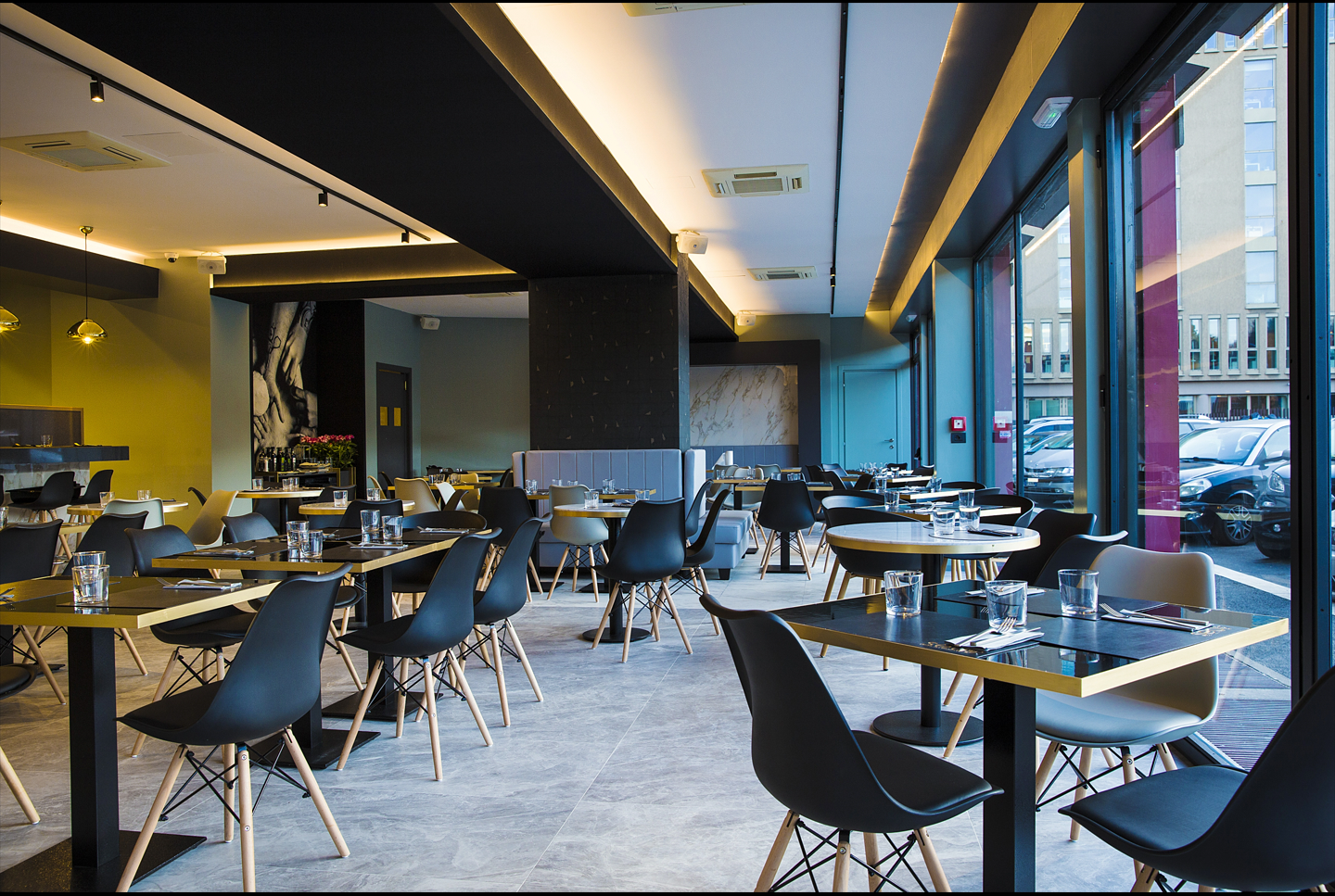
Seu Pizza Illuminati
€€€€ · 5,817 reviews
Pizza Lovers say: "Pier Daniele Seu's wood-fired pizzas near Trastevere are praised for their soft, cloud-like dough with a satisfying crunch, using carefully sourced toppings and backed by an impressive wine and champagne list. Tables fill quickly so booking ahead is recommended."

Sbanco
€€€€ · 3,207 reviews
Pizza Lovers say: "The Caccio & Pepe and Arrabbiata e Stracciatella pizzas are stars. Menu is somewhat limited and location is far out."
Add a coperto (cover charge) of €2 to €3 per person, a drink at €4 to €6, and a small starter, and a sit-down dinner at a normal Roman pizzeria lands at €15 to €25 per person. At a chef-led pizzeria: €30 to €45. Rome stays well below New York on the sit-down side, and well above Naples pricing. For a comparison across major pizza cities, see our piece on pizza prices in New York.
Why does pizza split this way in Rome?
Because the city had two completely separate trades. The al taglio rectangle came out of the historic forni, the city's neighborhood bakeries, who used the leftover oven heat at the end of the bread bake to make a long slab pizza. That is why al taglio is sold by weight, like bread, and eaten standing up, like a snack.
The tonda came out of the Lazio sit-down restaurant tradition, with the wood oven and the table service, an evening meal rather than a daytime snack. The two never crossed. They still mostly do not. A Roman who wants pizza at noon goes to a forno. The same Roman wanting pizza at nine pm goes to a pizzeria. Two pizzas, two traditions, two prices.
What connects them is the dough culture of the city. The high hydration that defines Bonci's al taglio is the same intellectual move that defines Romana tonda's thin scrocchiarella. Both push the dough hard before the topping. The Al Taglio tag tracks the bakery side.