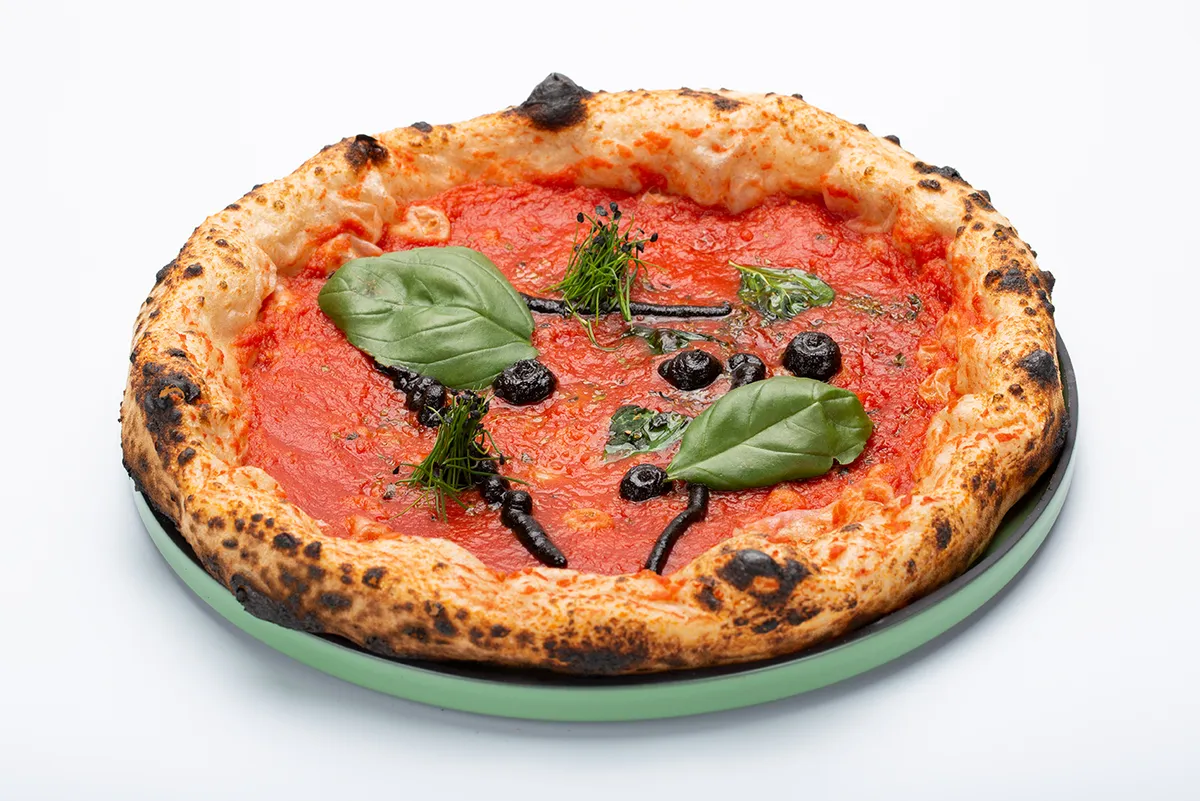
Milan is the city of the evening passeggiata past lit-up shop windows, of fashion week, of design fairs and aperitivo with a view. It runs on the new, the polished, the next thing. That same instinct shows up on the plate. The pizza that locals get excited about here is the Contemporanea and the high-end stuff, dough engineered for weeks and toppings sourced like a tasting menu, the absolute opposite of a one-euro pizza Al Taglio you grab off a Naples counter. Both are pizza. Only one fits a city that treats dinner like a designed object.
Ask most travelers where to eat pizza in Italy and they say Naples. Ask a Milanese, and you get a longer answer, because over the last decade Milan turned into one of the country's most serious pizza cities. The dough here is slow-fermented and light, the toppings are sourced like a tasting menu, and the best rooms book out a week ahead. This is the Milan pizza scene the way locals actually eat it: a wave of Neapolitan and contemporanea pizzerias up north, and one proud hometown slab that predates all of it.
Why is Milan suddenly a pizza city?
Milan is a transplant town. Cooks, money, and appetite all moved here, and Naples came with them. What started as a few homesick Neapolitans frying dough turned into something denser: pizzaioli from Salerno, Caserta, and the Cilento coast opening rooms in Milan and then competing, hard, to out-ferment and out-source each other. The result is two overlapping styles worth knowing. Classic Neapolitan means a 60-second bake in a screaming wood oven, a puffy leopard-spotted rim, a center soft enough to fold. Contemporanea is the Milan mutation: longer fermentation, higher hydration, a crust that is airy and almost weightless, built to carry ingredient-driven toppings without sitting heavy. Both are everywhere now, often under the same roof.
Where Milan's Top Pizzerias Rank
| Rank | Spot | City | Style | Why |
|---|---|---|---|---|
| 1 | L'Antica Pizzeria da Michele Milano | Milan | Neapolitan | Piazza della Repubblica; Reference-point Forcella import, classic Margherita, wet tender dough |
| 2 | Confine – Pizza e Cantina | Milan | Neapolitan | Cinque Vie; Two-partner kitchen from Salerno, white-tablecloth pizza with wine pairings |
| 3 | Vincenzo Capuano Milano | Milan | Italian | Porta Romana; Pillowy cornicione, gold-scissor table finish, theatrical plating |
| 4 | Starita a Milano | Milan | Neapolitan | Corso Sempione; Two-century Materdei lineage, hot oven, masterclass marinara, no reservations |
| 5 | Lievità | Milan | Neapolitan | Long-leavened, light crust engineered for full-pie finishing |
| 6 | Giolina | Milan | Italian | Porta Venezia; Soft fermented base, burrata three ways, seasonal vegetables |
| 7 | Berberè Pizzeria (Stazione Centrale Milano) | Milan | Contemporanea | Berberè, Stazione Centrale; Live sourdough starter, crust-first philosophy, dipping sauces |
| 8 | Assaje | Milan | Neapolitan | Sarpi; Bubble-topped Neapolitan pies, bold meat-and-cheese combinations, complimentary fried bits |
| 9 | Confine – Pizza e Cantina | Milan | Neapolitan | Confine, Cinque Vie; Tasting menus with wine pairings, Michelin-level pizza |
| 10 | Corner 58 | Milan | Neapolitan | Città Studi; Beautifully hydrated dough, crackling and airy, restrained toppings |
| 11 | Modus | Milan | Neapolitan | Porta Romana; Cilento coast inspiration, long-leavened dough, ricotta-stuffed crust |
Where do locals eat the best Neapolitan pizza?
The Naples imports anchor the scene, and they are not knockoffs. They are the real names, run by people who learned in Campania and then raised their game for a tougher audience.
The most famous arrival is the Forcella institution that planted a Milan outpost on Piazza della Repubblica. The menu is deliberately short, the dough is wet and tender, and the margherita is the whole argument: tomato, fior di latte, basil, oil, nothing to hide behind. It is the bake that made Naples pizza a religion, served a few tram stops from the Duomo.
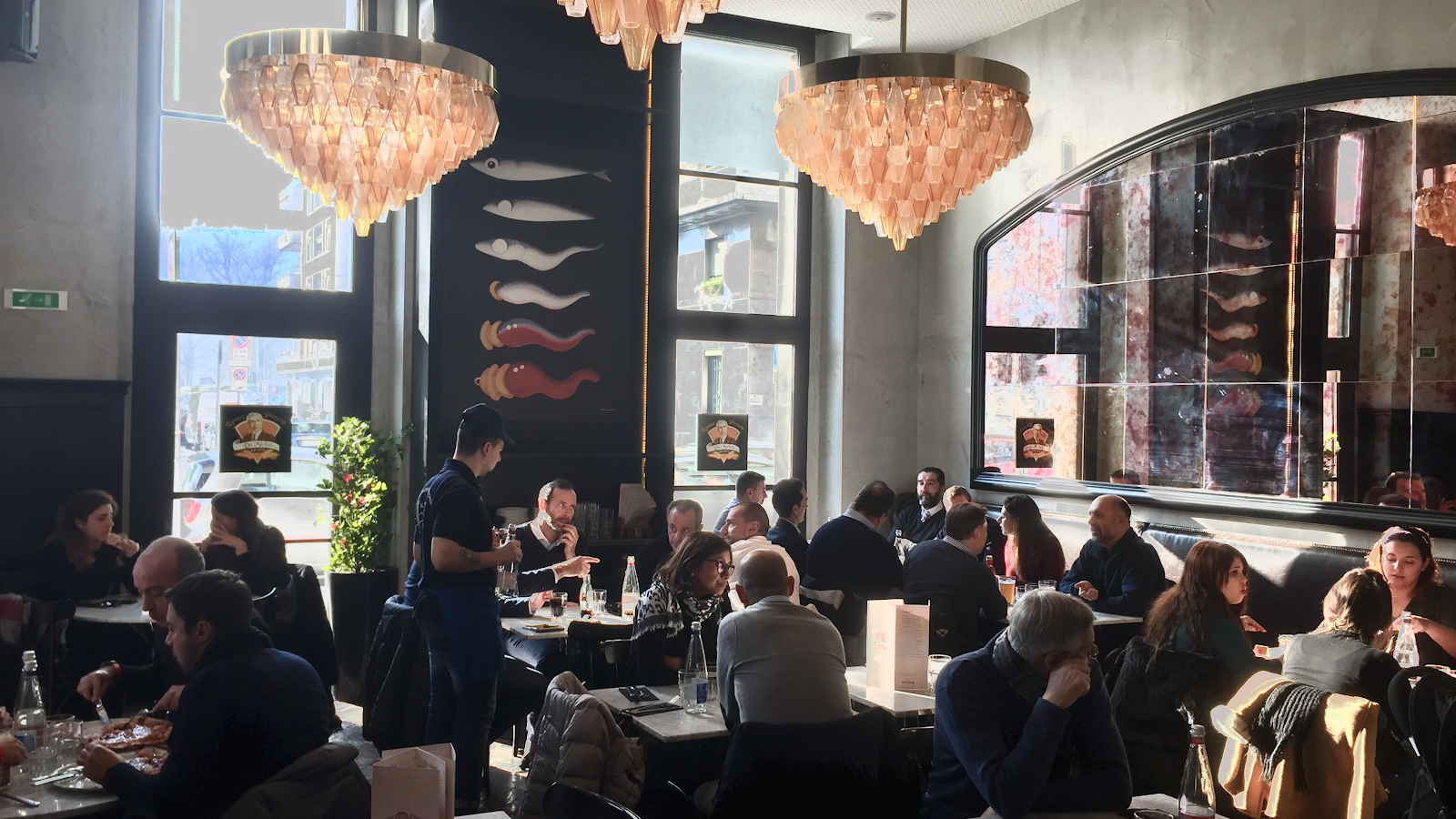
L'Antica Pizzeria da Michele Milano
€€€€ · 1,310 reviews
Pizza Lovers say: "The Neapolitan icon's Milan flagship at Piazza della Repubblica brings the same wood-fired margherita and marinara tradition in a grand 170-seat hall with Murano glass chandeliers; reservations are not accepted so arrive early or expect a wait."
Vincenzo Capuano brought a flashier, contemporary Neapolitan style to Porta Romana: tall, pillowy cornicione, ingredients piled with confidence, and the now-signature gold scissors used to cut the pie at the table. It reads young and a little theatrical, and the crust backs it up. This is contemporanea done loud, and the room stays full of Milanese who grew up on it.
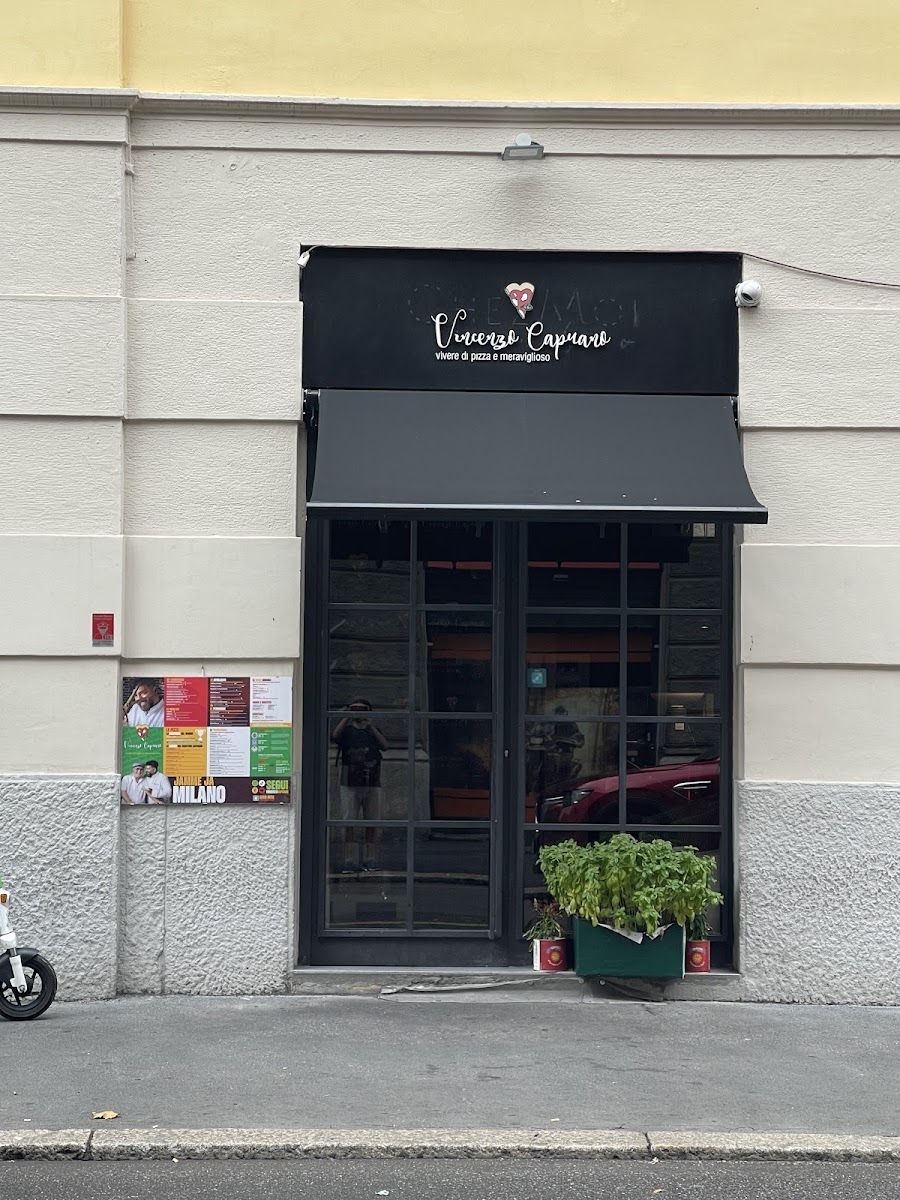
Vincenzo Capuano Milano
€€€€ · 1,751 reviews
Pizza Lovers say: "World champion pizzaiolo Vincenzo Capuano brings his highly leavened contemporary Neapolitan dough to Milan's Porta Romana, with pizzas from around €7 and three back-to-back evening sittings that keep the energy high; the wait for a table can be long without an advance booking."
Starita carries a two-century Materdei name into a corner near Corso Sempione. The wood oven runs hot, the marinara is a quiet masterclass, and the fried starters are worth ordering before the pizza even lands. No reservations, so expect a line of locals who consider the wait part of the deal.
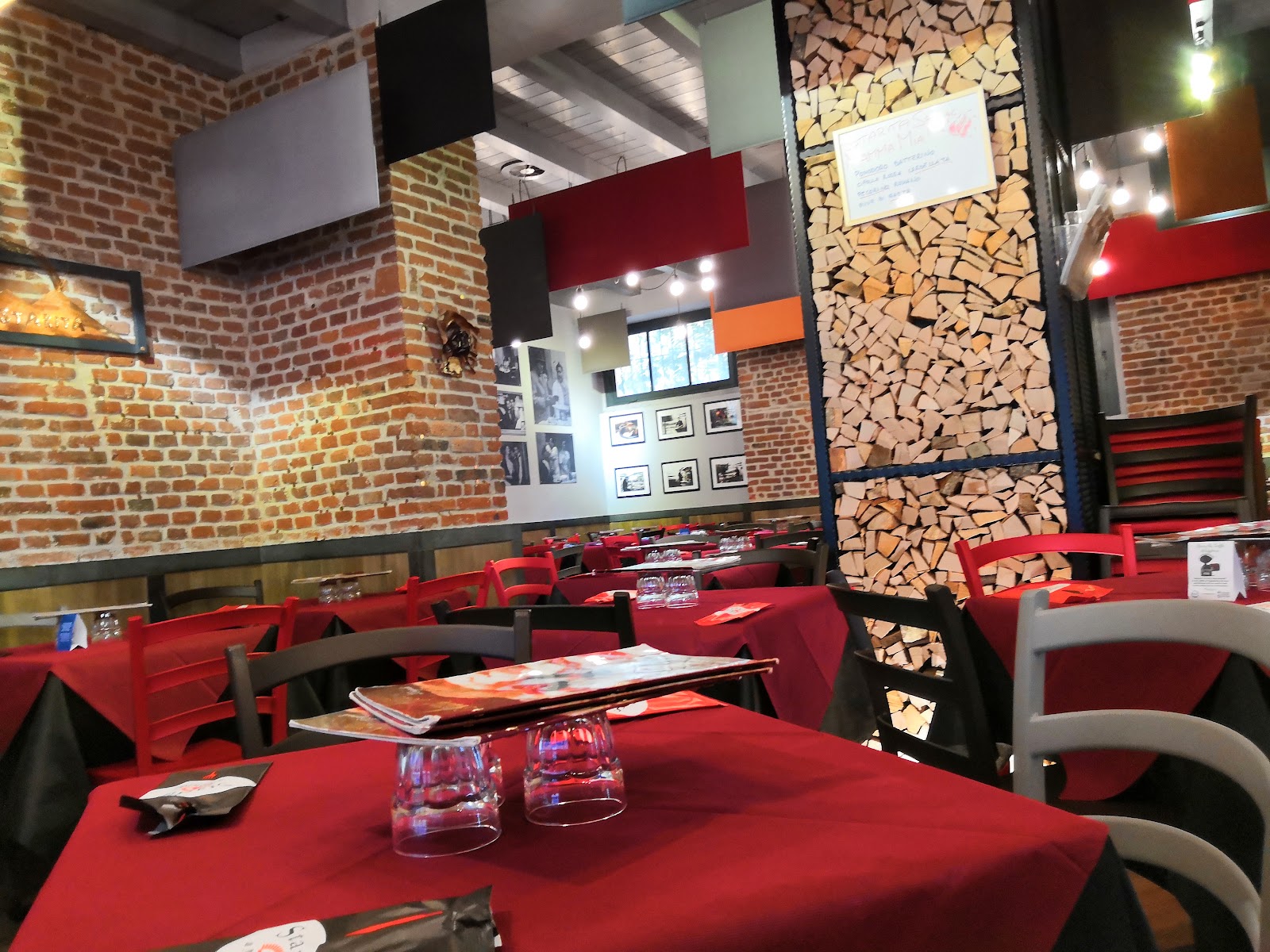
Starita a Milano
€€€€ · 4,818 reviews
Pizza Lovers say: "Authentic Neapolitan pizza with truffle and fresh ingredients. Good value, but expect a wait as no reservations are taken."
What makes the contemporanea pizzerias different?
If Naples is the foundation, contemporanea is where Milan put its own stamp on the genre. These rooms treat the dough as a science project and the toppings as a market run.
Giolina, in the residential streets near Porta Venezia, does a "Naples revisited" approach: a soft, well-fermented base under combinations like burrata done three ways and seasonal vegetables that change with the calendar. It is the kind of place where the crust alone tells you someone is paying attention to the flour.
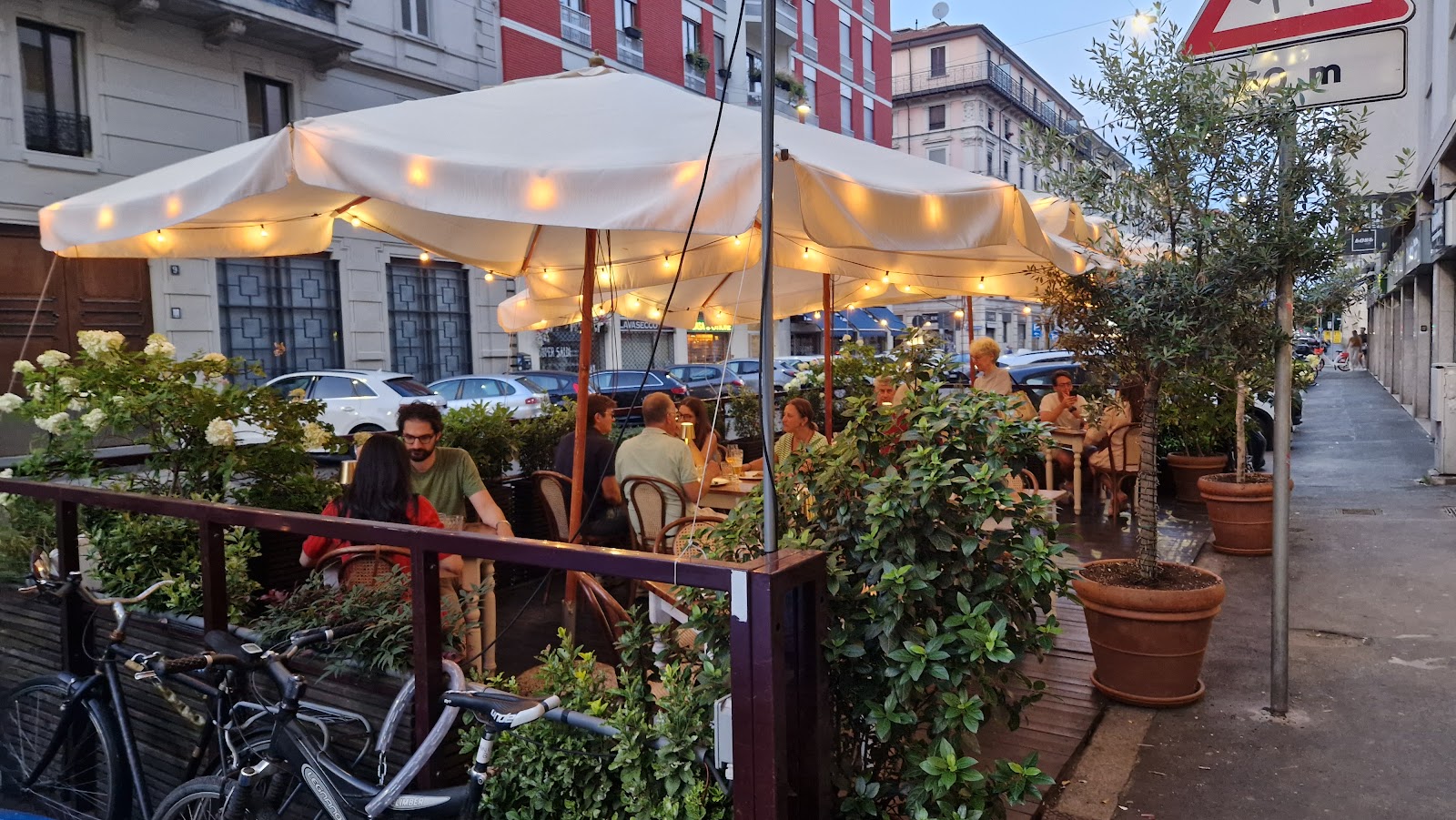
Giolina
€€€€ · 2,255 reviews
Pizza Lovers say: "Amazing pizza with fresh ingredients like the burrata and Naples revisited, though service can be slow and water pricing is confusing."
Lievità runs a few rooms across the city and built its reputation on digestibility: long-leavened dough that sits light, topped with things like pumpkin cream and high-end cured meats. The name is a pun on leavening for a reason. This is pizza engineered so you can finish a whole one and still walk home.
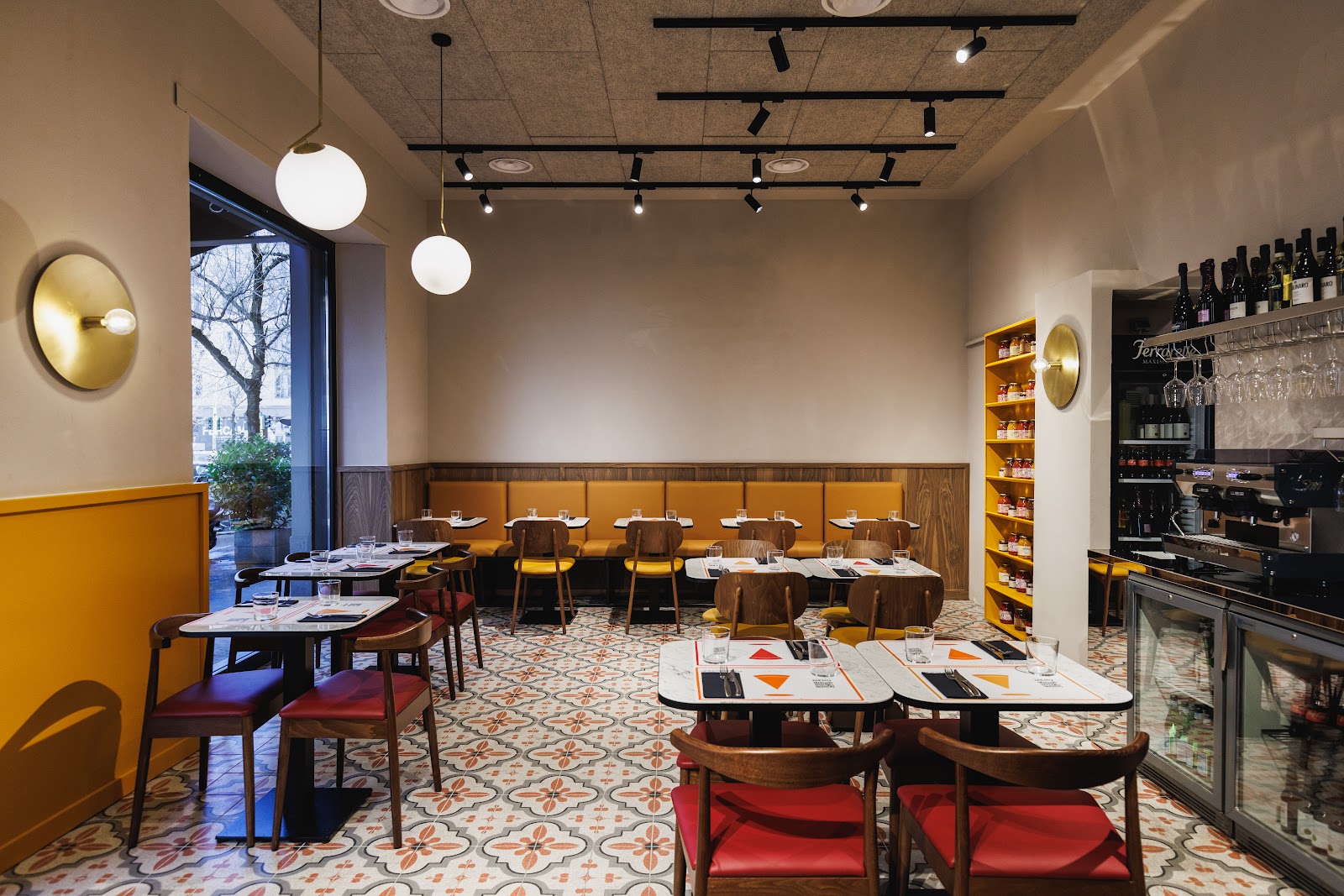
Lievità
€€€€ · 3,130 reviews
Pizza Lovers say: "Gourmet pizzas with high-quality ingredients like pumpkin puree, and a great pizza base. It can get crowded, so booking ahead is advised."
Corner 58, out on Viale Argonne in the eastern Città Studi orbit, is a neighborhood favorite for exactly the reason locals rank it: a beautifully hydrated dough that bakes up crackling and airy at once, with toppings that stay restrained. It is not a tourist stop, which is precisely why it is on this list.
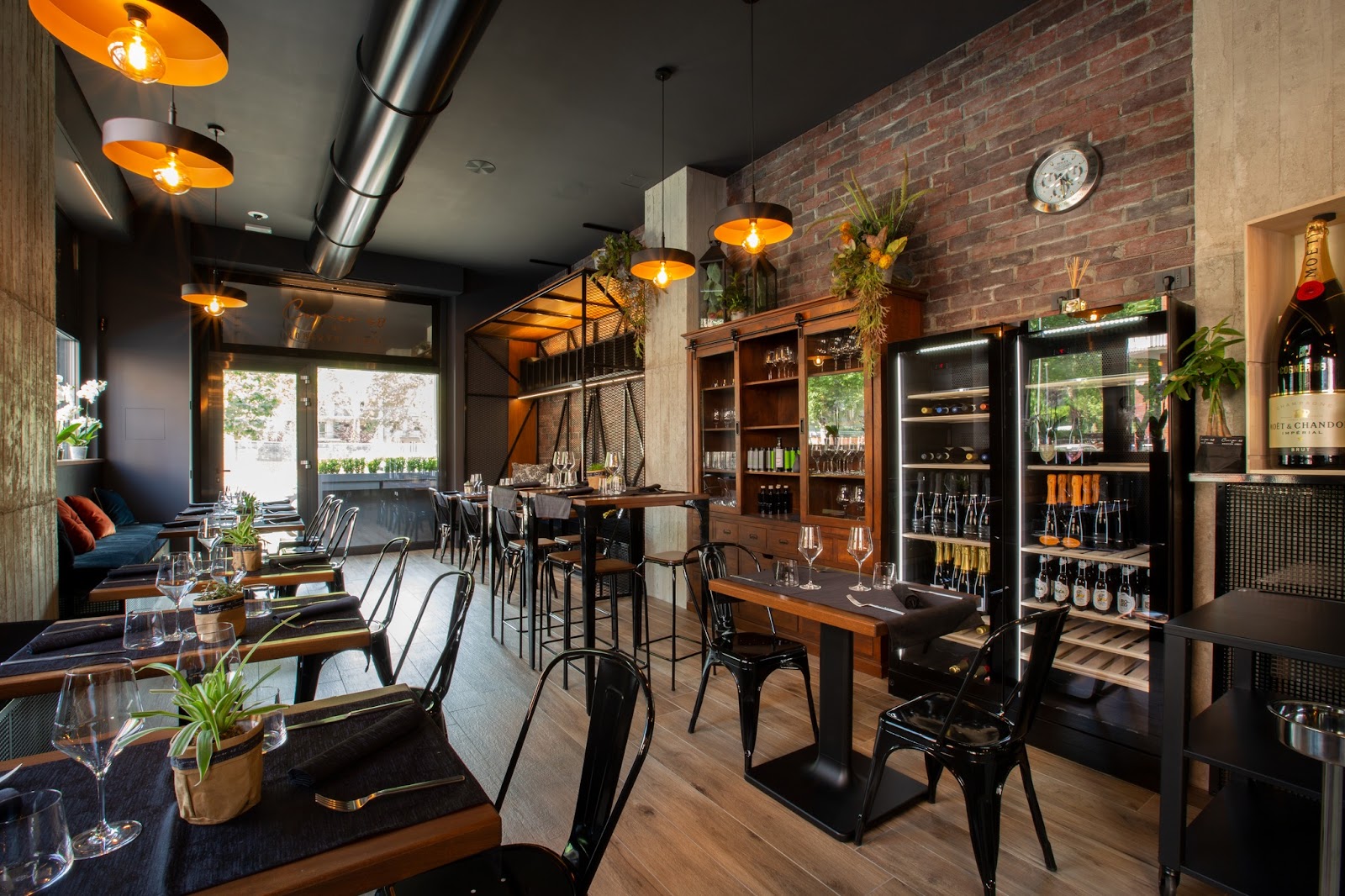
Corner 58
€€€€ · 447 reviews
Pizza Lovers say: "Amazing, quality pizza with perfectly hydrated dough. Staff like Sami and Sophie are praised. Service can be slow."
Modus, near Porta Romana, channels the Cilento coast through pizzaiolo Paolo De Simone. The dough leavens long, some pies arrive with a ricotta-stuffed crust, and the tomatoes and buffalo mozzarella come straight from Campania. Order the tapas-style starters from the south alongside the pizza and you understand the project.
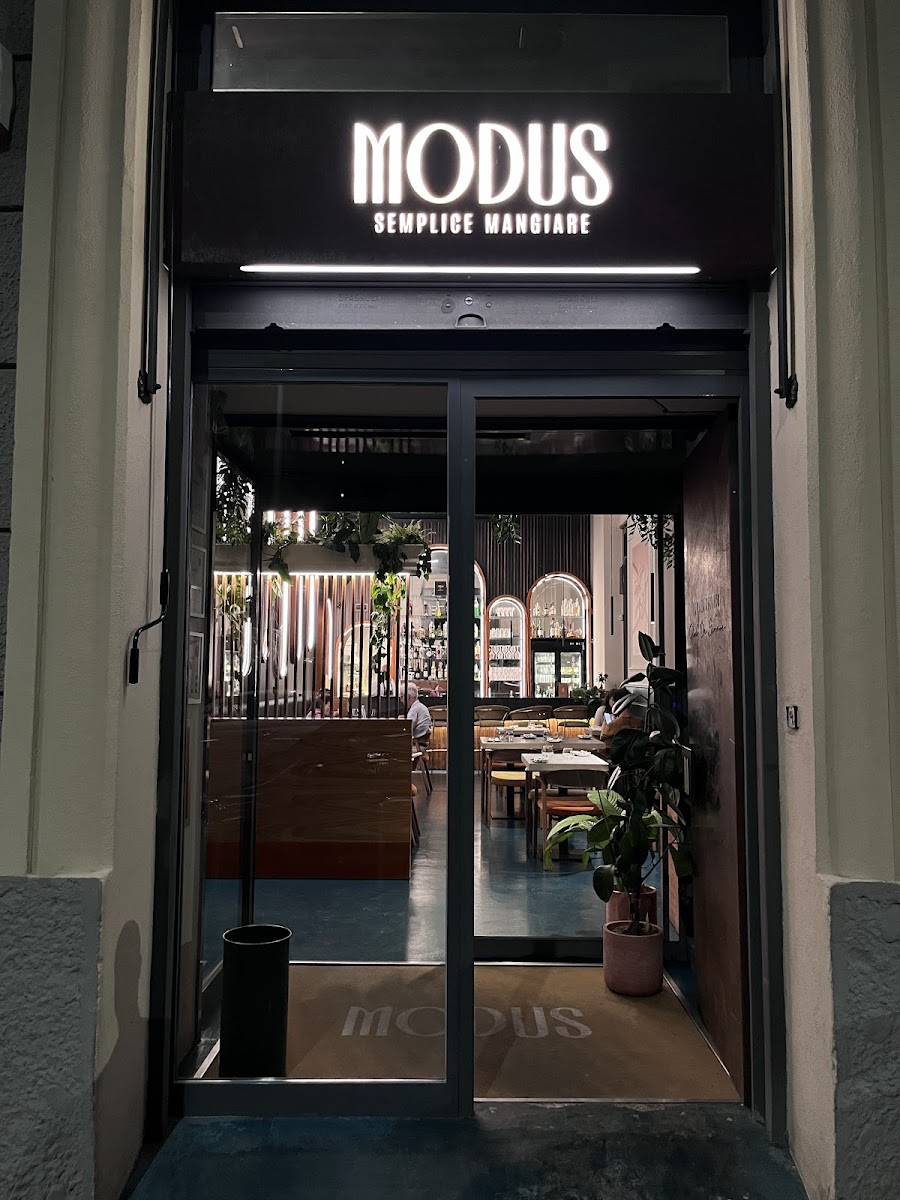
Modus
€€€€ · 702 reviews
Pizza Lovers say: "The Oscar e Mario pizza and tapas from Cilento are amazing. Service can be rude and some pizzas have burnt dough."
Berberè, near Stazione Centrale, built a small empire on a live sourdough starter and a crust-first philosophy: the pie comes cut into wedges with dipping sauces on the side, from aioli to nduja honey, so the dough becomes the point. Assaje, up in the Sarpi orbit, goes the opposite direction with bubble-topped Neapolitan pies and bold meat-and-cheese combinations, plus the kind of complimentary fried bits and limoncello that make a table feel looked after.
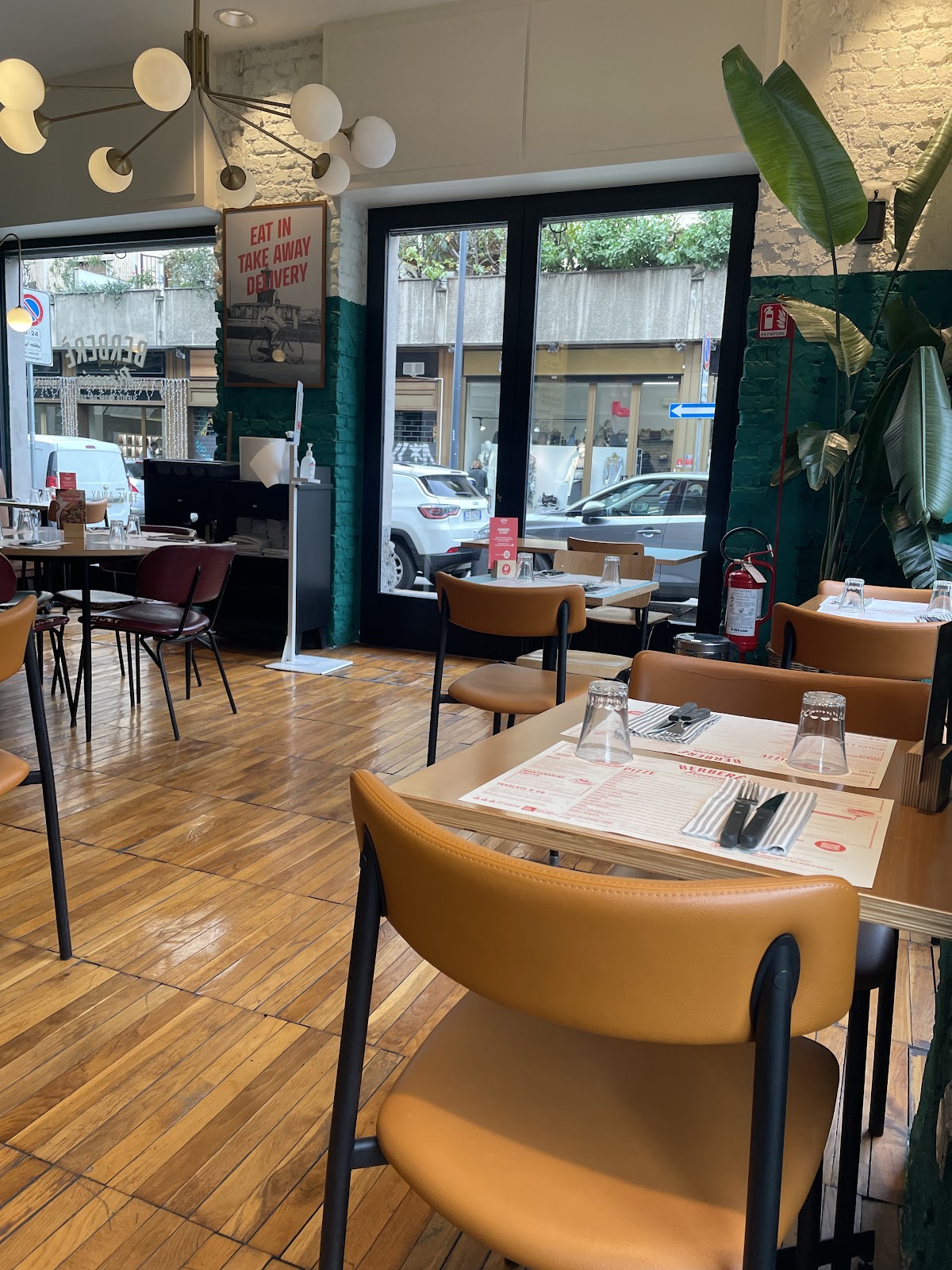
Berberè Pizzeria (Stazione Centrale Milano)
€€€€ · 3,973 reviews
Pizza Lovers say: "Incredible sourdough pizzas with fresh ingredients, perfect crust, and delicious Margherita and Diavola. Service can be a bit slow."
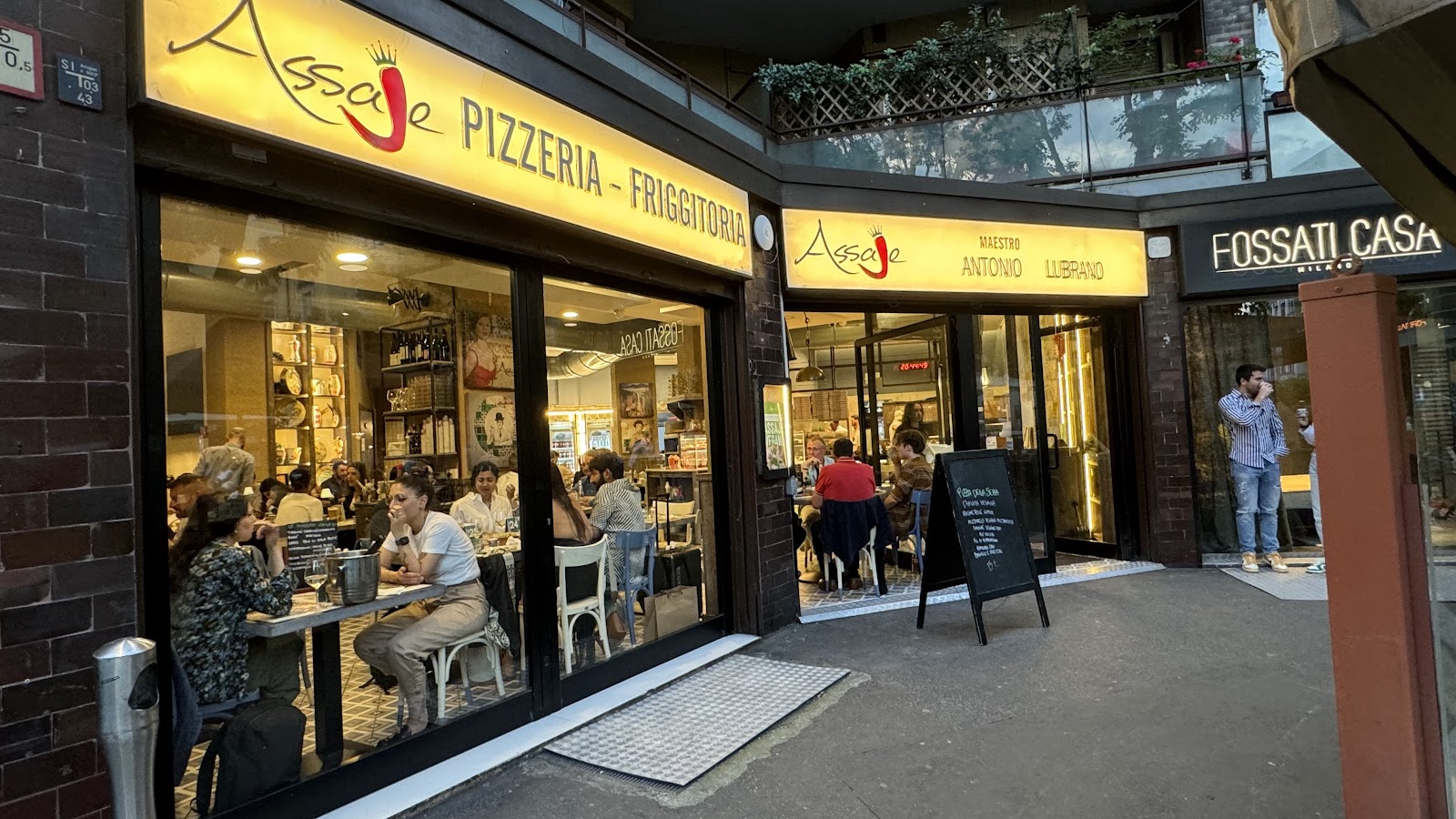
Assaje
€€€€ · 10,037 reviews
Pizza Lovers say: "Delicious Cantabrico and Nduja pizzas, friendly service, and complimentary limoncello. The fried eggplant pizza was a bit heavy."
Where does pizza become fine dining?
Confine is the room that proved Milan could push pizza into white-tablecloth territory. Two partners from Salerno, one on the dough and one running a serious wine cellar, opened it in a converted hardware store in the Cinque Vie quarter and aimed straight at the top of the national rankings. The dough comes in multiple forms across the tasting menus: classic Salerno-style on type 1 flour, fried-then-baked, pan-cooked, crumbly low-protein versions. Signature pies like the caciocavallo-fondue "Botox" sit on a menu that treats pizza the way a Michelin kitchen treats a tasting flight, with wine pairings to match. Reserve well ahead and go hungry.

Confine – Pizza e Cantina
€€€€ · 1,538 reviews
Pizza Lovers say: "Excellent Neapolitan pizza and superb wine. Service is great, though sometimes the degustation menu can be a bit much."
Crosta, near Risorgimento, comes at it from the bakery side. It is a bread-and-pastry shop first, which means the pizza inherits a sourdough obsession and seasonal toppings that occasionally split opinion. Come for the dough culture and the all-day counter, stay for a pie that tastes like it was made by people who think about flour all day.
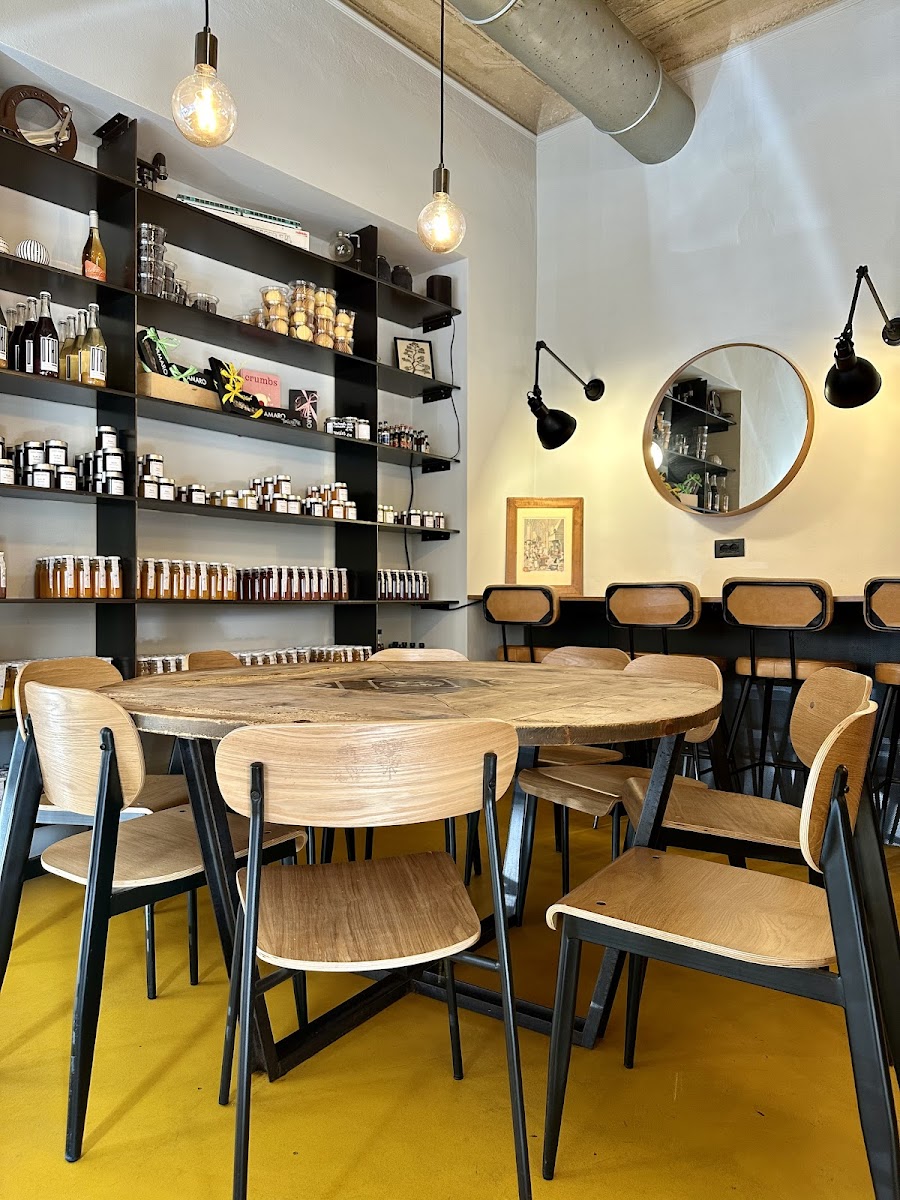
Crosta
€€€€ · 2,428 reviews
Pizza Lovers say: "Praised for the Crosta Bianca with hummus, polpette, and friendly staff. Service can be slow when busy."
What is pizza al trancio, Milan's own slice?
Here is the local secret that has nothing to do with Naples. Before the contemporanea wave, before the Salerno pizzaioli, Milan already had its own pizza: al trancio. It is a tall, rectangular, oil-crisped slab, baked in a pan in a very hot oven, with a base that goes golden and shattering at the edges and a top buried under enough melting mozzarella to produce the cheese pull the city calls filante. The style took hold in the 1950s, brought by Tuscan families who turned food stands into proper pizzerias, and Spontini, open since 1953, became its temple. A slice is a fork-and-knife affair, dense and unapologetic, the thing Milanese reach for on a gray weekday when Naples is the last thing on their mind.
Al trancio is not the headline of the modern scene, but it is the heritage underneath it, and any honest map of Milan pizza has to make room for the slab. Eat the contemporanea pies for the craft. Eat a trancio because it is the one pizza that is actually, originally, Milanese.
For more on how Milan's pizza compares to other cities, see what makes Turin's padellino different or explore the full spectrum of Neapolitan regional styles.