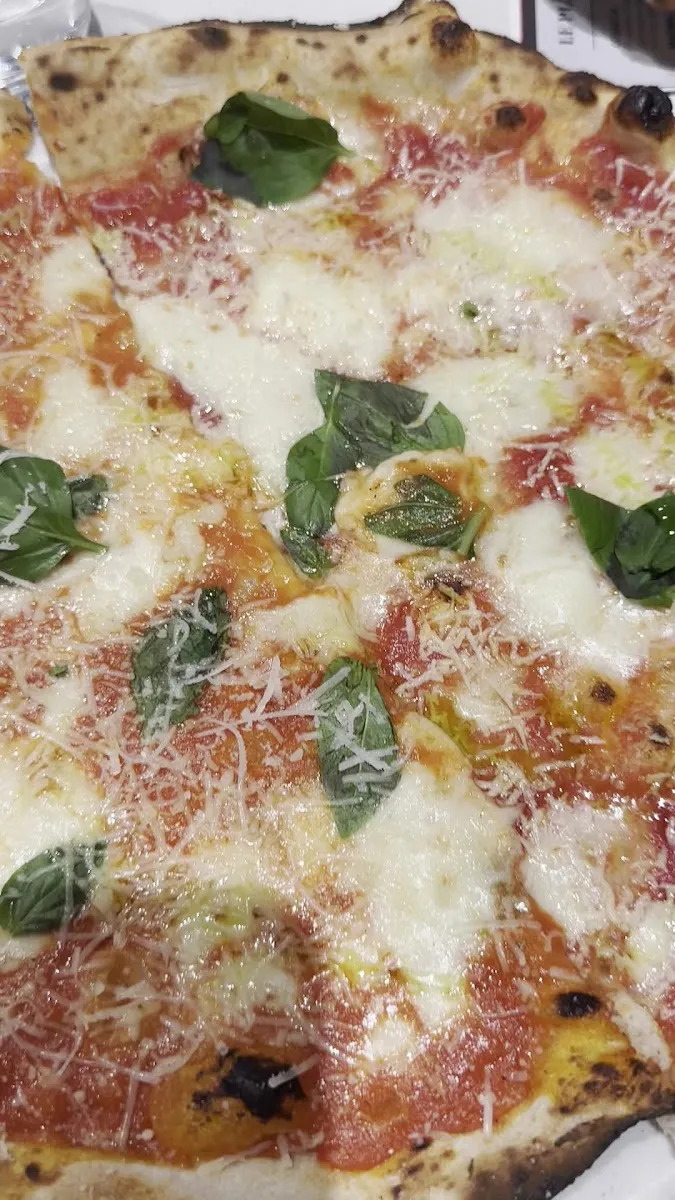
Neapolitan pizza is the only pizza style with a EU specification, a UNESCO listing, and a city that disagrees with itself about what it actually is. From the outside the dish reads as one thing: round, soft, blistered, fast. Inside Naples it is a family of shapes, and the family has rules, sub-rules, neighborhood preferences, and a few pizzaioli who broke the rules so well that the new shape became a rule.
Here is the working menu.
What does the STG actually specify?
The Specialità Tradizionale Garantita filing for Pizza Napoletana, granted by the EU in 2010, is the baseline. It says the dough is hand-stretched, 22 to 35 centimeters across, with a soft puffed cornicione and a thin center. It says the bake is around 60 to 90 seconds in a wood-fired oven at about 485°C. It says two pizzas count: Margherita (tomato, mozzarella, basil, olive oil) and marinara (tomato, garlic, oregano, olive oil, no cheese). AVPN certifies pizzerias that follow the rest of the rule: type 00 flour, no rolling pins, no electric ovens, a defined hydration band, a defined ferment.
In 2017, UNESCO put the Arte del pizzaiuolo napoletano, the craft itself, on the intangible heritage list. The STG is the dish; the UNESCO file is the person who makes it.
Everything below builds on top of those rules.
Neapolitan styles: The working menu
| Style | Crust profile | Cornicione | Bake | Eaten how |
|---|---|---|---|---|
| Ruota di carretta | Wide, thin center | Low, soft | 60-90 sec at 485°C | Soft, foldable, overhang a plate |
| Canotto | Smaller, thin center | Tall, domed, honeycomb | 60-90 sec at 485°C | Airy rim like bread, photogenic |
| Contemporanea | Medium, holds up | Soft, light | Long ferment (24-72 hrs) | Digestible dough, ingredient-forward |
| Pizza fritta | Folded pocket | N/A (fried) | Oil-fried, no oven | Stuffed, hot, on the street |
| Pizza a portafoglio | Small, standard Neapolitan | Slight crust | 60-90 sec at 485°C | Folded wallet, standing, walking |
Pizza a ruota di carretta: the cart-wheel
The city's working everyday shape. Ruota di carretta, cart wheel, means the pizza is stretched wide and thin across the whole surface, with a low cornicione and the dough thin enough that the center will not bear the toppings if you do not eat fast. It is the shape that L'Antica Pizzeria da Michele has been turning since 1870. Soft, foldable, big enough to overhang a plate. This is the pizza most visitors are remembering when they say a Naples pie is different from anywhere else.
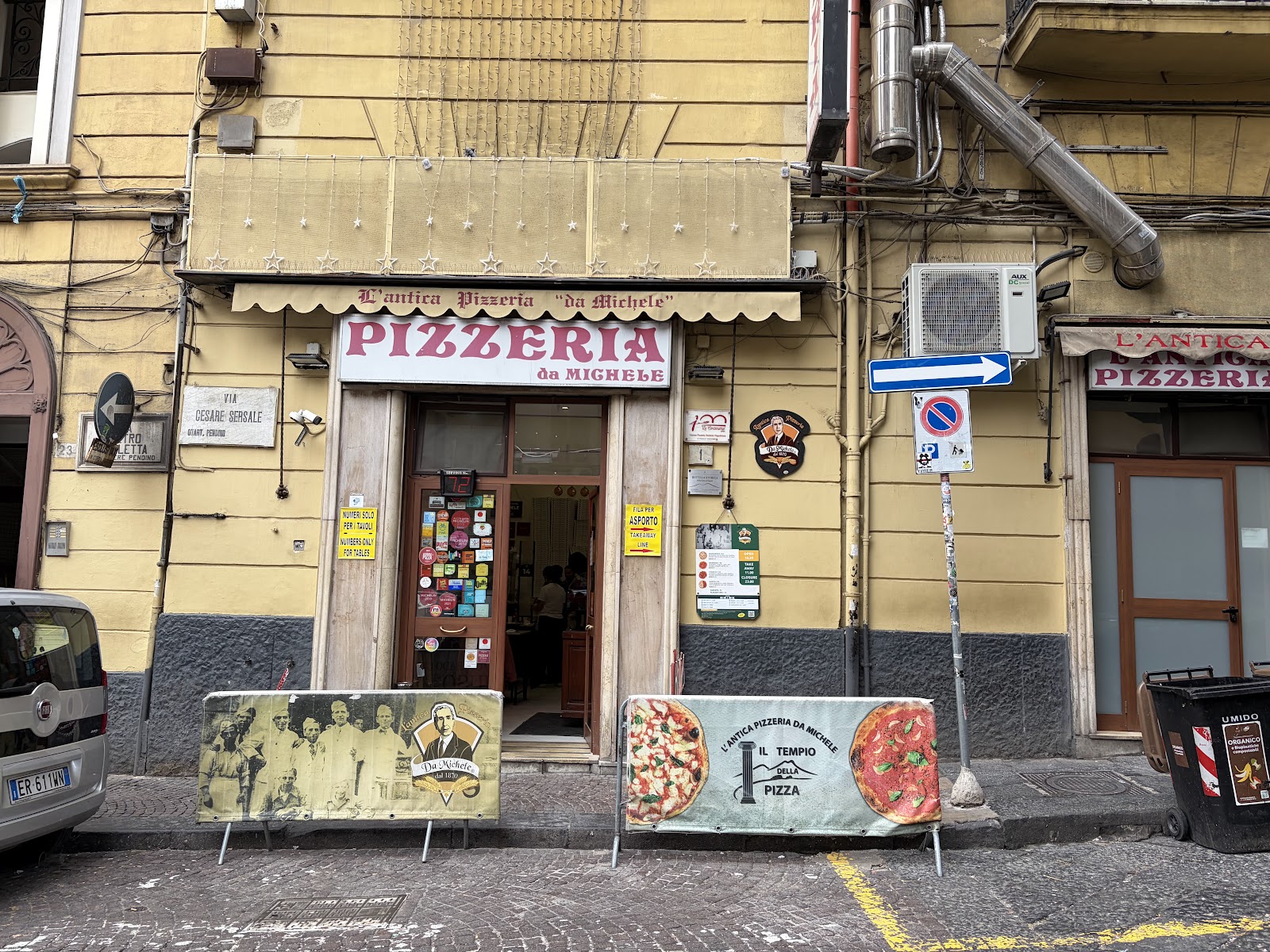
L'Antica Pizzeria da Michele
€€€€ · 76,171 reviews
Pizza Lovers say: "Thin, Rumali roti-like crust, simple 4-pizza menu, and great value. While delicious, it was not outstanding or 'the best' for one reviewer."
The original Antica Pizzeria Port'Alba, which opened in 1738 and is the oldest pizzeria of any kind, runs a closely related ancient version.
Antica Pizzeria Port'Alba
€€€€ · 1,497 reviews
Pizza Lovers say: "Amazing pizza and value for money, but be prepared for long queues. One reviewer found a pizza awful and overpriced."
Pizza a canotto: the life raft
Canotto, raft, is the inverse choice. The pie is smaller, the center is still thin, but the cornicione is blown up into a tall, airy, almost dome-like rim. The honeycomb inside the rim is the point of the style. It looks photogenic and it eats like bread, in a good way.
The canotto shape is more strongly associated with Caserta than with Naples city, and the modern reference for it is I Masanielli, Francesco Martucci in Caserta, where Francesco Martucci has spent the last decade winning every guidebook ranking there is. Inside Naples the canotto is a minority taste.
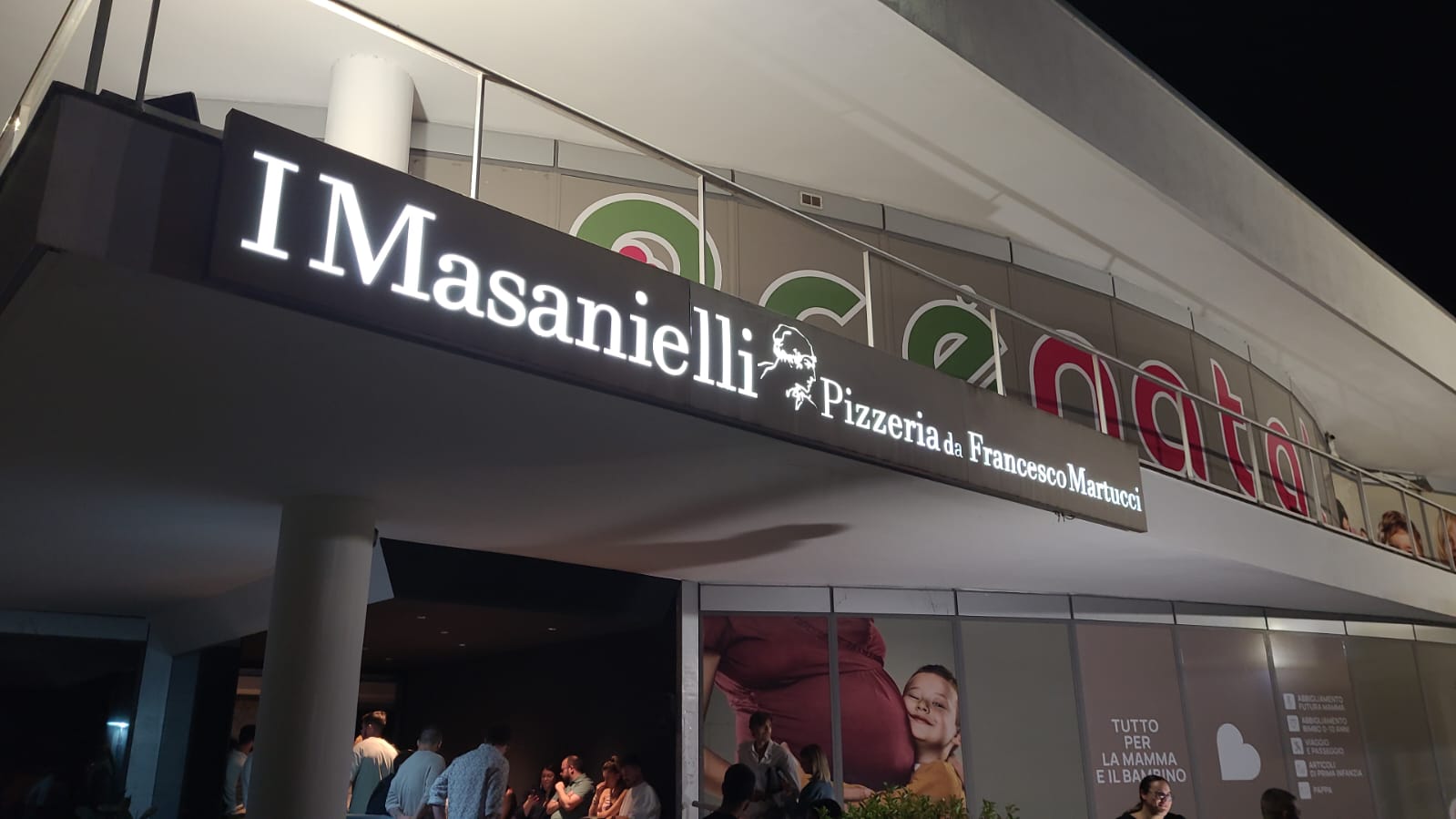
I Masanielli – Francesco Martucci
€€€€ · 16,078 reviews
Pizza Lovers say: "Amazing pizzas, like the 3 temperature one and Una Volta. Some find the service slow, but the pizza is worth the wait."
Contemporanea: the long-ferment school
Contemporanea is not a shape, it is a method. The pizzaioli of the contemporanea school work with long cold ferments, sometimes 24 to 72 hours, with hydration in the 70 to 80 percent range and a focus on flour blends and ingredient sourcing. The pizza that comes out of it sits between the cart wheel and the canotto, with a soft, light cornicione and a center that holds up.
The two pizzerias that defined the school inside Naples are Pizzaria La Notizia, where Enzo Coccia started running long ferments before the term existed, and 50 Kalò, Ciro Salvo's shop on Piazza Sannazaro, which became the modern reference for it. The dish is recognizably Neapolitan; the dough is a step ahead.
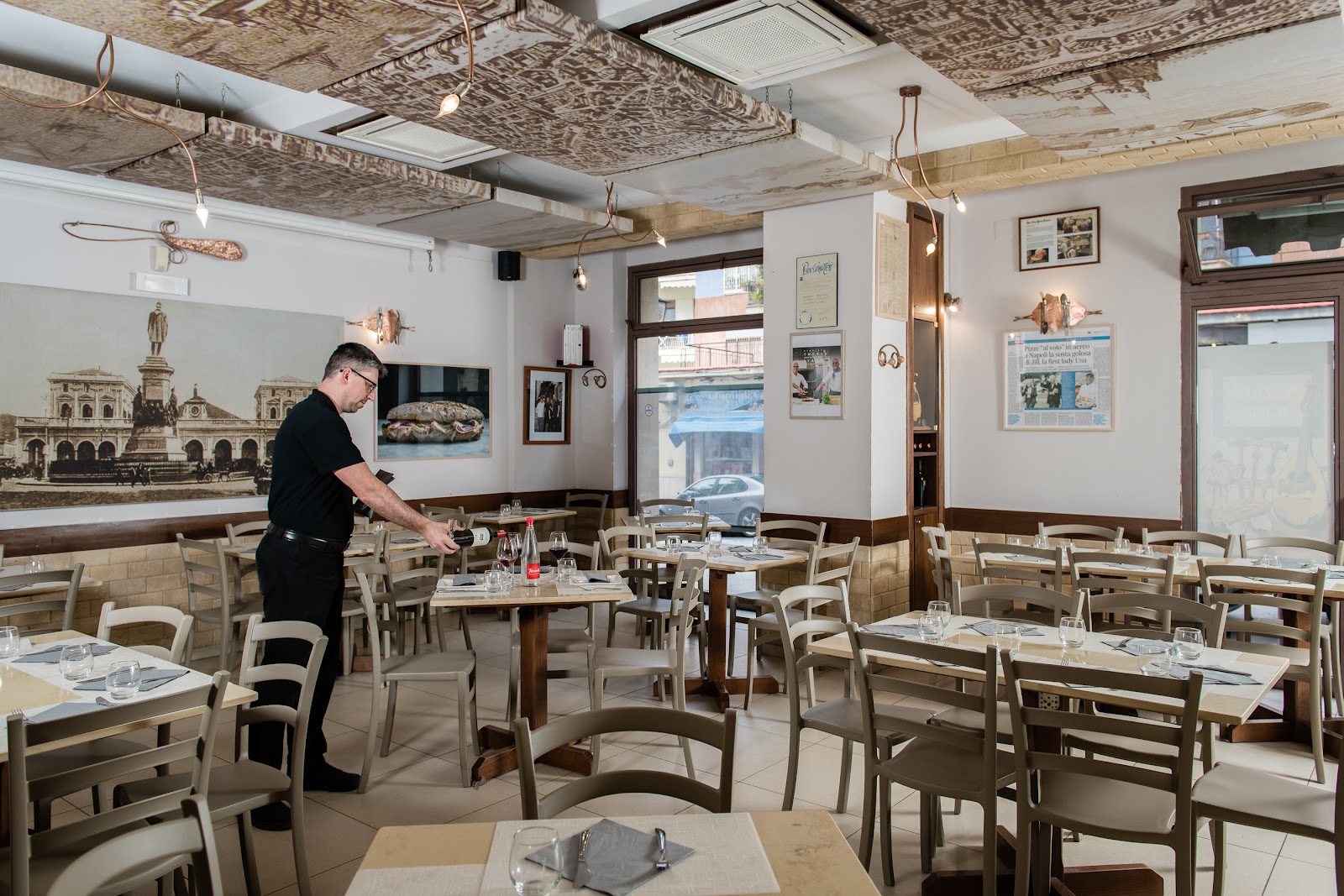
Pizzaria la Notizia
€€€€ · 5,510 reviews
Pizza Lovers say: "Amazing Neapolitan pizza, especially the Tucci. Service was fast, but they don't have special plates for dogs."
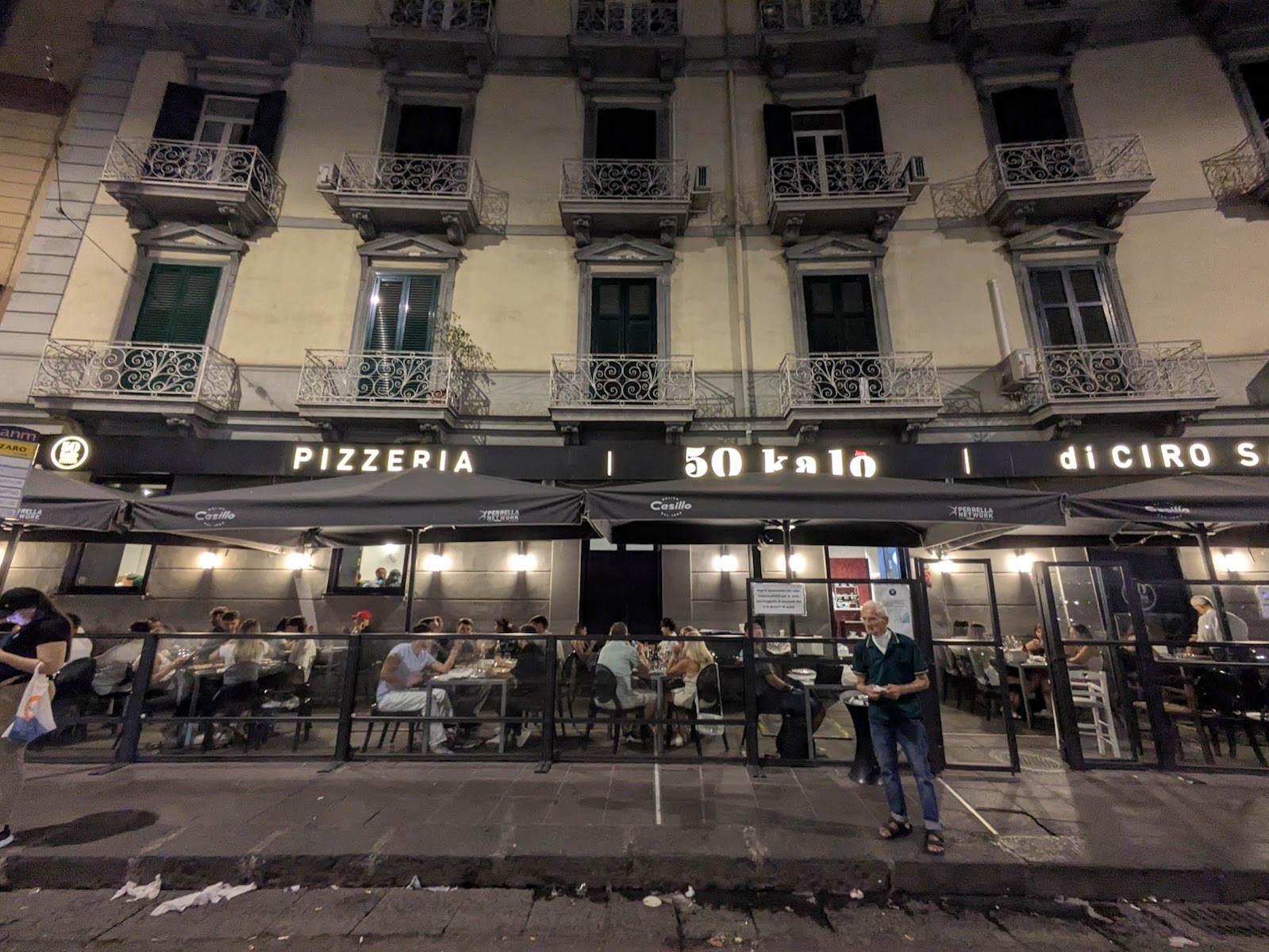
50 Kalò
€€€€ · 27,141 reviews
Pizza Lovers say: "Buffalo Margherita and fried food are amazing. Service is prompt and friendly. Some pizzas felt muted in flavor."
Pepe in Grani sits an hour outside the city in Caiazzo and is the highest-altitude version of the contemporanea project, Franco Pepe's lab for what dough and local ingredients can do when nobody is in a rush. It has been first on the 50 Top Pizza Italia list more than once.
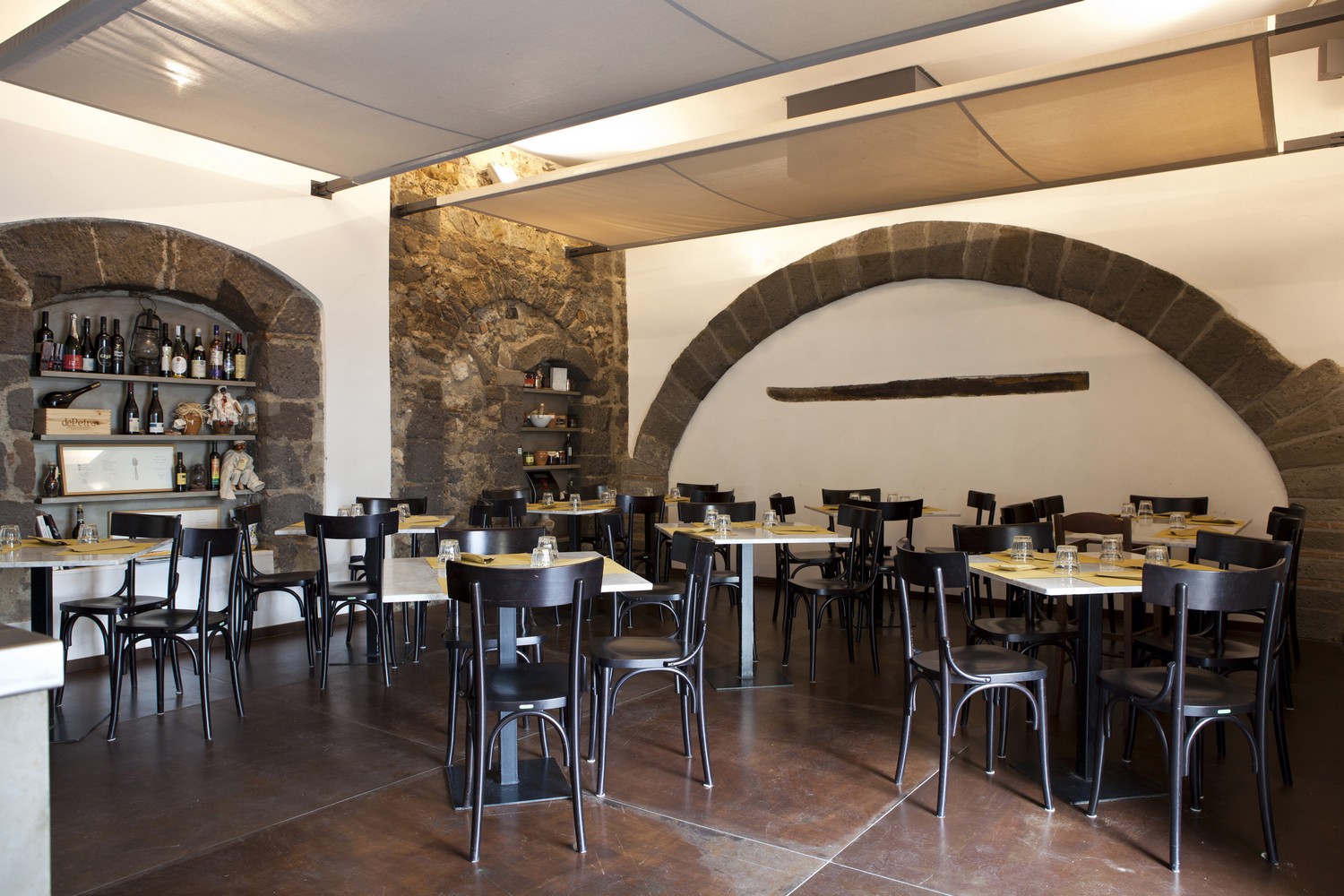
Pepe in Grani
€€€€ · 17,710 reviews
Pizza Lovers say: "Exceptional pizzas with amazing dough, friendly staff. The tasting menu was a lot of food."
Pizza fritta: the fried sister
Pizza fritta is the deep-fried branch of the family. A round of dough is stuffed with ricotta, cicoli (pork cracklings), smoked provola, and a spoon of tomato, sealed at the edges, dropped in oil. It puffs into a half-moon and gets eaten in the street, wrapped in paper, while it is still hot enough to burn your tongue.
The form is post-war. In the late 1940s, with wood and the city's ovens both scarce, the city's pizzaiola women, the pizzaiole, kept the trade alive by frying. Antica Pizzeria e Friggitoria Di Matteo on Via dei Tribunali still runs the fried side of the menu next to the wood oven. Sorbillo's family also operates a dedicated fried shop on the same street. The dish is a Neapolitan staple, and on January 17, the feast of Sant'Antonio Abate, it shows up everywhere.
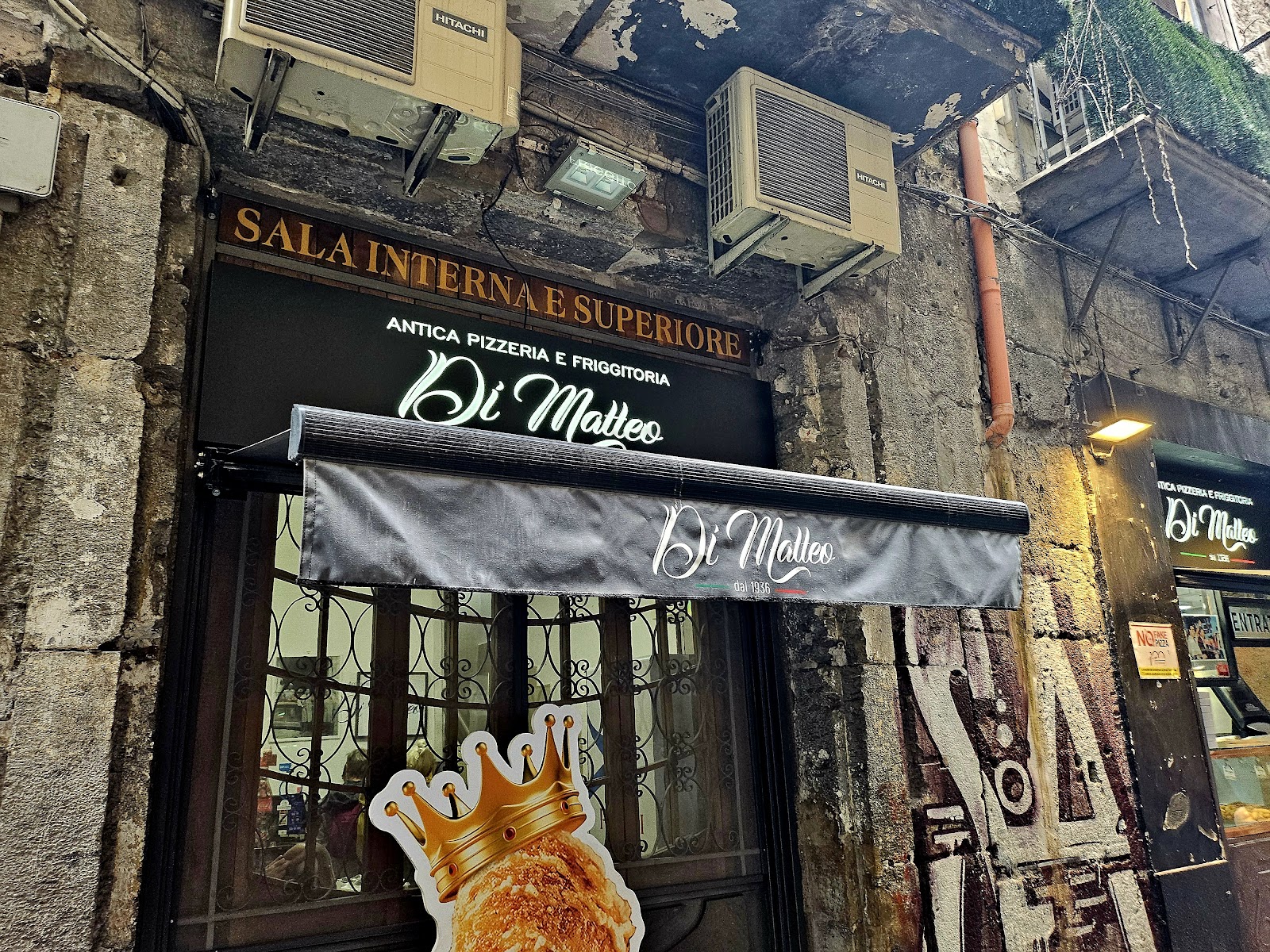
Antica Pizzeria e Friggitoria Di Matteo
€€€€ · 14,416 reviews
Pizza Lovers say: "Excellent Arancino and tasty Margherita pizza, but can be wet in the middle and not worth a long wait."
Pizza a portafoglio: the wallet
The smallest format. A standard Neapolitan stretched to a smaller diameter, less sauce, less cheese, a bit more crust, folded twice into the shape of a wallet, served on parchment paper. You eat it standing, walking, or on a bench. The price in Naples is around two euros.
The pizzeria that defines it is Antica Pizzeria Port'Alba, the 1738 shop on Via Port'Alba where the format effectively began. The genre has its own deep history inside the city.
What about pizza all'ombra and pizza a vucca 'e furn?
Neapolitan pizza vocabulary is local enough that the city has names for borderline cases most other places do not bother to label. Pizza all'ombra is a takeaway version with less sauce on top, designed to survive a 10-minute walk home. Pizza a vucca 'e furn, the pizza at the oven mouth, is baked at the cooler front edge for things that cannot take the full center heat, like calzones. These are not separate styles so much as adjustments. They tell you something about how seriously the city takes the difference between a pizza eaten now and a pizza eaten in fifteen minutes.
So what is Neapolitan pizza, really?
It is the dish that produced an STG, a UNESCO listing, and a working civic culture around fire and dough. It is also a moving target, a family of formats, a city that revises itself in every generation. The Neapolitan tag covers all of that. The ruota di carretta is the historical center. The contemporanea school is the modern conversation. The canotto is Caserta's argument. Pizza fritta and pizza a portafoglio are how Naples eats on the walk. Each one is a real answer to the same question, which is how to put fire to dough in the city that has been doing it the longest.