Turin is the only Italian city where the local pizza is baked in a small oiled steel pan and looks, at first glance, like an American tavern slice. It is not the same thing. Pizza al padellino is single-portion, about 24 cm across, soft and chewy inside with a slightly fried lip where the dough met the wall of the pan. It was invented here, in Turin, and most visitors miss it because they walk past it expecting Naples.
The misread is understandable. A Chicago tavern pan pizza is cracker-thin on a low-protein flour, baked dark on heavy steel, and cut in squares. A Torinese padellino uses a higher-protein 0 or 00 flour, a hydration usually north of 65 percent, a long cold proof, and a quick bake in a hot deck or wood oven. The pan is oiled, but the dough is not fried. The interior is open and tender, not biscuit. Same silhouette, different food.
What makes pizza al padellino Torinese?
The tegamino, the local word for the small pan, is the whole identity. Each pie is made for one person, which means the dough is portioned and proofed individually rather than stretched off a single ball. The oil on the pan walls gives the cornicione a particular crisp-soft handshake that you do not get on a peel-launched pizza. The classic order in old Torinese rooms is tomato and anchovy, sometimes a touch of oregano, no mozzarella at all. That austerity is a clue: this is Piemontese food, not southern.
It also sits next to farinata, the chickpea flour pancake baked in copper pans, on every old menu in the city. The two were always sold together. If a place calls itself a padellino specialist and skips the farinata, raise an eyebrow.
Turin's Best Pizzerias by Style
| Rank | Spot | City | Style | Why |
|---|---|---|---|---|
| 1 | Padellino & Farinata | Turin | Italian | San Salvario; Names both traditions on the sign; hot pans, gentle fried snap on the edges, austere classic menu |
| 2 | Gustus La Bottega del Padellino | Turin | Italian | Vanchiglia; Long fermentation, dough puffs above the rim, holds soft for ten minutes, Piemontese toppings only |
| 3 | Il Tegamino di Loiero | Turin | Italian | Borgo San Paolo; Tomato-anchovy is the local reference, pans come out proofed, stable presence for years |
| 4 | Sestogusto (Stampatori) | Turin | Italian | Stampatori; Stoneground flours, long fermentations, runs both styles on one menu, rare dual competence |
| 5 | Berberè | Turin | Italian | Vanchiglia; Sourdough, halved pies for sharing, serious beer list, national chain at high level |
| 6 | F.lli La Cozza | Turin | Neapolitan | Aurora; Classic Neapolitan in wood oven, near Porta Palazzo, packed nightly with locals |
| 7 | 50 Teglie | Turin | Al Taglio | Centro; Long fermentations, light open crumbs, sold by weight, lunchtime essential |
Where to eat pizza al padellino in Turin
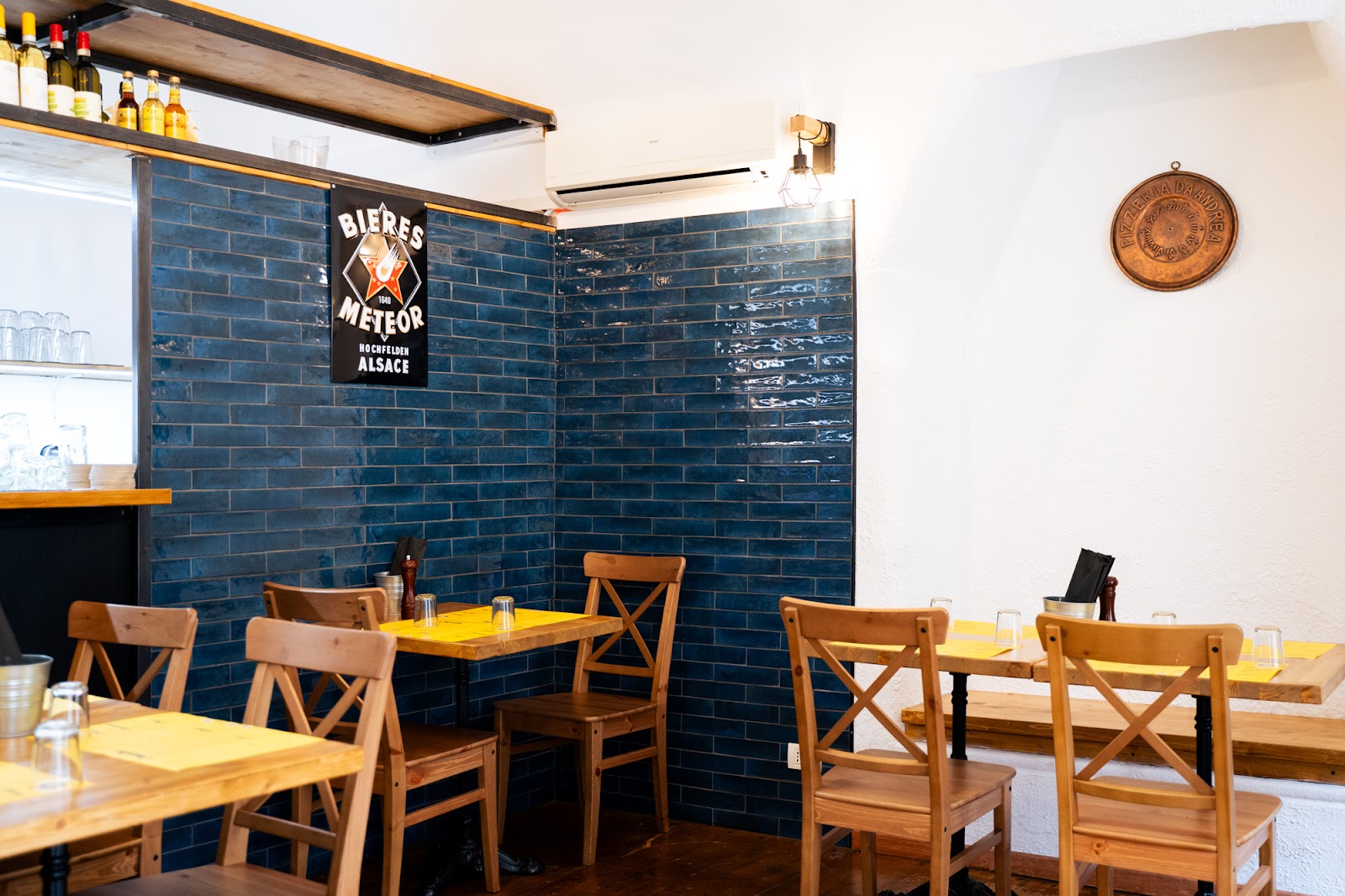
Padellino & Farinata, in San Salvario, names the two things on the sign for a reason. The pans come out hot, the edges have that gentle fried snap, and the room understands that you order one tomato-anchovy, one with something heavier, and you are done. It is the cleanest introduction to the format in the city.
Padellino & Farinata
€€€€ · 834 reviews
Pizza Lovers say: "Praised for perfect padellino, delicious farinata, and friendly staff. Some note it's not luxurious cuisine but has a pleasant vibe."
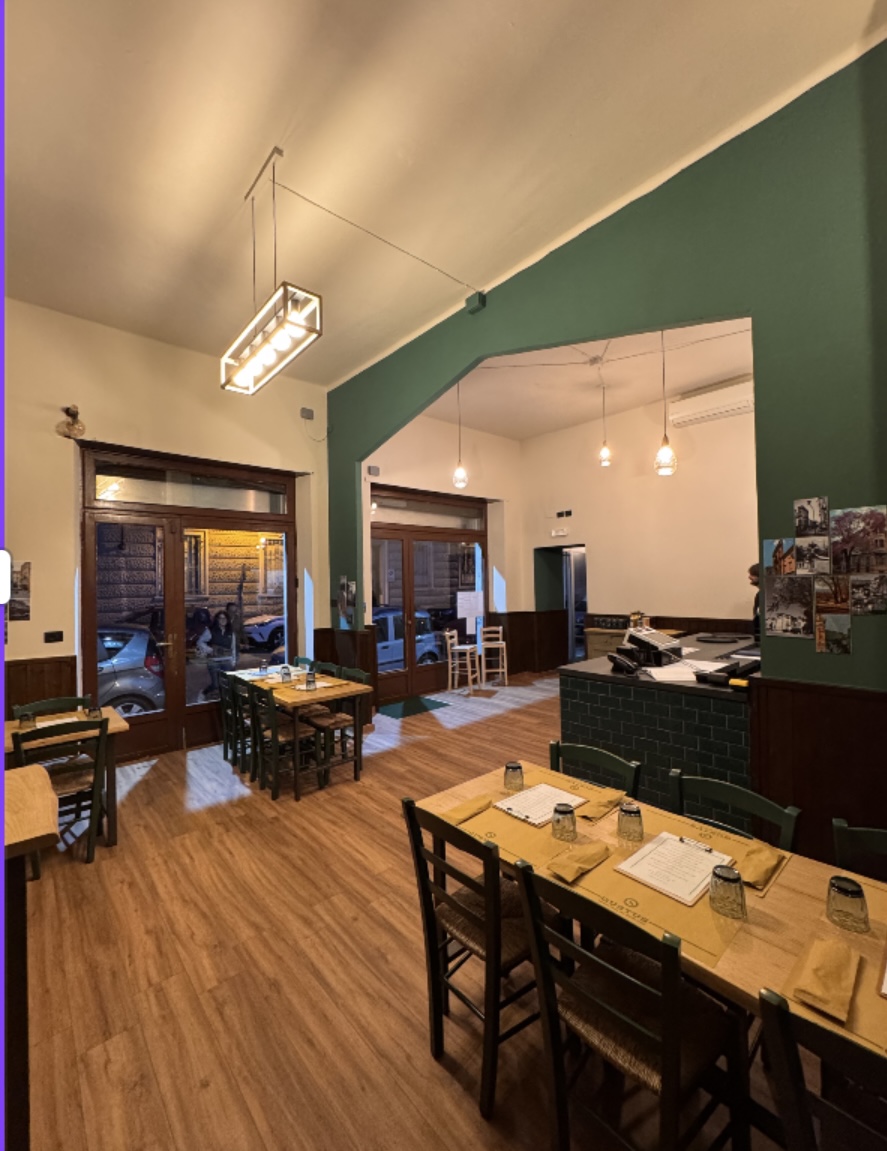
Gustus La Bottega del Padellino is the obsessive's pick. The whole menu is built around the small pan. The dough has a long fermentation behind it, the edge puffs slightly above the rim, and the middle stays soft for the full ten minutes you spend eating it. Toppings stick to the Piemontese register: anchovy, salame, Toma cheese, mushroom. Nothing flashy.
Gustus La Bottega del Padellino
€€€€ · 117 reviews
Pizza Lovers say: "Pizza al padellino is excellent, ingredients are top quality, and staff is friendly. Farinata is good but a bit thick."
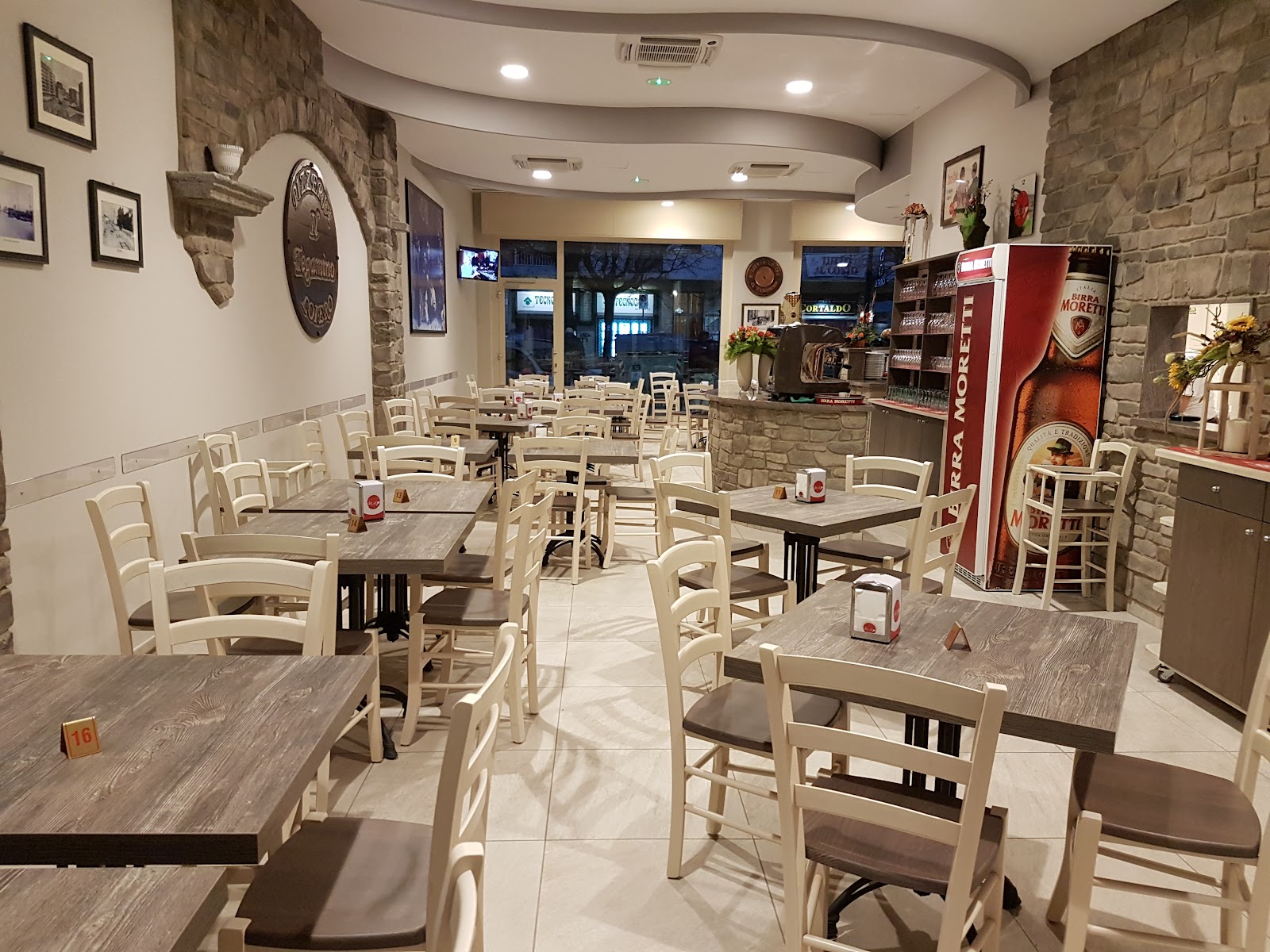
Il Tegamino di Loiero has been running the format for years, and the room shows it. The tomato-anchovy here is the version locals point at when they argue about who does it right. The pans come out faster than you expect, because the dough is already proofed in them.
Il Tegamino di Loiero
€€€€ · 2,882 reviews
Pizza Lovers say: "Spectacular farinata, crispy and fluffy. Deep-dish pizzas with genuine ingredients. Tables are cramped and it's very noisy."
The modern pizza scene
Turin spent most of the 2010s catching up to the pizza contemporanea wave coming out of Caserta and Rome. The result is a small but real group of rooms working stoneground flours, long cold proofs, and open crumbs. They sit alongside the padellino specialists rather than replacing them.
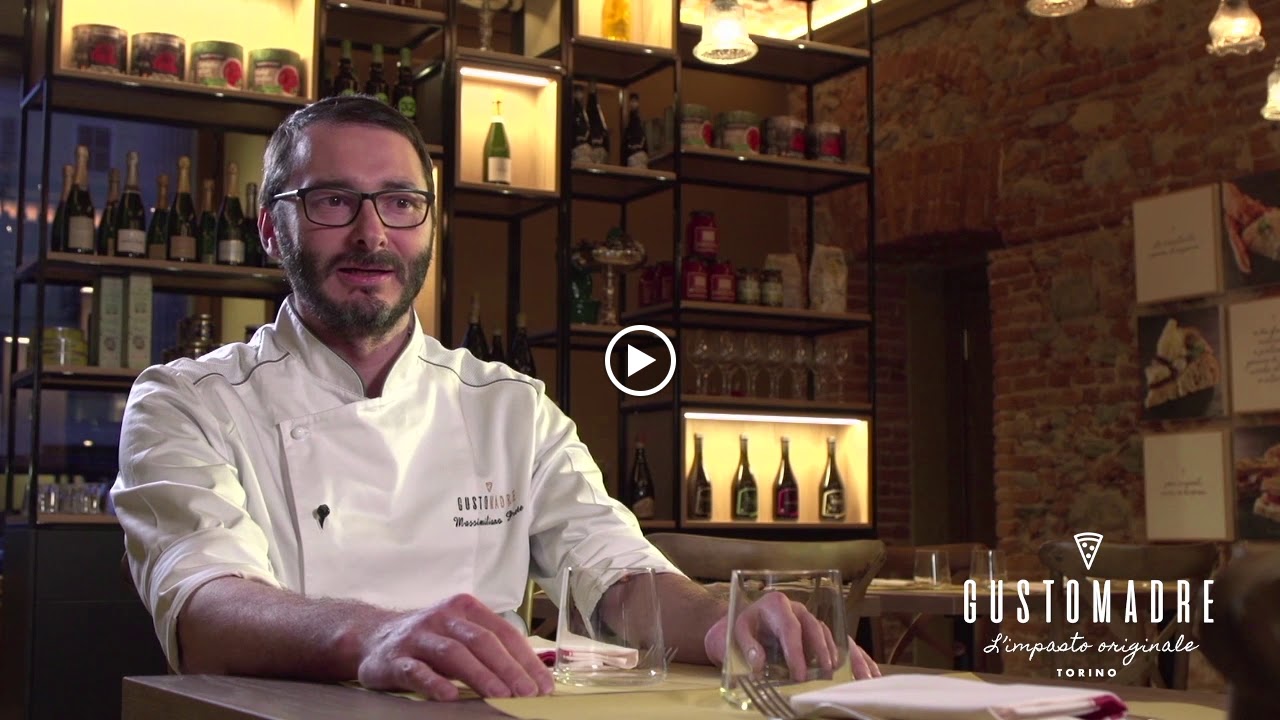
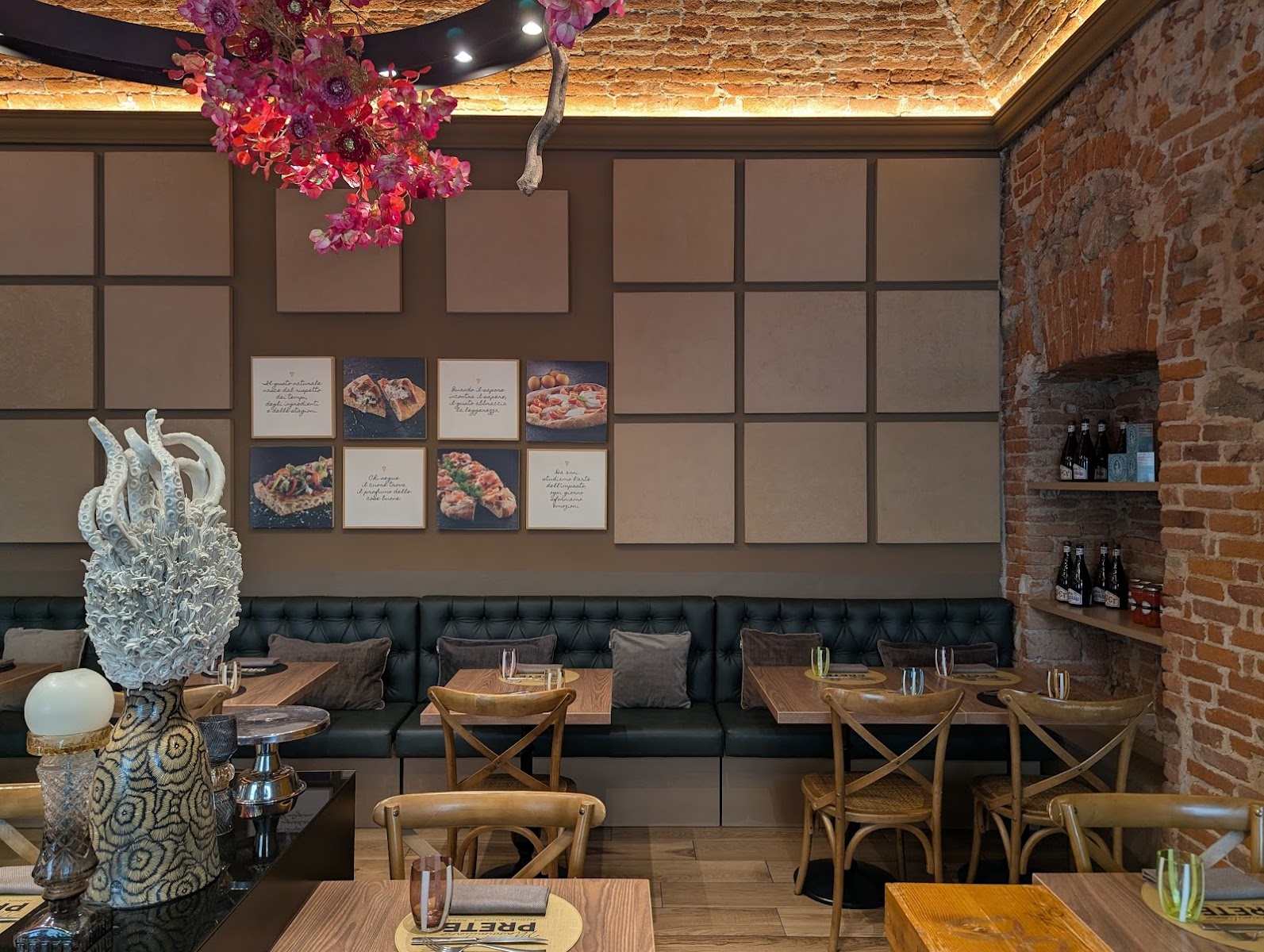
Sestogusto, in the Stampatori area near the center, runs both formats on the same menu. The dining room is modern, the wood oven works hard, and the dough program is the serious part: long fermentations, stoneground Piemontese flours, and a willingness to put a padellino on the same plate as a Neapolitan disc. That dual identity is rare and the room earns it.
Sestogusto (Stampatori)
€€€€ · 3,282 reviews
Pizza Lovers say: "Pizzottos are unforgettable, pizzas are delicious FILLED with high quality ham. Service is discreet. Some find the price a bit high."
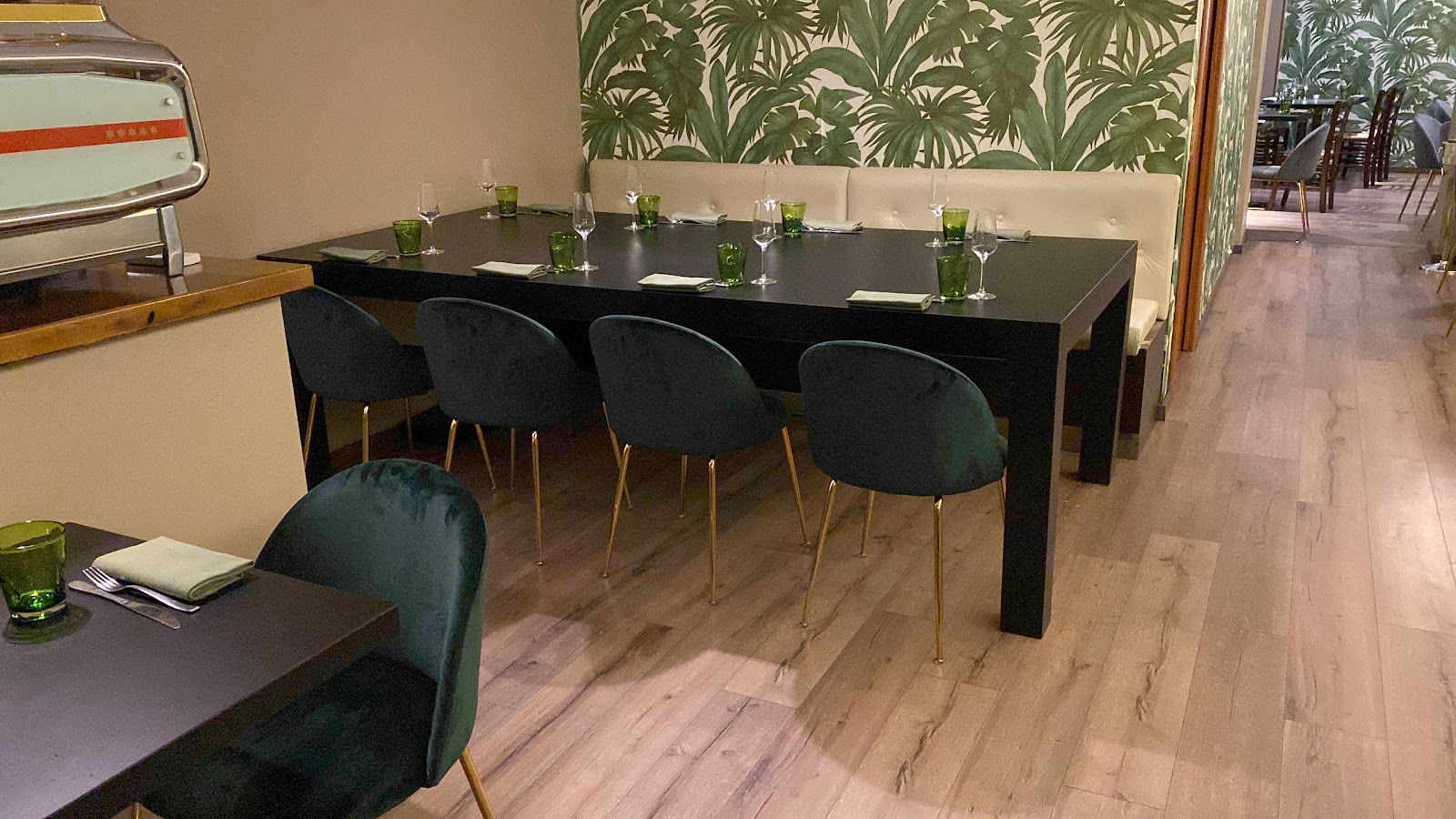
L'Aforisma, in Vanchiglia, leans further into contemporanea. High hydration, an open crumb you can see when you bite, and topping combinations that feel composed rather than catalog-picked. The crowd skews toward the people who did the Bra food school or follow the dough nerds online.
L’Aforisma
€€€€ · 1,484 reviews
Pizza Lovers say: "Amazing dough, rich and tasty food, and the PanAria Langarolo is a top dish. Service can be slow during peak times."
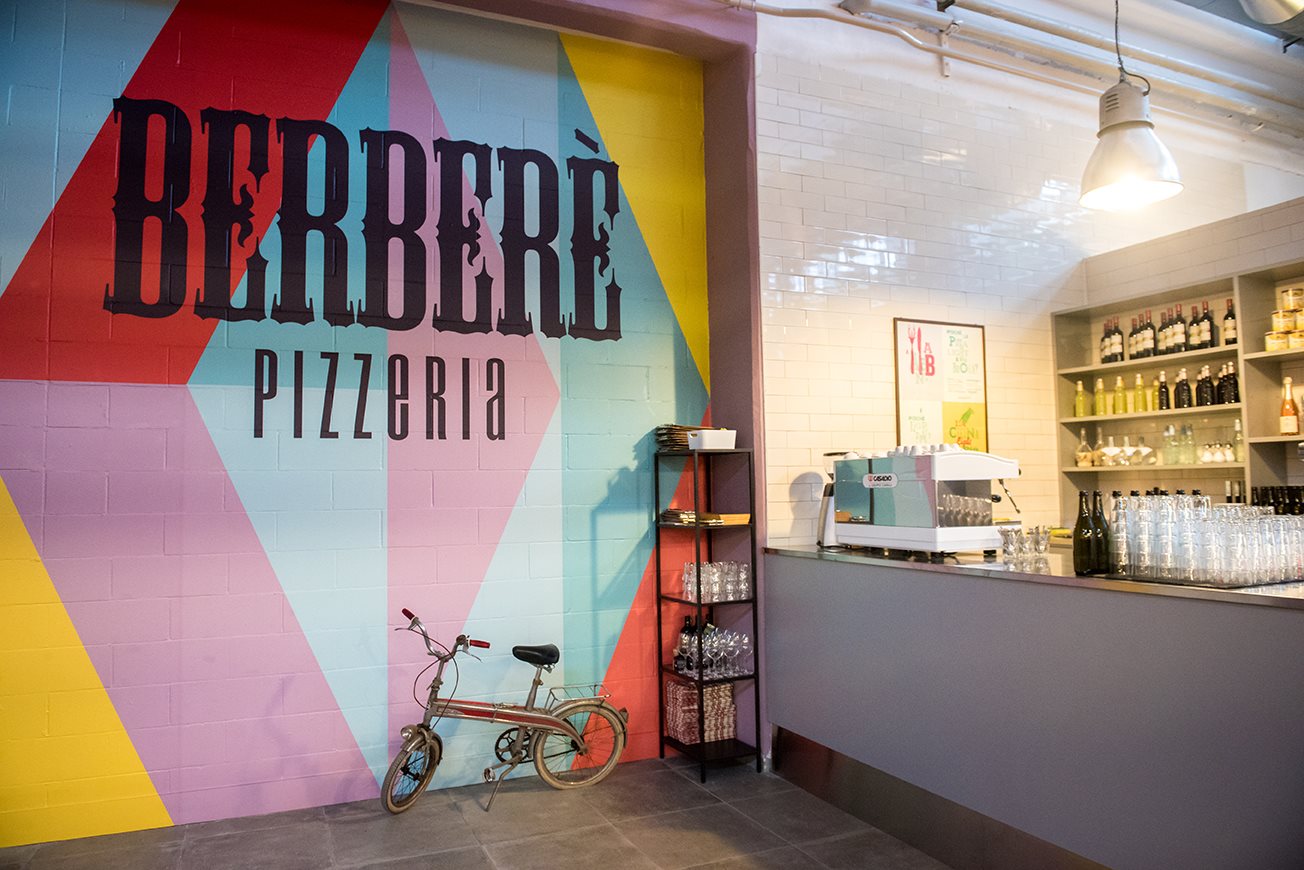
Berbere, the Aloe brothers' project out of Bologna, has a Turin outpost that fits cleanly here. The dough is sourdough, the pies come halved so two people can split four flavors, and the beer list is taken seriously. Some traditionalists will tell you it is not really Torinese. It is not. It is a national modern pizza chain done at a very high level, and Turin is better for having one.
Berberè
€€€€ · 5,908 reviews
Pizza Lovers say: "Delicious pizza with fluffy dough and artisan beer. Prices are a bit high and it can get quite noisy."
Pizzium runs a region-by-region menu where each pie carries one Italian province's ingredients. The Piemonte pizza, with Toma and hazelnuts, is the order if you came to eat the local pantry on a disc of Neapolitan dough. It is a tidy way to taste what the region puts on a pizza without committing a whole meal to it.
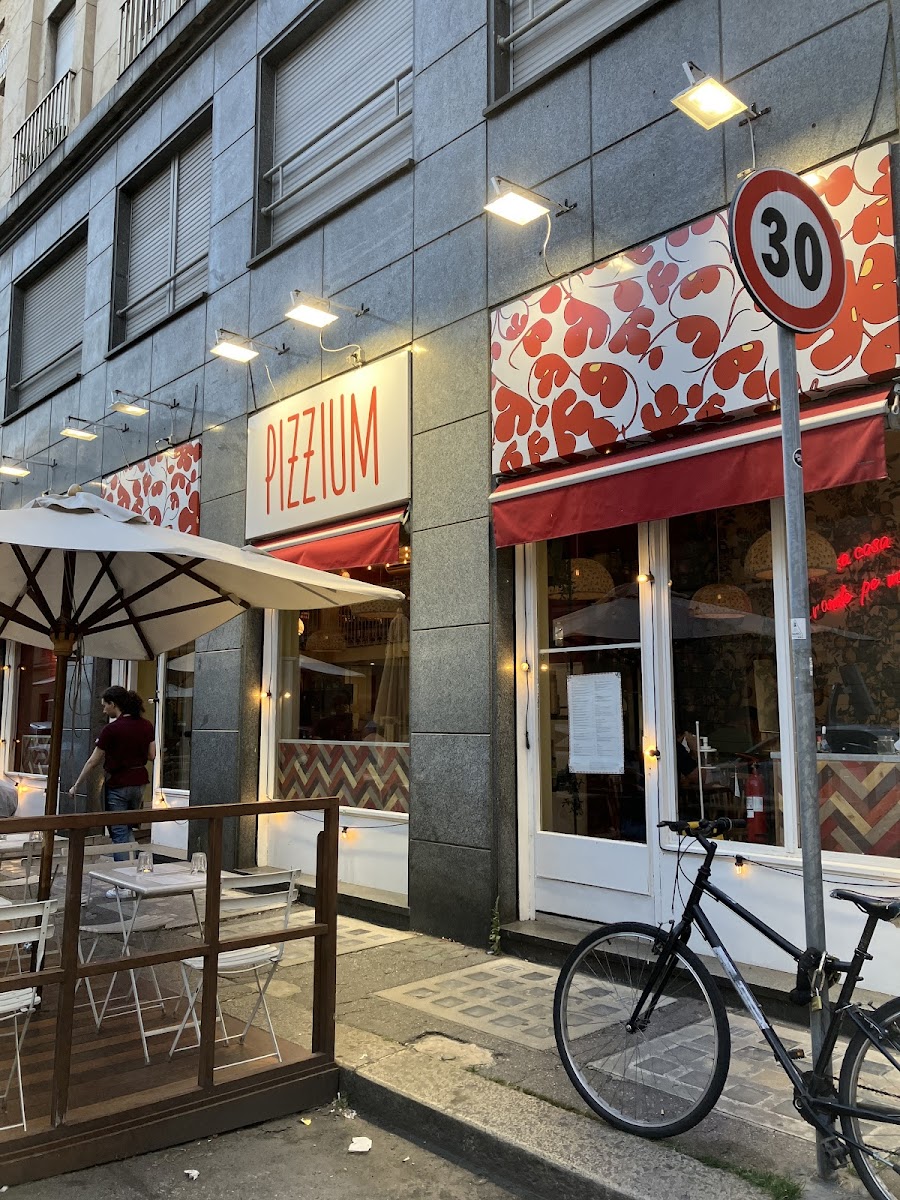
Pizzium
€€€€ · 6,446 reviews
Pizza Lovers say: "Amazing dough, unique options, and a relaxed atmosphere. Some found the tiramisu small and still frozen, and the burrata runny."
The Neapolitan rooms
Turin has a serious southern Italian population, and the Neapolitan rooms reflect that. They are not trying to be padellino. They are doing the round, leopard-spotted, 90-second bake on their own terms.
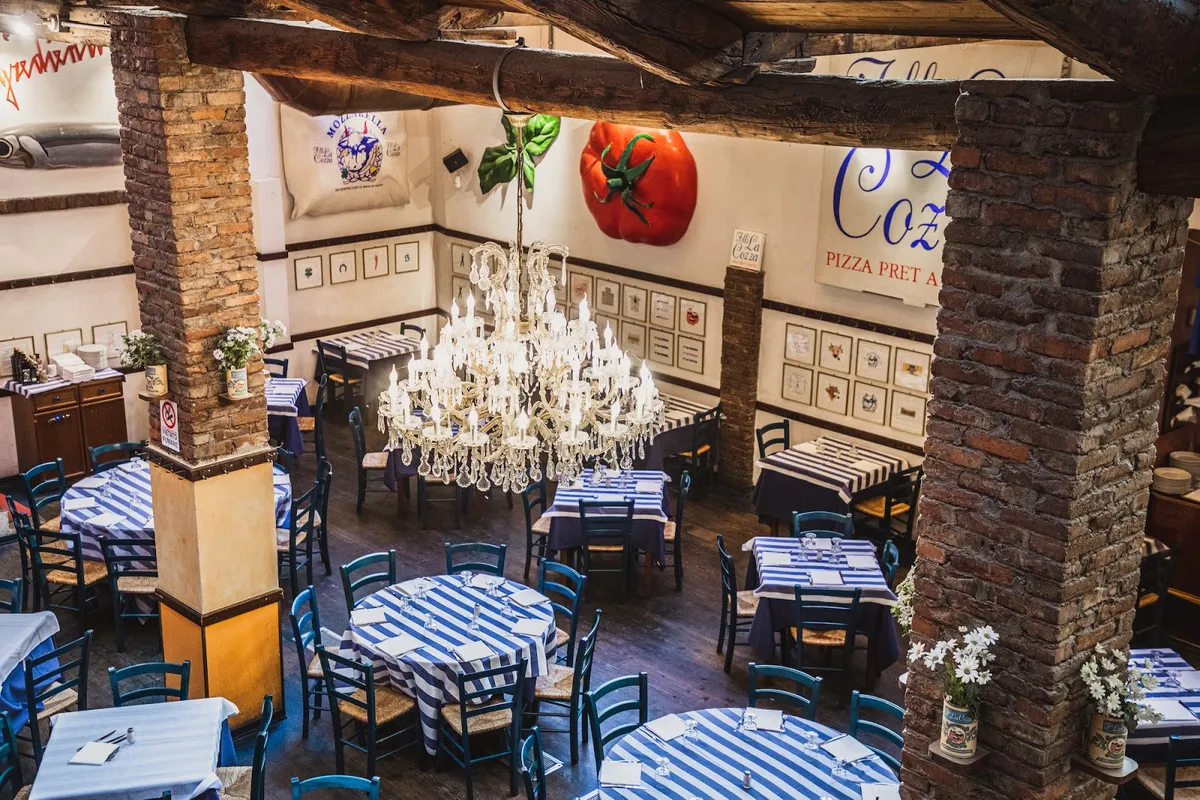
F.lli La Cozza, near the Porta Palazzo market in Aurora, has been packed for years, and the wood oven shows the miles. The menu reads classic, the dough has the right pliable chew, and the room runs at the volume of a Sunday lunch every night of the week.
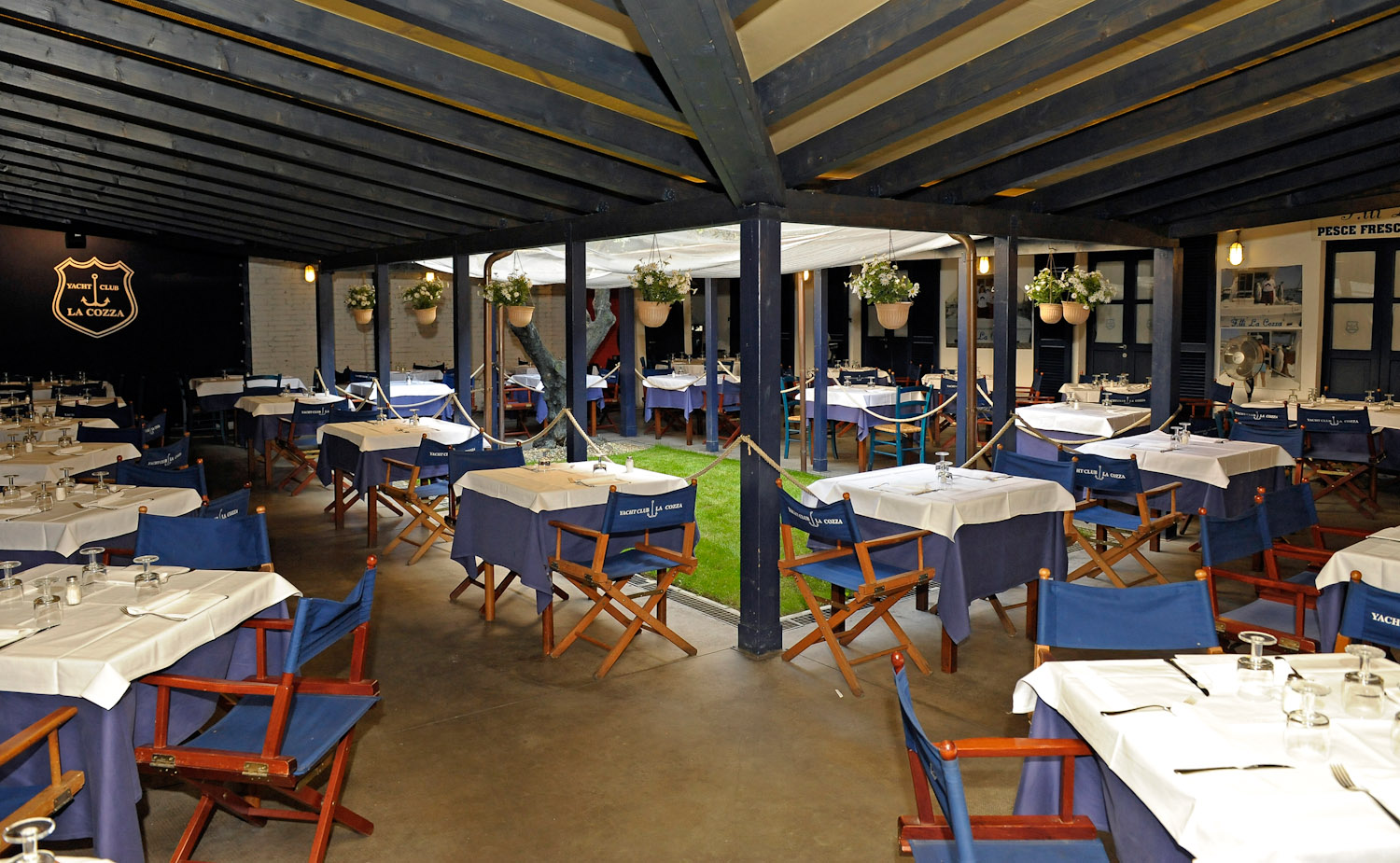
F.lli La Cozza
€€€€ · 6,152 reviews
Pizza Lovers say: "Excellent Neapolitan pizzas from wood-fired oven, great mussels, and amazing pistachio mousse. Cooked vegetables not so good."
Cammafa is the newer entry, a 30-plus pie list, a fat cornicione, and a kitchen that takes the gum-line seriously. The dough rises tall at the edge without going hollow, which is the line between a good Neapolitan and a great one.
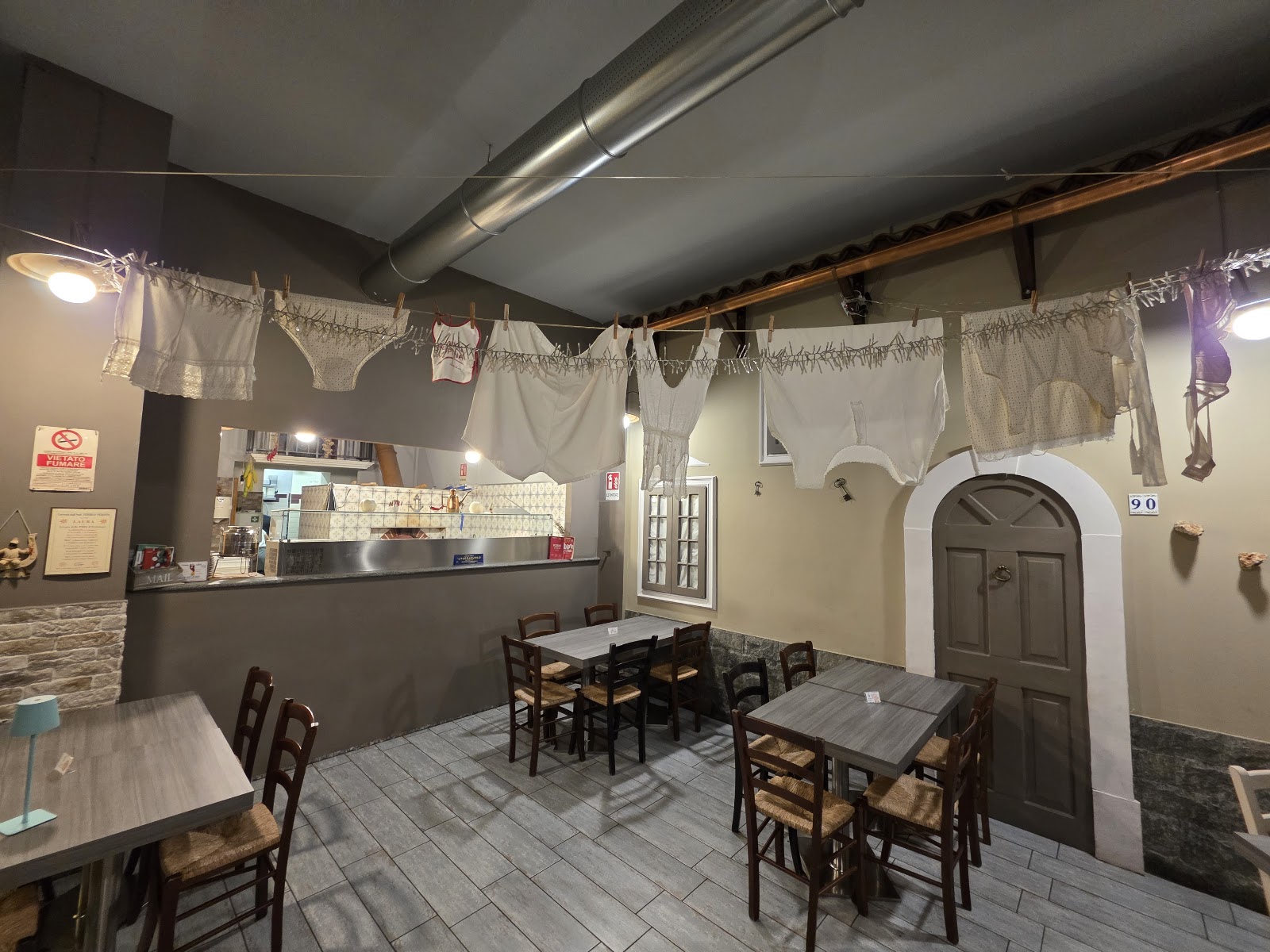
Cammafà
€€€€ · 5,297 reviews
Pizza Lovers say: "Loved the pizza dough, authentic Naples style, and polite staff. Sometimes the saltiness of the dough can be too much."
Pizza al taglio and Roman tonda
Pan-format pizza al taglio is its own thing in Turin, and the better shops take flour selection as seriously as any restaurant on this list. 50 Teglie runs long fermentations, light open crumbs, and slices the pies by weight rather than by the eye. Lunchtime is the moment.
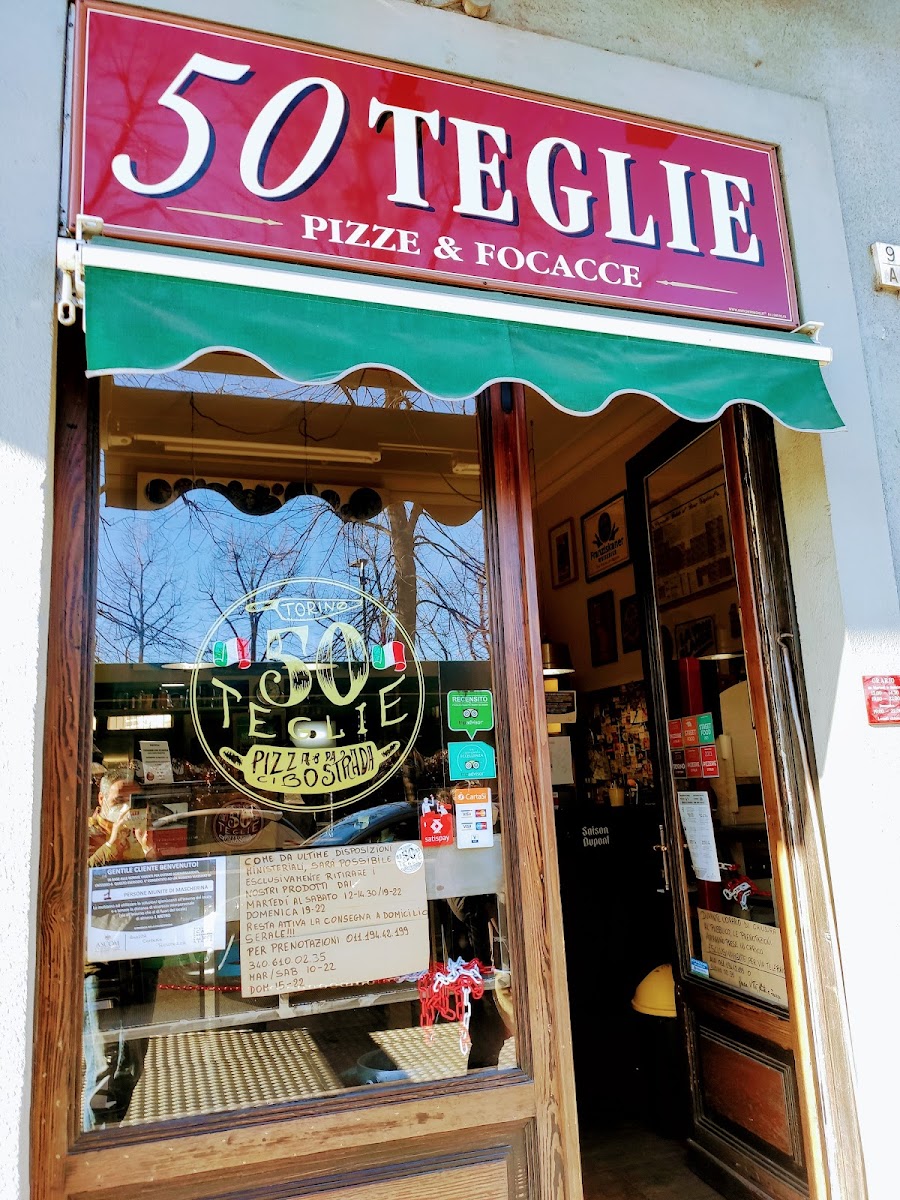
50 Teglie
€€€€ · 1,200 reviews
Pizza Lovers say: "Amazing pizza with great dough and fresh ingredients, friendly owners, and good beer selection. Some found the seating a bit cramped."
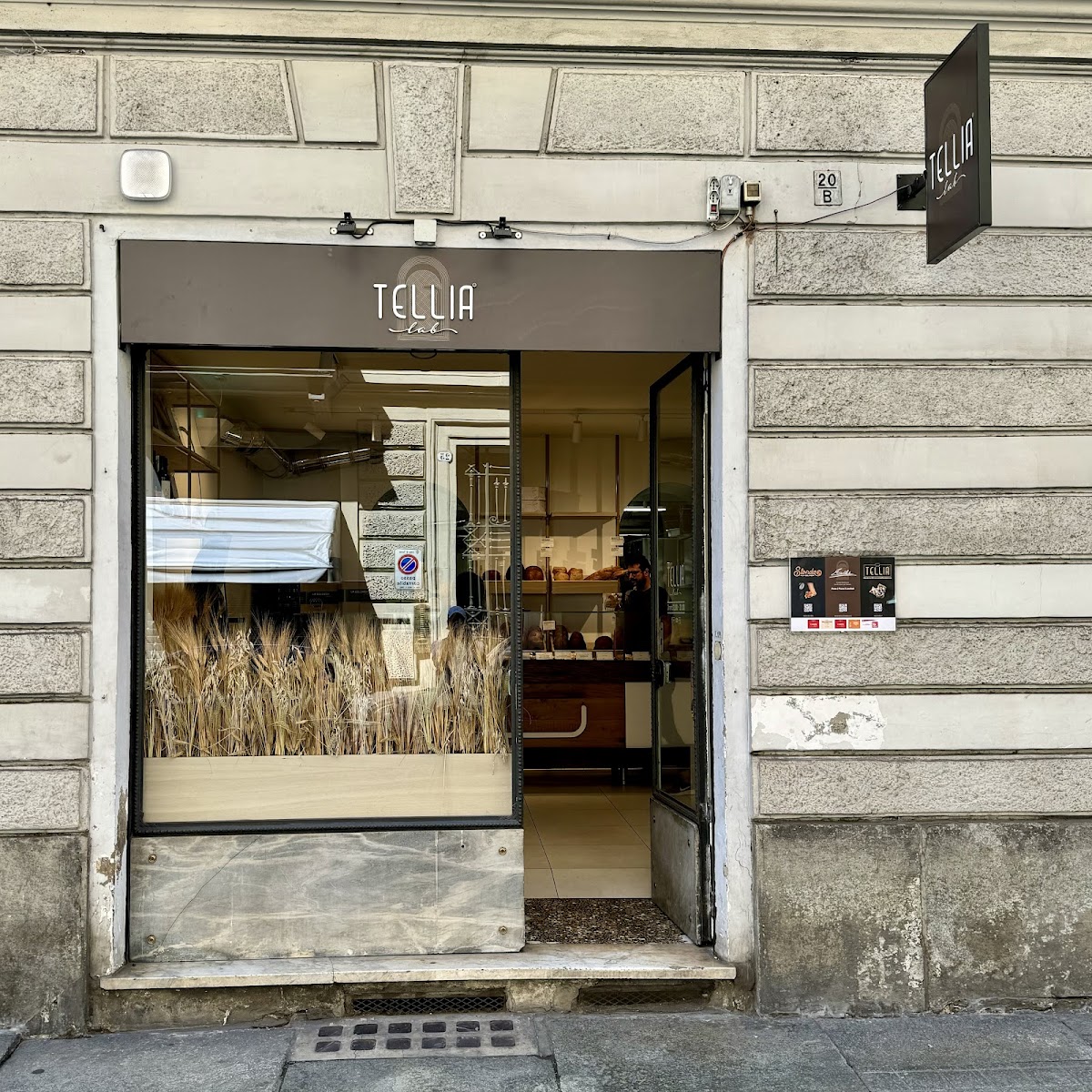
Tellia does the same format with a tighter focus on the al taglio discipline: every slice weighed, the toppings restrained, the dough proofed long enough to read as bread first. It is the version of by-the-gram pizza that respects both halves of the format.
Tellia
€€€€ · 350 reviews
Pizza Lovers say: "Amazing focaccia like the Focaccia Genovese, creative pizza al taglio flavors, and Roman-style pizza. Some reviewers found the bread selection somewhat limited."
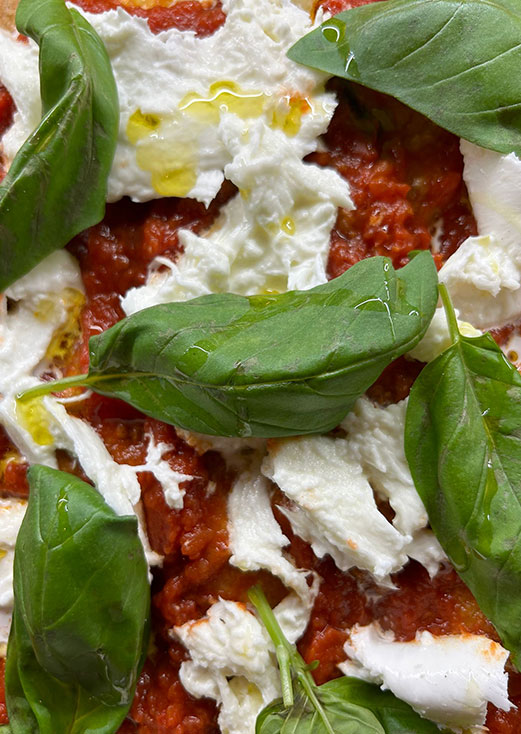
Margheri Pizza Romana is the outlier that proves the city is no longer single-style. Roman tonda, the thin crisp disc baked fast on a hot deck, is rare in Piemonte, and Margheri does it on purpose. Cracker edge, no chew, the opposite of every other pie on this list. That contrast is the point.
Margherì Pizza Romana
€€€€ · 506 reviews
Pizza Lovers say: "Great thin crust, amazing variety of Roman pizzas, and delicious sweet pizza. Staff is nice."
How we ranked this
We ranked by what the people who came for the pizza actually thought, not by the length of the line outside. A room that fills up because it sits next to a museum is not the same as a room that fills up because the dough is right. We trust the second one, and we wrote about it here.