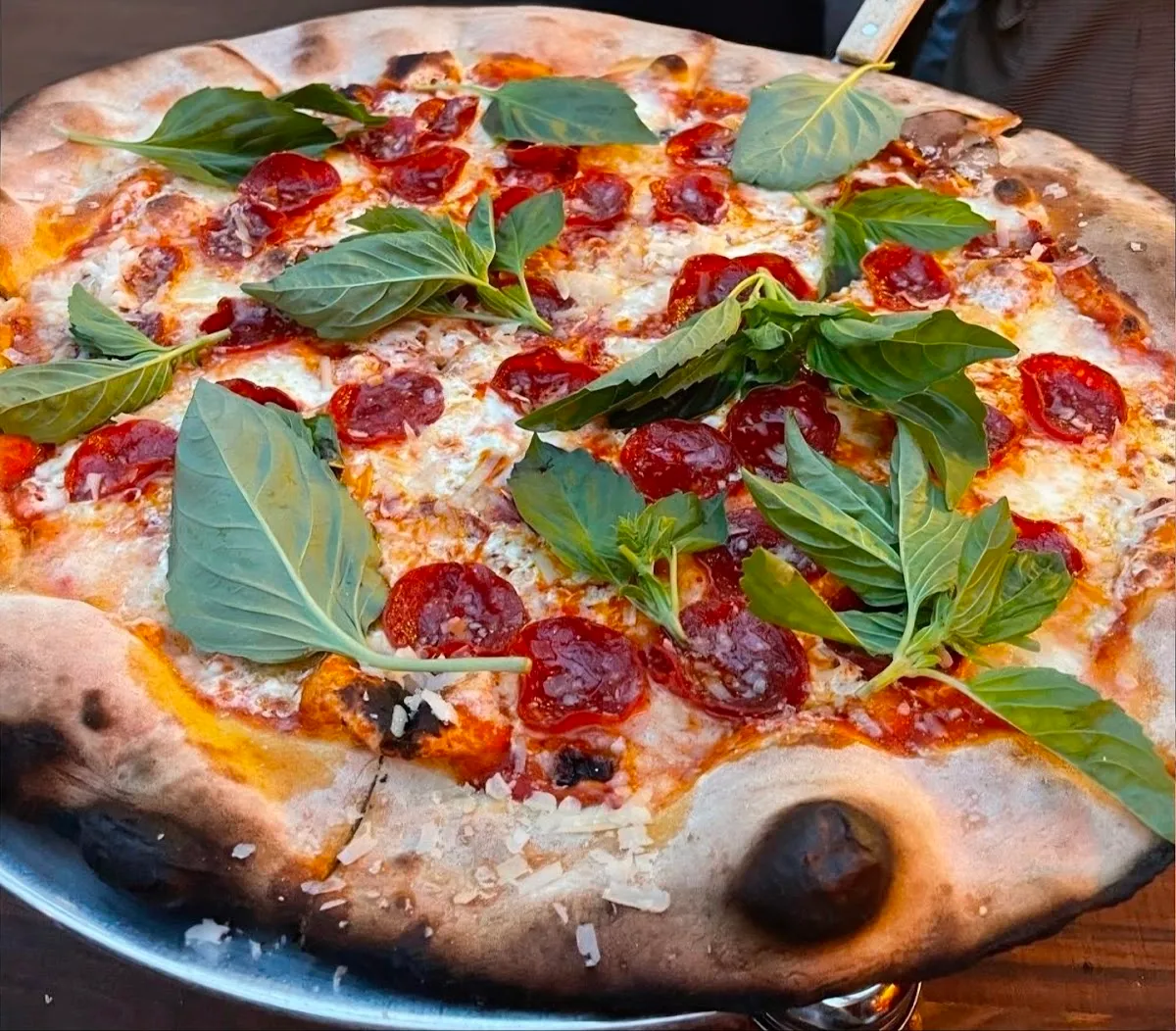
In June 2026, Yum Brands agreed to sell Pizza Hut for $2.7 billion, the first time the chain had changed hands since 1977. Nearly 20,000 locations across 108 countries, $12.8 billion in system sales, and the company that held it for almost 50 years wanted out.
The pizza people actually line up for was not in any of those buildings. It costs more than a chain pie, sometimes a lot more, and the line forms anyway.
The chains are managing a decline
Pizza Hut's US same-store sales fell about 5 percent last year. Its share of the American pizza market slid from 19 percent in 2019 to 15 percent, while Domino's climbed past 23 percent on app orders and delivery. Pizza Hut is closing roughly 250 US restaurants in the first half of 2026, after shutting more than 260 the year before.
It is not one chain. Chuck E. Cheese, the pizza-and-arcade concept that turns 49 this year, filed to drop the leases on 45 closed or underperforming locations and is steering what is left toward arcades. In Australia, where Pizza Hut has run since 1970, the master franchisor Flynn Group is spending $10 million on what it calls a complete reset, new menus and store designs across more than 250 stores, after a reported loss the year before. Spending that much to remind a country you still exist is its own kind of scoreboard.
Pizza stopped being fast food
For most of a century, pizza competed on speed and price. That was the chains' game: a par-baked crust shipped on a schedule, a menu tuned for coupons and stuffed-crust gimmicks, delivery in 30 minutes. Then the apps turned convenience into a commodity, the cheap end got cheaper, and the thing the chains sold stopped being special.
What replaced it is the shift that already happened to coffee, bread, and chocolate. People started reading the label. A serious pie now gets discussed the way wine is: the flour and its protein, how long the dough fermented, San Marzano tomatoes, real Parmigiano-Reggiano instead of a shaker of "cheese," a named baker instead of a logo. In Caiazzo, an hour north of Naples, Franco Pepe rebuilt the Margherita from scratch and called it the Margherita Sbagliata, the "mistaken" one, with the tomato, buffalo cream, and basil layered on after the bake. In Los Angeles, William Joo runs a $150 pizza tasting menu at Pizzeria Sei. This is not the arc of a food in decline. It is a food moving upmarket.
The part the chains cannot copy is the reason for the trip. You are not paying only for flour and cheese; you are paying for a person who has made the same pie for years, an oven someone tuned by feel, a counter with 30 seats and a line that is half the experience. That added value, the maker, the space, the ritual of the wait, is what a logo cannot ship in 30 minutes. OpenPizzaMap tracks 5243 pizzerias across 360 cities, and not one of them is a chain, by design.
The independents worth the trip
Franco Pepe works out of Caiazzo, a small town an hour from Naples, where he turned his family's bakery into Pepe in Grani in 2012 and became the most argued-about name in Neapolitan pizza. He mills heritage grains, ferments long, and rebuilds the classics; his Margherita Sbagliata is on half the pizza lists in Italy. People drive from Naples for it, past a hundred other counters, on purpose.
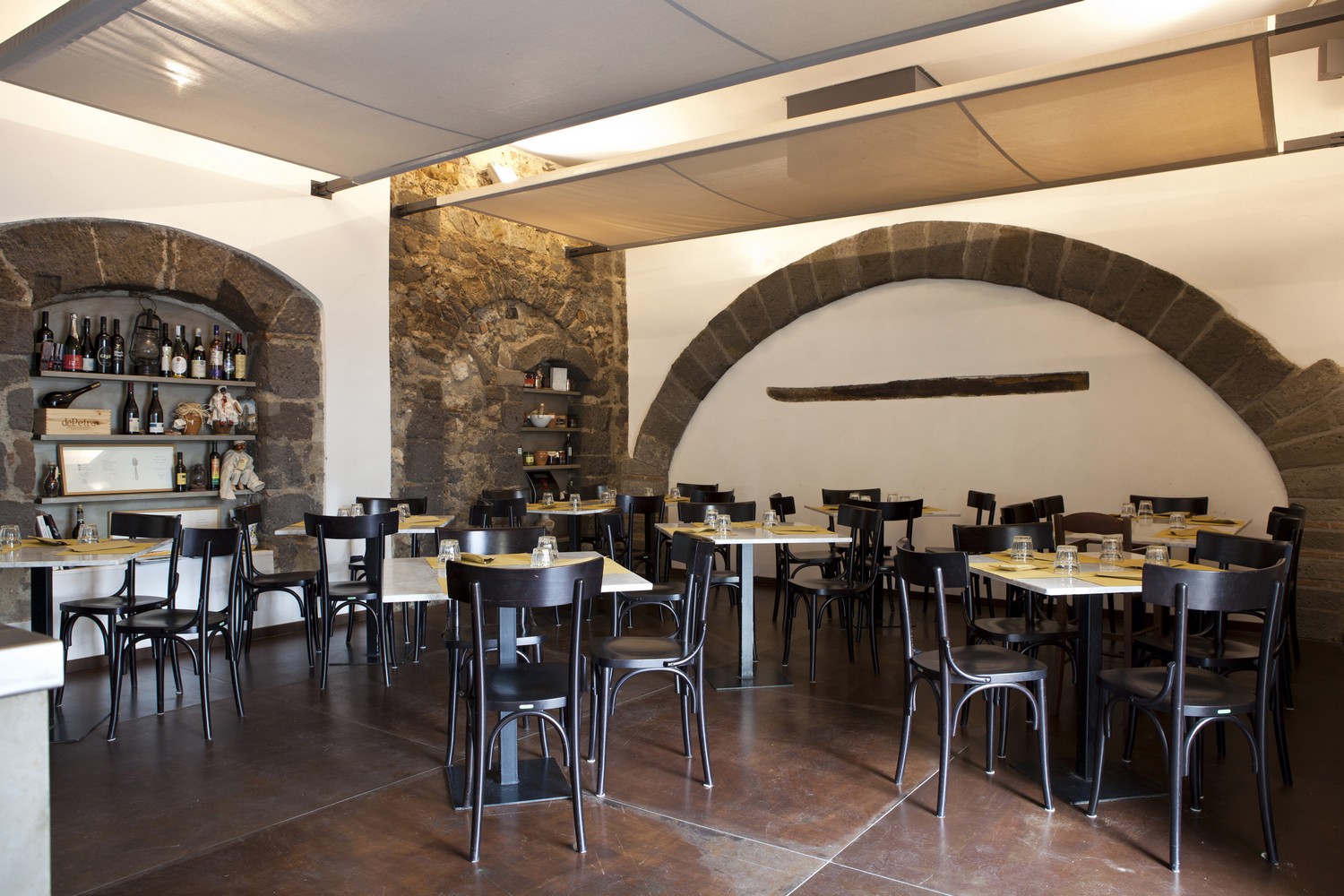
Pepe in Grani
€€€€ · 17,710 reviews
Pizza Lovers say: "Exceptional pizzas with amazing dough, friendly staff. The tasting menu was a lot of food."
In Sabadell, outside Barcelona, Eric Ayala reinvents a single pizza the same way. At Il Figlio di Emiliano he serves a flight of seven Margheritas, each built on a different tomato, that walks from the fruit's earliest European varieties up to the modern San Marzano. It treats the Margherita as a subject, not a default, and the whole progression is worth its own read.
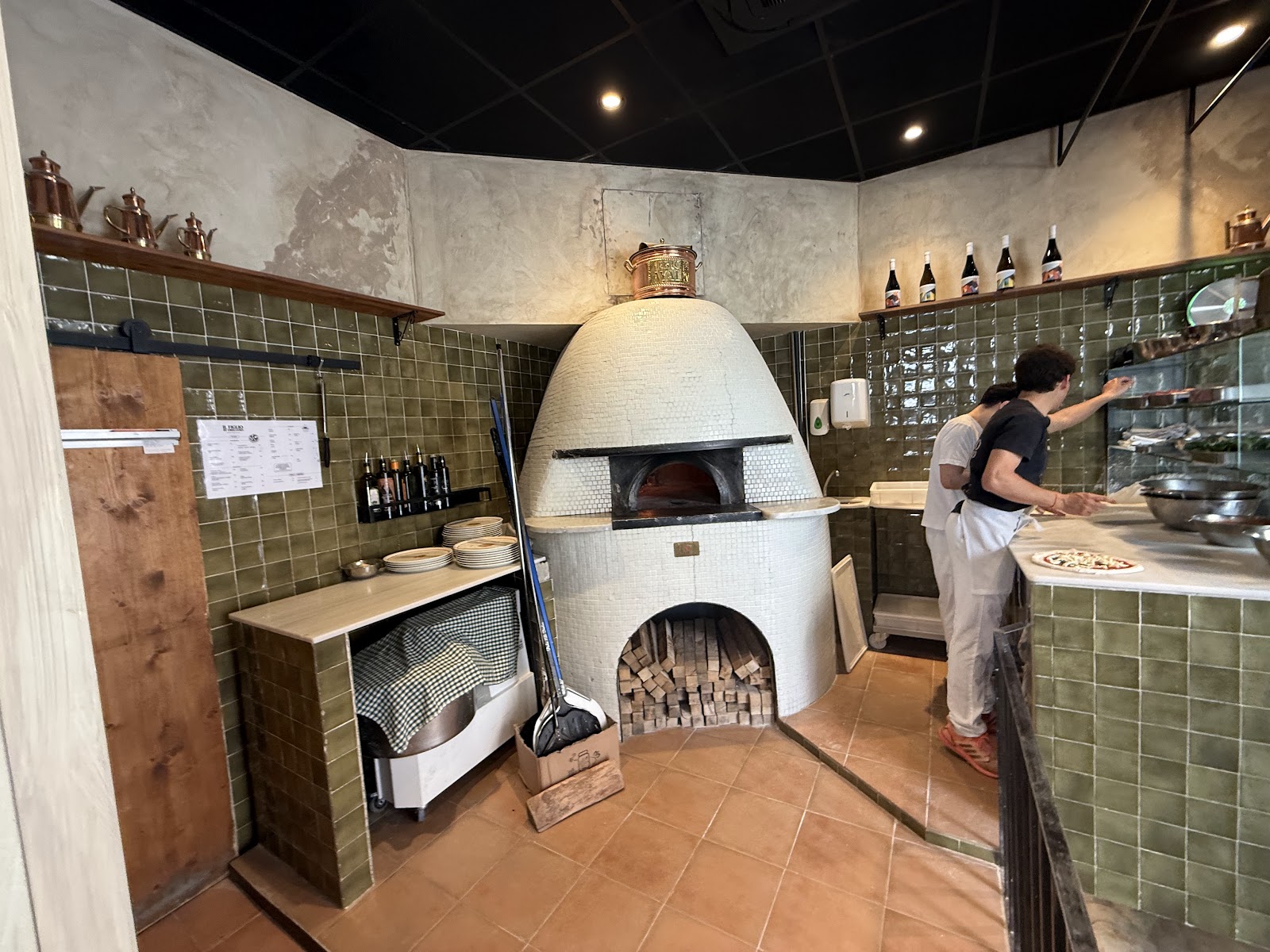
Il Figlio di Emiliano
€€€€ · 3,263 reviews
Pizza Lovers say: "Praise for the wooden oven pizza, 'Preferita di Mamma,' and pistachio tiramisu. Some found the dough a bit chewy and service poor."
The newest name here is also the hardest to get into. Jacob Serebnick and Julian Geldmacher met in the kitchen at Eleven Madison Park, left fine dining, and opened Ceres on Mott Street in 2025 to bake sourdough. They make about 165 naturally leavened pies a day, whole pies only, and when the day's time slots are booked they are done. The one people come for is the 'nduja pie, spicy pork spread under burrata with aged balsamic, and it runs past $60 for a single pizza. The line does not seem to mind.
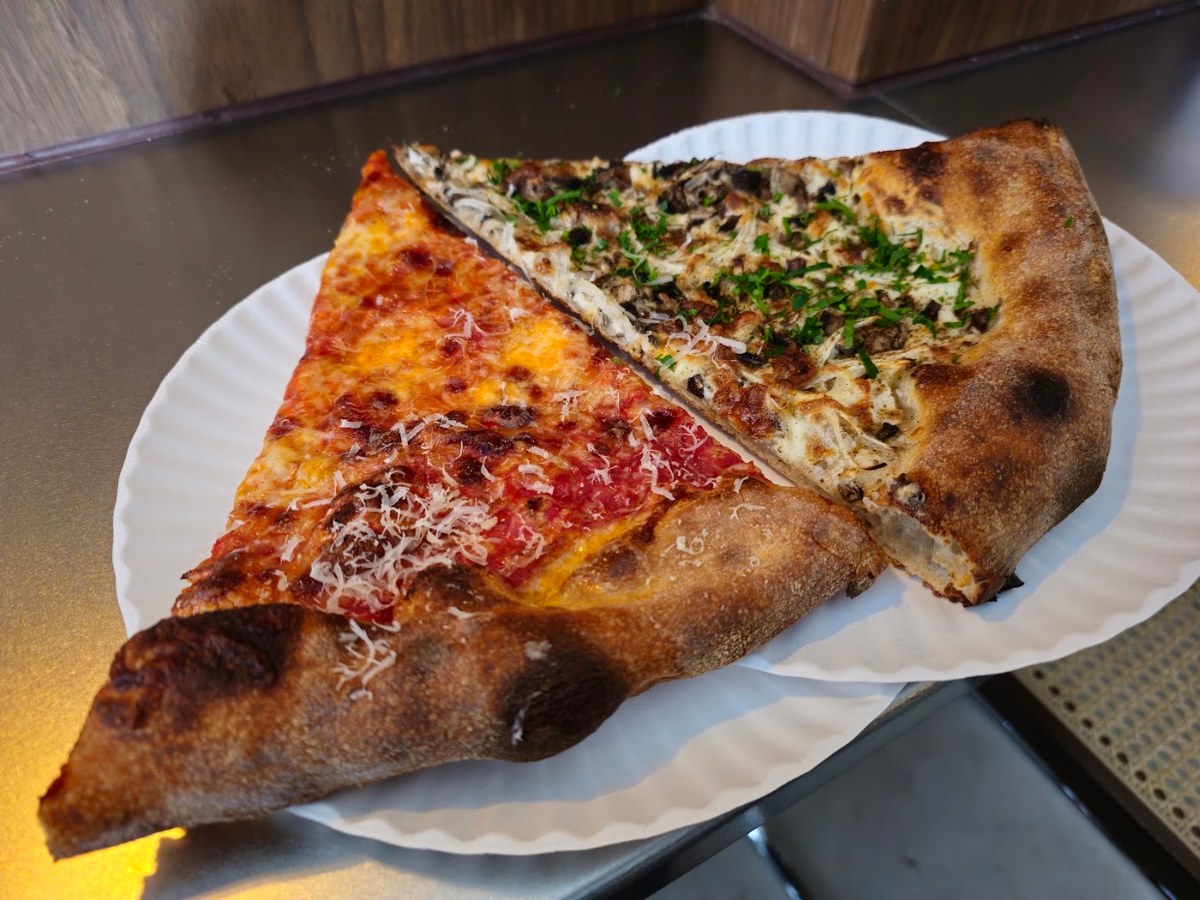
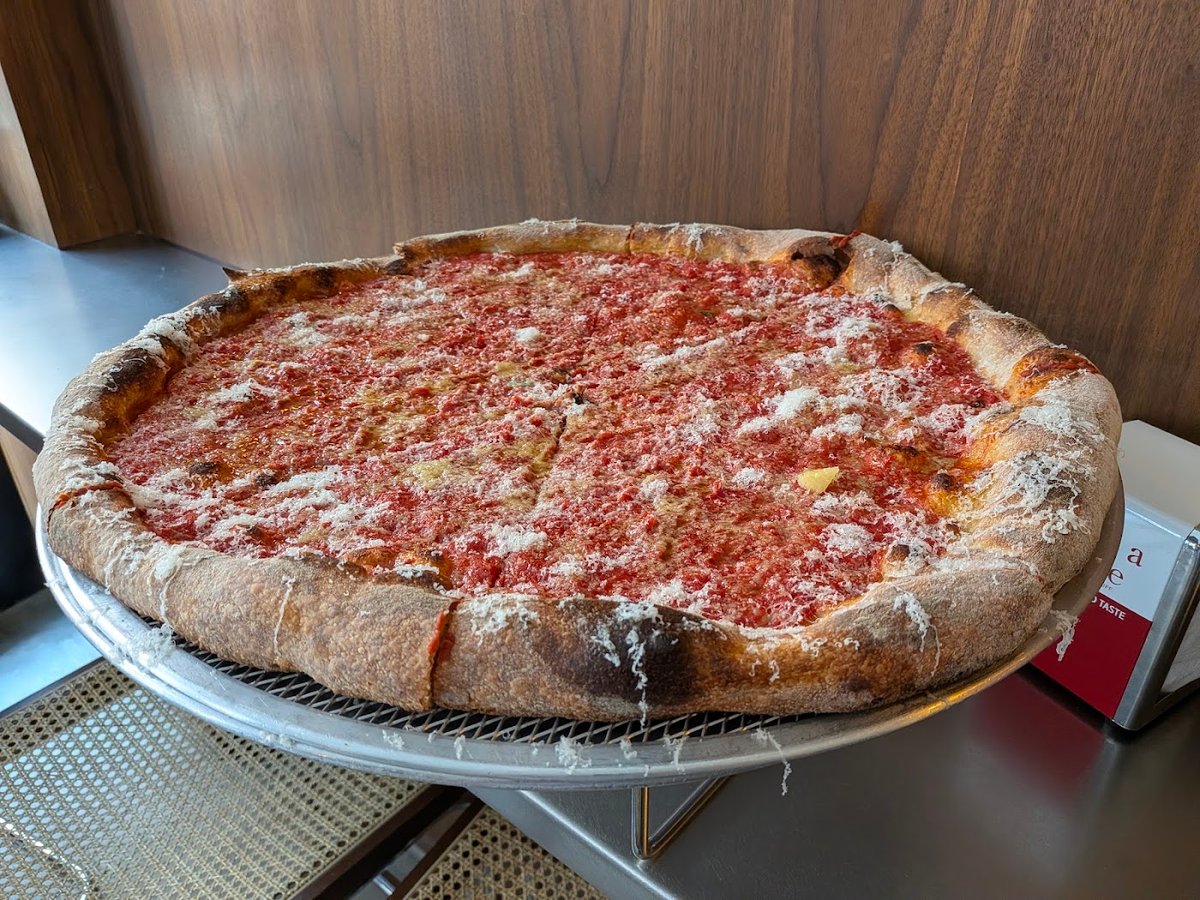
Anthony Mangieri runs Una Pizza Napoletana in New York, which he moved back east from San Francisco in 2018, on naturally leavened dough and a menu of a few pies. When the dough is gone, the night is over. He makes a set number and closes, the opposite of a chain built to never run out.

Una Pizza Napoletana
€€€€ · 965 reviews
Pizza Lovers say: "Incredibly well made pizza with fresh ingredients and excellent dough texture. Reservations are tricky and pizzas aren't sliced."
Chris Bianco opened Pizzeria Bianco in Phoenix in 1988 and in 2003 became the first pizza maker to win a James Beard cooking award. His Rosa, red onion, Parmigiano-Reggiano, rosemary and Arizona pistachios, is a pie you cannot order anywhere else because he built it around where he lives.
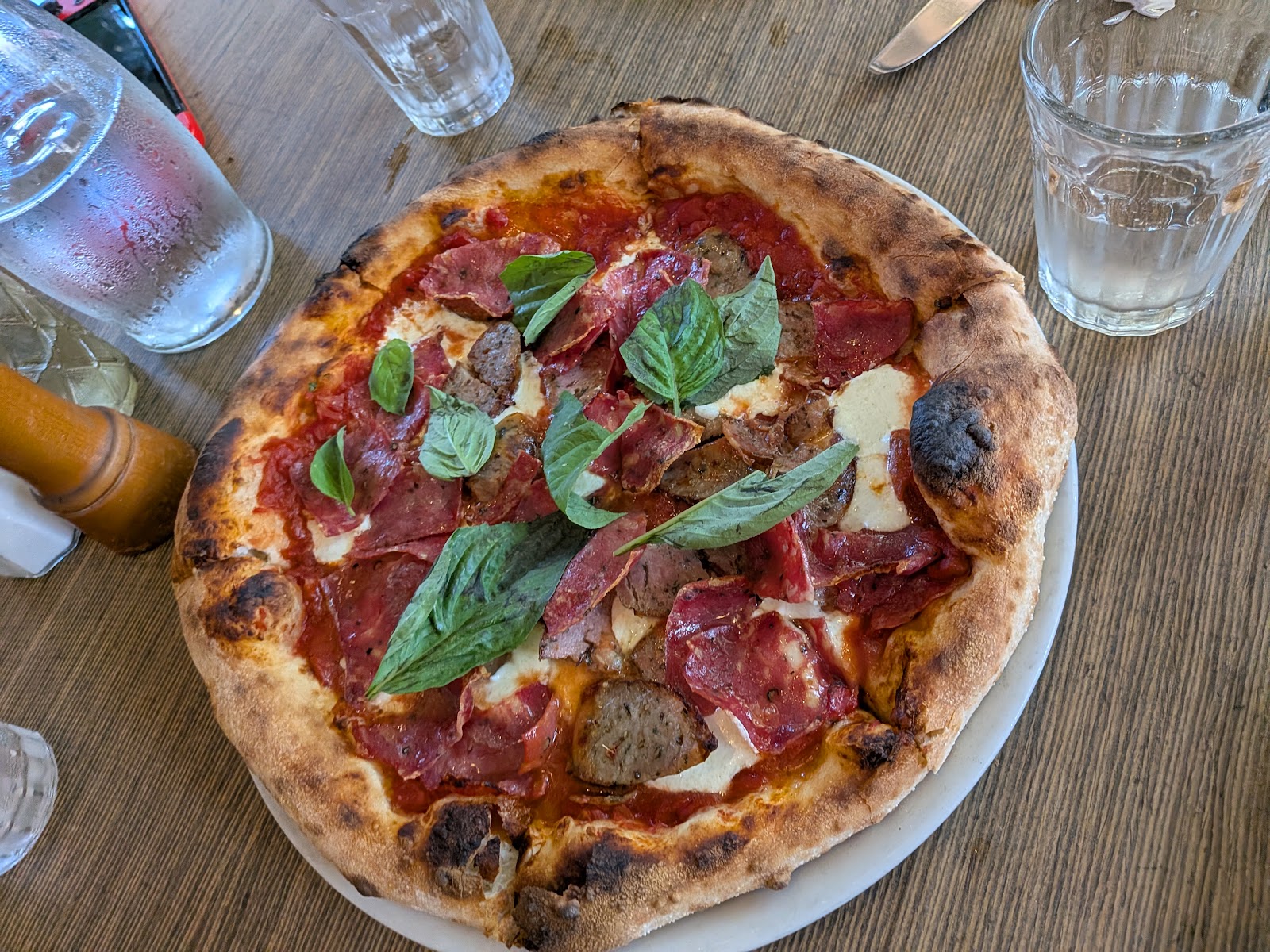
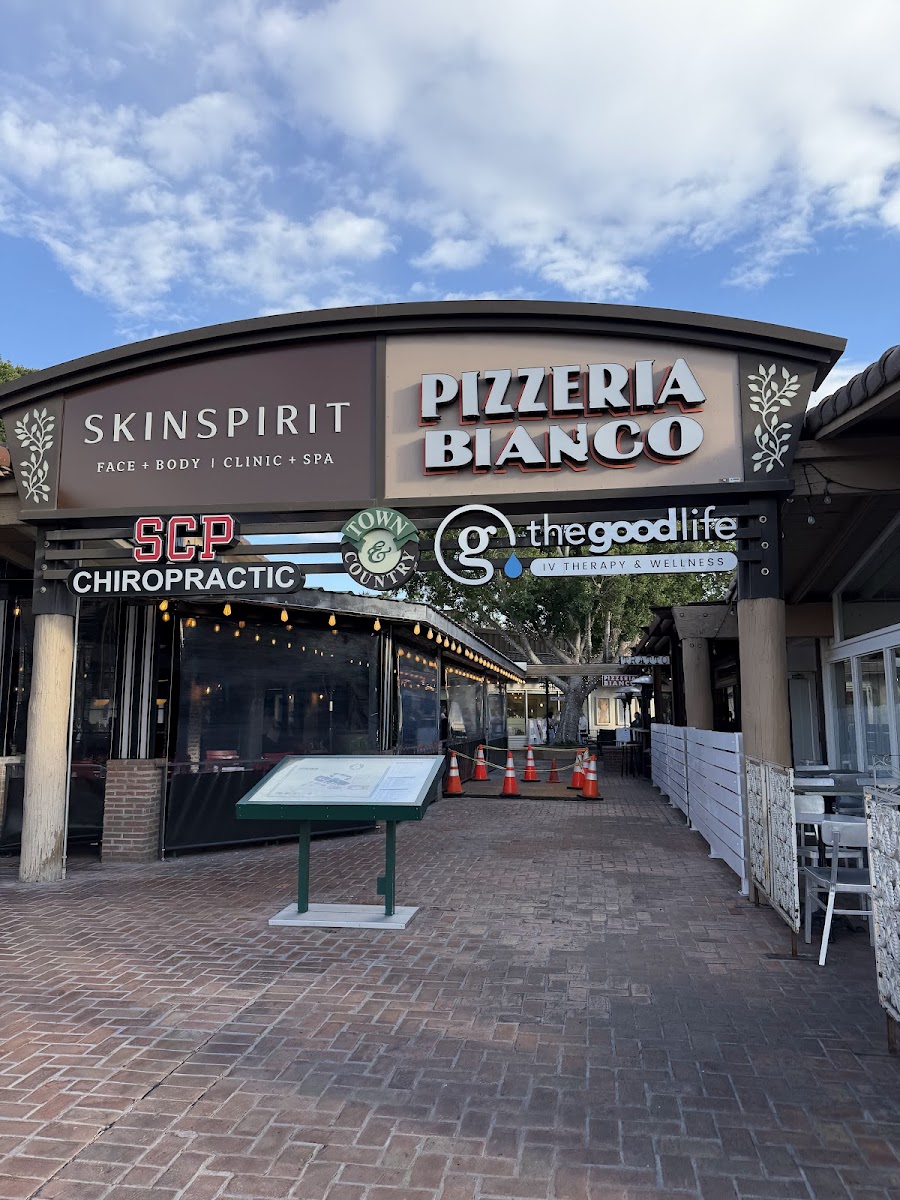
Pizzeria Bianco
€€€€ · 2,954 reviews
Pizza Lovers say: "Perfect thin crust, Biancoverde pizza, and great pasta. Rosa pizza was more restrained."
Not all of it is new or expensive. Mark Iacono's Lucali, opened in Brooklyn in 2006, is one of the least expensive spots here and one of the hardest to sit down at: a thin, crackery pie, one size, a calzone, cash, bring your own wine, no reservations. The list to get in became its own institution, and it makes the point that the quality end is not only about spending more; it is about a person who cares how the pie comes out.
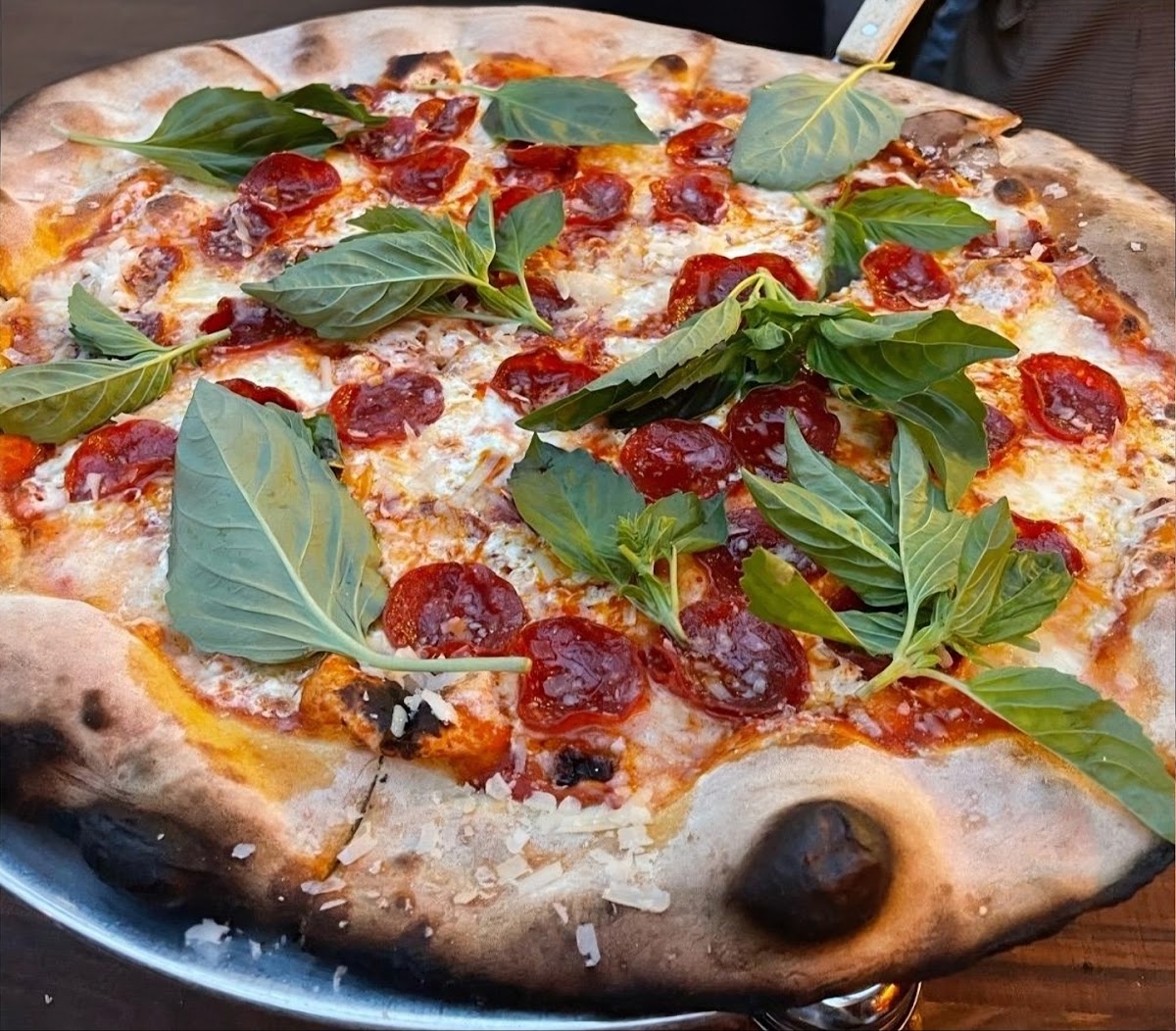
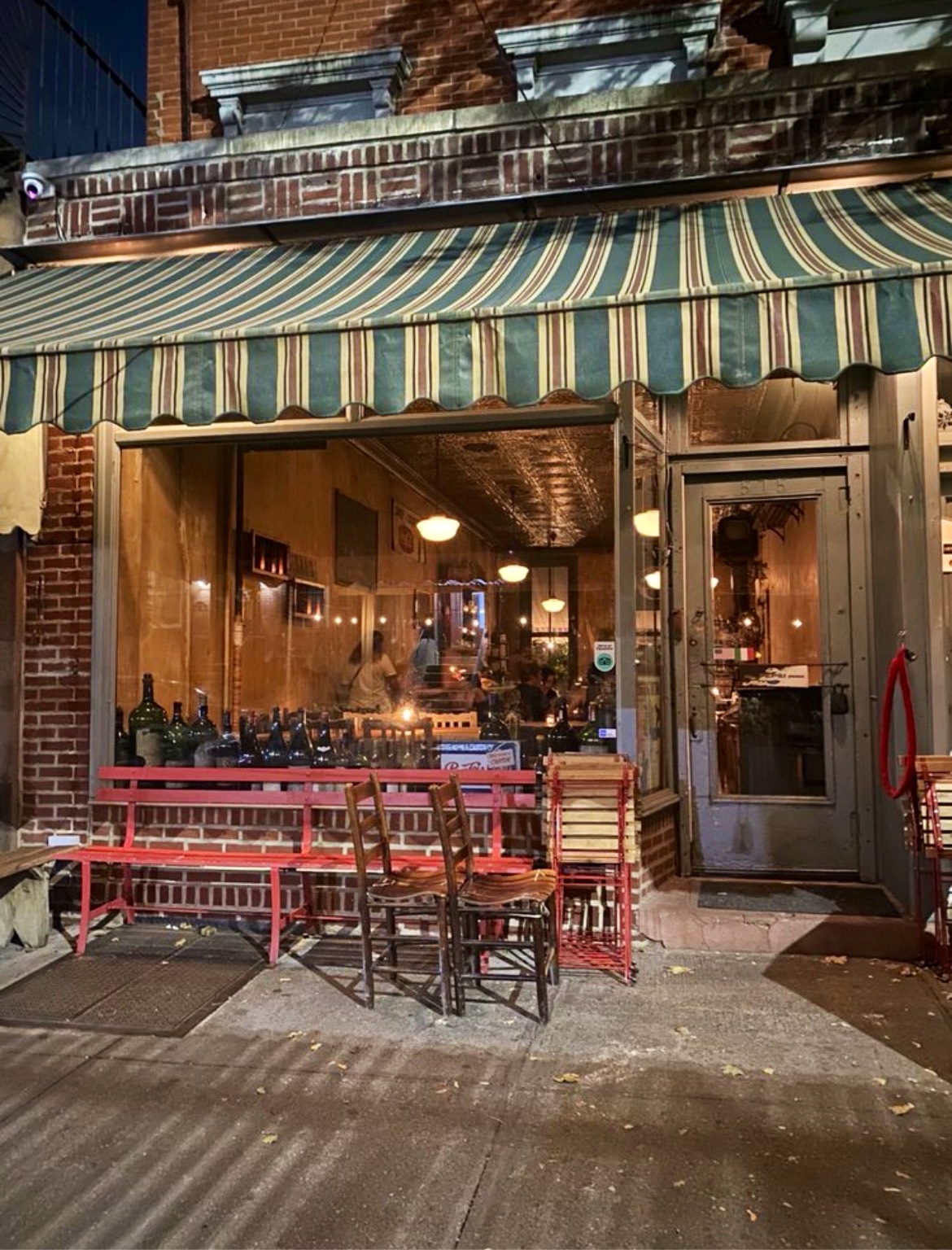
Lucali
€€€€ · 3,287 reviews
Pizza Lovers say: "A hand-rolled, thin-crust pie with charred edges and a rich tomato base. It's BYOB and cash-only, with no reservations, so expect a wait."
Six pizzerias, and the through-line is not price; it is that a person stands behind each one. The chains are cutting locations and spending millions to be remembered. These have people paying more, and waiting longer, on purpose. We rank the whole map by what people who came for the pizza actually thought, not by the length of the line or the prettiest photo, and it keeps pointing the same way.