
If you have spent the last few years trying to push your cold ferment from 24 hours to 48, then 72, then a full week, Salvatore Salvo would like you to stop.
Salvo runs Neapolitan pizza at Pizzeria Salvo on Riviera di Chiaia in Naples, a short walk back from the seafront in the Chiaia quarter. He is a third-generation pizzaiolo, raised inside a Naples family that has been working the ovens for decades. He does not believe in long cold rises. "Everything that doesn't happen at room temperature is not fermentation," he told Eric Ayala on the Eric Ayala Pizzaiolo YouTube channel[1]. The line is more than a hot take. It is a math argument, and he spells it out in the same conversation.
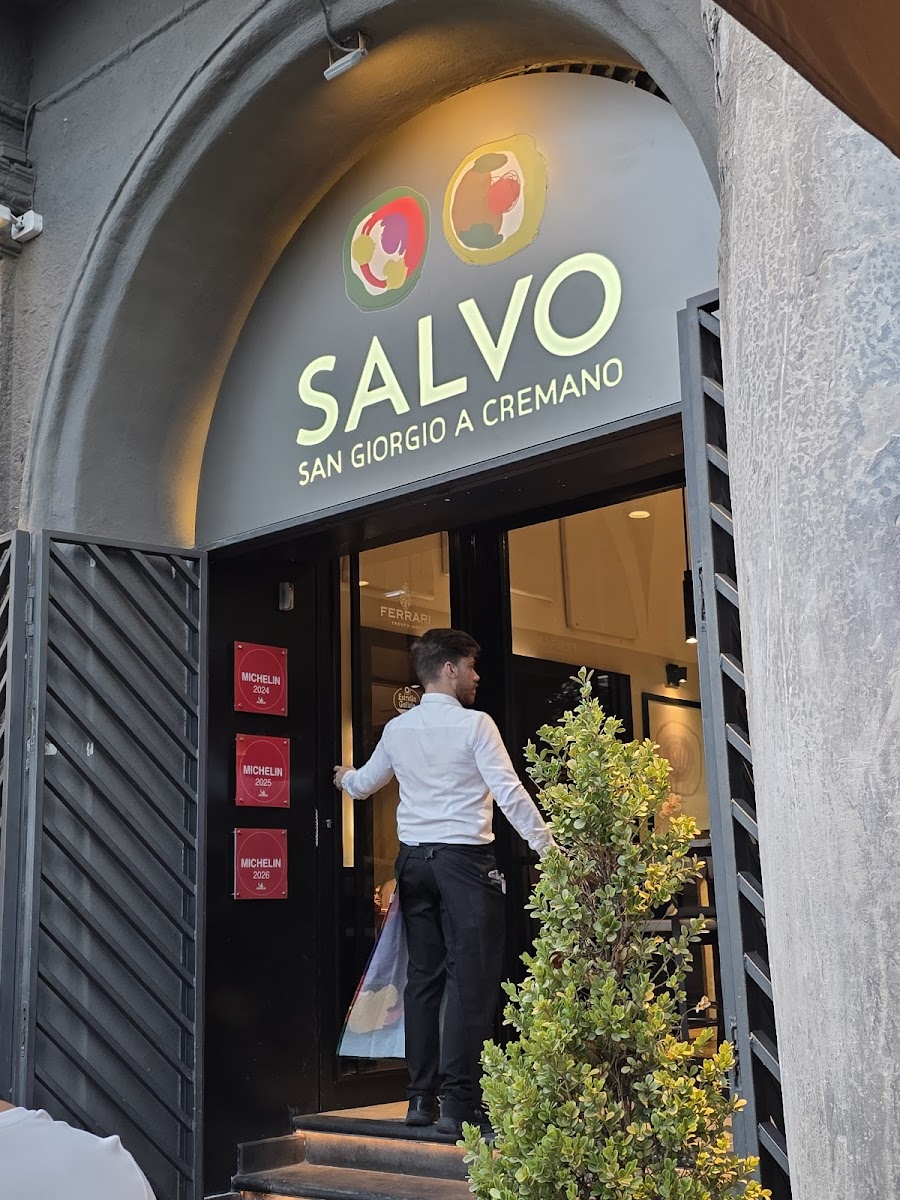
Pizzeria Salvo
€€€€ · 917 reviews
Pizza Lovers say: "Amazing dough, light and airy. Excellent tasting menus with wine pairings. A bit pricey for the tasting menu."
The orthodoxy he is pushing back against is real. Home baking circles have spent the last decade chasing 48 hour, 72 hour, even week-long cold rises, often paired with hydration numbers in the eighties and nineties. The implication is that more hours equal more flavor. Salvo's point is that the implication is wrong. Cold temperatures slow microbial activity, so the dough that sits for 48 hours in a four degree fridge has not been "fermenting" for 48 hours. It has been waiting. The process keeps moving, but it moves at a fraction of the speed it would at 20 to 22 degrees Celsius. Call it what it is, he argues. You cannot say 48 hours of fermentation when the dough spent 48 hours in a fridge.
His own dough lives at room temperature, in a proofing cabinet set to 22 degrees. He starts the bulk around 5pm, works the dough through the evening, and balls it the next morning around 10am. The panetti are 300 grams each, and they rest in the cabinet until service starts at 12:30pm and runs to about 4pm. From end of mix to first pie is roughly 16 hours, every number read by feel, not by the calendar.
The hydration number Salvo works at also defies the usual script. He names a range in the high seventies, roughly 70 to 77 percent by weight, which is well above what most home bakers attempt and well above what is comfortable in a cold ferment. The number on the page, he insists, is meaningless on its own. The real signal is what the dough does when you put your hand on it after a three to four hour rest. If it opens under your palm without flour, without bench tricks, without force, that is the number he trusts. "A me serve sensibile" is how he puts it. Sensitivity, not rigidity.
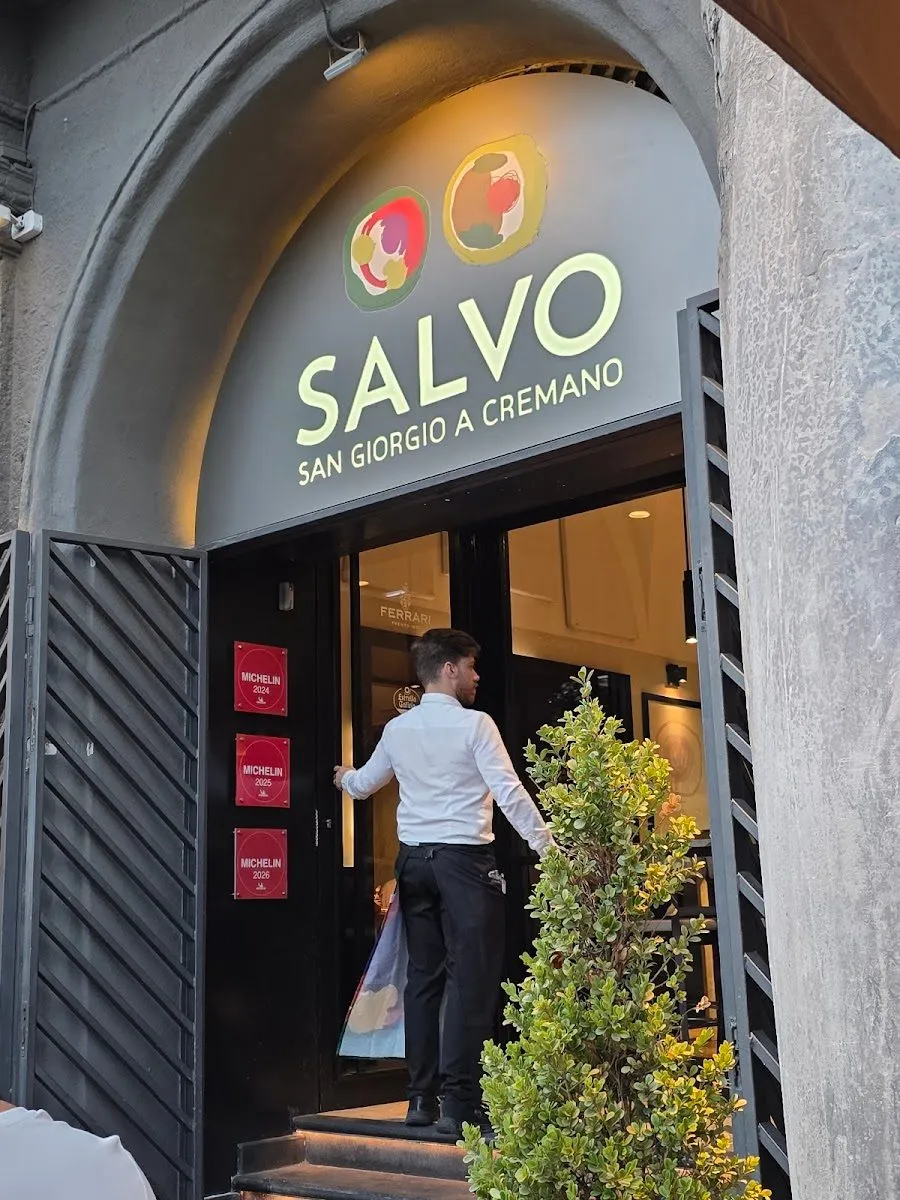
Pizzeria Salvo
€€€€ · 917 reviews
Pizza Lovers say: "Amazing dough, light and airy. Excellent tasting menus with wine pairings. A bit pricey for the tasting menu."
That is also why he rejects acidity in the final dough. Acidity tightens the gluten network. A biga that runs too long, or a flour that has gone too far, leaves an acidic note he can smell as soon as he leans over the panetto. He compares the smell to alcohol. If it is there, he knows the structure has stiffened, and that is the opposite of what he is trying to bake.
This is the part that trips home cooks up. The whole point of the cold proof, as it is usually explained, is that you get depth without effort. You mix, ball, and walk away. Salvo's version of the work is not easier. It is just structured differently. You build the dough at a moderate temperature. You give it a long bulk, often a full day at room temperature. You ball it late. You bake it the same day. The flavor is supposed to come from the room, not the refrigerator, and the timing has to be present for that to happen.
The wider lesson is that more is not a method. More hydration, more hours, more autolyse, more folds, more everything is how the home pizza conversation has been running for a decade, and a lot of it is measurement for the sake of measurement. Salvo treats the dough the way a baker treats a levain: present, watched, adjusted, never abandoned to a calendar. The fridge is a parking lot. The room is where the dough lives.
If you want to try his logic at home, the simplest experiment is the smallest one. Mix a dough at room temperature, somewhere in the mid to high seventies by weight if your flour can take it. Aim for a final dough temperature around 21 degrees. Give it a long bulk at room temperature, somewhere between twelve and sixteen hours, until the panetto flattens under your hand without flour or force. Bake the same day. Note what the base tastes like, and what the crust smells like. The difference will not be subtle.