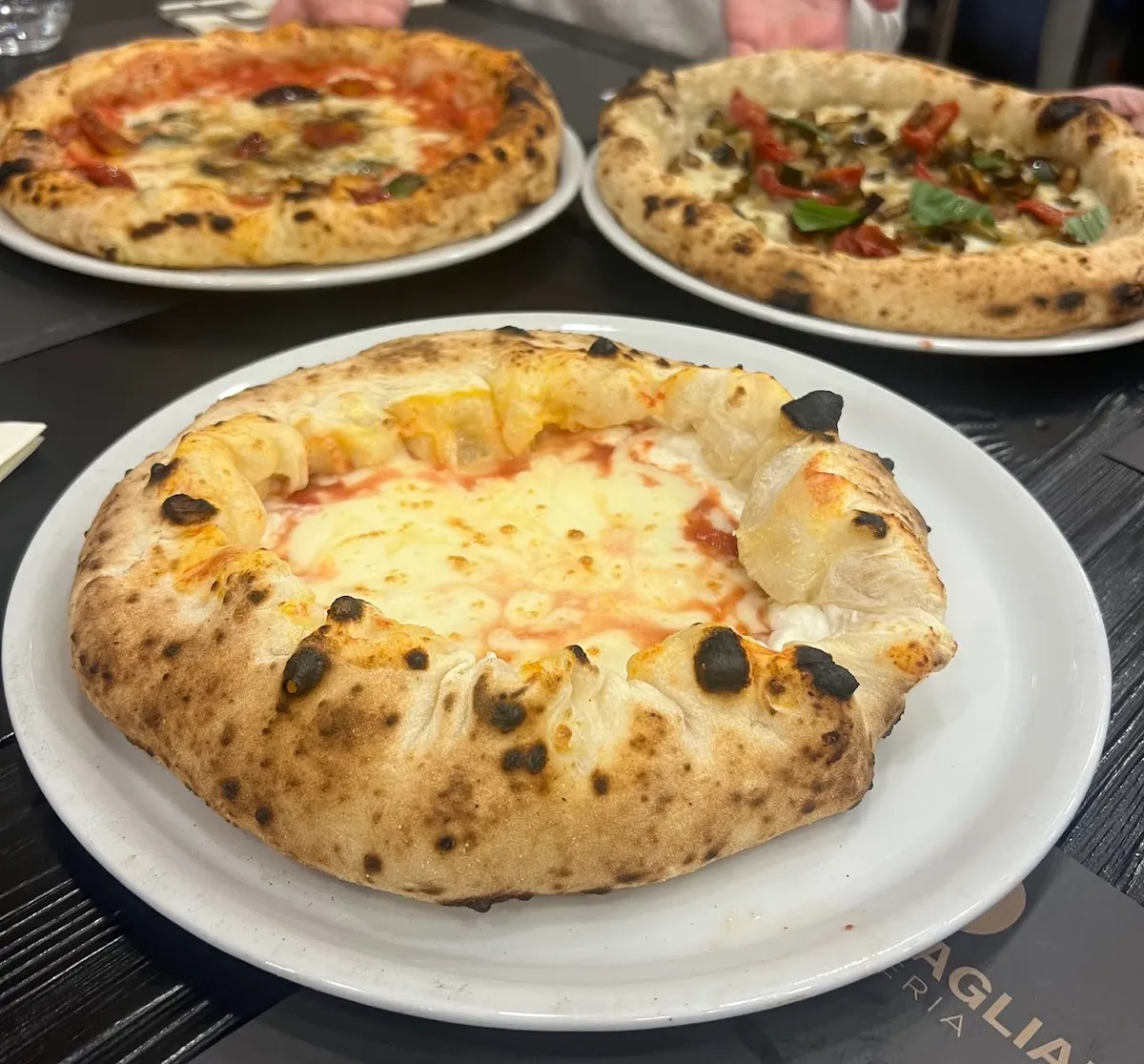
Pizza contemporanea is what happened when a generation of Neapolitan pizzaioli stopped treating the rulebook as sacred. It is still a fast, wood-fired round, but the dough runs wetter, ferments far longer, and bakes into a tall, airy, blistered cornicione, while the toppings lean on prized, seasonal ingredients, often added after the pizza leaves the oven. It grew up in and around Naples in the 2010s, and it is the style now winning most of Italy's pizza rankings.
OpenPizzaMap tracks 5244 hand-picked pizzerias across 360 cities. This one is a Campania story: Naples and the towns around it, where pizza contemporanea took the Neapolitan round somewhere new.
What makes a pizza contemporanea?
Classic Neapolitan pizza is governed by rules: a set hydration, a fast bake, a soft low rim. Pizza contemporanea keeps the wood oven and the high heat, then breaks nearly everything else open.
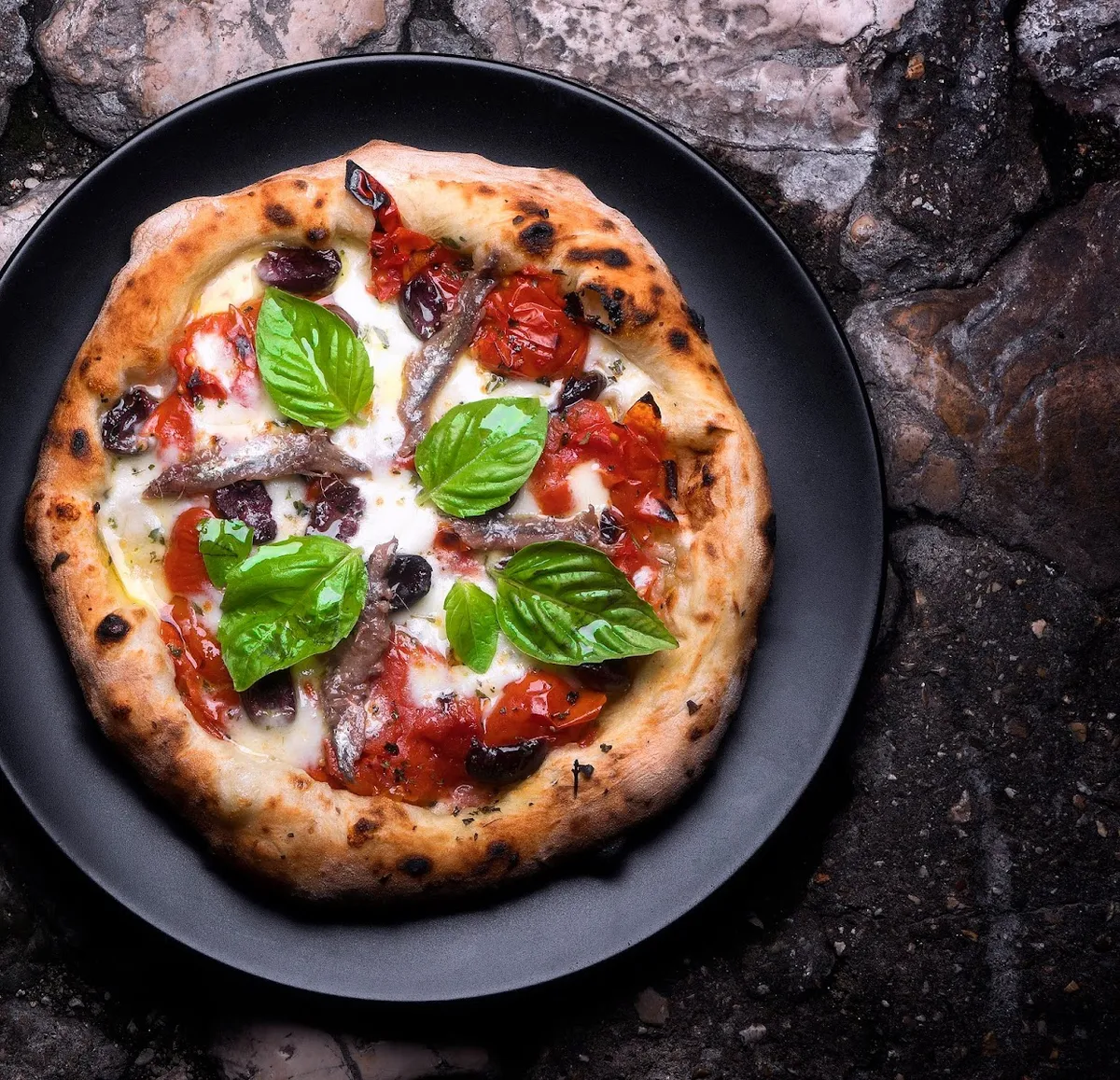
The dough is the tell. Hydration climbs to 70 percent and beyond, and the fermentation stretches across 24 to 72 hours, often with a biga or poolish preferment or a natural lievito madre starter. The payoff is a taller, lighter, more open cornicione, sometimes puffed into the shape people call a canotto (a dinghy), and a crumb that is easier to digest. The toppings change too: less "margherita and marinara, take it or leave it," more seasonal produce, DOP cheeses, and cured fish laid on after the bake so they keep their color and snap.
Where it came from
The groundwork was laid by pizzaioli like Enzo Coccia, who opened La Notizia in Naples in 1994 and treated pizza as serious cooking when few others did. Through the 2010s a wave of pizzaioli in Naples and the province of Caserta pushed the dough further and put the ingredient sourcing of a fine restaurant behind a pizza. The launch of the 50 Top Pizza guide in 2017 gave the movement a scoreboard, and year after year it has crowned contemporanea pizzaioli at the top of its list.
The pizzaioli who built it
Franco Pepe turned a hill town of a few thousand people into a pilgrimage. At Pepe in Grani in Caiazzo, in the Caserta hills, he opened in 2012, kneads his dough by hand with no mixer, works with local Caiazzo flours and produce, and built the Margherita Sbagliata, where the tomato and a basil reduction go on after the bake. It sits near the top of the 50 Top Pizza list most years.
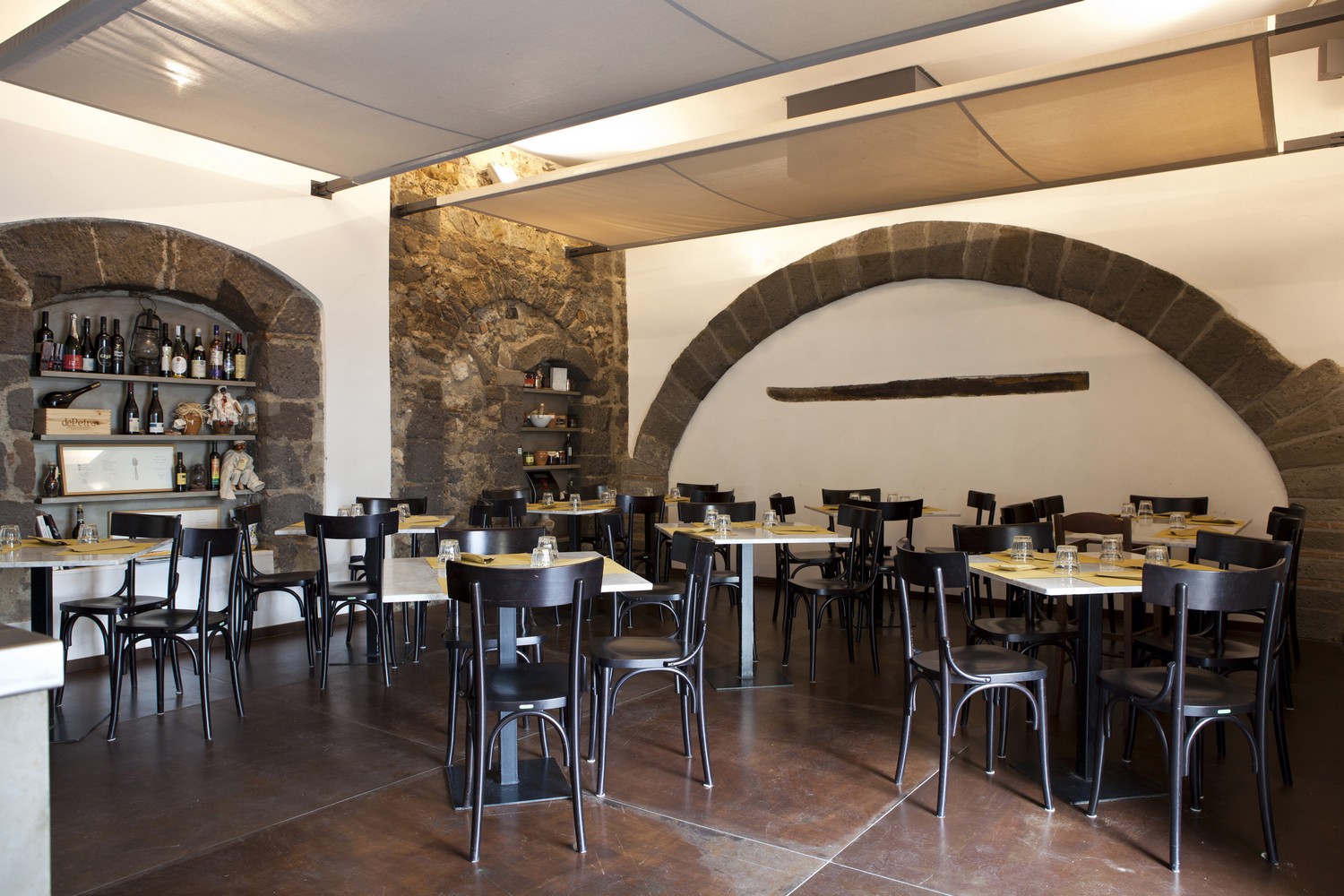
Pepe in Grani
€€€€ · 17,710 reviews
Pizza Lovers say: "Exceptional pizzas with amazing dough, friendly staff. The tasting menu was a lot of food."
In Caserta, Francesco Martucci at I Masanielli has been named the world's best pizza by 50 Top Pizza more than once, working double bases and dishes like his pasta e patate pizza that treat the round as a plate.
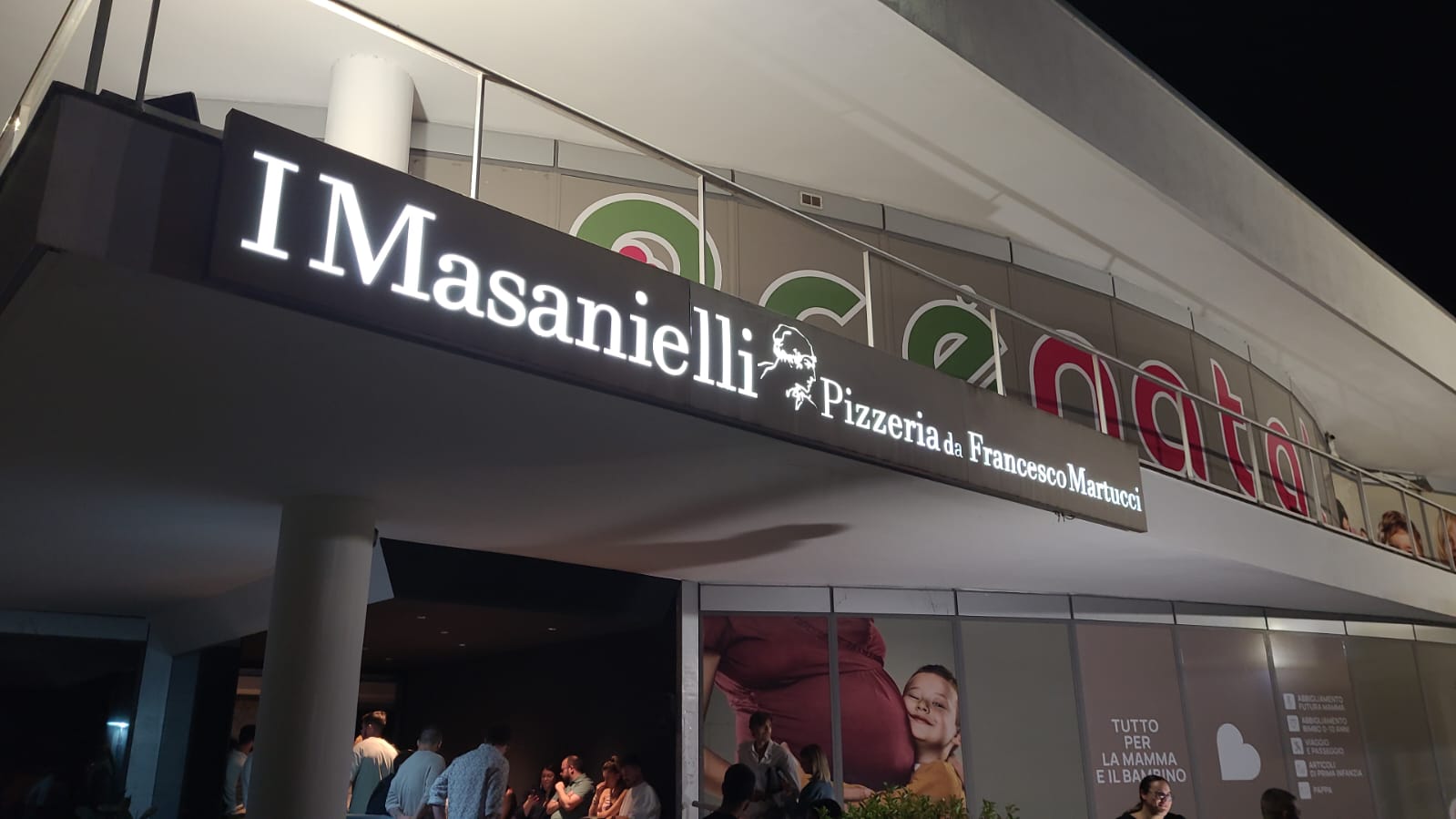
I Masanielli – Francesco Martucci
€€€€ · 16,078 reviews
Pizza Lovers say: "Amazing pizzas, like the 3 temperature one and Una Volta. Some find the service slow, but the pizza is worth the wait."
Back in Naples, Diego Vitagliano has topped the guide's Italy ranking from his pizzerias in Bagnoli and Pozzuoli, where the round comes tall, wet, and cloud-light.
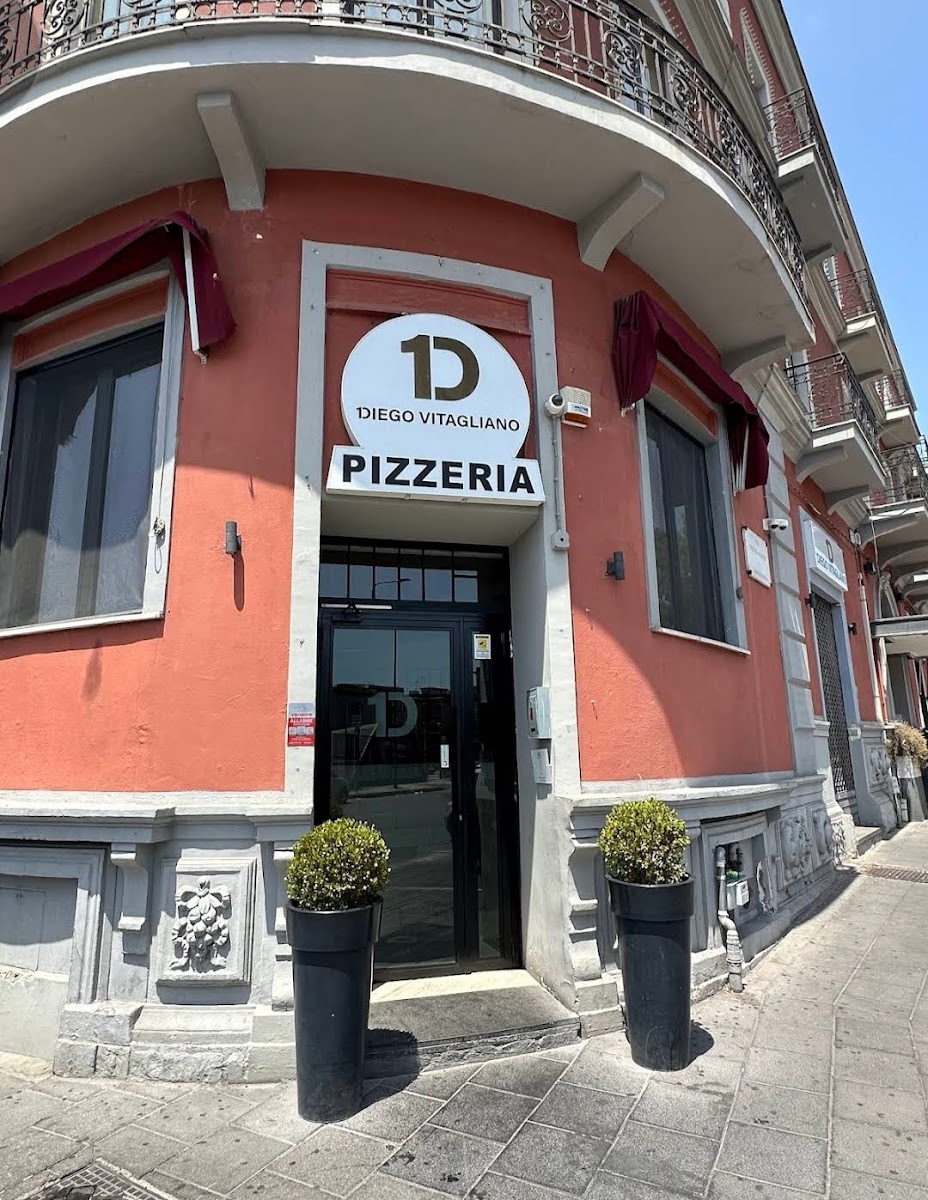
Diego Vitagliano Pizzeria
€€€€ · 6,727 reviews
Pizza Lovers say: "Pizzas are bursting with flavor, with quality ingredients, but the service can be unprofessional and impatient."
Ciro Salvo built 50 Kalò on Piazza Sannazaro around a long-fermented, highly digestible dough, and has since carried it to London. Ciro Oliva runs Concettina ai Tre Santi, his family's pizzeria in the Rione Sanità since 1951, now a contemporanea destination that never left the neighborhood. And in Aversa, Carlo Sammarco works his own version of the style at Carlo Sammarco Pizzeria 2.0, another regular on the 50 Top list.
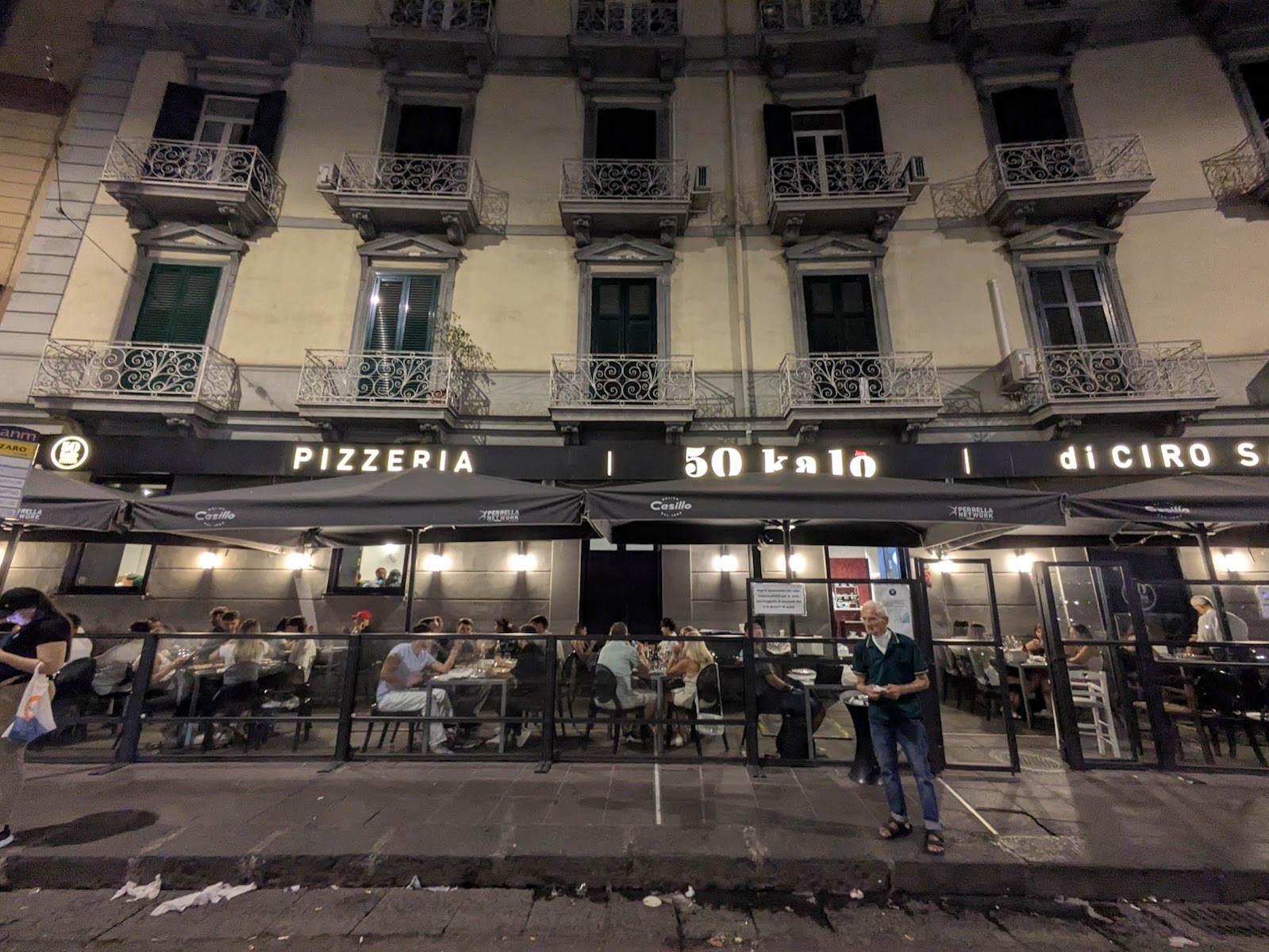
50 Kalò
€€€€ · 27,141 reviews
Pizza Lovers say: "Buffalo Margherita and fried food are amazing. Service is prompt and friendly. Some pizzas felt muted in flavor."
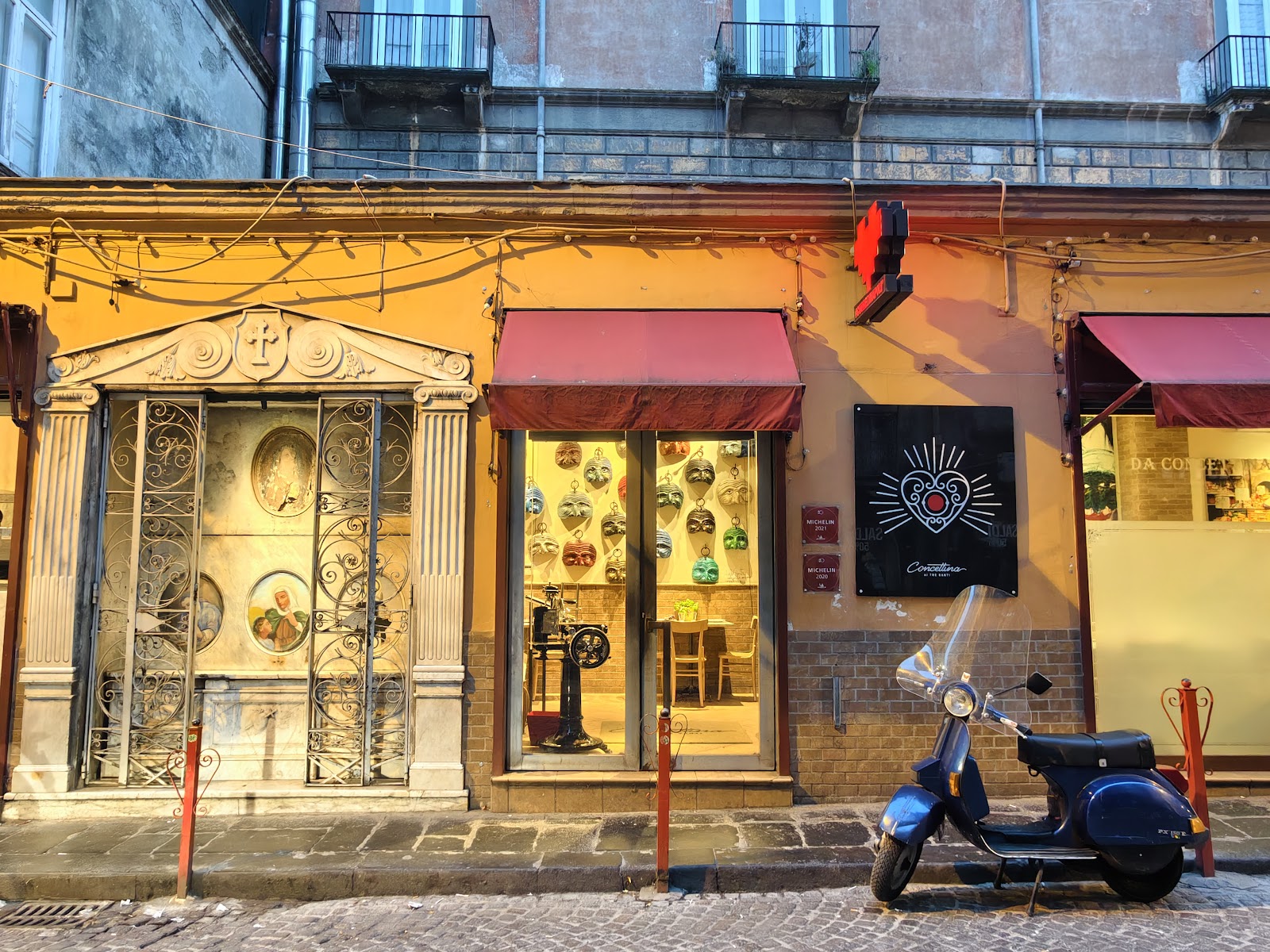
Pizzeria Concettina ai Tre Santi
€€€€ · 19,198 reviews
Pizza Lovers say: "Delicious Diavola and Margarita, excellent stuffed zucchini flower and RAGU. Prices are a bit high for standard pizza and wine."
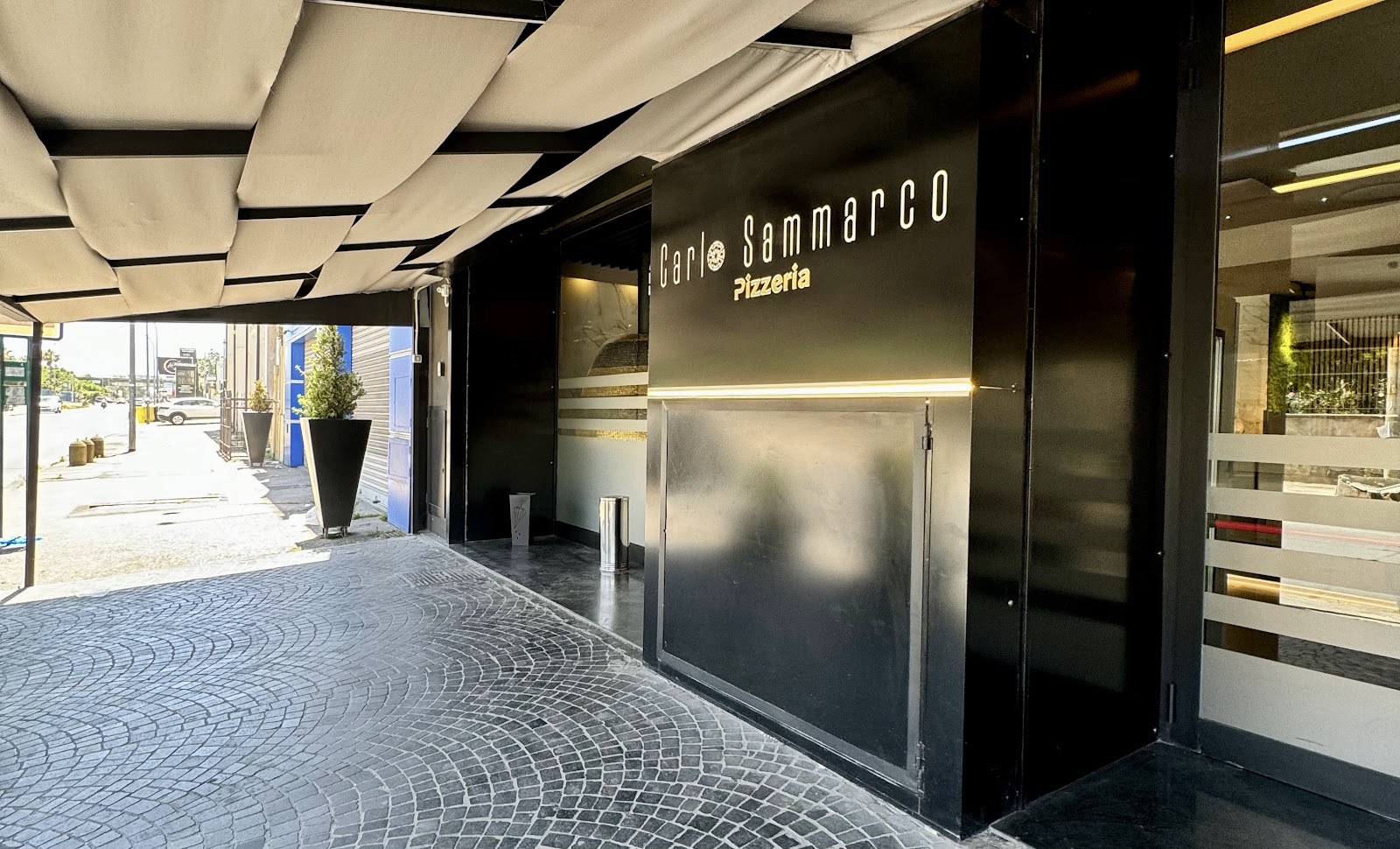
Carlo Sammarco Pizzeria 2.0
€€€€ · 4,287 reviews
Pizza Lovers say: "Carlo Sammarco's signature canotto-style pizza — dramatically swollen, airy crust and top-quality Campanian ingredients — is the draw in Aversa. The frittatina di pasta is not to be missed either."
Contemporanea or classic Neapolitan?
Put them side by side. The classic Neapolitan round is soft and foldable with a modest rim, baked to the letter of the tradition. The contemporanea round stands taller, its cornicione puffed and structured, its dough wetter and longer-fermented, its toppings closer to a tasting menu than a canon. Both come out of the same Naples wood ovens in 90 seconds. One honors the rules; the other rewrote them, and on the map it runs from Franco Pepe's counter in Caiazzo to the seafront pizzerias of Naples.