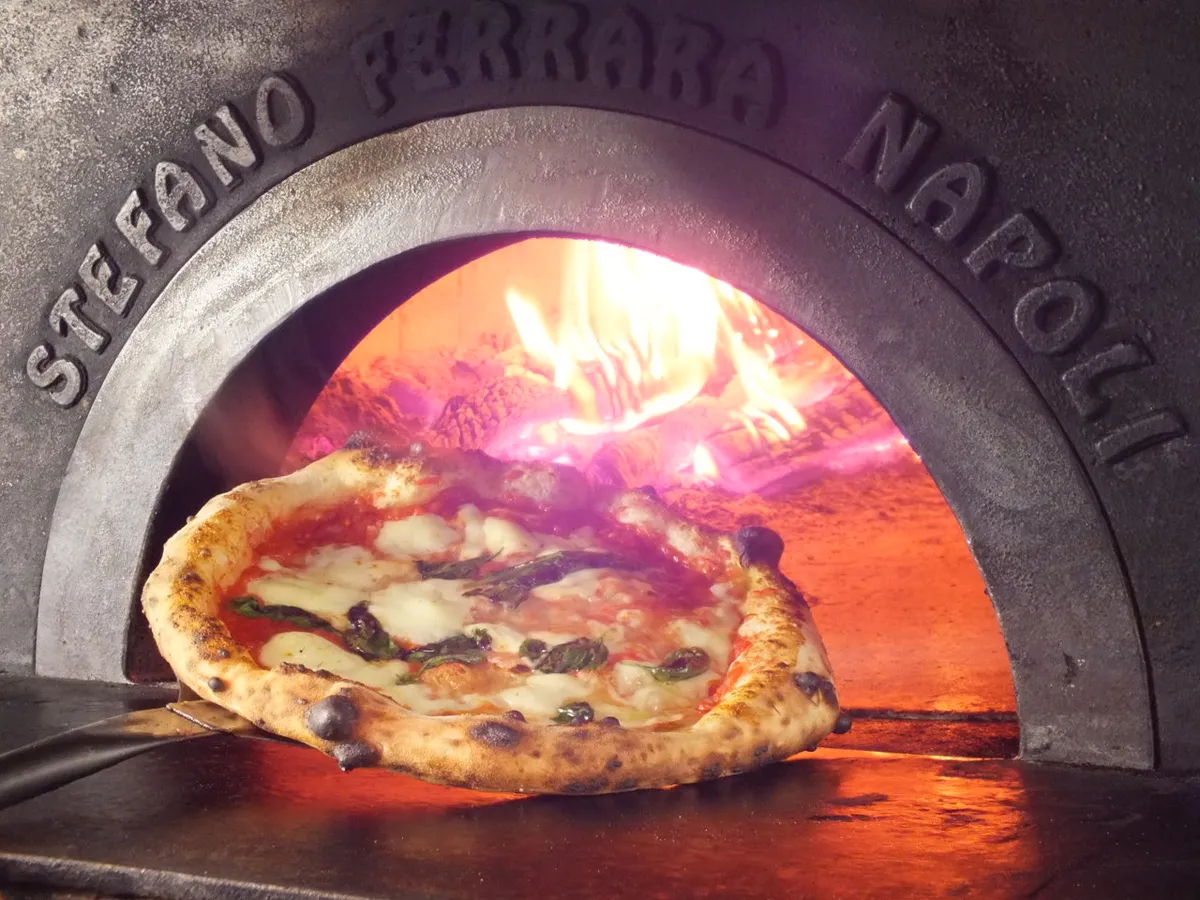
Tokyo is the most rigorous Neapolitan pizza city outside of Italy. Not the loudest, not the most photographed, the most rigorous. Japanese pizzaioli routinely spend three to five years working ovens in Naples before opening their own rooms back home, and the result is a city full of pies that follow the AVPN rulebook to the millimeter.
This is the surprise of eating pizza in Tokyo: a Margherita pulled by a Japanese pizzaiolo on a Stefano Ferrara oven can be more strictly Neapolitan than half the pizzerias in Manhattan. There are more AVPN-certified pizzerias in Japan than in the entire United States. That stat alone usually ends the debate.
| Rank | Spot | Style | Why |
|---|---|---|---|
| 1 | The Pizza Bar on 38th | Neapolitan | Nihonbashi (Mandarin Oriental 38F); Only 8-seat pizza counter in the world using kaiseki plating; Daniele Cason's 80% hydration dough, three-course format, 50 Top Pizza Asia #1 |
| 2 | Pizzeria CA PO LI | Neapolitan | Central Tokyo; Stefano Ferrara oven, AVPN-strict rulebook, long-ferment dough, leopard-spot cornicione consistency |
| 3 | Partenope Ebisu | Neapolitan | Ebisu; Multi-location school for younger pizzaioli; Yusuke Yamasaki trained in Naples; buffalo mozzarella DOP signature |
| 4 | La Piccola Tavola | Neapolitan | Suginami; Naples-trained chef, minimal menu, no theatrics, market-driven seasonal, audible peel-hitting precision |
| 5 | Pizzeria Ciro "Sakura-shimmachi" | Neapolitan | Sakura-Shimmachi, Setagaya; 485C oven, fast bake, properly aerated cornicione, residents-only regulars list, authentic neighborhood anchor |
| 6 | Pizzeria Ciro "Higashi-Nakano" | Neapolitan | Higashi-Nakano; Same crew lineage as original, accessible to central wards, no quality downgrade, easier access than Setagaya |
| 7 | Pizzeria Kiraku | Neapolitan | Central Tokyo; Twelve-seat neighborhood room, owner-operated oven, fast bake, blistered cornicione, short menu |
| 8 | Buganville | Neapolitan | Central Tokyo; 48-hour ferment dough, light cornicione from extended rest, quiet service, no showmanship |
Why is there so much Neapolitan pizza in Tokyo?
The short answer is apprenticeship culture. Japan rewards long, narrow obsession, and Neapolitan pizza is a craft built for that brain. The Neapolitan rulebook is short and unforgiving: 00 flour, a dough left to ferment 24 hours or longer, a hand-stretched disk, San Marzano tomatoes, fior di latte or buffalo mozzarella, a 60 to 90 second bake in a 430 to 485 degrees Celsius wood oven. Get any one of those wrong and the pie tells on you.
The first wave of Tokyo pizzaioli trained in Naples in the early 2000s and came back to open rooms that treated the craft like sushi. The second wave came home with AVPN certificates and started opening neighborhood pizzerias outside the central wards. By 2020 there were enough of them to argue about who was actually the strictest.
The fine-dining apex
There is one Tokyo room that exists nowhere else in the pizza world. The Pizza Bar on 38th is an eight-seat counter on the 38th floor of the Mandarin Oriental, where Daniele Cason runs an omakase-style course of three pies in sequence. You sit, you watch the oven, you get a Margherita, then something seasonal, then a closer. It is the only place in the world where Neapolitan pizza is plated like kaiseki.
The oven is small, the bake is fast, the cornicione is blistered and tender in the way only a hot wood fire produces. Cason worked in Italy before taking the counter, and the menu reflects that lineage rather than a Japanese reinterpretation of the form.
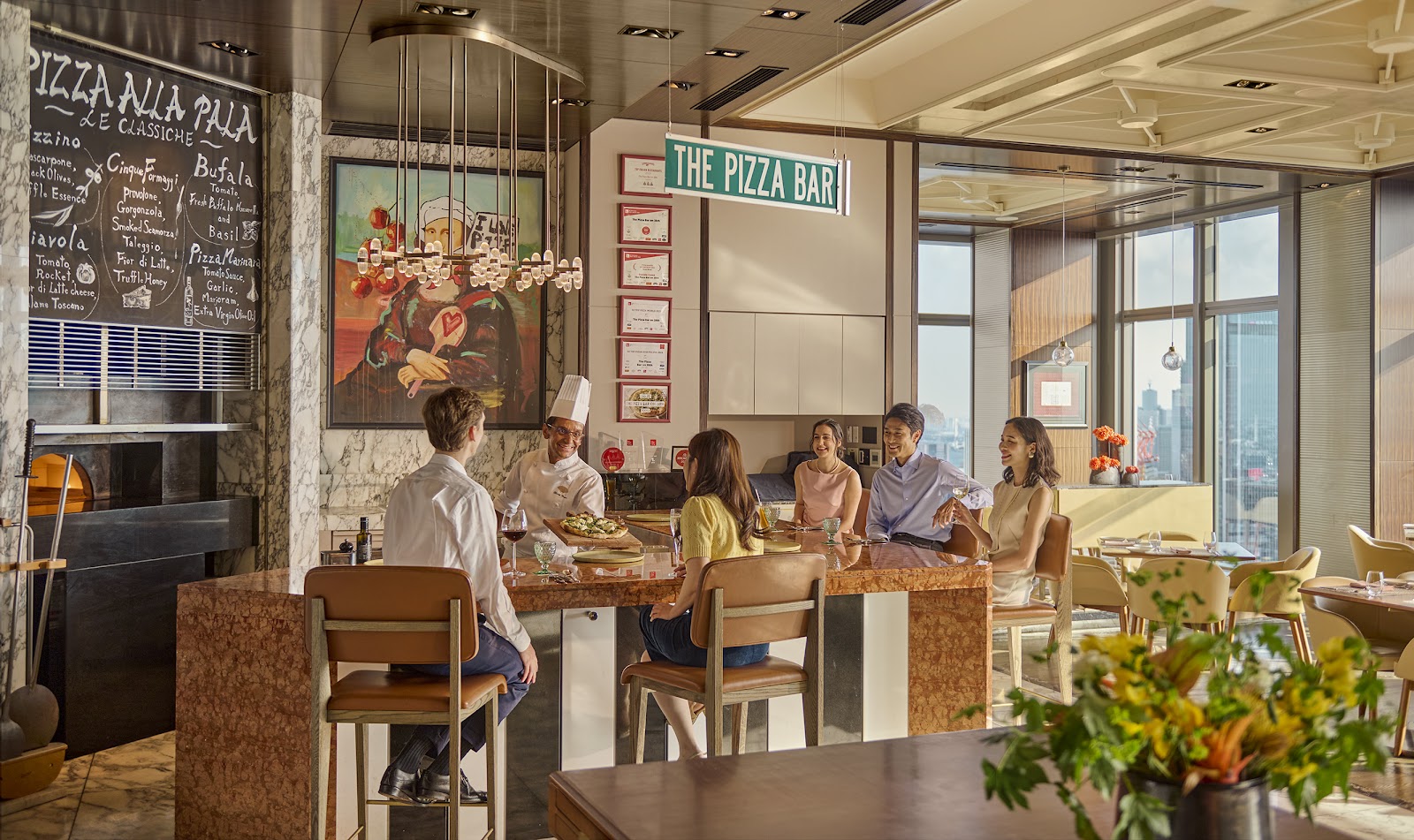
The Pizza Bar on 38th
€€€€ · 620 reviews
Pizza Lovers say: "Fresh, high-quality ingredients and lovely dough. Some flavor pairings didn't work for everyone."
The neighborhood pizzerias doing the real work
The Mandarin counter is the showpiece. The everyday Neapolitan pizza in Tokyo lives in residential wards, in rooms with twelve seats and a wood oven that fires at 485 degrees Celsius from open to close.
Pizzeria CA PO LI is the long-running anchor of the Tokyo Neapolitan scene. The oven is a Stefano Ferrara, the same oven you find in the strictest rooms of Naples, and the kitchen lives by AVPN-style rules without making a fuss about it. The Margherita is the order, the dough is fermented long, and the bake comes out in under 90 seconds with the leopard-spot char on the cornicione that you learn to recognize.
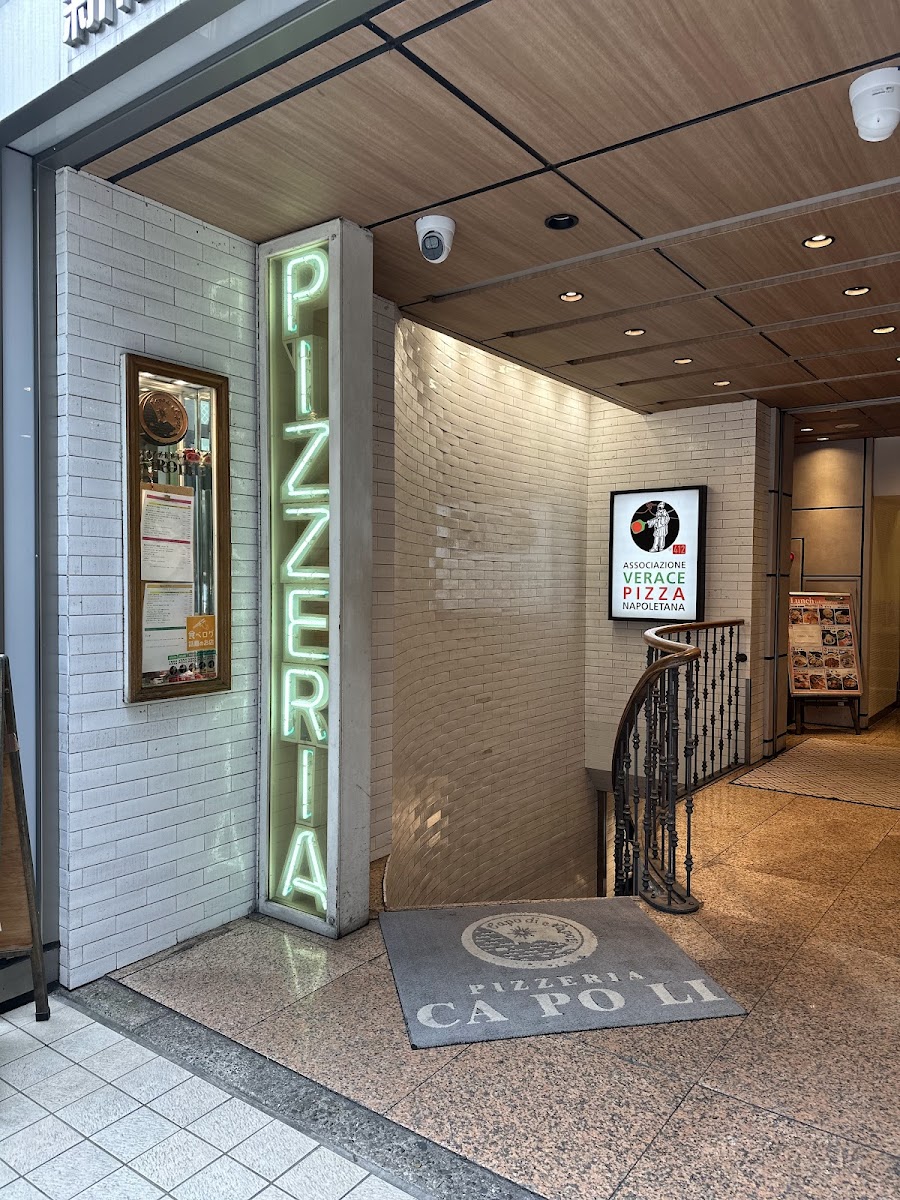
Pizzeria CA PO LI
€€€€ · 1,228 reviews
Pizza Lovers say: "Authentic Neapolitan pizza with charred, chewy crust and fresh toppings. The Carbonara pasta is rich and tasty. Service can be a bit too attentive."
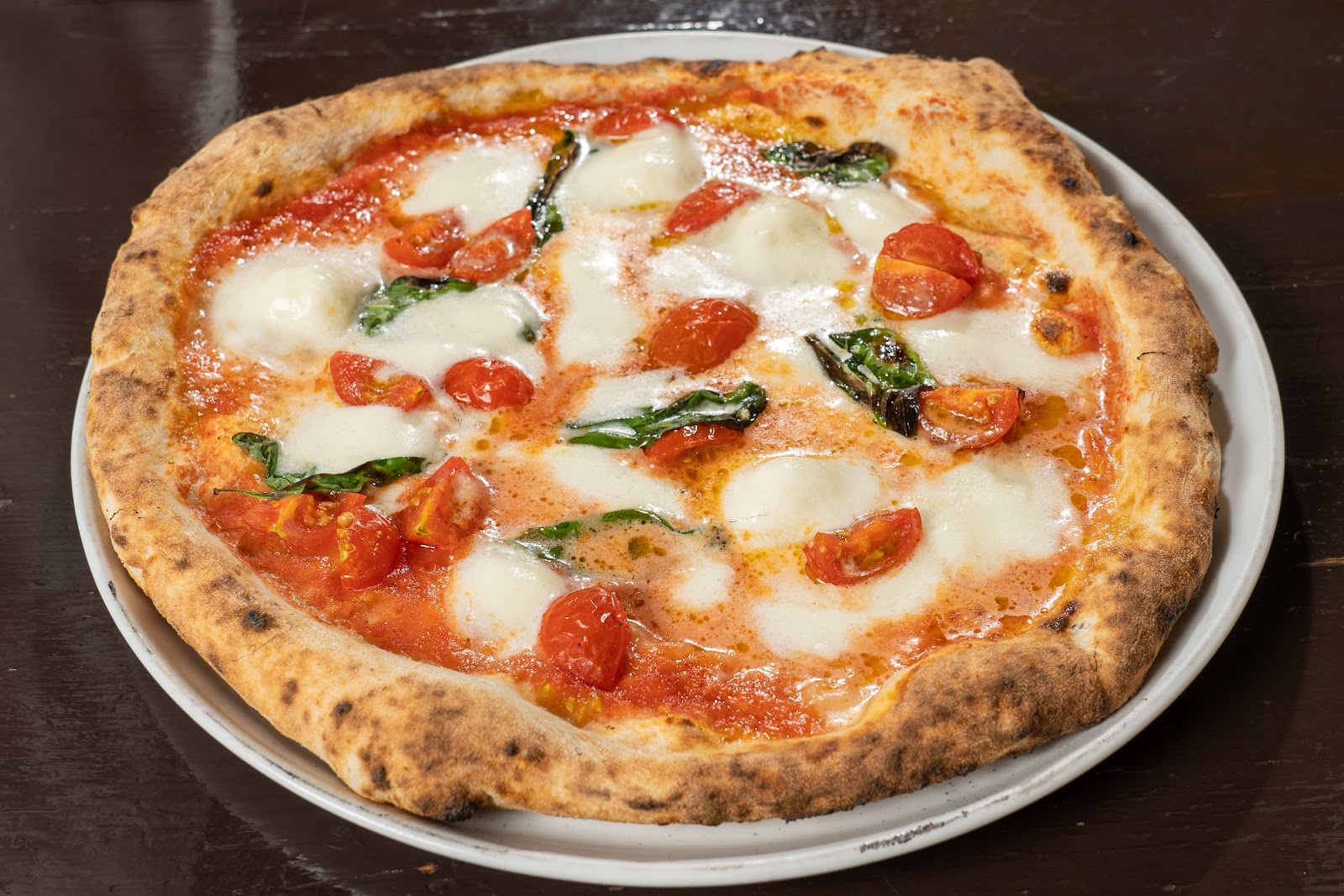
West of central Tokyo, in Suginami, La Piccola Tavola runs a tight room with a focused menu and a chef who trained in Naples for years before opening up at home. The space is small enough that you can hear the dough hit the peel. The pies lean classical: Margherita, marinara, a daily seasonal with whatever the chef brought back from the market that morning. No diavola theatrics, no cheese pulls for Instagram, just the form done correctly.
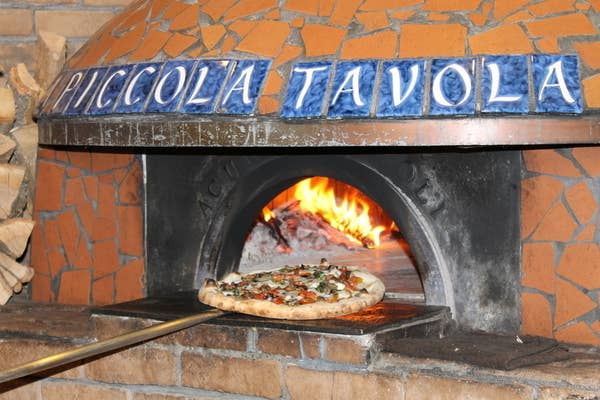
La Piccola Tavola
€€€€ · 989 reviews
Pizza Lovers say: "Authentic Neapolitan pizza, crispy fritto, and good wine. Some find the pizza greasy and not worth the price."
Partenope Ebisu belongs to Yusuke Yamasaki, who spent years working ovens in Naples before coming home. Partenope is AVPN-certified, with multiple locations across the city, and Ebisu is the room most pizza people send first-timers to. The Margherita DOP, with buffalo mozzarella and San Marzano, is the order. Yamasaki has trained a generation of younger Japanese pizzaioli, which makes Partenope more of a school than a single pizzeria.
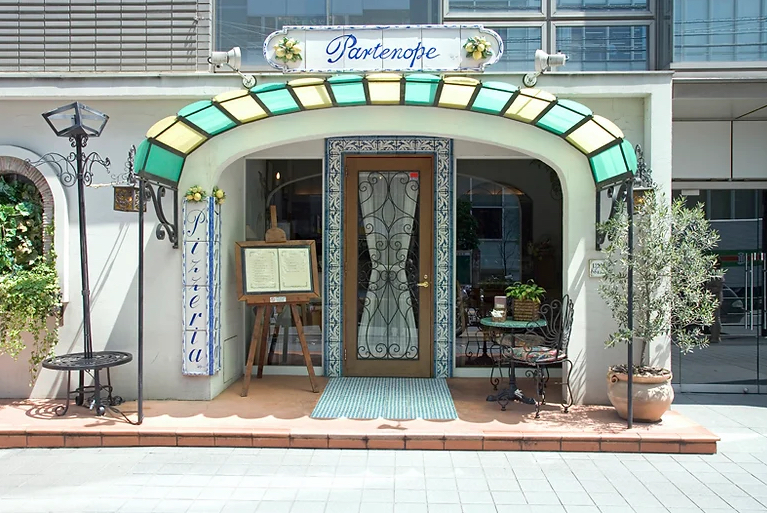
Partenope Ebisu
€€€€ · 678 reviews
Pizza Lovers say: "Delicious Neapolitan pizza, friendly staff, and a great set meal. Some find the food average and note a rude waiter."
The Ciro pair
A short note on Pizzeria Ciro, which now runs two rooms and is worth treating as one project. The original opened in Sakura-shimmachi, a residential pocket of Setagaya far from the tourist drag. Wood oven near 485 degrees Celsius, classical Neapolitan menu, a regulars list that does not let strangers in easily. The bake is fast and the cornicione is properly aerated.
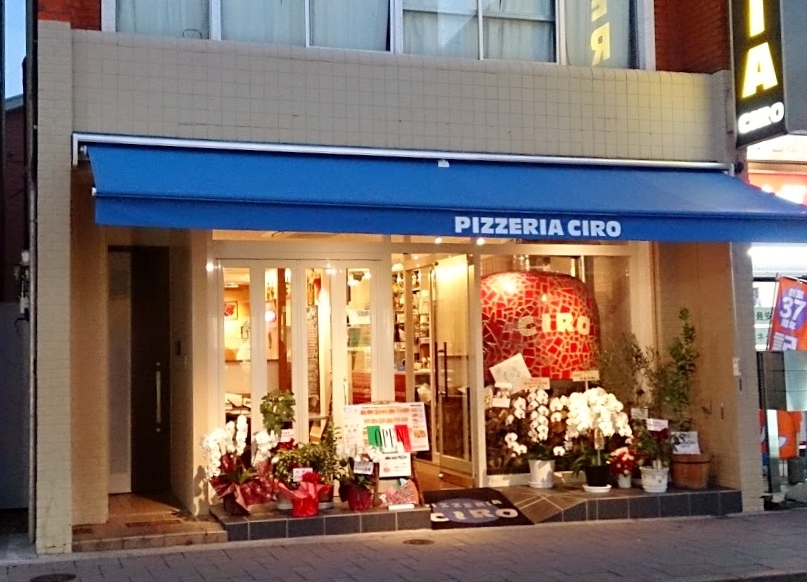
Pizzeria Ciro "Sakura-shimmachi"
€€€€ · 222 reviews
Pizza Lovers say: "Great atmosphere, delicious Margherita and Diablo pizzas, and a perfect crust. Service can be slow, and other offerings are meager."
The Higashi-Nakano room is the second Ciro, opened after the original built up enough demand to justify a sibling. Same crew lineage, same rulebook, slightly more accessible for anyone staying closer to Shinjuku. If you cannot get into the original, this is not a downgrade, it is the same kitchen with a different address.

Pizzeria Ciro "Higashi-Nakano"
€€€€ · 752 reviews
Pizza Lovers say: "Amazing Neapolitan pizza, especially the calzone. Staff are welcoming and passionate. Taste can be average when the owner chef isn't present."
The smaller rooms worth crossing town for
Pizzeria Kiraku is a neighborhood Neapolitan with a wood oven and a regulars list that does most of the talking. The bake is fast, the cornicione is blistered, the menu is short. The room seats maybe a dozen people and the chef works the oven himself, which is the part that matters.
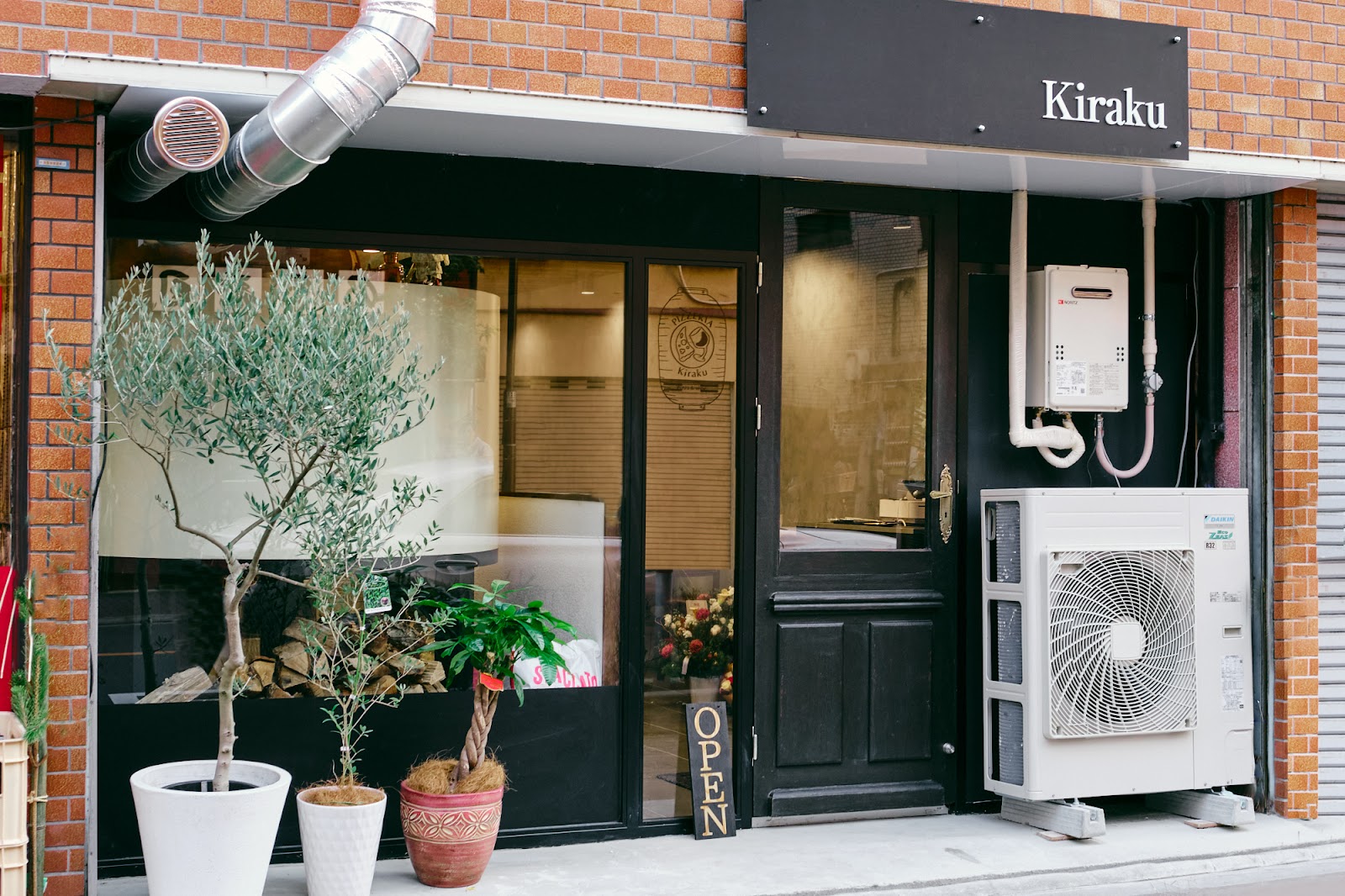
Pizzeria Kiraku
€€€€ · 423 reviews
Pizza Lovers say: "The pistacchio and smoked margherita pizzas are great, and the fresh fish carpaccio is amazing. It can be a bit pricey, but the quality is excellent."
Buganville runs a smaller daily menu than the others and leans on long ferments. The dough rests for the back end of 48 hours before it gets stretched, which is where the lightness in the cornicione comes from. The room is quiet, the staff is patient, and the pizza arrives without a show.
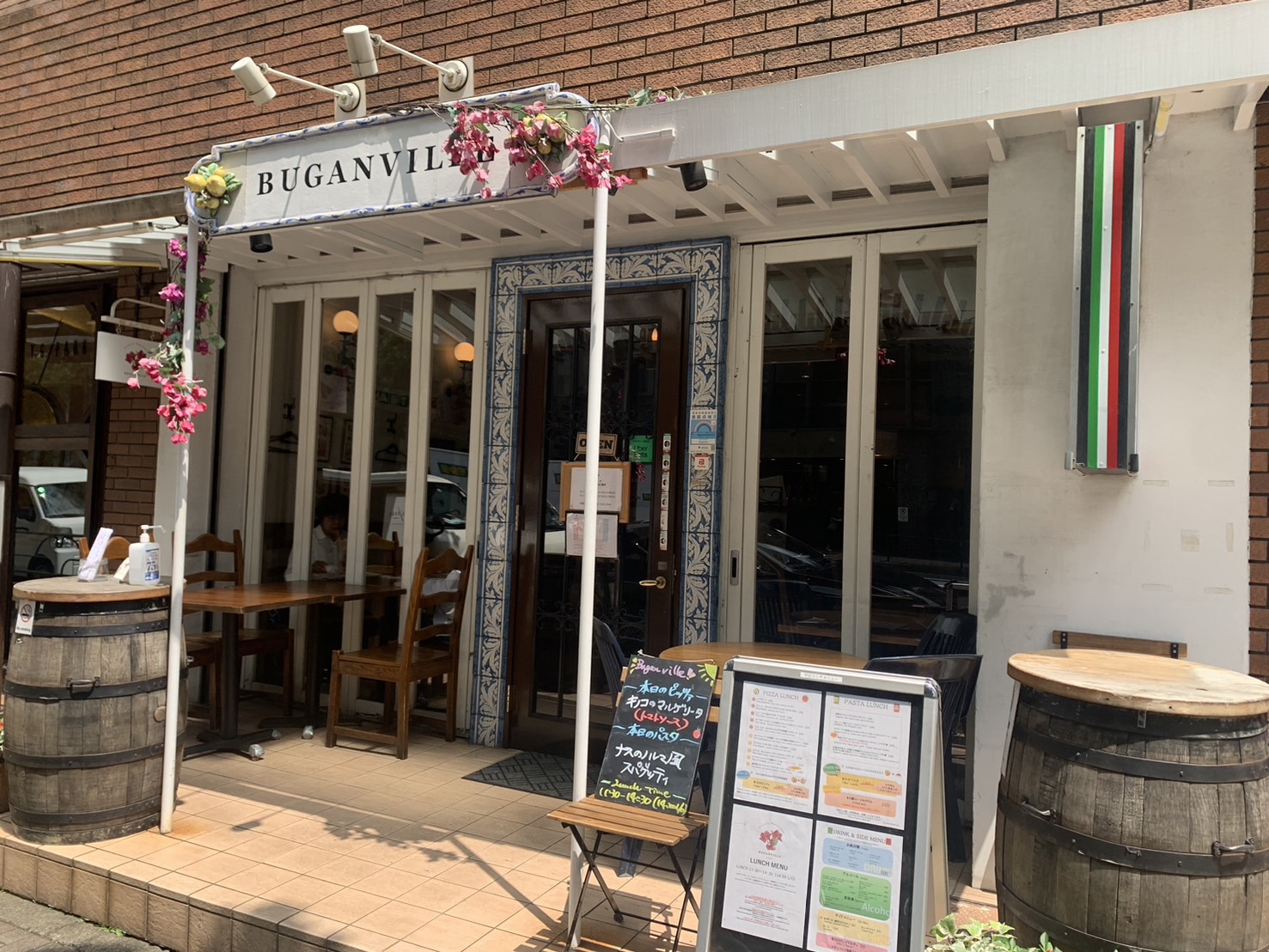
Buganville
€€€€ · 100 reviews
Pizza Lovers say: "Authentic Neapolitan pizzas, hand-made pasta, and fresh ingredients. Pizza dough is lovely and chewy. Service can be unfriendly to small children."
Internal links to related pizza guides
If you are planning a Neapolitan pizza tour across Asia, see our guides to best pizza in Paris and best pizza in London for how the form plays out in Western fine-dining markets. For deeper style context, read Neapolitan styles: STG, canotto, fritta, and portafoglio.
How we ranked this
We ranked these eight rooms by what the people who came for the pizza thought of the pizza. Not the length of the line outside, not the Instagram count, not the star average dragged down by tourists docking points over a tight room or a server who did not speak English. A Neapolitan pizza is a Neapolitan pizza. Either the cornicione is right or it is not, and the people who know the form are the ones whose opinions counted here.