Pizza in Paris is a younger conversation than you would think. Until the mid-2010s, the words "pizza" and "Paris" in the same sentence meant a tired round from a brasserie freezer or a trattoria afterthought ordered for the kids. There was no bench, no scene, no argument worth having.
The inflection point is dated, and it is 2015. That year, the Big Mamma group opened Pizzeria Popolare on rue Réaumur, a loud communal room with a single flat price per pie and a queue down the block. It was unsubtle and it worked. Within a few years, Italian pizzaioli started moving to Paris on purpose, not as an afterthought to a restaurant career. The city now has a real pizza bench, and the rooms below are the ones that built it.
What changed in Paris pizza after 2015?
Three things, mostly. First, a generation of French diners learned that a Neapolitan crust is supposed to be soft and blistered, not a cracker with cheese welded to it. Second, the AVPN (Associazione Verace Pizza Napoletana) certified its first serious Paris rooms, which meant 00 flour, San Marzano, fior di latte or buffalo mozzarella, and a wood oven climbing past 450 degrees Celsius. Third, the Roman contemporanea school arrived, led by a consult from Pier Daniele Seu of Rome's Seu Pizza Illuminati. A city that used to settle for frozen now has factions.
The Neapolitan bench
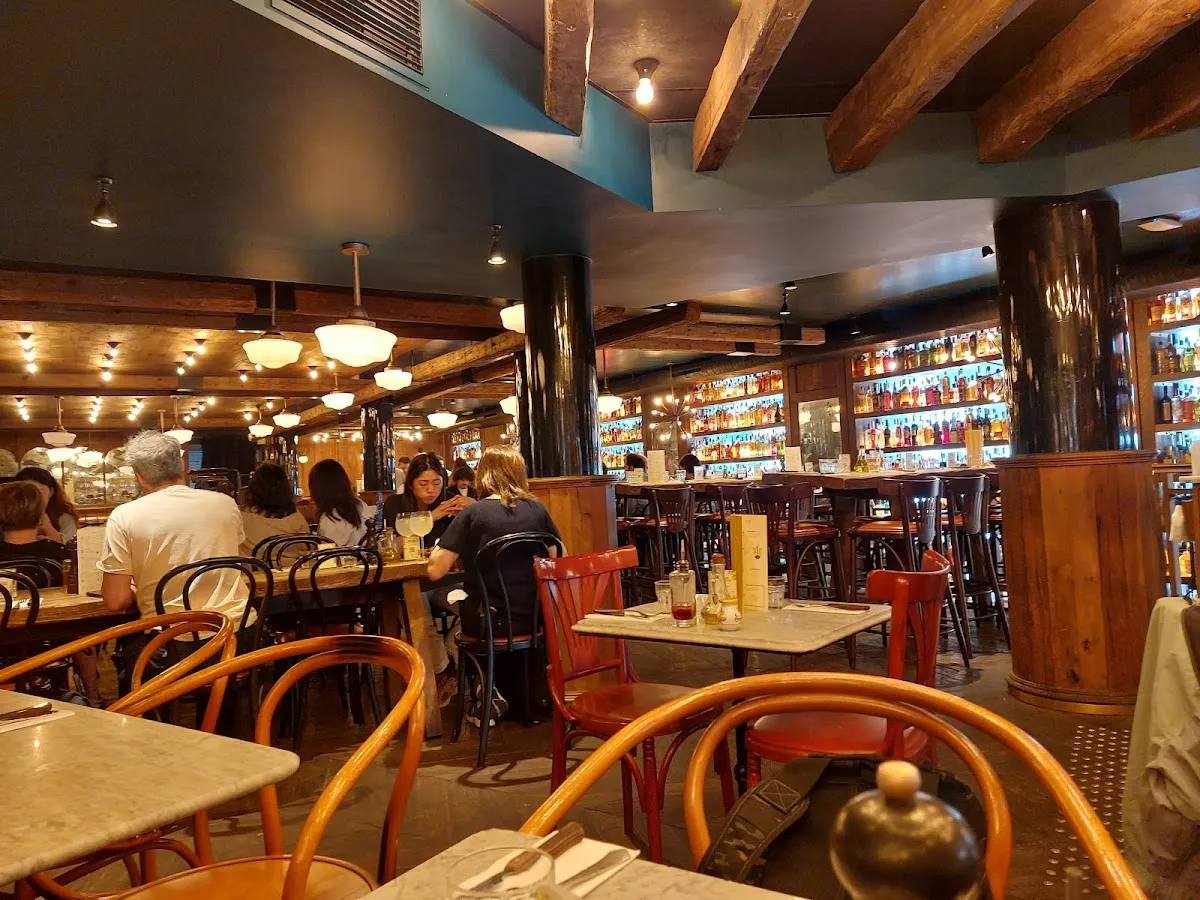
Pizzeria Popolare is the room that started this. The Big Mamma format is loud, communal, fixed-price, with a famously photogenic dining room and a queue that does not really die down. Purists like to grumble that Popolare is a hospitality machine before it is a pizzeria, and that grumble is half right. The other half is that the dough is properly fermented, the oven is real, and an entire city learned what a soft cornicione tastes like in this room. You can argue with it. You cannot pretend it did not change Paris.
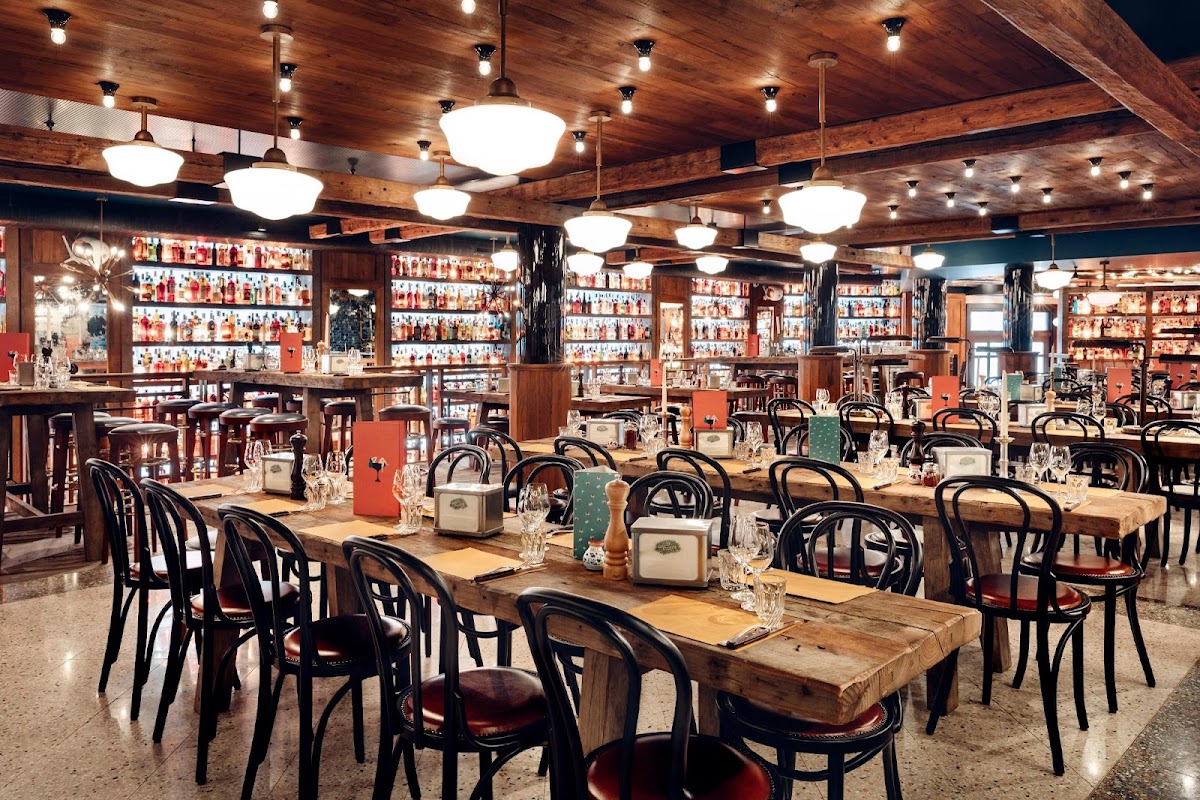
Pizzeria Popolare
€€€€ · 46,659 reviews
Pizza Lovers say: "Amazing truffle pasta, burrata, and Hotline pizza. The wait can be long if you don't reserve, and some found the music and noise overwhelming."
A short walk away, Dalmata opened in 2018 under Marco Pucciotti, a pizzaiolo from Mantua who brought an Italian flour bench and a proper Neapolitan oven into Les Halles. The room is small and red-lacquered, the menu is tight, and the cornicione blisters the way it is supposed to. Dalmata is the room you take a friend to when you need to prove that Paris can do this seriously.
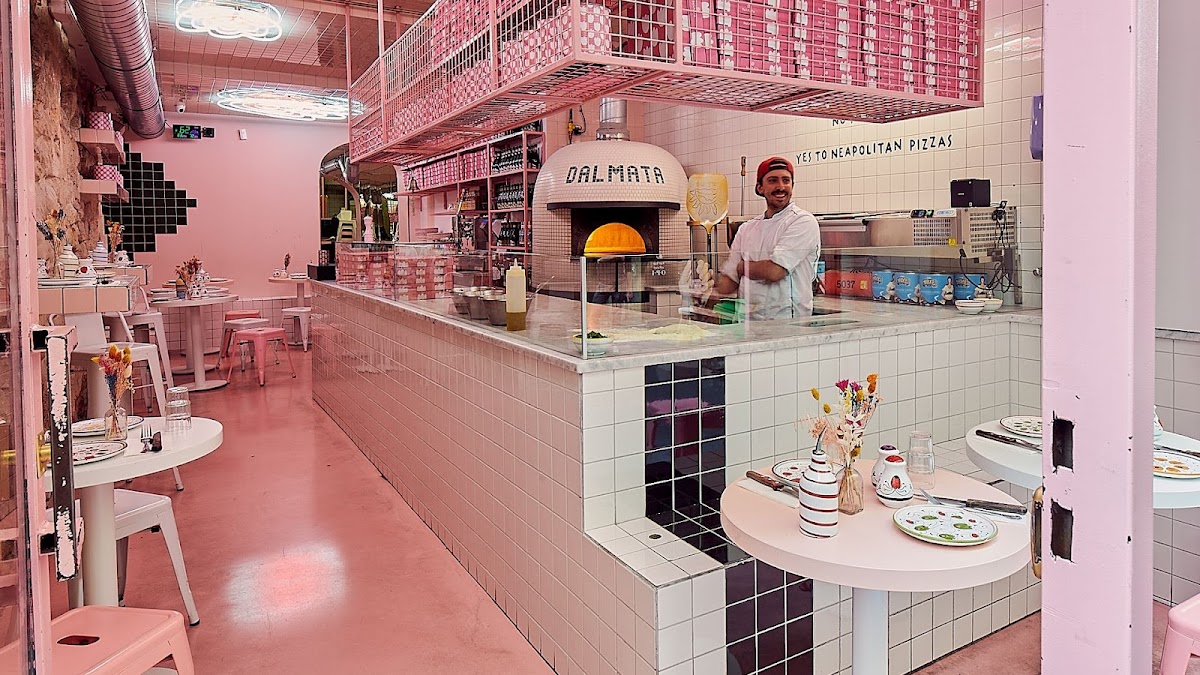
Dalmata
€€€€ · 5,427 reviews
Pizza Lovers say: "Tasty, perfectly baked Neapolitan pizzas with high-quality ingredients and great service. Service can be rude and pizzas are not good anymore."
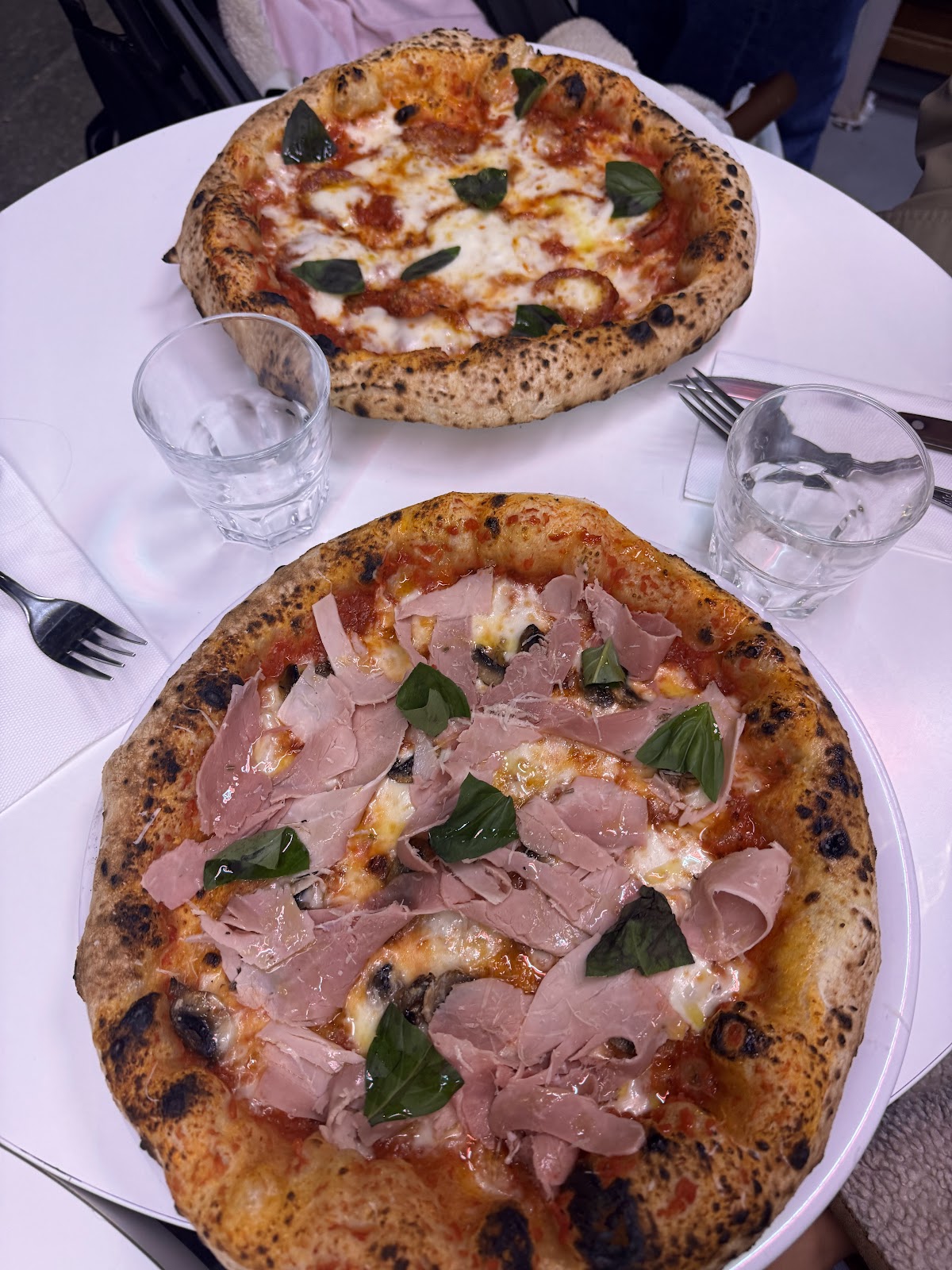
In the 11th, Uno runs a single counter and a focused menu, with wine on tap and a long-fermented dough that reads closer to a Naples neighborhood spot than a Paris destination. It is the kind of room you sit at, eat two pies, and stop looking at your phone.
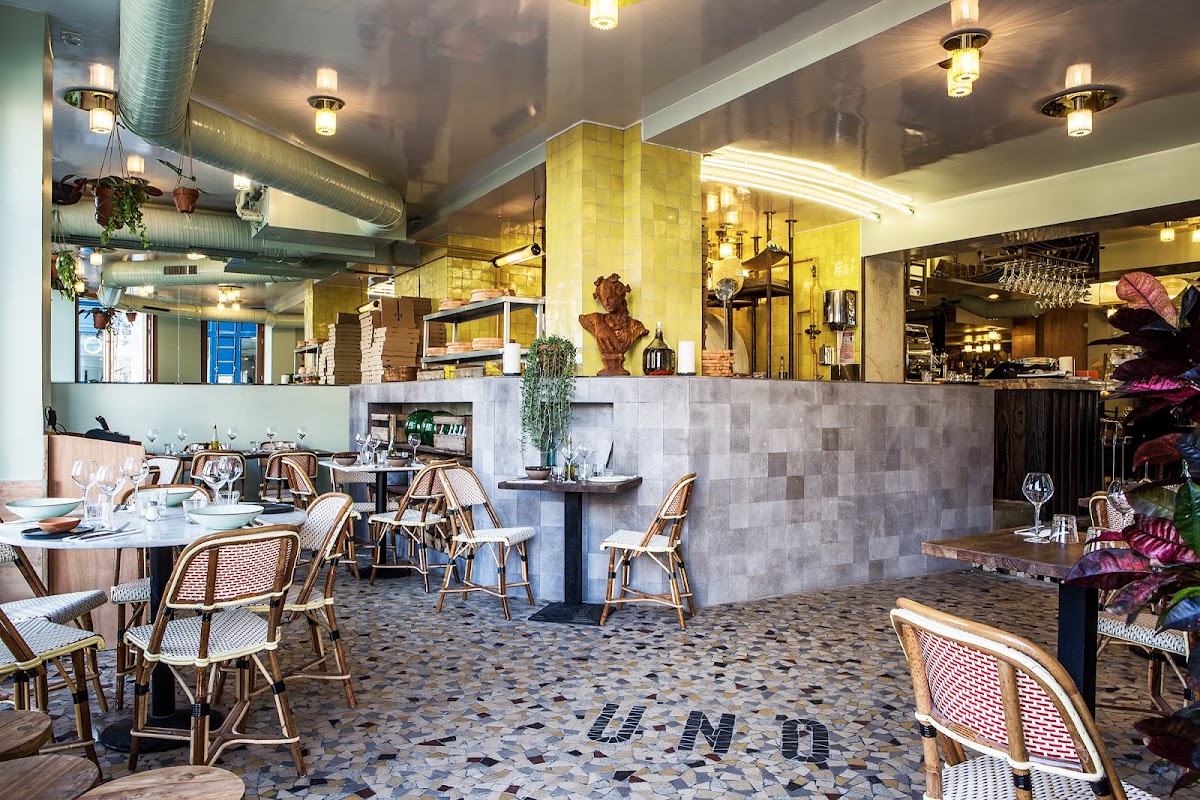
Uno
€€€€ · 4,982 reviews
Pizza Lovers say: "Authentic Neapolitan pizzas with fresh ingredients and wood-fired flavor are praised, though some find salads and desserts average."
The heavyweight credential play belongs to Guillaume Grasso. A third-generation Neapolitan pizzaiolo (the Grasso family ran a pizzeria in Naples for decades), Guillaume set up in the 15th with a strictly VPN format, a two-pie focus, and a wood oven that runs close to 485 degrees Celsius. There is no remix here, no experiment, no crust gimmick. It is the most orthodox Neapolitan room in Paris.
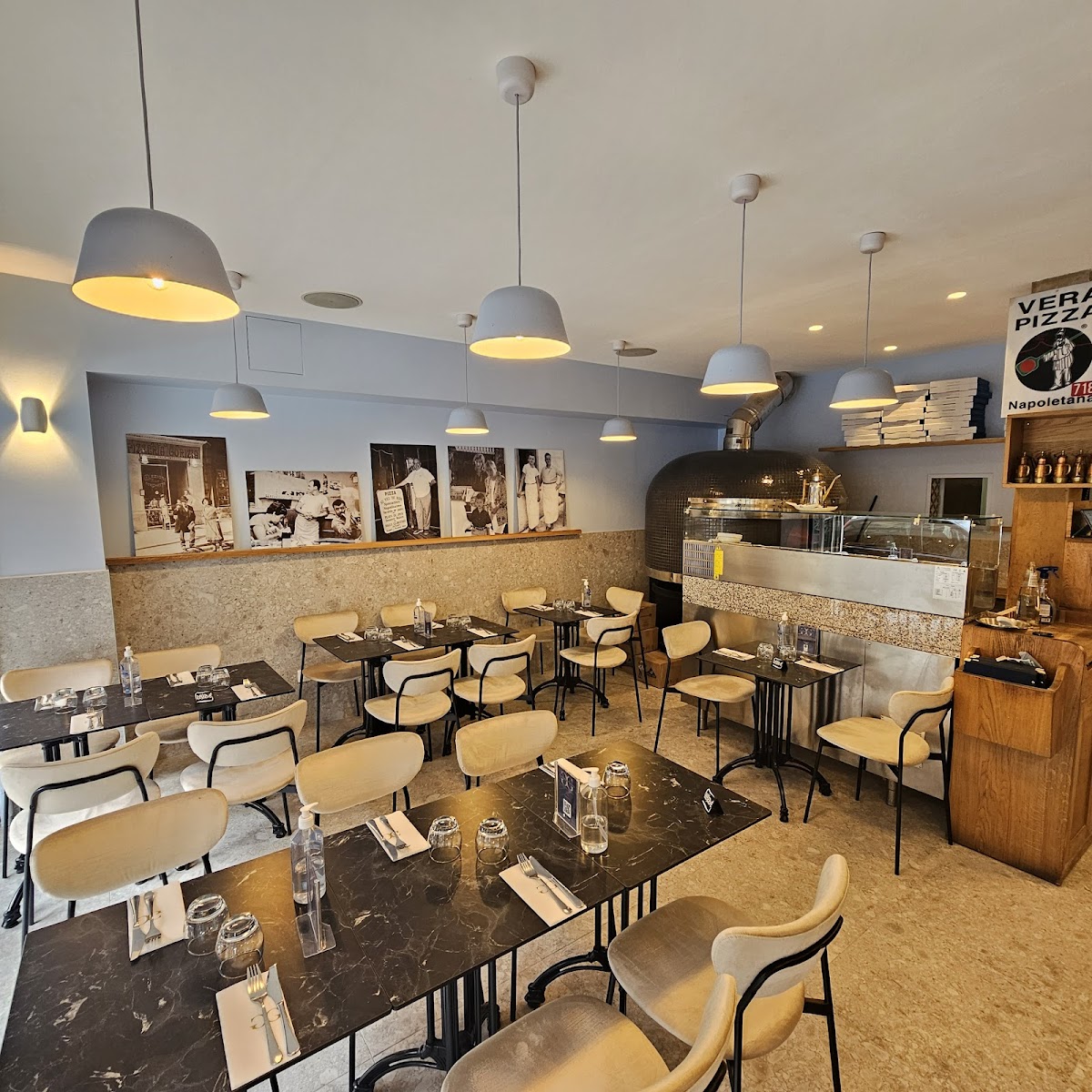
Guillaume Grasso-La vera pizza napoletana
€€€€ · 2,363 reviews
Pizza Lovers say: "Amazing Neapolitan pizza with high-quality ingredients and a great dough. Can be noisy and lively."
La Manifattura runs a generous menu, a wood oven, and a serious supplier line on San Marzano tomatoes. The room feels less austere than Grasso's and more inviting than Popolare's. It is a reliable Saturday-night answer.
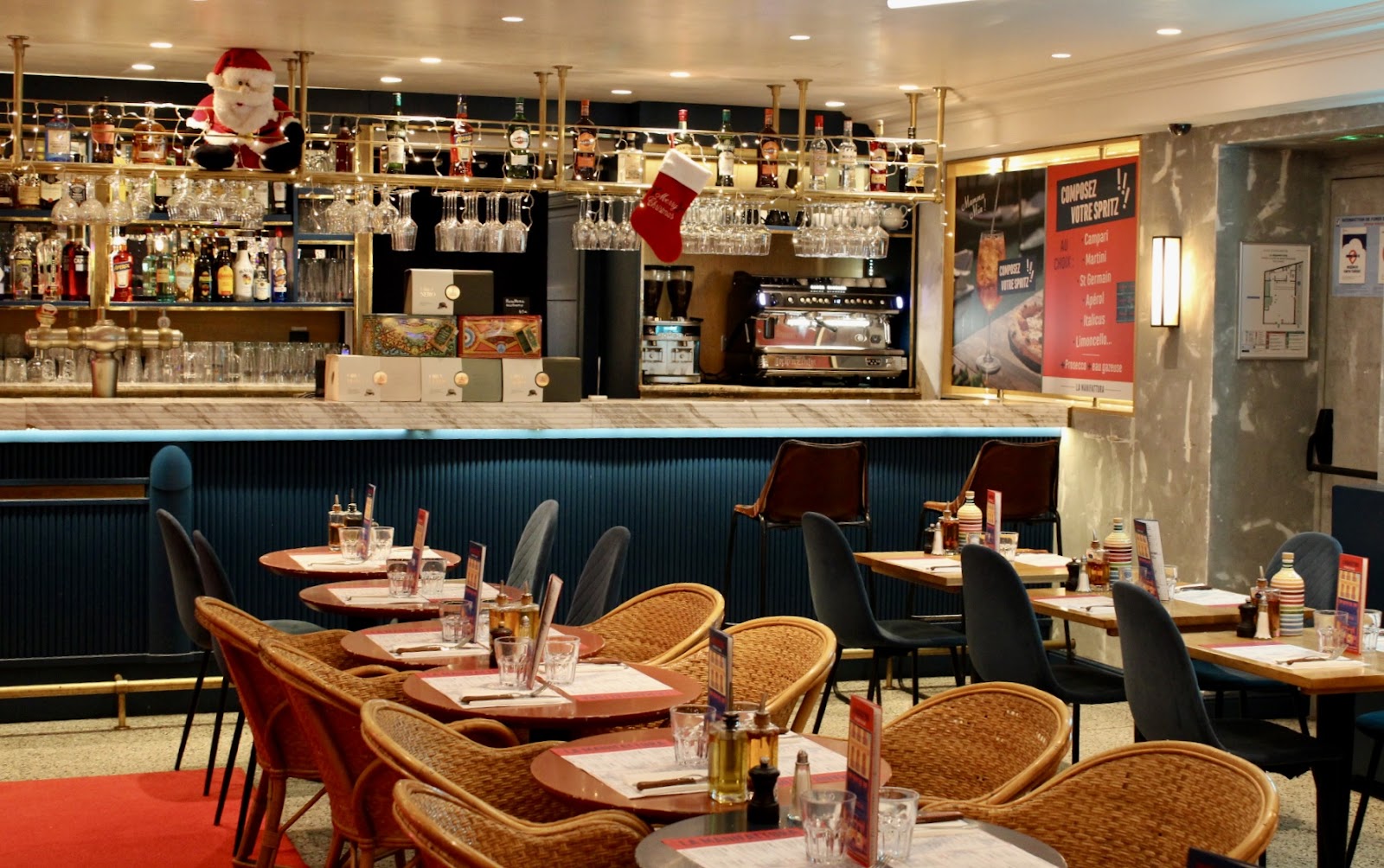
La Manifattura
€€€€ · 2,430 reviews
Pizza Lovers say: "Praised for Napoli pizza, perfect dough, and Tiramisu. Some found pizzas average and a bit dry."
On the Left Bank, O'Scià has been quietly running in the 5th for years. It is the old-guard Latin Quarter Neapolitan, not chasing buzz, not on the influencer circuit, just feeding the neighborhood proper pies night after night.
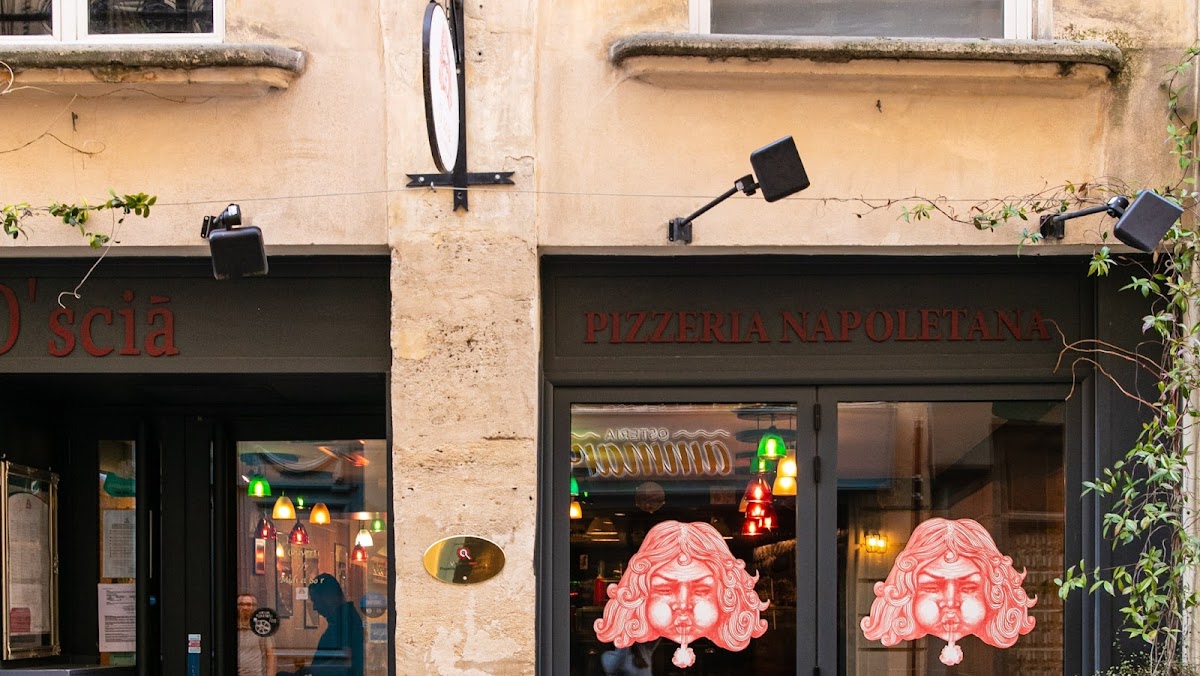
O’Scià
€€€€ · 2,726 reviews
Pizza Lovers say: "Incredible pizza dough, delicious Margherita and O'scia pizza. Pasta is great but not as good. Prices are OK."
Fratelli Castellano is run by two brothers from southern Italy. Classical Naples, wood oven, the kind of room where the smell does the marketing before the menu does. Walk past once and you come back.
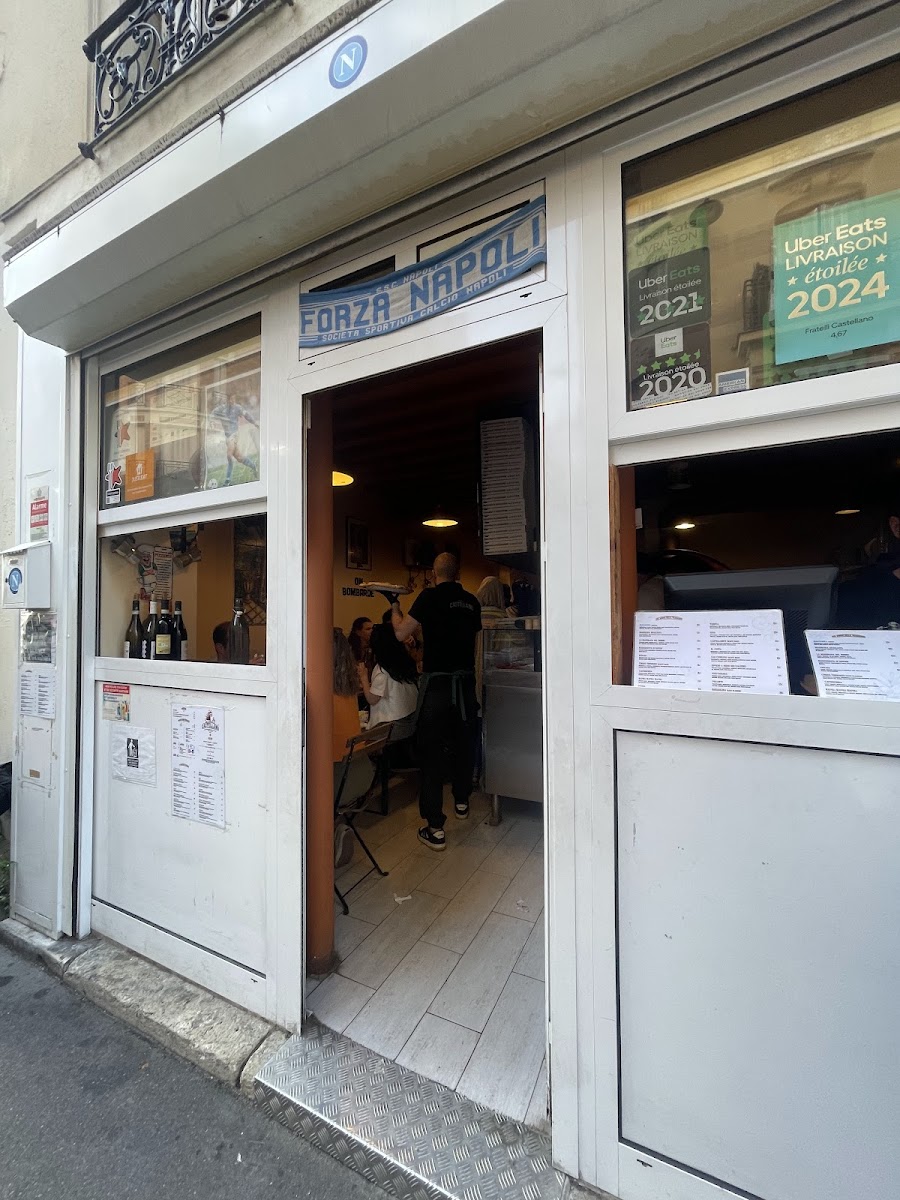
Fratelli Castellano
€€€€ · 1,667 reviews
Pizza Lovers say: "Perfect crust, quality ingredients, and amazing tomato sauce. Expect a queue, but it’s worth it."
Bobby is the young-team entry. A small room, a wood oven, and a naturally fermented dough that takes its time. The menu is short on purpose. The crowd is mostly under 35 and mostly local.
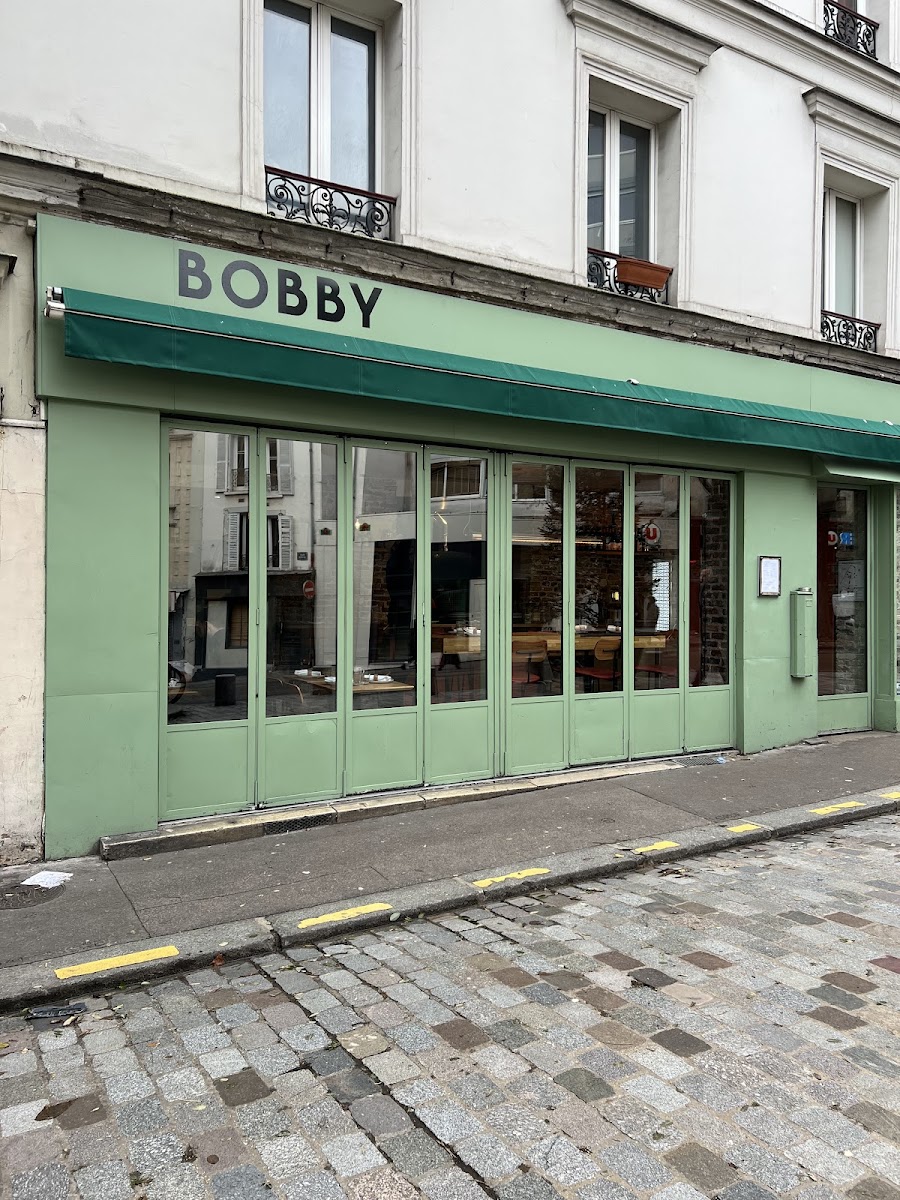
Bobby
€€€€ · 2,226 reviews
Pizza Lovers say: "Carbobby Carbonara and ravioli are divine. Fresh ingredients and a great oven. Pizza a bit too much pelata for some."
Fimmina is the newest of the new-school rooms here. The format is small, the menu moves quickly, and the focus is squarely on the dough. It belongs on the list because it represents where Paris pizza is heading next: tighter, more pizzaiolo-driven, less restaurant-group.
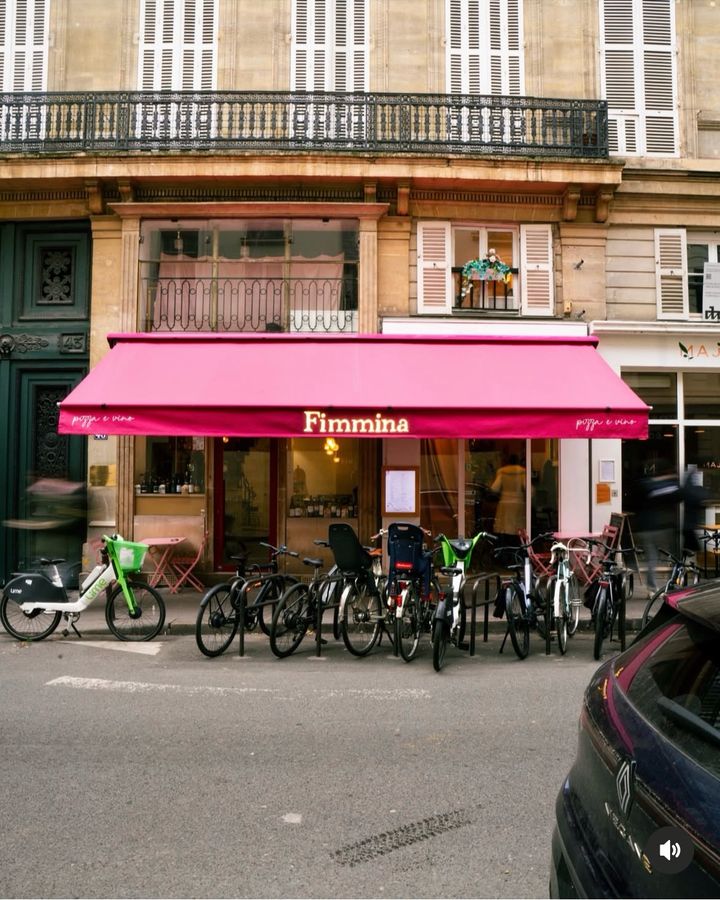
Fimmina
€€€€ · 1,177 reviews
Pizza Lovers say: "Outstanding Loren & Regina pizzas, fresh ingredients, authentic Italian style. Service can be slow during busy times."
The Roman and American detours
Not every good pie in Paris is Neapolitan. Simonetta, in the 10th near Canal Saint-Martin, was consulted on by Pier Daniele Seu of Rome's Seu Pizza Illuminati. The style is contemporanea: a high-hydration dough, longer fermentation, vegetable-led toppings, and a crust that is crisp on the bottom and airy through the middle. It is the closest you will get to a serious Roman pizza bar without a flight to Trastevere.
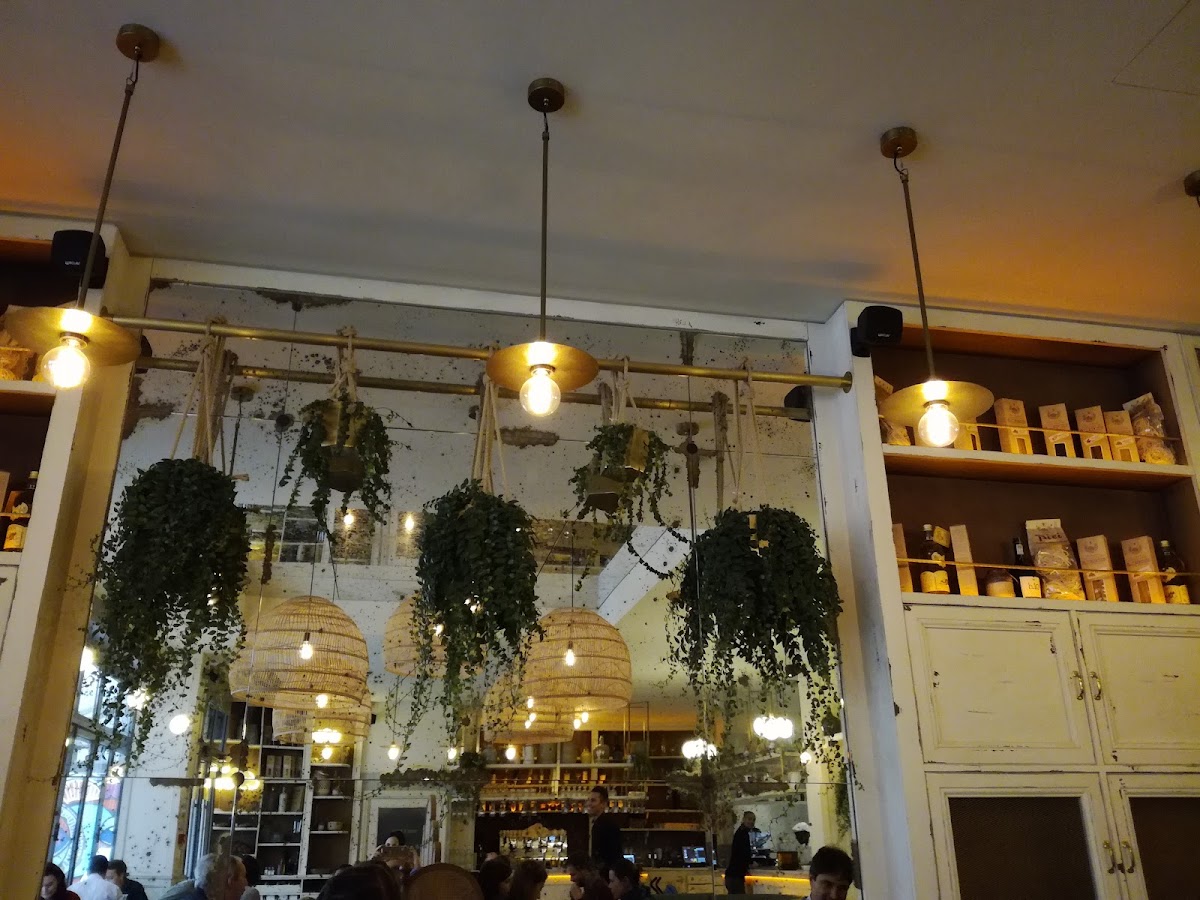
Simonetta
€€€€ · 3,585 reviews
Pizza Lovers say: "Delicious gnocchi and bruschetta, cute pizzas. Mozzarella not top-notch, and pizza arrived cold."
And then there is Bricktop Pizza in the 11th, which has picked a side, and the side is Brooklyn. 18-inch rounds, served whole or by the slice, with the kind of foldable crust that has more in common with Joe's on Carmine Street than with anything in Naples. In a city that spent the last decade learning to love a soft cornicione, Bricktop is the gentle reminder that good pizza has more than one shape.
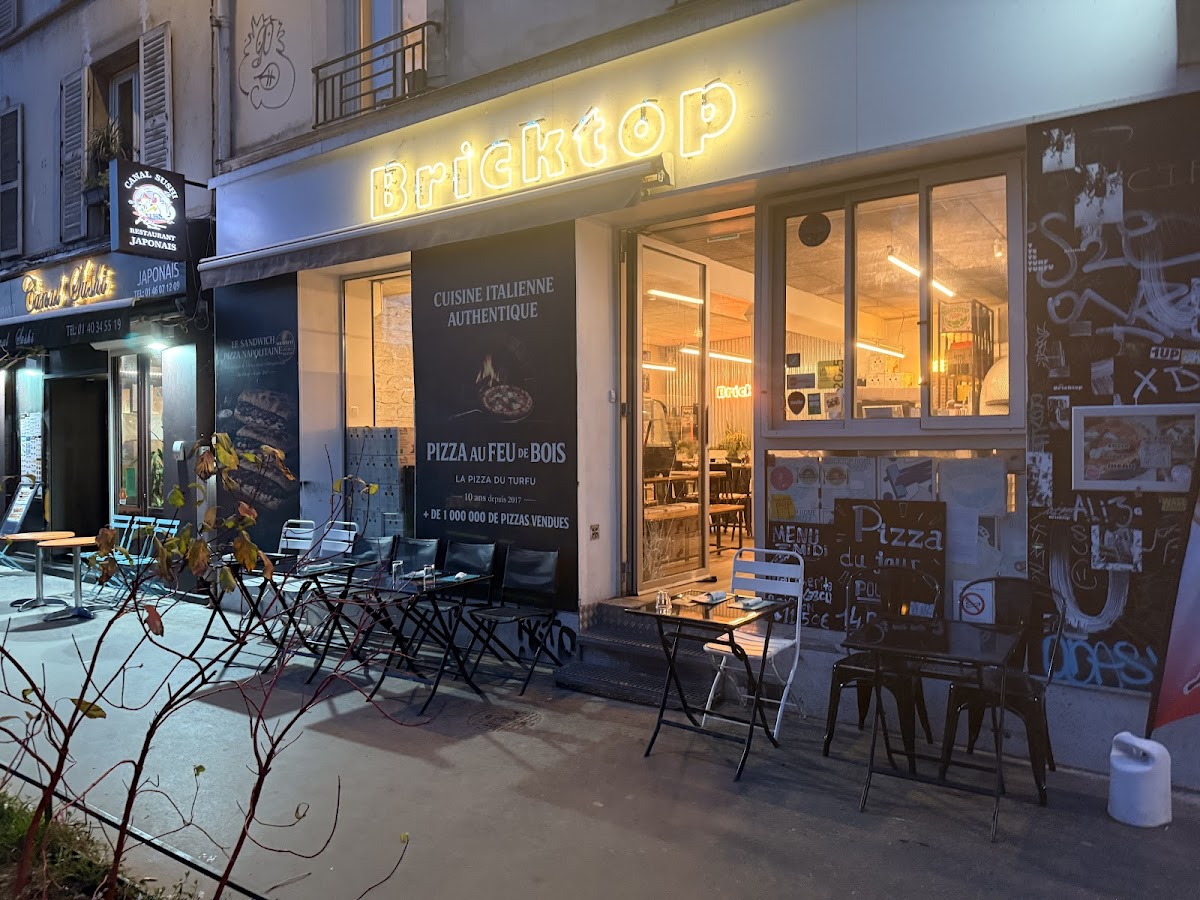
Bricktop Pizza
€€€€ · 2,235 reviews
Pizza Lovers say: "The wood-fired sourdough Neapolitan crust is perfectly crispy and delicious, with excellent chili sauce. Service is outstanding, though some felt topping portions could be larger."
Neapolitan pizza in Paris: The ranked table
| Rank | Spot | City | Style | Why |
|---|---|---|---|---|
| 1 | Fimmina | Paris | Neapolitan | 11th; Natural fermentation, small focused format, leading the city's future direction |
| 2 | Fratelli Castellano | Paris | Neapolitan | 15th; Two brothers from southern Italy, classical technique, neighborhood anchor |
| 3 | Bobby | Paris | Neapolitan | Montmartre; Young team, naturally fermented dough, local and unpretentious |
| 4 | Bricktop Pizza | Paris | Neapolitan | 11th; 18-inch whole slices, American counterpoint to the Neapolitan dominance |
| 5 | Uno | Paris | Neapolitan | 11th; Single counter, wine on tap, neighborhood feel of a Naples spot |
| 6 | Pizzeria Popolare | Paris | Neapolitan | 2nd; The room that started the modern Paris pizza scene in 2015 |
How we ranked this
We sorted these rooms by what people who came for the pizza actually said about the pizza. Reviews that docked stars over a slow waiter, a missing high chair, or a wait that the diner already knew about did not move the needle. Dough, oven, room, and the people running it did.
For deeper context on the styles shaping this list, see our guides to London's emerging Neapolitan scene, Madrid's contemporanea movement, and Barcelona's Gothic Quarter traditions.