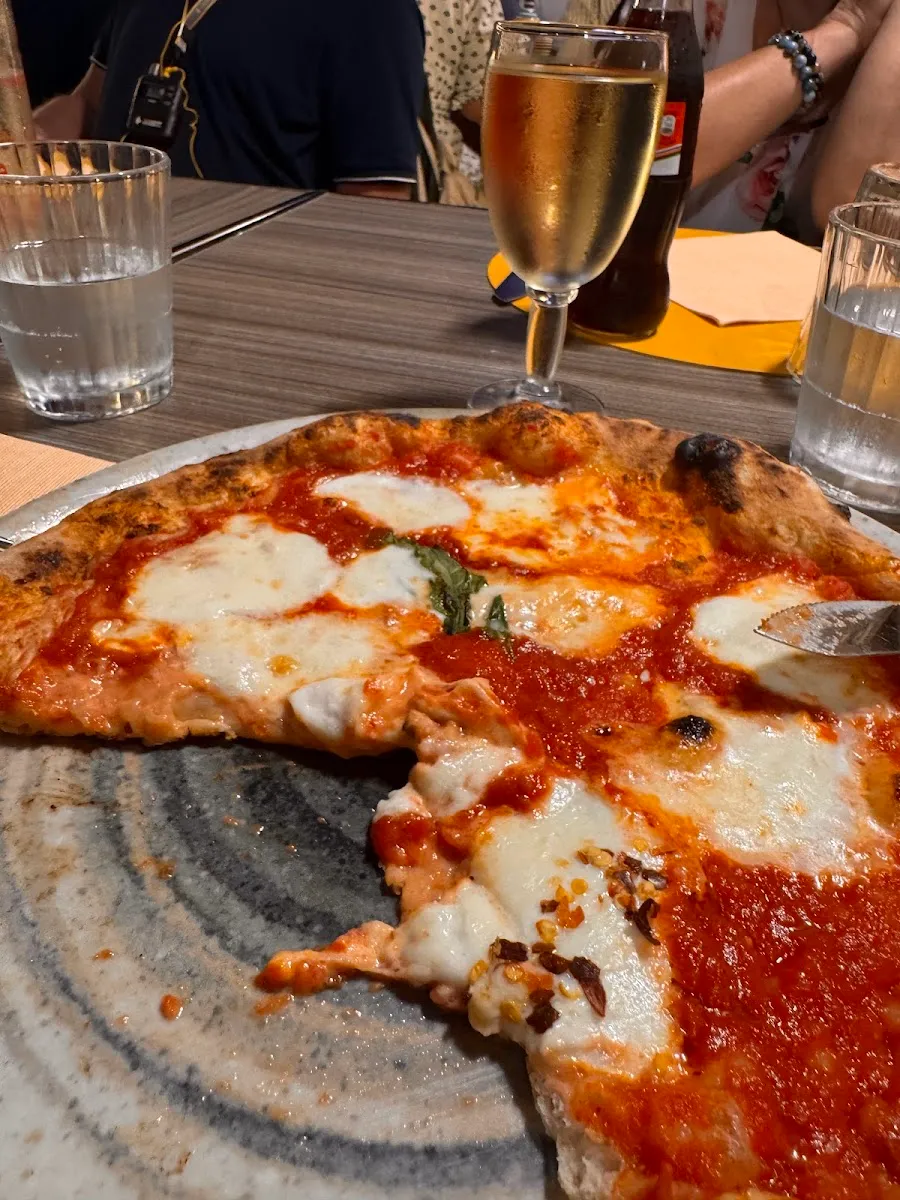
Ask a first-time visitor what Naples is famous for and you will hear about the wood-fired Margherita every time. Almost nobody arrives knowing about the other pizza, the fried one, the one the city quietly kept for itself. Pizza fritta is the fried side of Neapolitan pizza, and Naples never let it go. Picture a disk of pizza dough folded over ricotta, cicoli, provola, tomato, and a crack of black pepper, then dropped into hot oil until it puffs into a golden, blistered pillow. It is cheap, it is hot, and you mostly find out it exists once you are already in Naples, standing in the same doorways where it was born.
What is pizza fritta?
After the Second World War, Naples was a city of bombed buildings and broken wood-fired ovens. Flour was scarce and a proper round of baked pizza had become close to a luxury. Frying was the workaround. A puck of dough hit a pot of oil, swelled up, and suddenly looked like a full meal for a few coins. Women ran the operation, frying in the open mouths of the bassi, the street-level one-room homes, selling to neighbors on credit with eight days to pay. That arrangement had a name, "a ogge a otto," today for eight days from now. Sophia Loren made the whole ritual famous in 1954, playing a fried-pizza seller calling out to the street in De Sica's film about the gold of Naples. None of this is museum history. The same families are still frying.
The classic version is the ripiena, the stuffed one, shaped like a fat half-moon calzone. The traditional fill is ricotta, cicoli (crisped pork cracklings left over from rendering lard), provola, a spoon of tomato, and pepper. The crust comes out shatter-light when the oil is right and a little chewy at the seam. The other form you will meet is the montanara, a small fried disk that stays open-faced and gets crowned after frying with tomato sauce, a little cheese, and basil, so the dough fries first and the topping goes on after. One you bite into and the filling runs; the other you eat like a tiny fried pizzetta. Both belong to the same Fritta family.
| Form | Shape | Filling | Topping |
|---|---|---|---|
| Ripiena | Folded half-moon | Ricotta, cicoli, provola, tomato, pepper | None (stuffed before frying) |
| Montanara | Small open disk | None (fried plain) | Tomato sauce, cheese, basil (added after frying) |
Where do locals actually eat it?
Start near the port, in the tangle of streets around Forcella and the old Jewish quarter. This is the historic heart of the craft, where the friggitorie have been handing the work down for three and four generations.
Antica Friggitoria La Masardona is the name everyone says first, and for good reason. The family has been frying since 1945, when the founder set up outside her own home on Sunday mornings to bring in extra money for the household. They run two shapes, a round tonda and the long battilocchio, and the house fill leans on ricotta, cicoli, provola, tomato, and pepper. They are precise about it: sunflower oil held around 180 degrees, dough timed and tended like a living thing. The result is dry to the touch, never greasy, with a clean crackle.
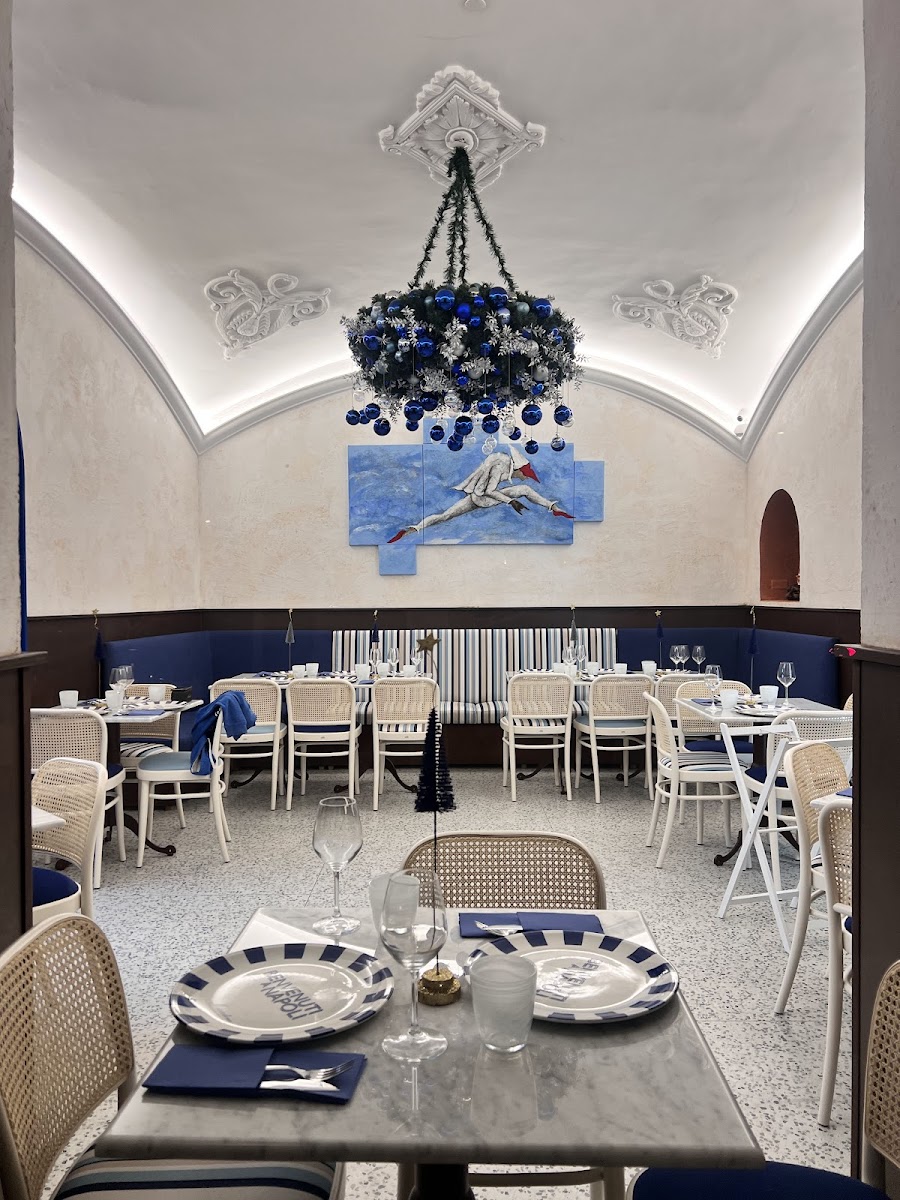
Antica Friggitoria La Masardona
€€€€ · 4,731 reviews
Pizza Lovers say: "Amazing fried pizza, especially the Napoli classic and chocolate options. Light, airy dough. Entrance can be confusing."
A few steps away in the Forcella streets, Pizzeria De' Figliole has been a fixture for decades, run by a trio of sisters who keep the prices firmly in old-Naples territory. They turn out both the folded crescent and the round form, and the room is exactly what you want: no design, no fuss, just a counter, the oil, and a line of people who clearly come every week.
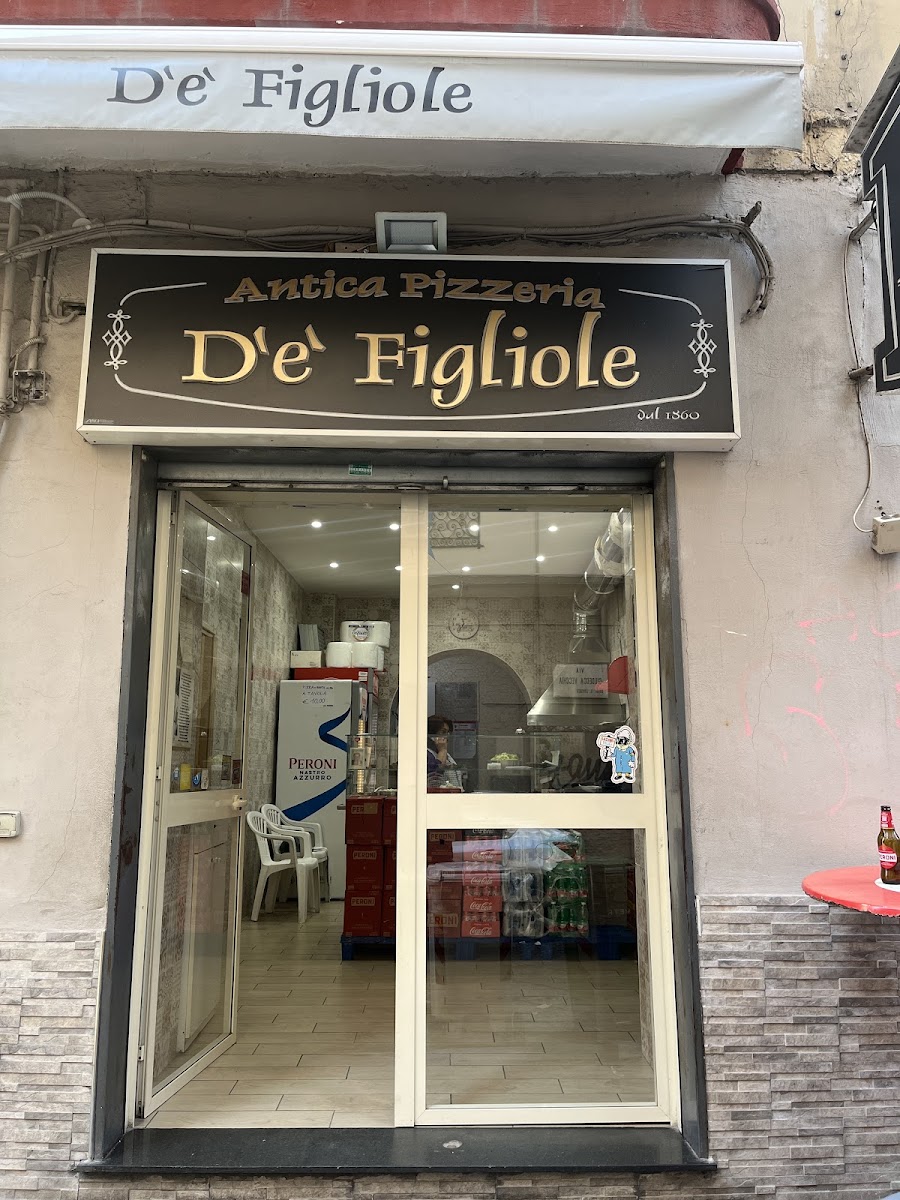
Pizzeria d'è Figliole
€€€€ · 4,230 reviews
Pizza Lovers say: "Amazing fried pizza, delicious with fresh ingredients, and great service. Wine served in plastic cups."
What about the modern specialists?
The tradition is alive partly because a younger generation took it seriously instead of treating it as a relic.
In the Sanità, the baroque neighborhood climbing north of the center, Isabella De Cham built a fried-pizza house that put the genre on tasting menus. She trained in serious kitchens, runs a largely all-female team, and ferments her dough long (a biga, a day and a half or more) so the fried shell stays light and reads clean rather than oily. The fillings range from the orthodox ricotta-and-cicoli to playful ones named for the neighborhood and the city's patron saint of football. It is the best place to understand that "traditional" and "thoughtful" are not opposites.
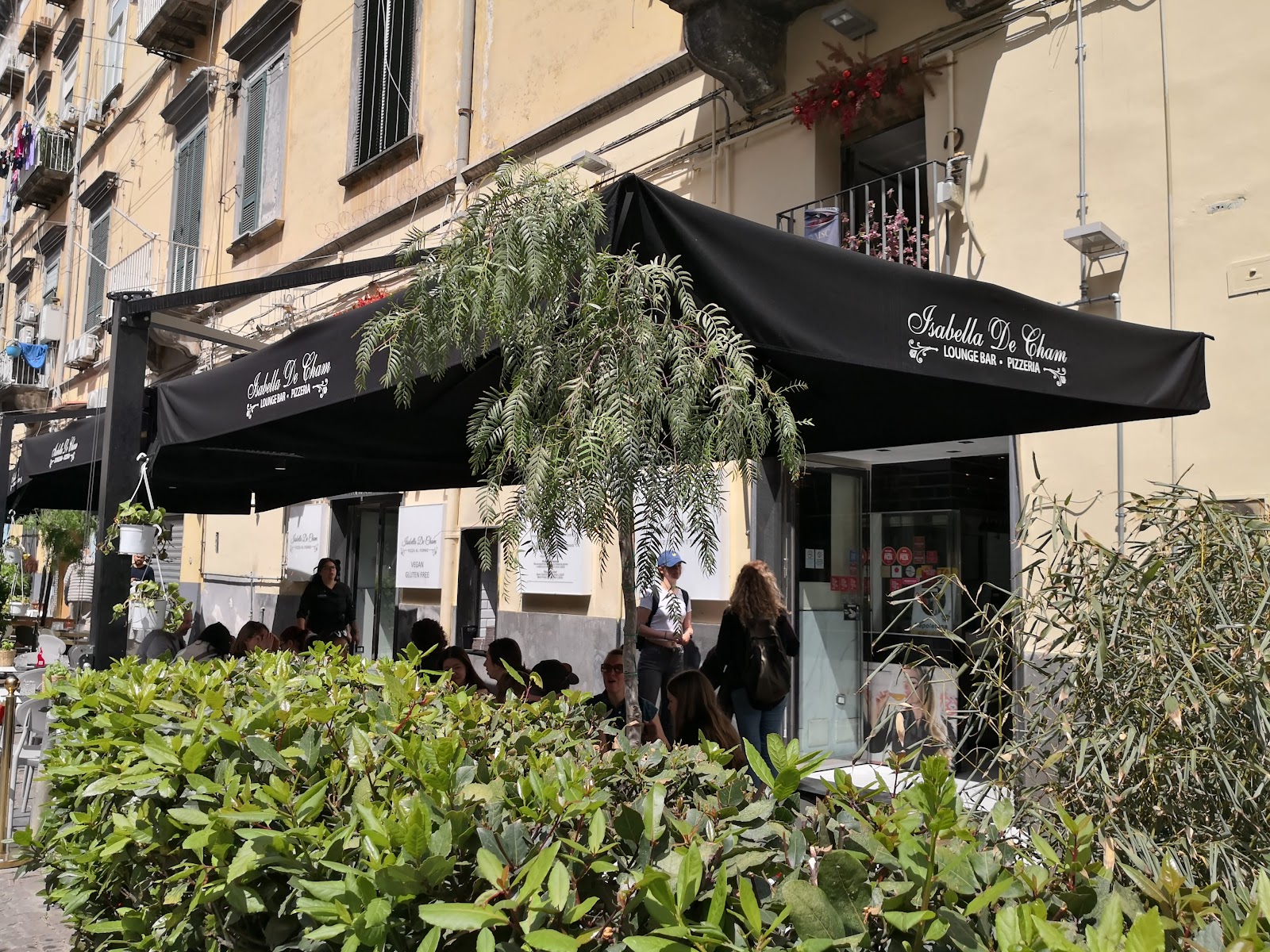
Isabella De Cham Pizza Fritta
€€€€ · 3,846 reviews
Pizza Lovers say: "Pizza fritta completa and gluten-free options are praised, but decor and lighting are noted as a drawback."
Down in the Centro Storico, on Via Pietro Colletta, 1947 Pizza Fritta takes its name from the year fried pizza was effectively crowned as Naples street food. The dough here is thin and light, and the menu plays: mortadella with pistachio, yellow datterino with caciocavallo, a fill of real Neapolitan ragu. It is fried pizza for people who already love it and want to see how far it stretches.
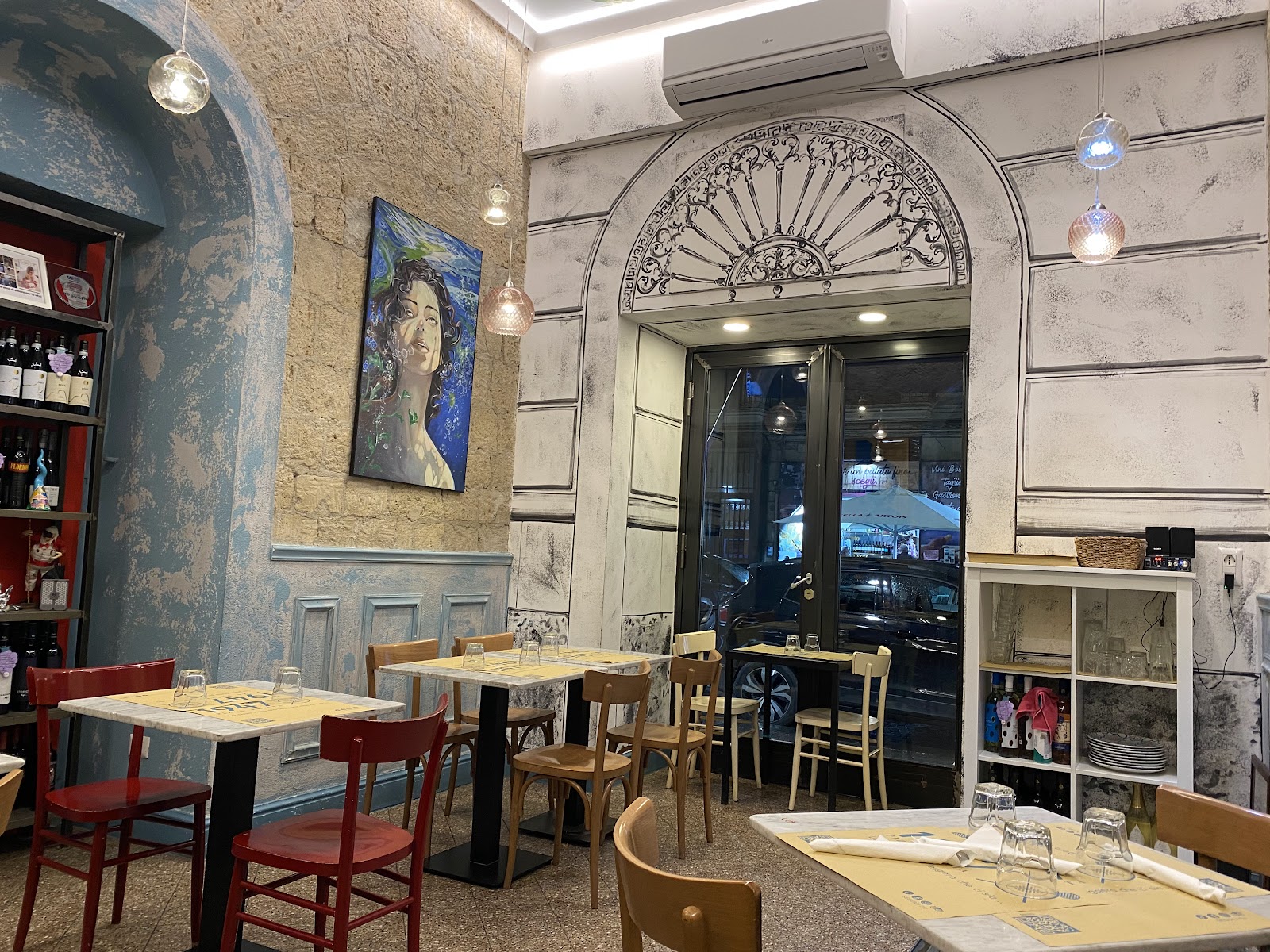
1947 Pizza Fritta
€€€€ · 2,429 reviews
Pizza Lovers say: "Cuoppo classico napoletano and Baccalà were delicious. Pizza fritta was a bit dry. Worth trying!"
The most visible modern banner belongs to the Sorbillo family. Antica Pizza Fritta da Zia Esterina Sorbillo is named for the aunt who, like so many Neapolitan women, took to the street to scrape a living frying dough. The flagship sits right on Piazza Trieste e Trento, an easy stop near the opera house and the royal palace. The classic order is ricotta, cicoli, and pepper, with heartier options like meatballs in sauce for a bigger appetite. It is the cleanest introduction to pizza fritta if you are short on time and standing in the middle of town.
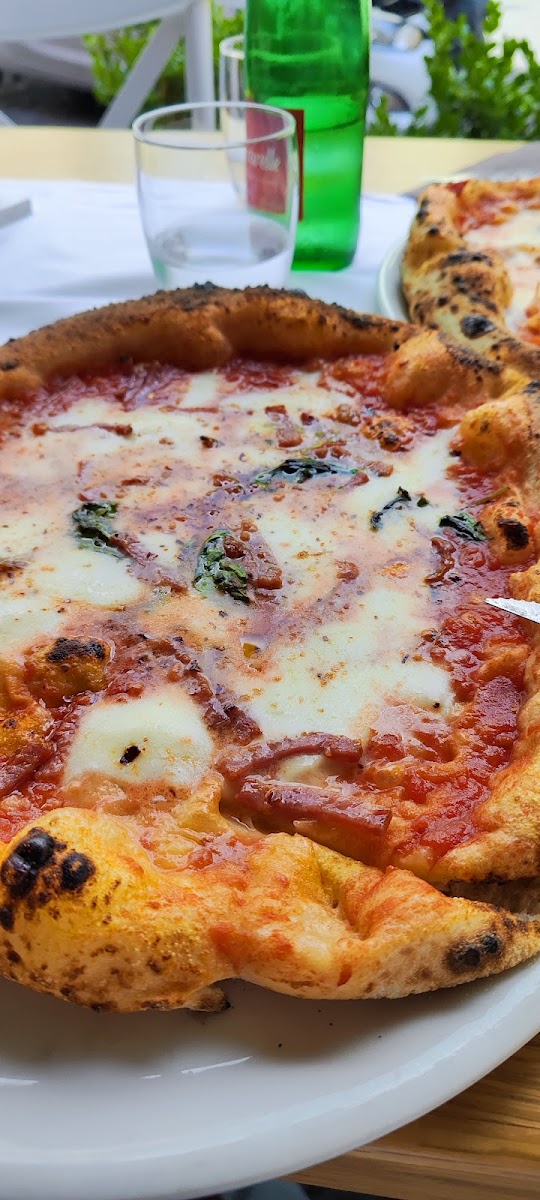
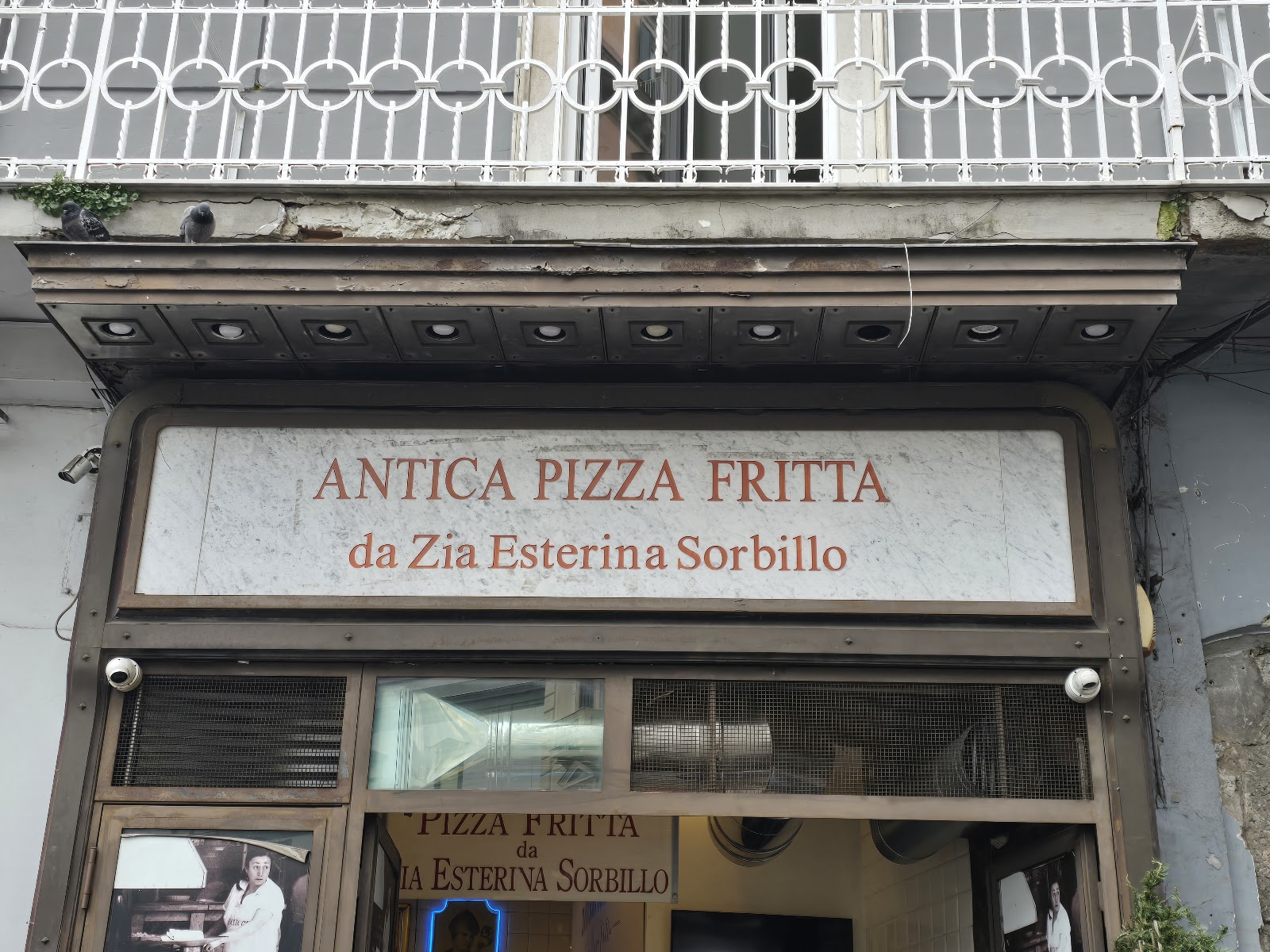
Antica Pizza Fritta Da Zia Esterina Sorbillo
€€€€ · 8,042 reviews
Pizza Lovers say: "Amazing fried pizza, especially the classic and meatball versions. Worth the wait, though standing room only and limited vegetarian options."
Where else is worth a detour?
A few more spots round out a proper fried-pizza tour without sending you far.
In the Quartieri Spagnoli, the steep grid of alleys above Via Toledo, Pizza Fritta da Fernanda is the kind of doorway operation that the whole tradition grew out of. You order on a narrow street, you get a hot half-moon wrapped in paper, and you eat it walking. This is street food in its purest form, served exactly where this food has always lived.
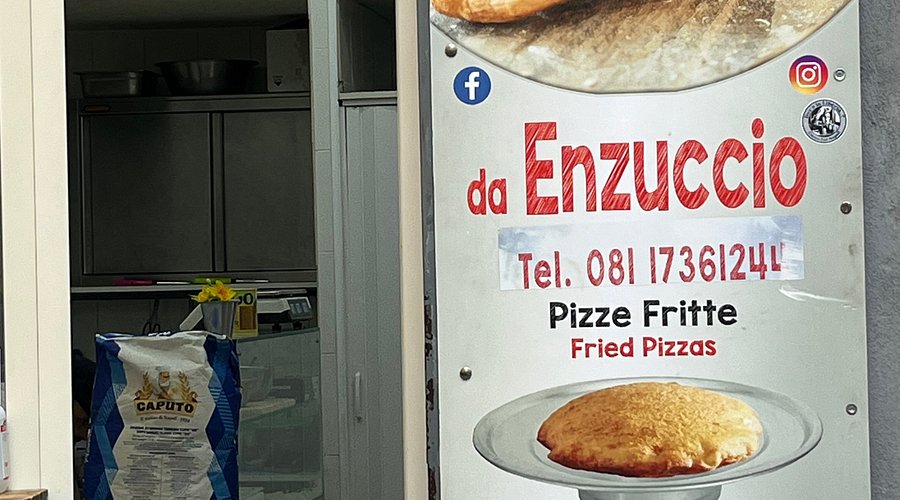
Pizza Fritta da Fernanda
€€€€ · 27 reviews
Pizza Lovers say: "Tasty fried pizzas, cheap prices, and fast service with fascinating preparation. However, one found it to be their least favorite fried pizza."
Near Forcella and the old archive, La Figlia del Presidente keeps the classic stuffed style going with a generous hand on the ricotta and provola. It is an easy add to a centro storico crawl, a few minutes from the other historic friggitorie, and a good reminder that the standard here is high even at the places without the famous names.

La Figlia del Presidente
€€€€ · 11,350 reviews
Pizza Lovers say: "Fantastic pizza, especially the mortadella & pistachio. Downsides: caprese salad was disappointing, but stick to the pizza."
Finally, if you climb up to the Vomero, the leafy hilltop neighborhood reachable by funicular, Friggitoria Vomero has been frying since 1938 under the same family. Alongside the stuffed pizza fritta you get the full fried-snack spread: crocche, pasta cresciute, arancini, polenta. The pizza comes out piping hot and dry, the way it should, and the spot proves fried Naples is not confined to the old center.
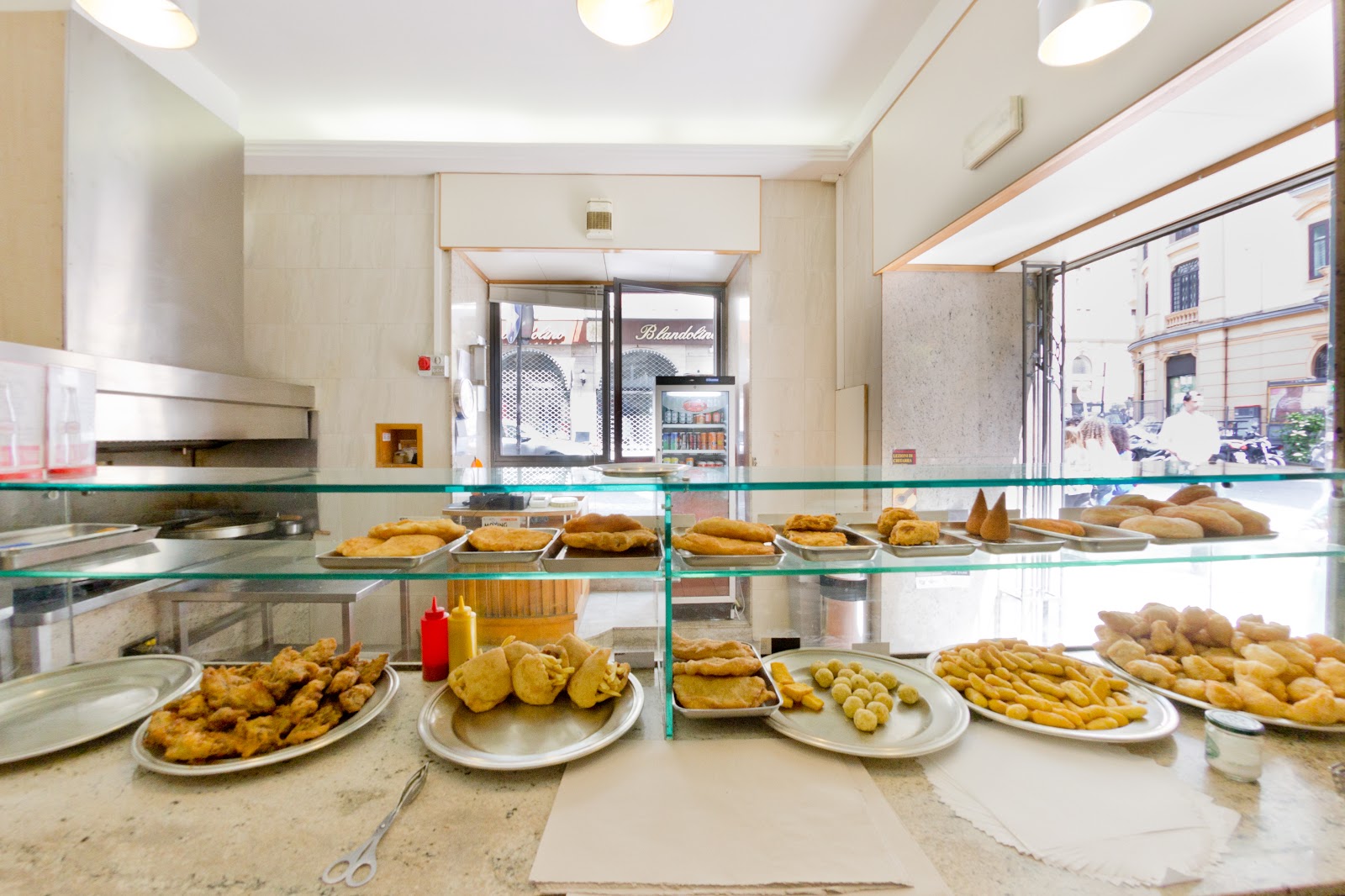
Friggitoria Vomero
€€€€ · 2,506 reviews
Pizza Lovers say: "Cheap, filling fried pizza, good value. A bit too much cheese for some, and sometimes served a little cold."
Eat it standing, eat it hot, and do not wait for it to cool. Pizza fritta was built for the street, and that is still the best place to have it.