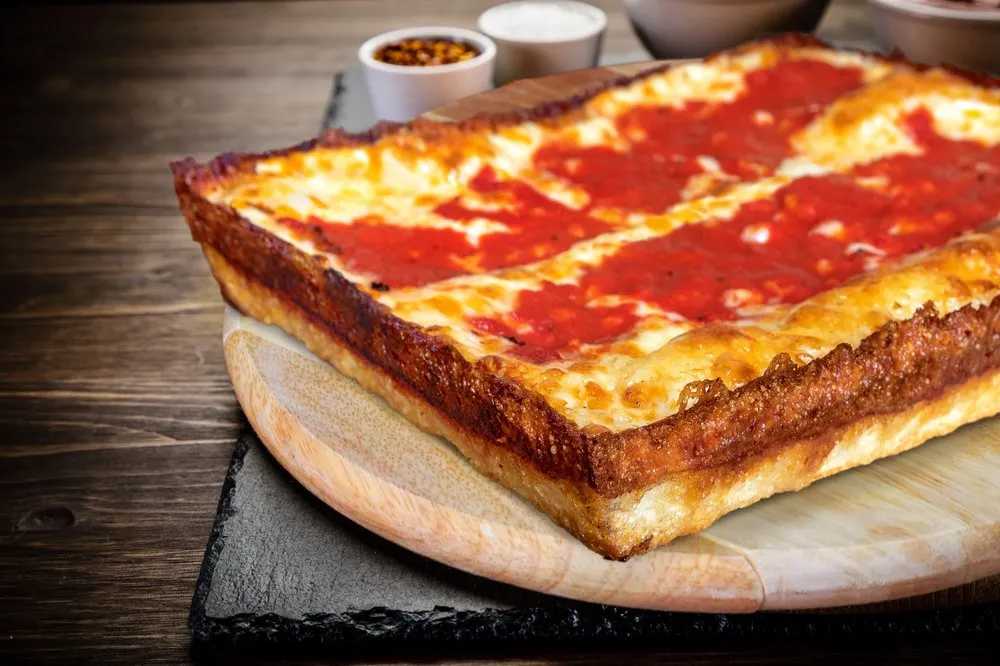
Detroit pizza is the only pizza style invented in an American city that has gone on to win an Italian competition. The format is square, the cheese is fried against a steel pan wall, the tomato sauce arrives last, and the pizza is named after a 1946 bar at the corner of Six Mile and Conant in Detroit. The style was nearly extinct outside Michigan as recently as 2015. It is now in every major American city, and a few European ones.
What makes a pizza Detroit-style?
The spec is short but the pan is the spec. Detroit-style pizza is baked in a heavy rectangular steel pan roughly 10 by 14 inches, traditionally a repurposed blue-steel utility tray from the Detroit automotive industry. The dough is a high-hydration, focaccia-leaning mix proofed in the pan, pressed out to the edges, and finished with toppings before the bake.
The critical move is the cheese. Wisconsin brick cheese (firmer and tangier than mozzarella) is laid all the way to the pan walls, where it caramelizes in the bake into a near-burnt, lacquered crust that fuses to the dough's outer edge. The result is the dish's signature feature: a brown, crunchy, almost-savory cheese ring that frames every slice.
Tomato sauce is ladled on top of the cheese after the pizza comes out of the oven. The classic presentation is two parallel stripes of sauce along the long axis of the rectangle (the racing stripes), traced back to Buddy's original 1946 plating. Some modern Detroit-style rooms still serve it stripe-style; others ladle a more general pour.
The pizza bakes for 12 to 15 minutes in a deck oven at around 260 to 290 degrees Celsius, longer and at a lower temperature than its Neapolitan or New York cousins. The base develops a focaccia-style interior crumb with an almost-fried bottom from the contact between high-hydration dough and oiled steel pan.
Where the style came from
In 1946 a Detroit man named Gus Guerra took over a tavern called Buddy's Rendezvous at the intersection of Six Mile and Conant on Detroit's east side. Looking for a menu item to compete with the city's expanding Italian-American restaurant scene, Guerra asked his Sicilian-born mother-in-law for a sfincione-style focaccia dough she had used at her family's bakery, and he baked it in the steel pans the local auto-parts industry sold by the dozen as utility trays. The pan shape became the pizza, and the format was set within a year.
Guerra sold the original Buddy's in 1953 to Jimmy Bonacorsi and his partners (the Jacobs family later bought the chain in 1970) and opened a second Detroit-style spot called Cloverleaf with his wife in Eastpointe. Cloverleaf still operates today. The same year Cloverleaf opened, a Buddy's-trained pizzaiolo named Louis Tourtois left to open Loui's Pizza in Hazel Park, which many Michigan natives consider the technical reference point for the style today.
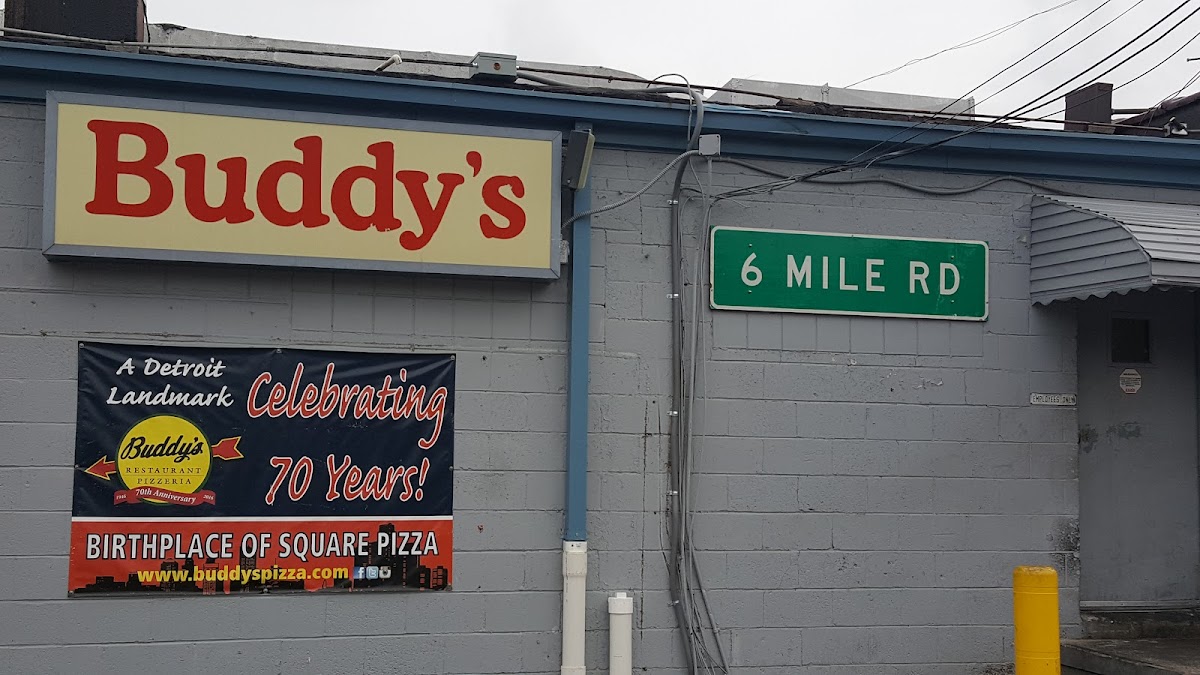
Buddy's Pizza
€€€€ · 4,148 reviews
Pizza Lovers say: "Incredible crust, authentic Detroiter, and amazing gluten-free options. Service is friendly, and prices are reasonable, though some found the original less flavorful than the Spicy Italian."
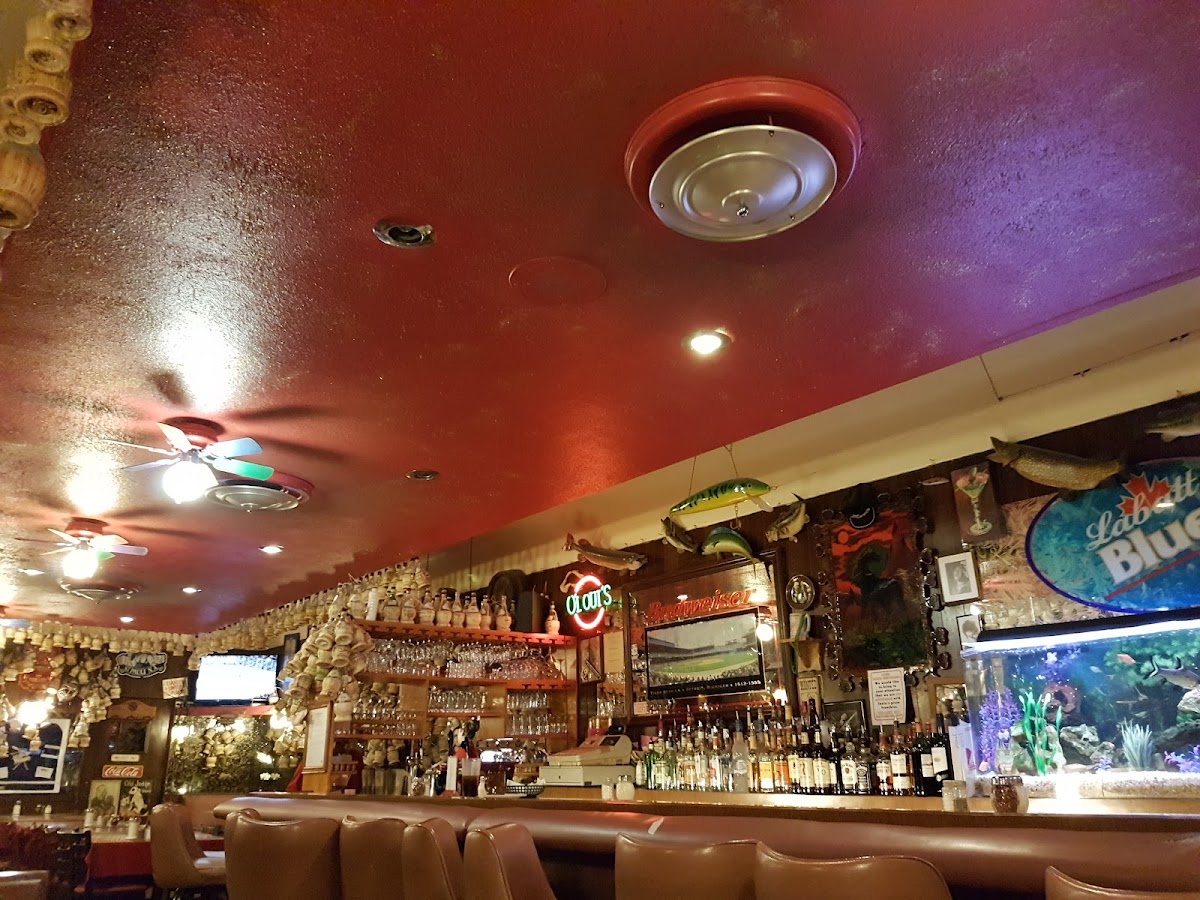
Loui's Pizza
€€€€ · 4,761 reviews
Pizza Lovers say: "Crispy cheese crust, fluffy crust, and great cheese breadsticks. Some found raw green peppers on their pizza."
The style stayed almost entirely inside Michigan for the next 60 years. Detroit's auto industry contraction kept the local economy turned inward, the city's restaurant culture rarely exported outward, and Detroit-style was barely known outside the metro region until the late 2000s. The original generation of pizzerias (Buddy's, Cloverleaf, Loui's, Shield's) operated as neighborhood rooms rather than as a cuisine consciously branded for export.
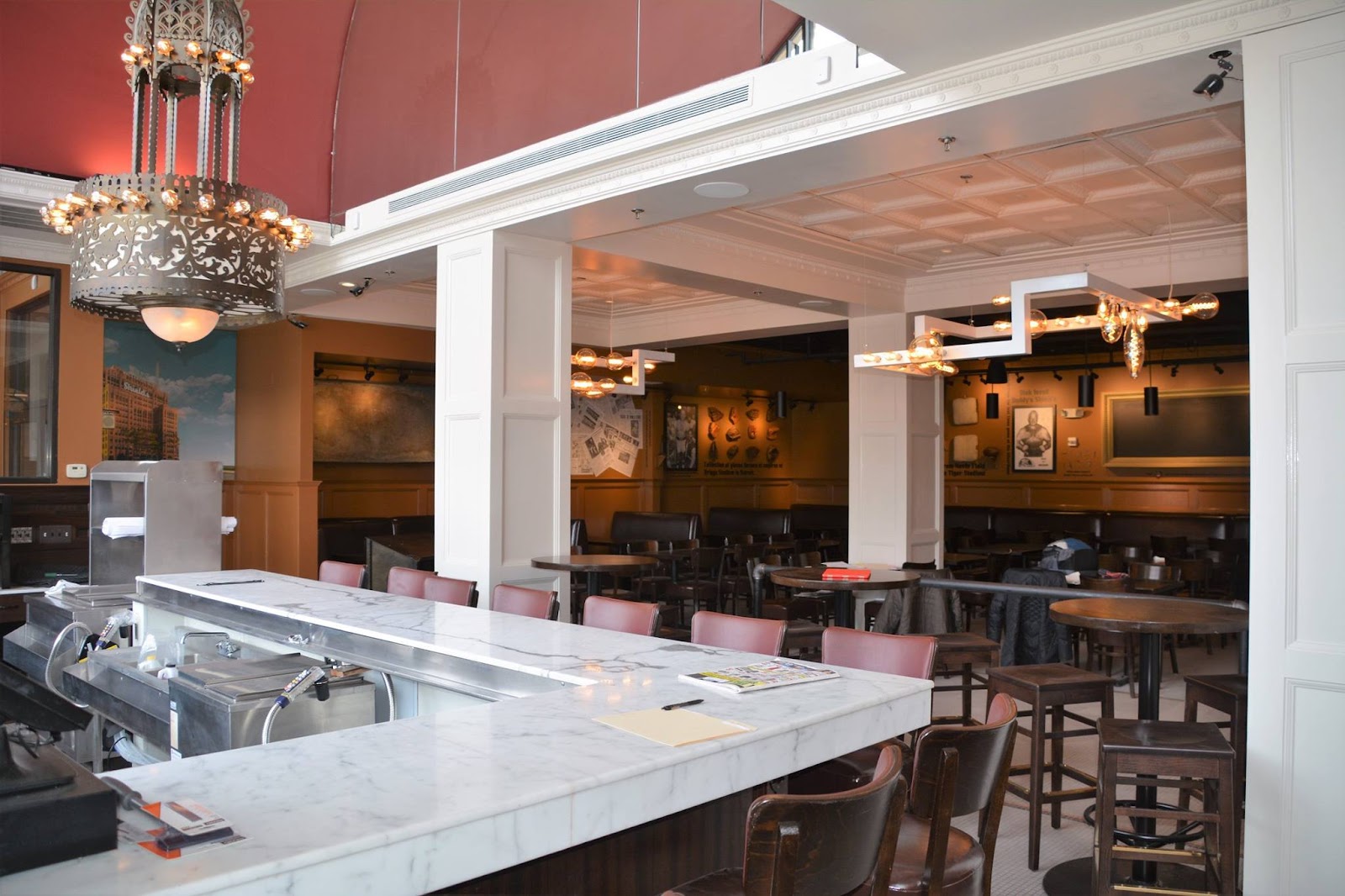
Shield’s Pizza
€€€€ · 1,287 reviews
Pizza Lovers say: "Detroit-style pizza, dry rub wings, and loaded nachos are highlights. Some found the pizza style not to their taste."
Detroit itself has had a modern revival. Michigan & Trumbull, opened in 2019 by Nate Peck and Kristen Calverley near the old Tiger Stadium site in Corktown, runs a refined Detroit-style menu with a sourdough-leavened dough and aged toppings, and has been ranked the top Detroit-style pizzeria in the country by multiple guides since 2021. The pizzeria's success is the proof point that the style can compete in the modern wood-fired-pizza-obsessed era without abandoning the steel pan.
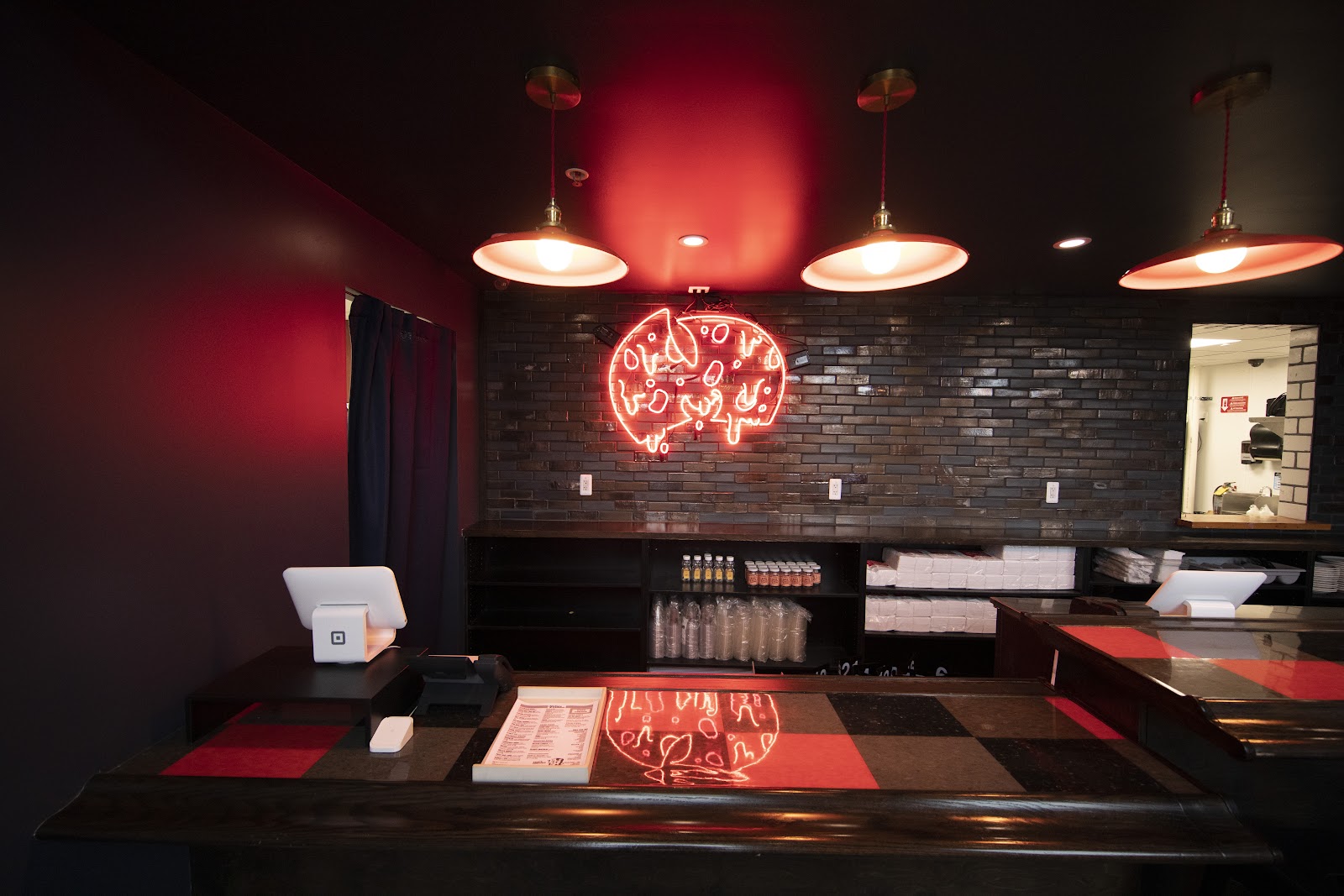
Michigan & Trumbull
€€€€ · 1,496 reviews
Pizza Lovers say: "Amazing Detroit-style pizza with buttery crust, delicious key lime panna cotta, and refreshing artisanal sodas. It can be a tight fit in winter."
The national wave
Detroit-style went national in the 2010s, and very fast. The trigger was Via 313 in Austin, Texas, opened in 2011 by two Detroit-native brothers (Brandon and Zane Hunt) who could not get a real Detroit-style slice anywhere south of the Mason-Dixon line and decided to import the format themselves. Via 313 grew to multiple locations across Texas and effectively single-handedly introduced Detroit-style pizza to the American South.
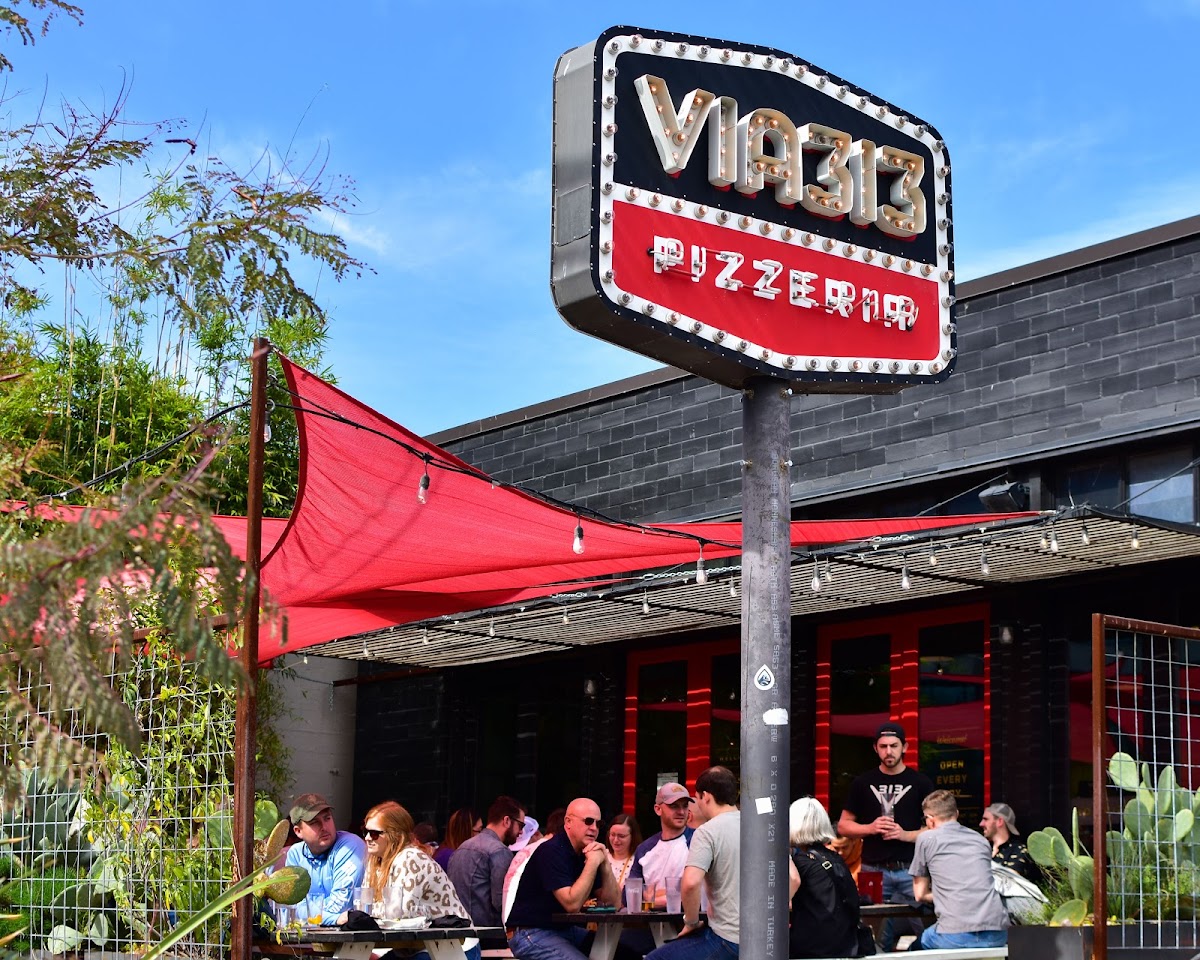
Via 313 Pizza
€€€€ · 3,431 reviews
Pizza Lovers say: "Amazing Detroit-style pizza, especially the Jalapeño Popper. Service is friendly and attentive. Some found it a bit pricey."
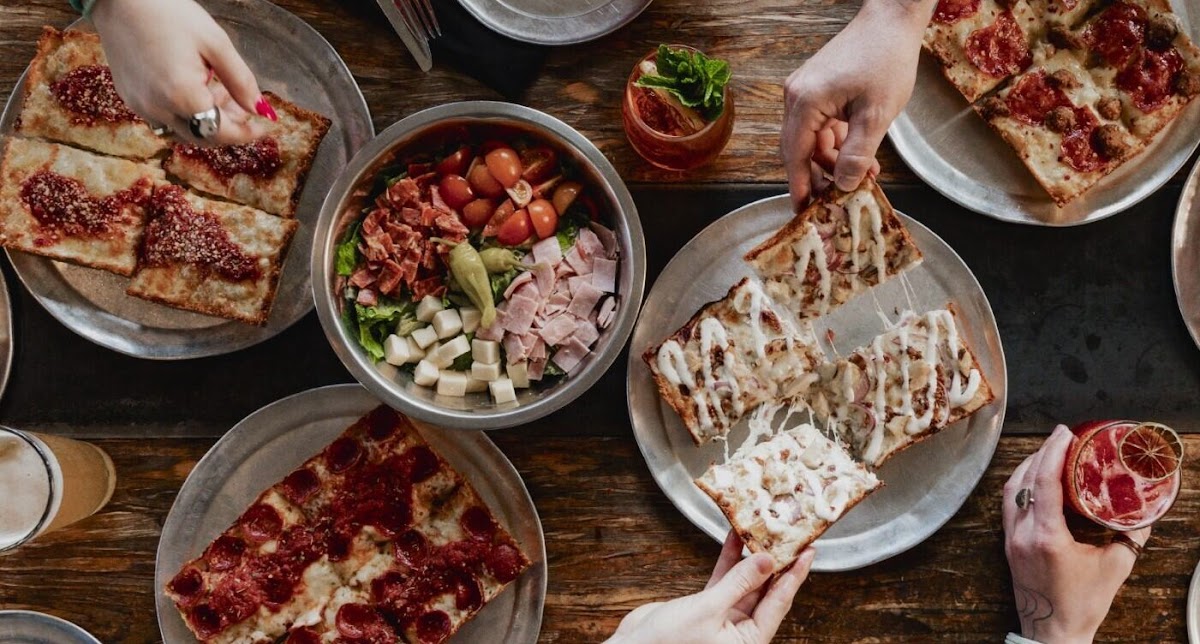
The Denver entry point is Blue Pan Pizza, opened in 2015 by Jeff Smokevitch (a Detroit-native pizzaiolo). Blue Pan won the 2017 International Pizza Challenge in Las Vegas in the Non-Traditional category, the first Detroit-style pizzeria to take a national pizza award. The room is small, the menu is tight, and the pizza is widely regarded as the closest you can get to Loui's outside Michigan.
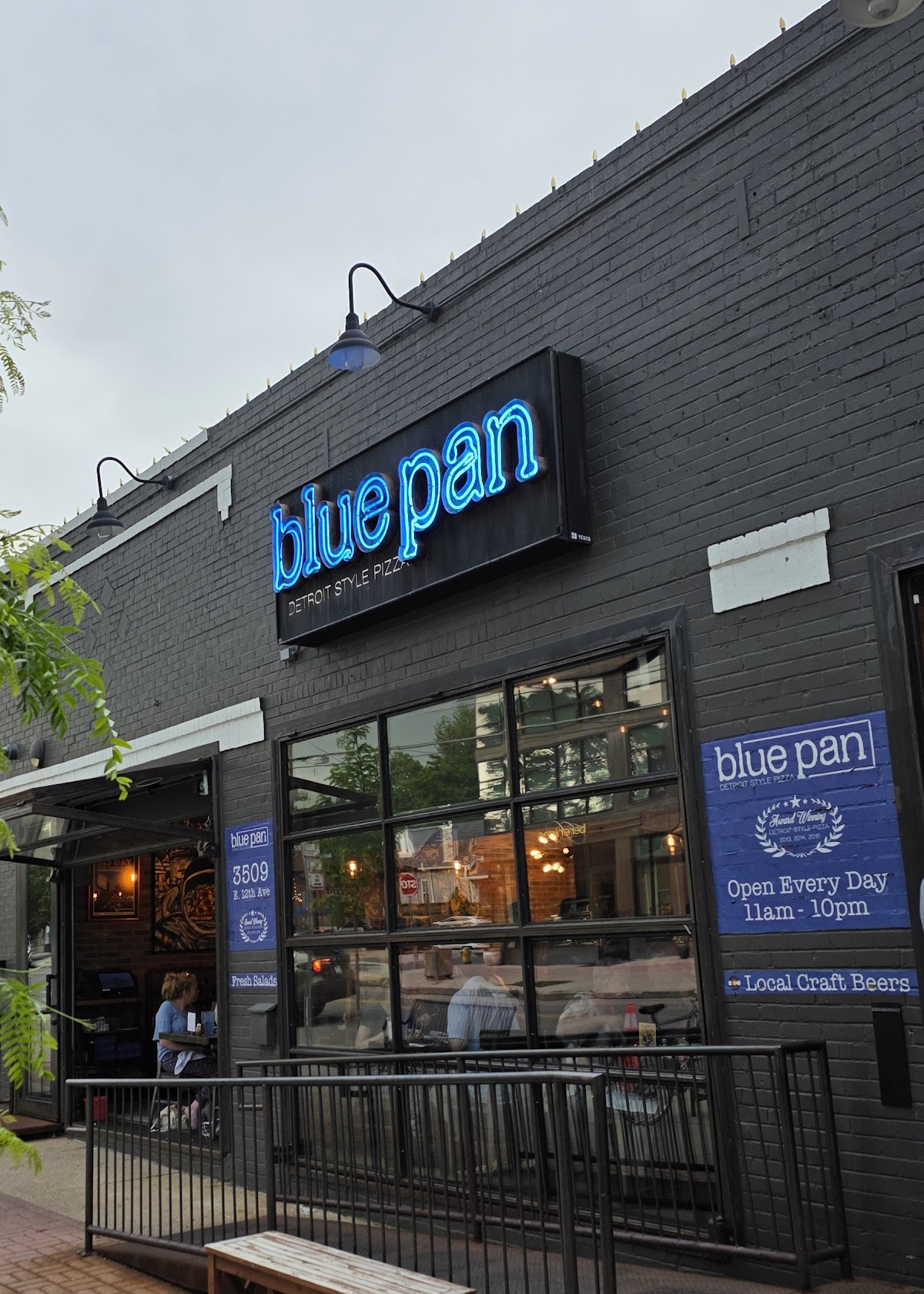
Blue Pan Pizza
€€€€ · 4,053 reviews
Pizza Lovers say: "Amazing Detroit-style pizza with crispy crust edges and flavorful toppings like meatballs and eggplant. Some found the slices very filling."
Los Angeles got its Detroit-style anchor with Quarter Sheets, opened in 2021 by Aaron Lindell and Hannah Ziskin in Echo Park as a pop-up that turned into a brick-and-mortar. Quarter Sheets runs a tight roster of square pizzas on a long-fermented dough and pulls a line from the Eastside on weekends.

Quarter Sheets Pizza
€€€€ · 504 reviews
Pizza Lovers say: "Fantastic crust, flavorful red sauce, and excellent meatballs. The location feels a bit slapped together."
The Chicago Detroit-style scene is led by Five Squared Pizza, a small operation that opened in 2020 and currently holds a 4.94 star average on our coverage. Chicago has its own deep-dish tradition (the city's pizza identity), but Five Squared makes the case that there is room for a second pan format in a city that already worships pan pizza.
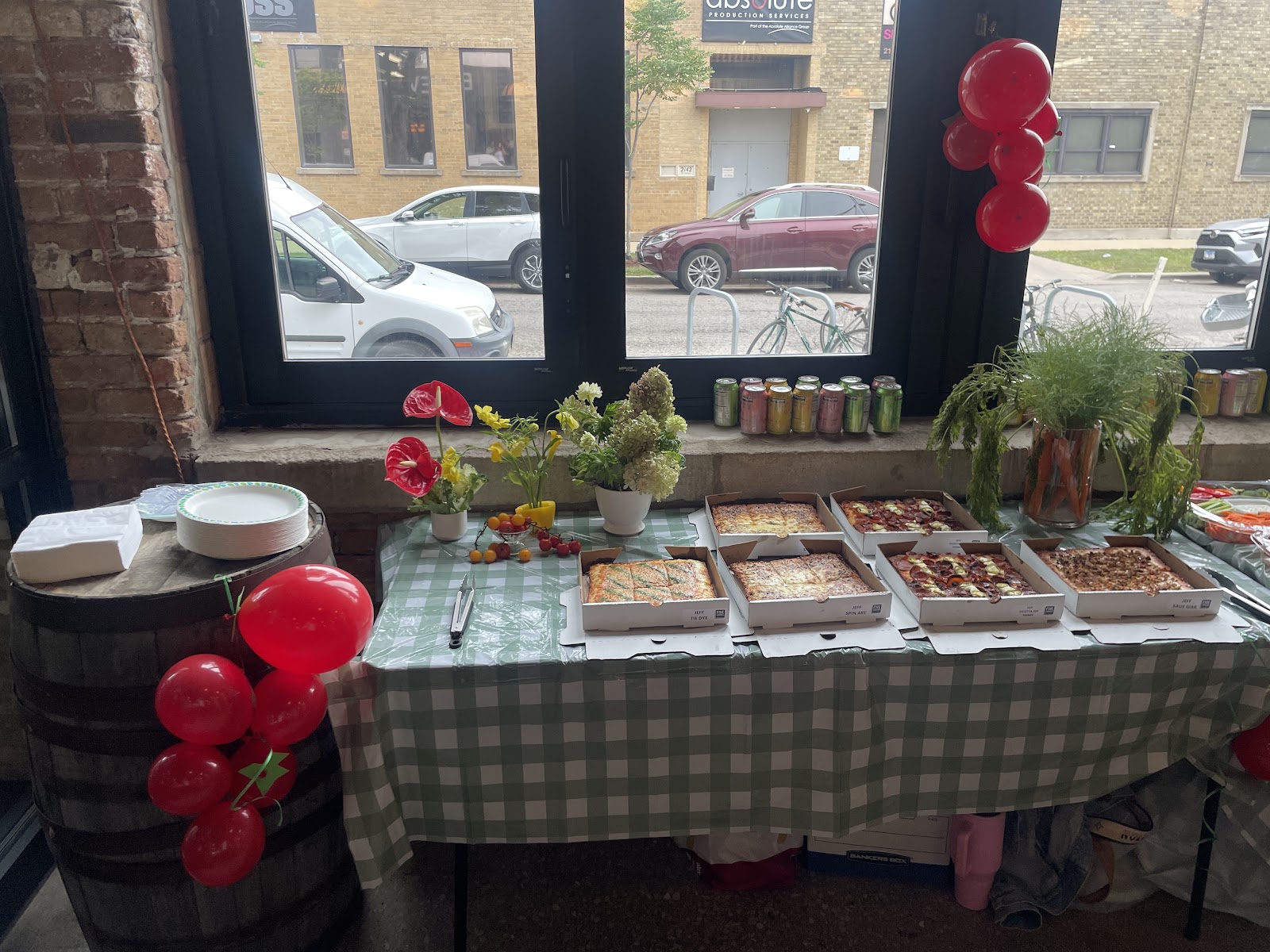
Five Squared Pizza
€€€€ · 582 reviews
Pizza Lovers say: "The soft, spongey bread with caramelized crusty edges and balanced, loaded toppings are outstanding. The Cubano and Pistachio Cream pizzas are exquisite. Some find the sauce a bit sweet."
How to spot the real thing
The shape. Detroit-style is rectangular, approximately 8 inches by 10 inches when cut into 8 squares, with each piece distinctly square. A rectangular pizza in a thin pan is not Detroit. The pan walls have to be at least an inch deep.
The edge. The defining feature is the caramelized cheese ring around the perimeter, where the brick cheese has been baked directly against the steel pan. The four corner pieces are the most prized because they have two sides of that caramelized edge. A Detroit-style without the lacquered cheese crust is a Detroit-style done wrong.
The sauce. Sauce on top of cheese, applied after the bake, usually in stripes. If the sauce is under the cheese, you are eating Sicilian or grandma style, not Detroit.
The cheese. The brick cheese (often blended with low-moisture mozzarella in modern rooms) is the load-bearing ingredient. A Detroit-style made with only mozzarella tastes blander and the caramelization comes out paler. Real brick has a slight funk that disappears into the bake.
The price. A whole Detroit-style pizza runs $18 to $32 at most modern rooms, with corner-piece premiums on some menus. A small square (single-serve) at a Detroit-area shop is often under $10, which is one of the format's quiet strengths.
Browse the Detroit metro coverage on the Detroit hub, or check the global rankings inside the Detroit style hub.