Madrid was not supposed to be a pizza city. A decade ago the pizza most madrileños ate was a Telepizza round on a Friday night or a frozen disc from the Mercadona freezer. The capital had bocadillos, callos, cocido, and an opinion on every churro stand in the country, but nobody flew to Madrid for a pie.
That changed around 2018. A small group of Neapolitan-trained pizzaioli moved in, shipped wood ovens over from Italy, and started selling contemporanea pizza, high hydration, long-fermented, stoneground, for the price of a chain delivery. Within five years the city went from frozen-round purgatory to one of the most interesting pizza scenes in southern Europe.
Top Pizzerias in Madrid
| Rank | Spot | City | Style | Why |
|---|---|---|---|---|
| 1 | Pizzeria Fratelli Figurato | Madrid | Neapolitan | Chamberí; AVPN-trained brothers, 48-hour ferment, leopard-spotted cornicione. The original that proved Naples-rules pizza could pay rent in Madrid. |
| 2 | Baldoria | Madrid | Neapolitan | Malasaña; Long pie list with high-hydration, open crumb. Best gateway for visitors. Strong natural wine program. |
| 3 | NAP Lavapies | Madrid | Neapolitan | Lavapiés; Strict 90-second bake, honest pricing, loud and fast. Margherita well under Centro rates. |
| 4 | Araldo | Madrid | Neapolitan | Centro; Stoneground flours, open crumb, seasonal short menu. Where the city is heading, not where it has been. |
| 5 | Reginella | Madrid | Neapolitan | Salamanca; Classical Naples executed cleanly. Small menu, no improvisation. The safe bet. |
| 6 | Lab84 delicias | Madrid | Contemporanea | Delicias; Long ferments, Italian flours, dough-forward. For diners who want to taste the fermentation. |
| 7 | 400 Grados Pizza | Madrid | Neapolitan | Centro; No theater. Good Margherita, Marinara, Diavola. Fast bake, blistered cornicione. |
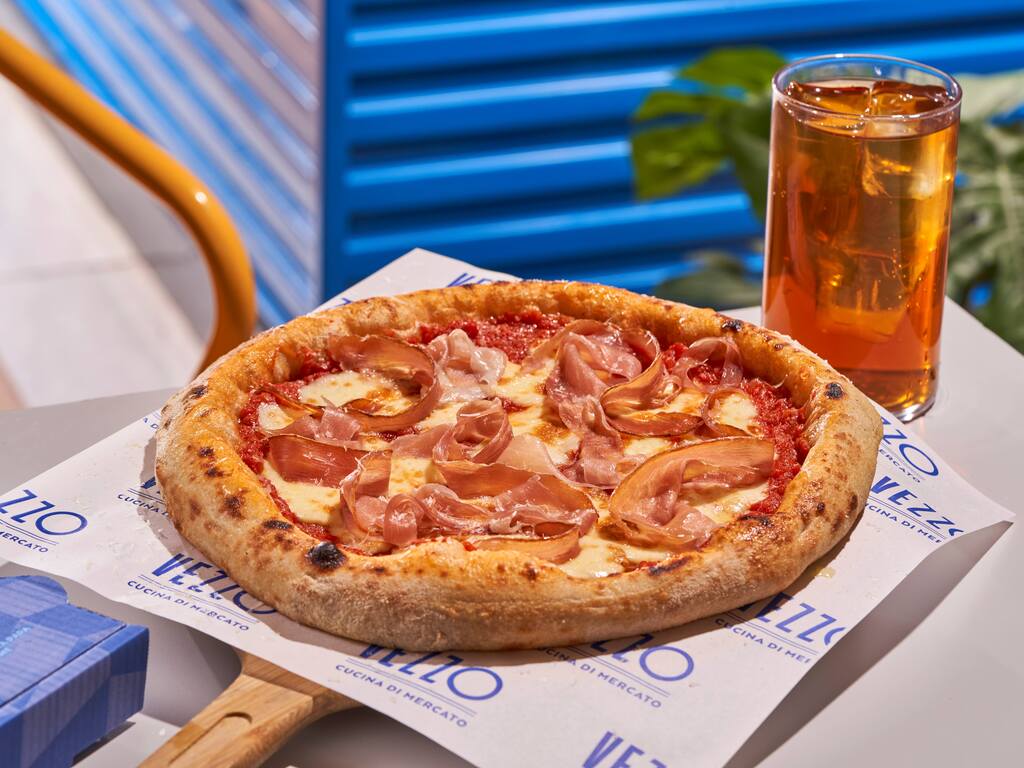
| 8 | Vezzo Plenilunio | Madrid | Neapolitan | Plenilunio; Bigger format, real wood oven, draft beer list. The spot for tables of six. |
What is contemporanea, and why did it land in Madrid?
Contemporanea is the modern evolution of Neapolitan pizza. The dough runs at 70 percent hydration or higher, ferments cold for 24 to 72 hours, and often uses stoneground or native-grain flours instead of straight 00. The bake stays fast and hot, but the cornicione comes out taller and more open, with a softer interior crumb you can actually pull apart.
Madrid took to it for two reasons. The first is the city's restaurant economy. Rents in Malasaña, Chamberí, and Lavapiés were still reachable in 2018, which gave a young pizzaiolo room to open with a fifteen-euro pie list. The second is the audience. Madrid had been on a Neapolitan vacation kick for years, so when the wood ovens arrived, the diners already knew what they were looking at.
The foil to all of this is Telepizza, the Madrid-headquartered chain that still defines what most Spaniards picture when they hear the word pizza. The rooms below are a deliberate answer to that.
For deeper context, Madrid's scene sits alongside Barcelona's, which leans gourmet where Madrid leans honest. See also how Milan's pizzeria culture differs from both.
Pizzeria Fratelli Figurato, Chamberí
The Figurato brothers, Riccardo and Vittorio, opened in 2018 in Chamberí with a wood oven they shipped from Naples. They were AVPN-trained, they kept the menu short, and they refused to play the truffle-and-gold-leaf game that was eating up Neapolitan pizza in other capitals. The dough is the whole point. A 48-hour ferment, soft and elastic, with a leopard-spotted cornicione that tastes faintly of bread.
The room is small. Service is fast. There is a second location now, but the Chamberí original is still the one people argue over, and it is the spot that more or less proved a Naples-rules pizza could pay rent in Madrid.

Pizzeria Fratelli Figurato
€€€€ · 5,392 reviews
Pizza Lovers say: "Authentic Neapolitan pizza with pillowy dough and fresh toppings. The tiramisu della Mamma is excellent. You might have to book and stick to a time slot."
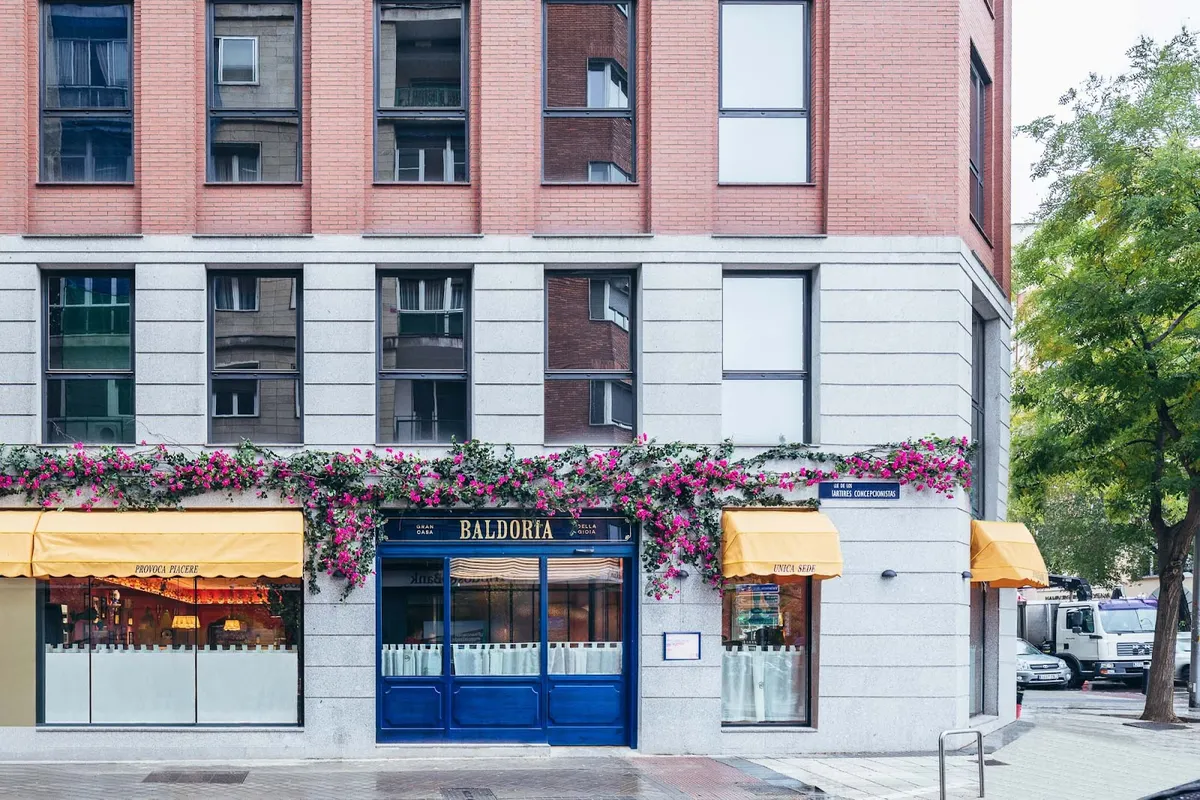
Baldoria, Malasaña
Baldoria is the room with the line. A Tuesday at nine, a Sunday at three, it does not matter. Malasaña foot traffic and a long pie list, much of it contemporanea-style with high hydration and an open crumb, has made it the easiest gateway into the new Madrid scene for a visitor.
The menu rewards a second visit. The classics are clean, the seasonal pies push harder, and the by-the-glass natural wine list is one of the better pizzeria wine programs in the city. Order the simplest red pie on the menu first, then build from there.
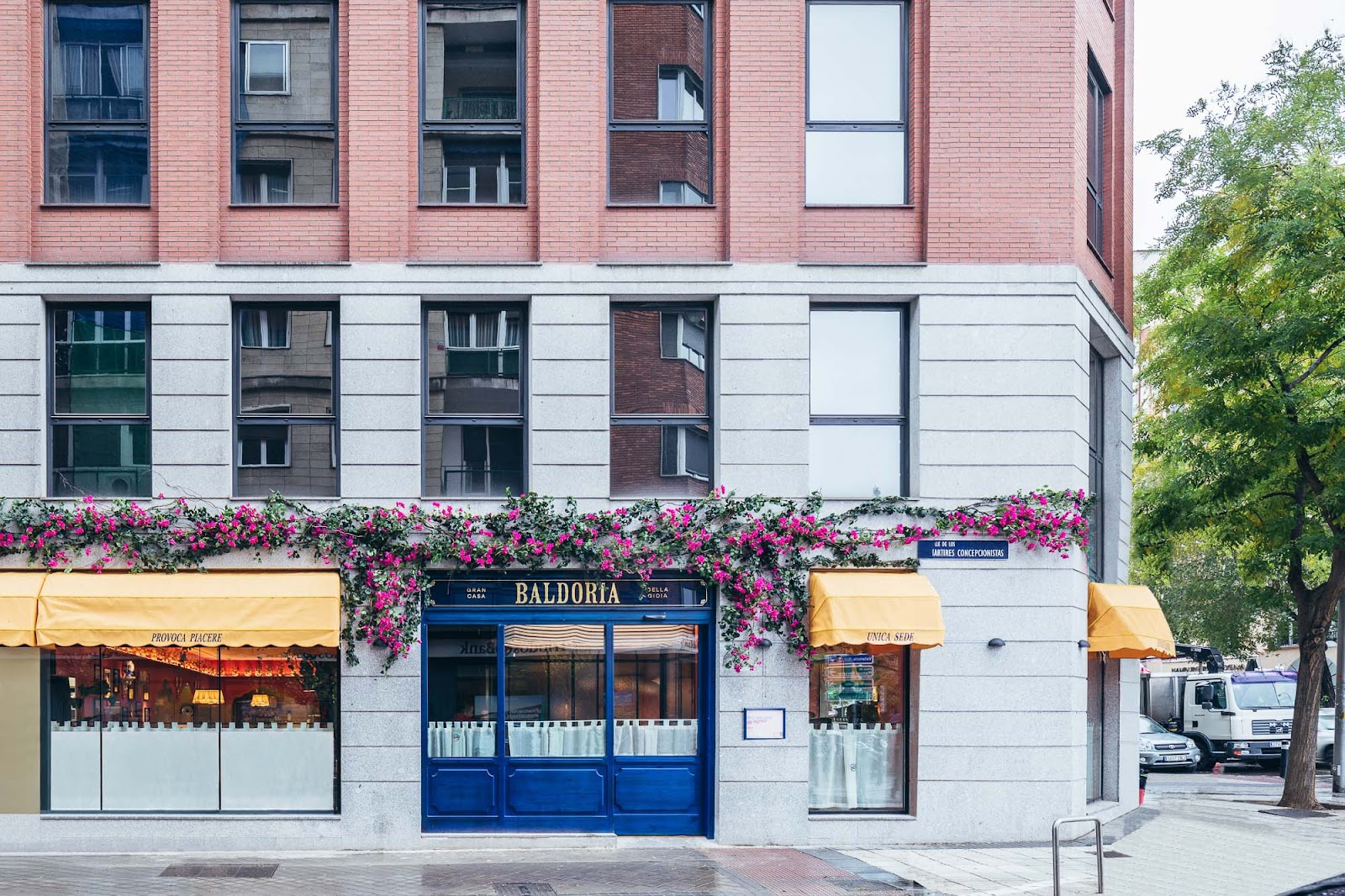
Baldoria
€€€€ · 27,496 reviews
Pizza Lovers say: "Outstanding pizzas like Bufala Fest, perfect dough, and helpful staff. One reviewer found the Dijon mustard on the Peppe Pig pizza disconnected."
NAP Lavapies, Lavapiés
NAP, short for Naples Authentic Pizza, runs a few locations across Madrid, with the Lavapiés room being the most useful for a walk-in. The bake is strict Neapolitan: 90 seconds, a soft floppy center, a cornicione that goes dark in spots. Prices stay honest. A classic Margherita lands well under what most rooms in Centro try to charge for one.
The Lavapiés location is loud and fast, which is the right register for the neighborhood. Go for a casual table, not a long sit.
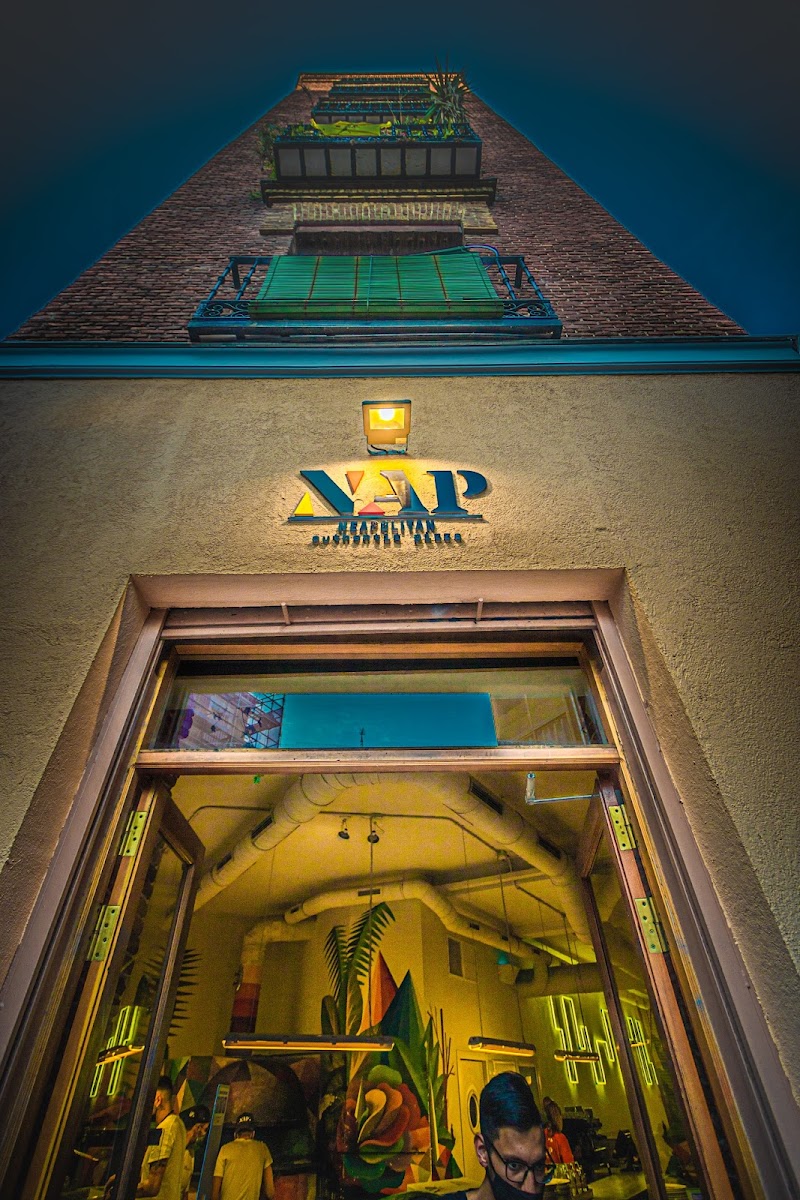
NAP Lavapies
€€€€ · 4,594 reviews
Pizza Lovers say: "Scrumptious vegetarian pizza, fresh ingredients, and a perfect crust. Delivery can be messy, and might be better dinning in."
Reginella
Reginella is the room you take a Neapolitan to when they want to feel at home. A wood oven, a small list of pies built around two or three perfect ones, and a kitchen that does not improvise. There is no contemporanea moonshot here. It is classical Naples, executed cleanly, and it is the safe bet on any night when you do not want to take a risk.
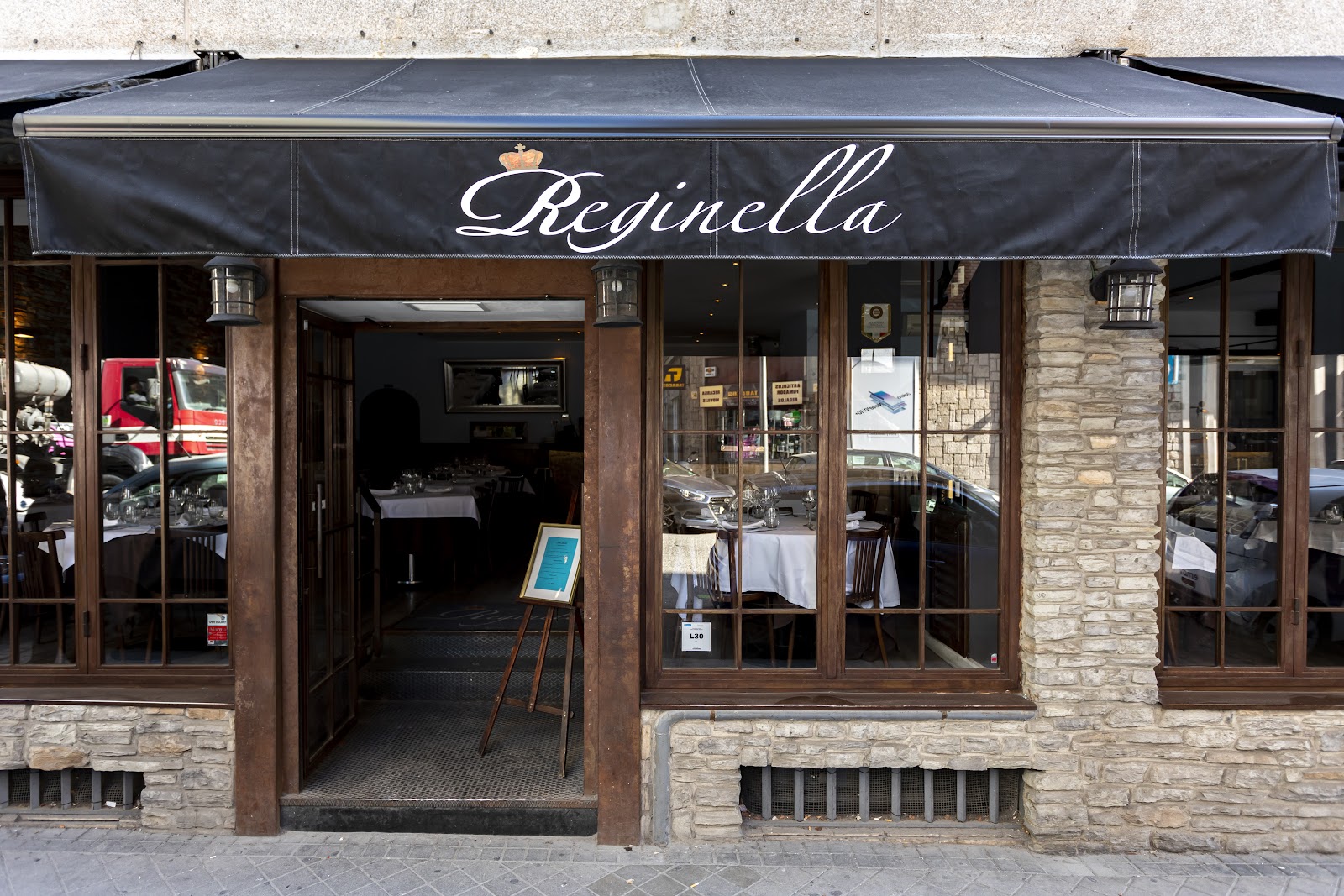
Reginella
€€€€ · 4,109 reviews
Pizza Lovers say: "Amazing Neapolitan pizza and authentic pasta, especially the ravioli with zucca and truffle. Some found the cheese overpowering and starters pricey for what they were."
Vezzo Plenilunio
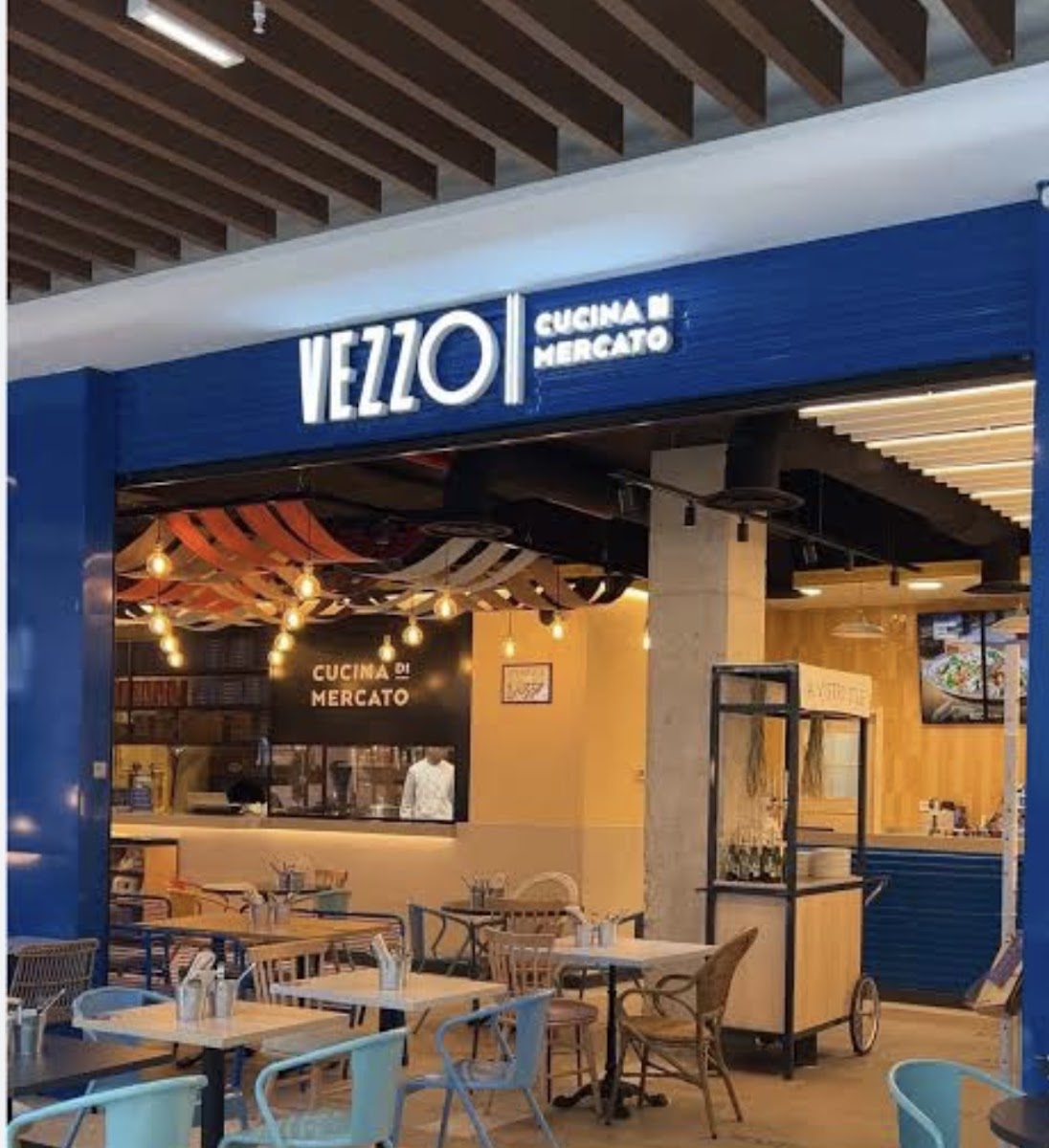
Vezzo at Plenilunio is a bigger-format room, which sounds like a knock and is not. The wood oven is real, the pies run both classic Neapolitan and contemporary, and the draft beer list is unusual for a pizzeria in this city. It is the spot to bring a table of six that does not want to argue about where to eat.
The dining room fills with Spanish families on a Sunday at lunch, which tells you everything about how Madrid has absorbed wood-oven pizza into normal life.
Vezzo Plenilunio
€€€€ · 6,532 reviews
Pizza Lovers say: "Amazing pasta dishes like Fettuccine alla Nerano, delicious pizza, and friendly staff. Prices are reasonable."
Totò e Peppino
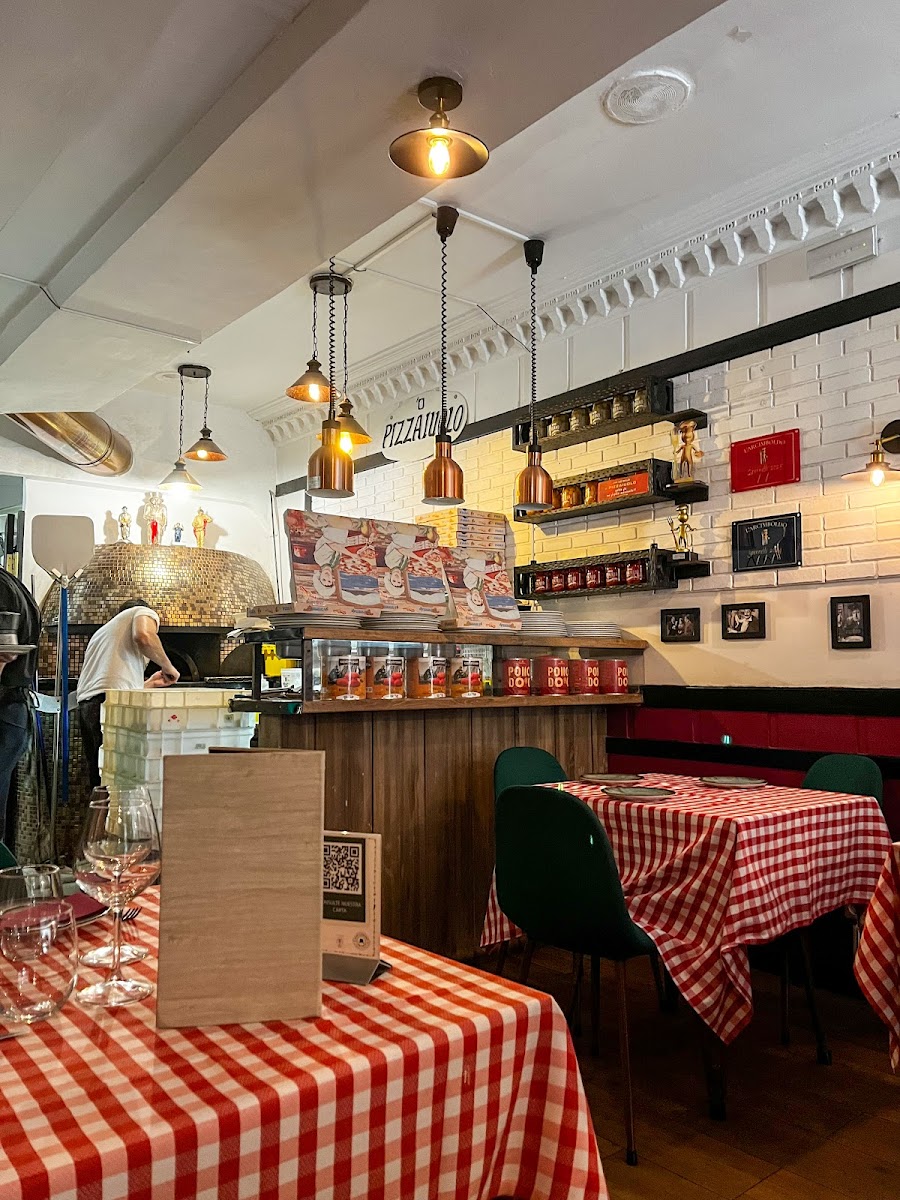
Named for the two great comic actors of Naples, Totò e Peppino plays the same beat. A serious wood oven, a long menu, and a room that takes the food more seriously than it takes itself. The fritti are worth ordering before the pizza arrives, and the Margherita reads as a baseline check on the kitchen, which is the right way to use it.
Totò e Peppino
€€€€ · 3,214 reviews
Pizza Lovers say: "Authentic Italian food, great wood-fired pizza like the Francesca, and friendly service. Steak is pretty bad, and space is tight."
Araldo
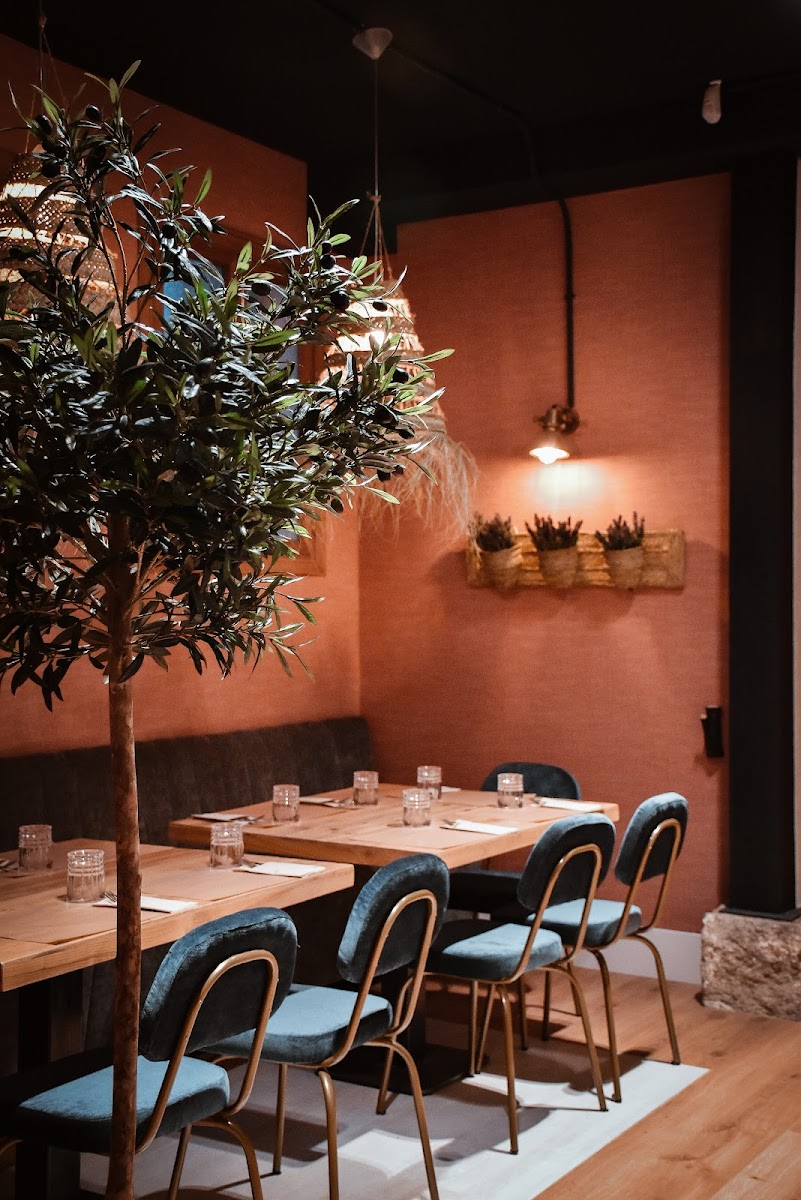
Araldo is the newest wave. Stoneground flours, an open crumb you can hold up to the light, and a short pie list that changes with the seasons. The room is small and modern. The pizzaiolo is on the floor most nights, which is a tell.
This is the spot to send a friend who already loves pizza and wants to taste where the city is going, not where it has been.
Araldo
€€€€ · 2,915 reviews
Pizza Lovers say: "Blistered crust, burrata salad, and tiramisu are highlights. Pizza was watery."
400 Grados Pizza
The name is the oven temperature, in Celsius. The bake is fast, the cornicione blisters, and the menu sticks to classics done correctly. There is no theater. There is a good Margherita, a good marinara, and a Diavola with real heat, served in a room that fills up at lunch.
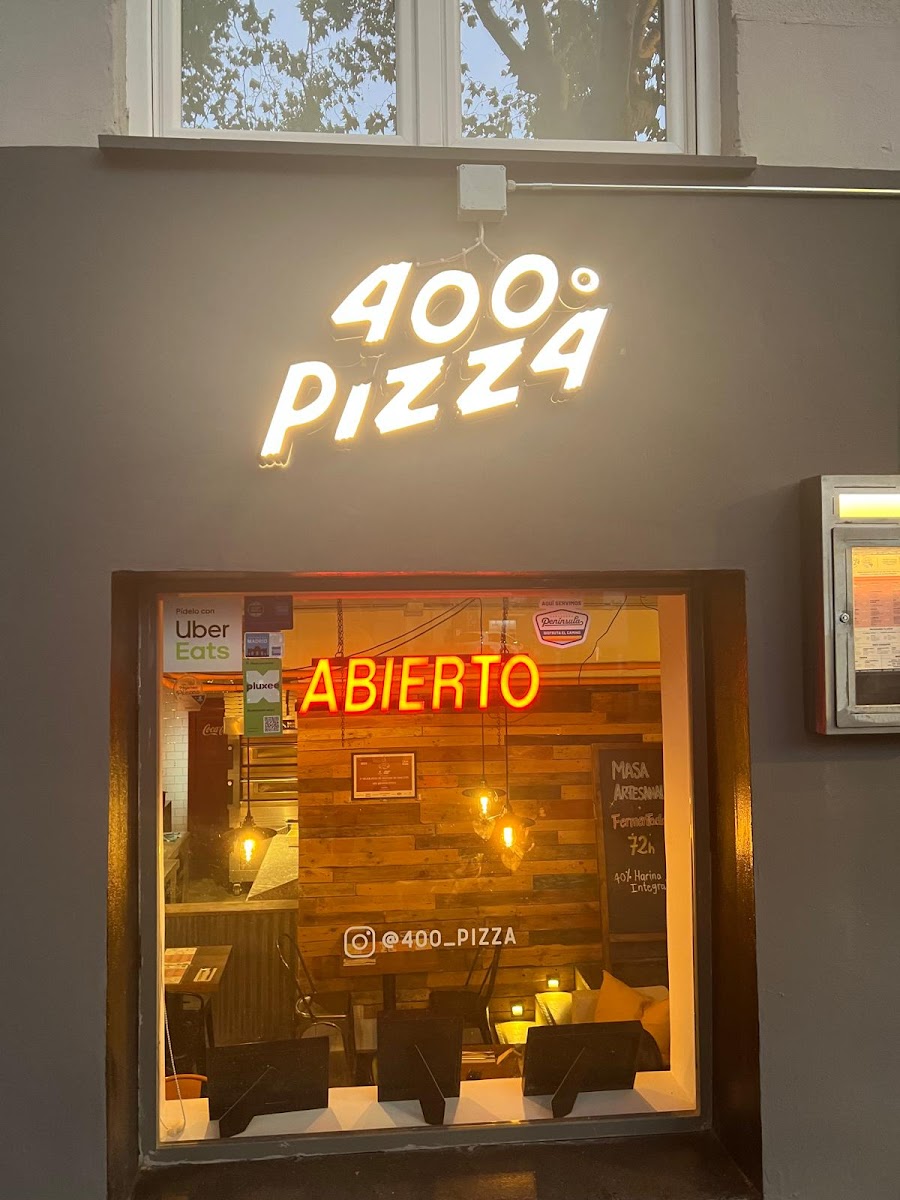
400 Grados Pizza
€€€€ · 2,834 reviews
Pizza Lovers say: "Authentic Neapolitan pizzas with chewy crust and fresh ingredients, especially the Margarita. Great house wine. Some found the menu simple."
Lab84 Delicias
Lab84 puts the lab in the name and means it. Long ferments, Italian flours, and a clean modern dining room in Delicias. The dough is the headline. Order anything light on toppings and the crust does the work.
This is the room for the diner who wants to taste the fermentation, not just the cheese.
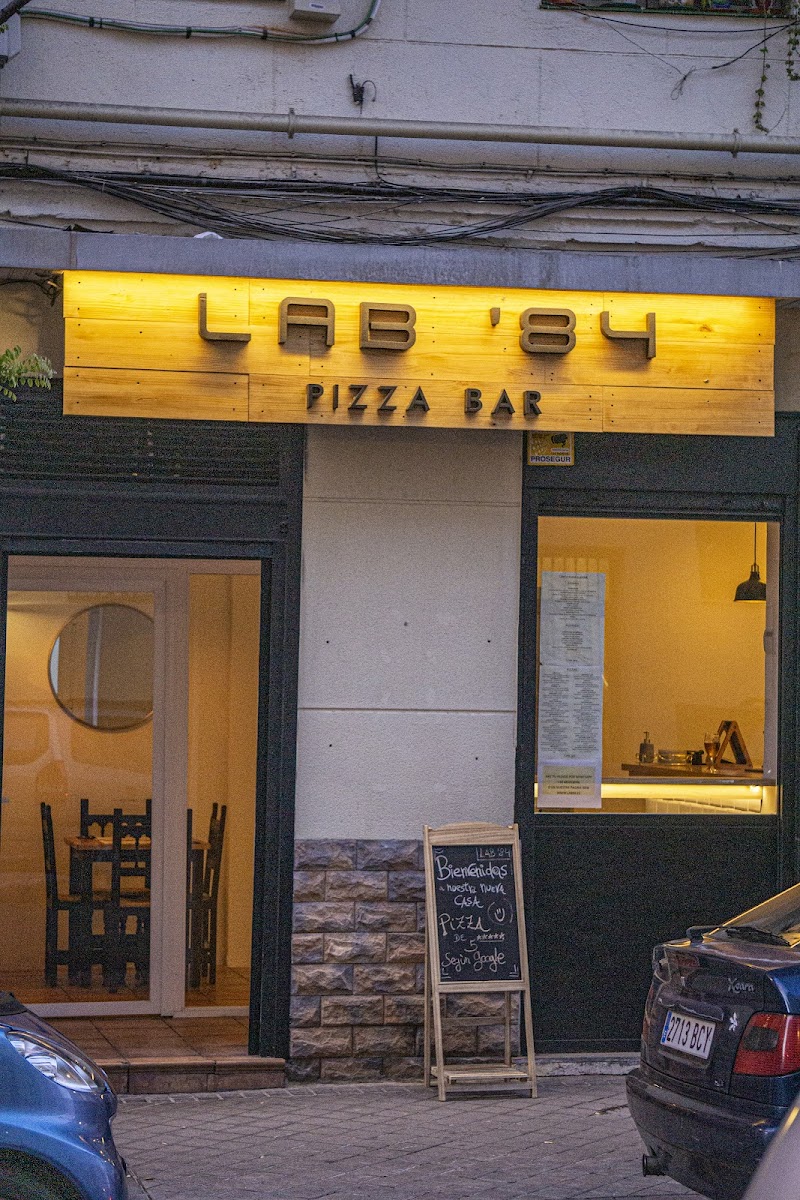
Lab84 delicias
€€€€ · 1,602 reviews
Pizza Lovers say: "Great pizzas with high-quality ingredients, like the 'Margherita' and 'Diavola', and creative options such as 'Mortadella'. Service is generally good, though some find the 'industrial' premises need a refurbish."
Dolce Positano
Dolce Positano is coastal Naples on a plate. A wood oven, generous portions, and a Sunday lunch service that runs three generations of a family at the same table. The pizza is honest Neapolitan, but the room is the draw, and the room turns a meal into an afternoon.
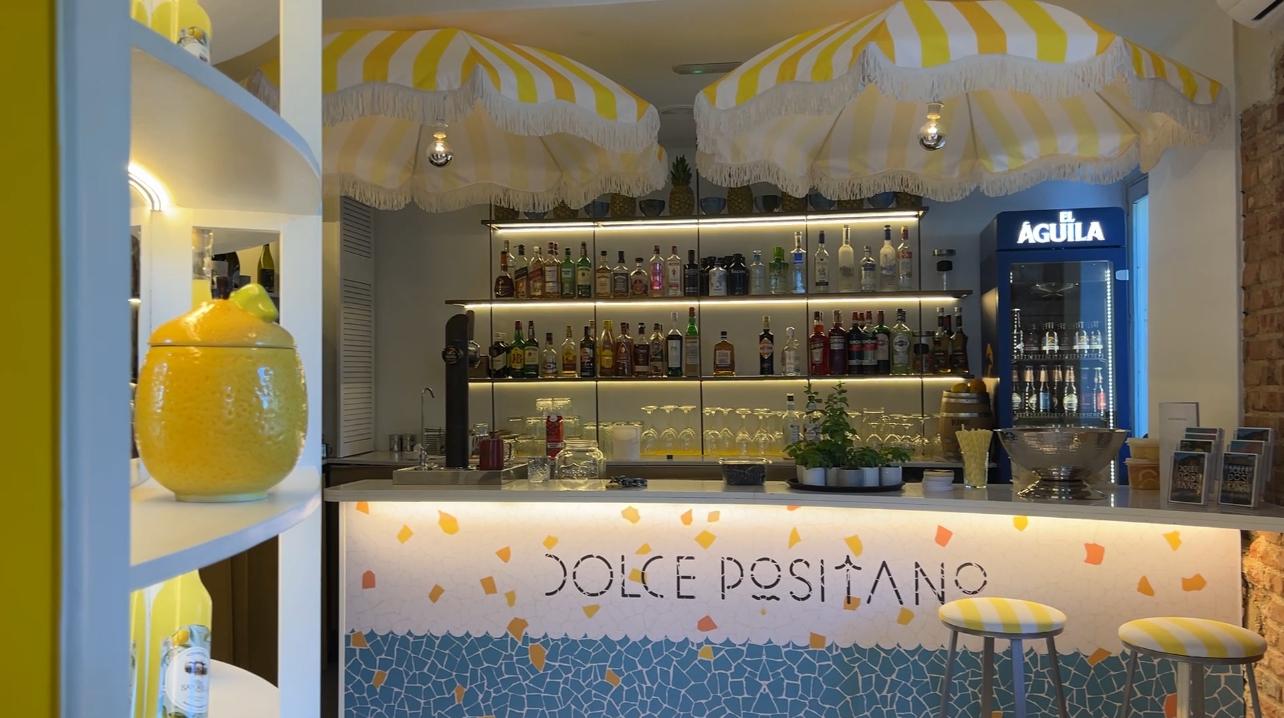
Dolce Positano
€€€€ · 2,677 reviews
Pizza Lovers say: "Authentic Neapolitan pizza with perfect crust and tomato sauce. Service is attentive and professional. Some found it a bit pricey."
Morso
Morso is a small room with a tight menu and a pizzaiolo who thinks about the dough above almost everything else. The pies are not flashy. They are balanced, and the cornicione is the part you remember on the walk home.
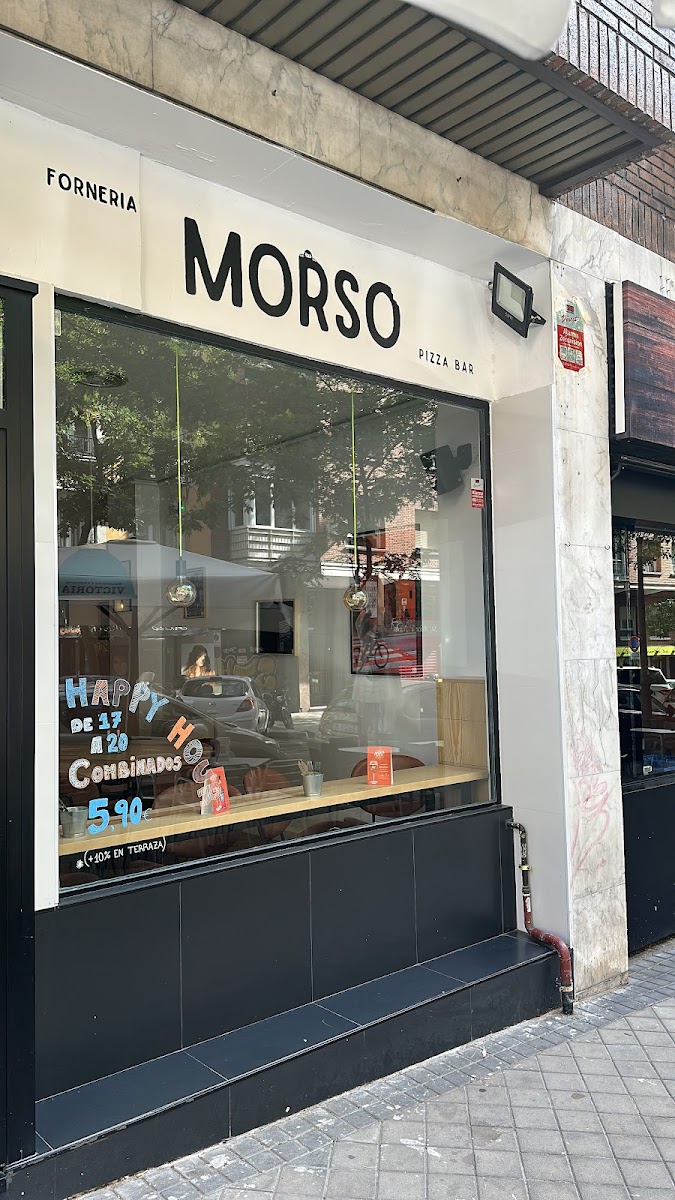
Morso
€€€€ · 1,020 reviews
Pizza Lovers say: "The pizza fritta is amazing, light, and not greasy. The dough is a dream. Service is welcoming, though hours and takeout policy can be confusing."
Noi Due
Noi Due is a neighborhood Neapolitan room run by a Naples-trained team, and it is the kind of place you pin to a map for a return visit. The lunch menu is the value play. The dinner crowd skews local, which is always the right sign in a Madrid pizzeria.
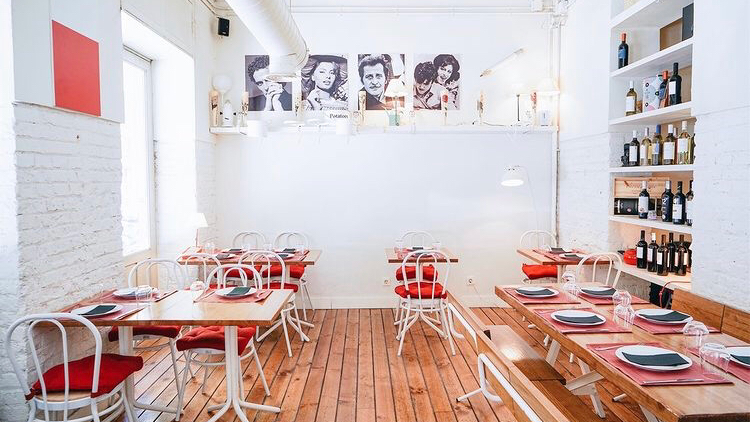
Noi Due
€€€€ · 1,479 reviews
Pizza Lovers say: "Authentic Neapolitan pizzas with a soft, airy crust and generous toppings, delicious Eggplant entrée and baked gnocchi. Service can be fast-paced."
How we ranked this
We ranked by what people who came for the pizza actually thought. Not the length of the line on a Friday at ten, not the star count piled up by diners who docked a place for the wait or the bathroom. The rooms above are the ones a madrileño with strong opinions and an empty stomach would actually pick on a Tuesday.