Discover the best pizza in Switzerland
Pizzerias in Switzerland on the map
Explore the mapFind the best pizza in Switzerland's cities
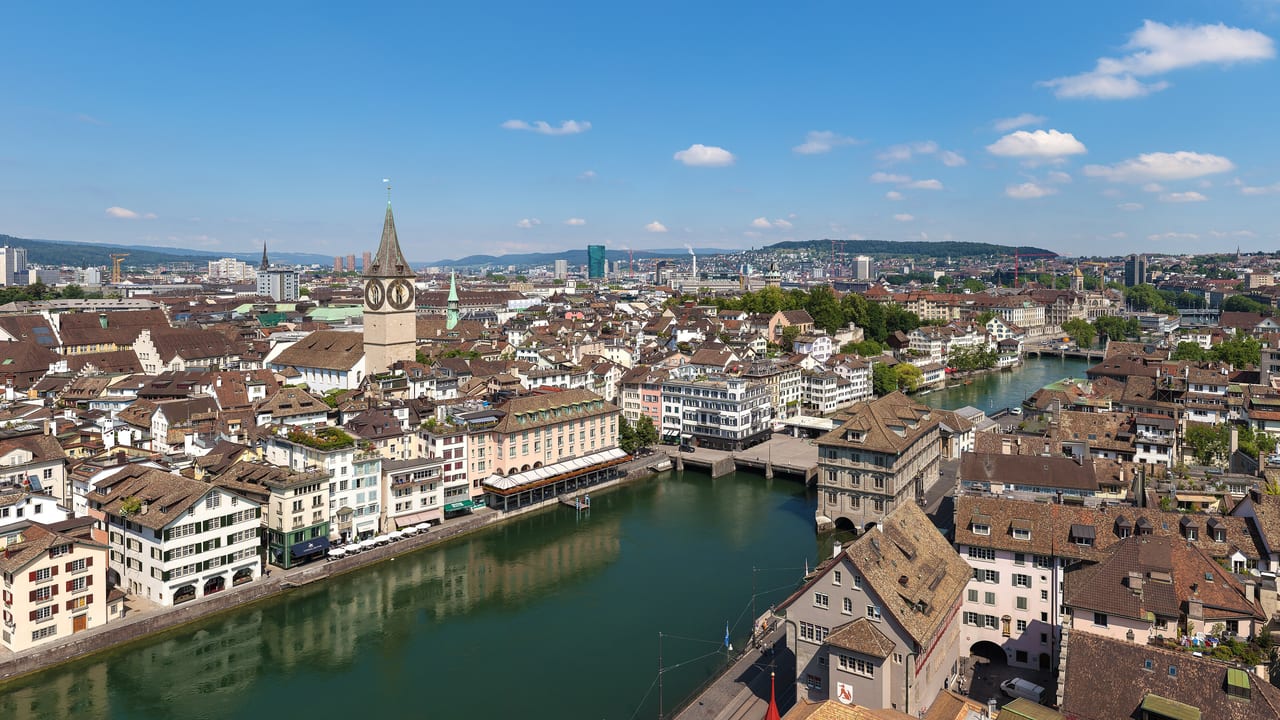
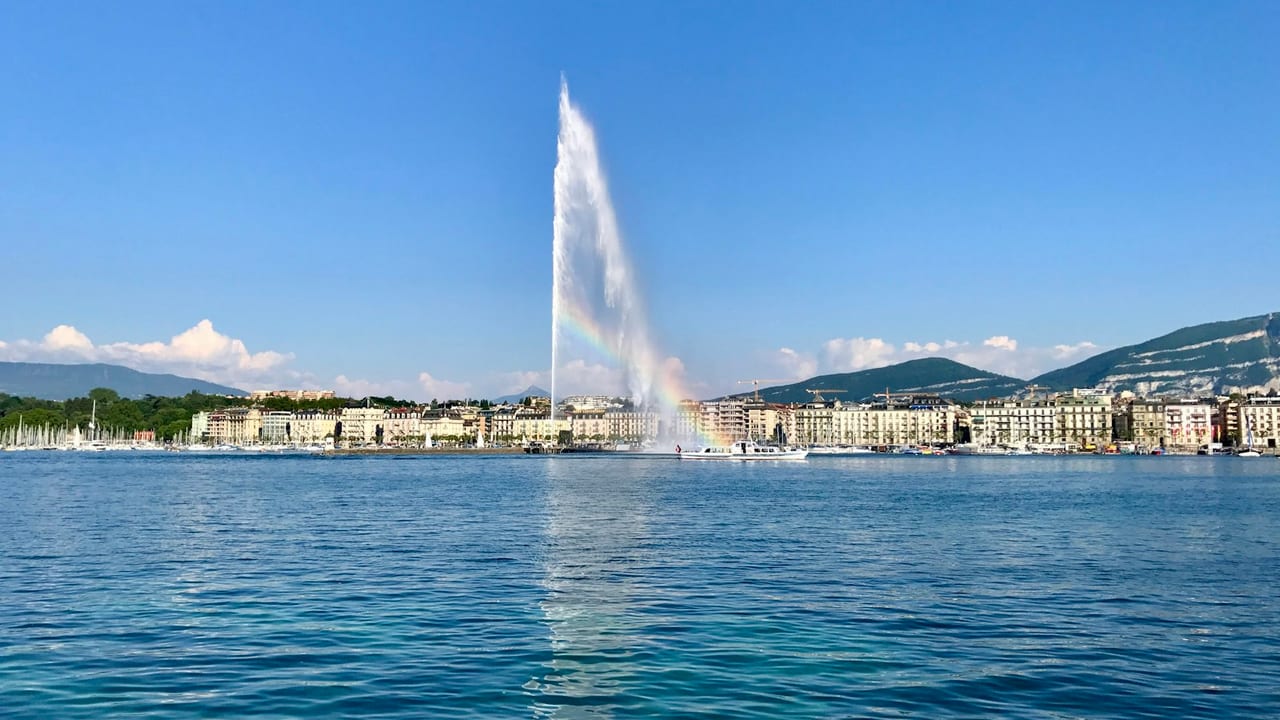
Pizza in Switzerland is two countries' worth of scene stitched together. The Italian-speaking south, anchored by Lugano, treats pizza as a Sunday staple and runs pizzerias indistinguishable from those across the Italian border. North of the Alps, Zurich and Geneva run a higher-priced Italian-export scene where Naples-trained pizzaioli serve a banking and pharma clientele.
The dominant style across our coverage is Neapolitan, with a small number of rooms working in Neapolitan Contemporanea, Pizza Fritta, and al taglio alongside it. The strictness on the Naples template is higher than in most Northern European pizza markets, partly because the Italian diaspora demand pulls quality up.
Zurich leads our coverage on volume, with the highest concentration in the Kreis 4 and Kreis 5 neighborhoods. Geneva sits second, where the Italian community around the Pâquis carries most of the wood-fired rooms, and Lugano anchors the southern scene with a tight cluster of pizzerias around the lake.
The most popular pizzeria in Switzerland by review volume is Luigia Ginevra- Rive Droite. The country's reputation rests on a quiet fact: Switzerland imports more San Marzano tomatoes and 00 flour per capita than its size implies, because the Ticino market and the urban diaspora communities both run on Italian ingredient norms, and the supply chain ladders up from there.
Prices read high. A margherita at a serious pizzeria usually lands between 20 and 28 Swiss francs, with the top Zurich and Geneva rooms charging more inside an evening menu. Reservations are common at the established Zurich and Geneva pizzerias, while Lugano follows the more relaxed Italian walk-in model. The spots ranked here are ranked by what people who came for the pizza actually thought, not by which restaurant the corporate-card crowd took clients to that week.
Pizza in Switzerland: frequently asked questions
Where is the best pizza in Switzerland?
Zurich leads on depth, with the highest concentration of wood-fired Neapolitan rooms in the country. Geneva sits second, and Lugano anchors the Italian-speaking Ticino scene with pizzerias that read closer to a Milanese baseline than to a Northern European one.
What pizza style is most common in Switzerland?
Neapolitan, by a wide margin. Several rooms also work in Neapolitan Contemporanea, Pizza Fritta, and al taglio, especially in Zurich and Geneva where the Italian diaspora supports a broader stylistic range.
Which Swiss city has the most pizzerias?
Zurich, with Kreis 4 and Kreis 5 carrying the densest cluster of wood-fired rooms. Geneva follows on volume, then Lugano.
Is Lugano pizza different from Zurich pizza?
Yes, in feel rather than in technique. Lugano sits in Italian-speaking Ticino, so its pizzerias read as a southern extension of Italian dough culture: Sunday-staple prices and walk-in service. Zurich and Geneva run a higher-priced export version of the same style for an international clientele.
How much does pizza cost in Switzerland?
A margherita at a serious wood-fired pizzeria usually lands between 20 and 28 Swiss francs. The top Zurich and Geneva rooms charge more inside an evening menu; Lugano tends to run a couple of francs cheaper for an equivalent room.
Do Swiss pizzerias take reservations?
At the established Zurich and Geneva pizzerias, yes, especially weekday lunches and weekend dinners. Lugano follows the more relaxed Italian walk-in model.
What is the most famous pizzeria in Switzerland?
By review volume across our coverage it is Luigia Ginevra- Rive Droite. Critic recognition for Swiss pizzerias clusters in Zurich, where several Naples-trained pizzaioli have been profiled in international guides.
Where did pizza start in Switzerland?
In Italian-speaking Ticino, which has shared dough culture with northern Italy since long before national borders mattered. The German- and French-speaking pizza scenes in Zurich, Geneva, and Basel followed the post-1960 Italian migration into industrial Switzerland.
Is there AVPN pizza in Switzerland?
Yes, in small numbers. Zurich and Geneva each carry one or more pizzerias certified by the Associazione Verace Pizza Napoletana, the Naples body that holds rooms to a strict ingredient and technique standard.
Is Swiss pizza expensive?
Yes, by European standards. Swiss restaurant pricing in general runs roughly 20 to 30 percent above the Italian baseline, and pizza follows the same curve: a margherita in Zurich is usually one and a half times the Naples price for an equivalently strict room.