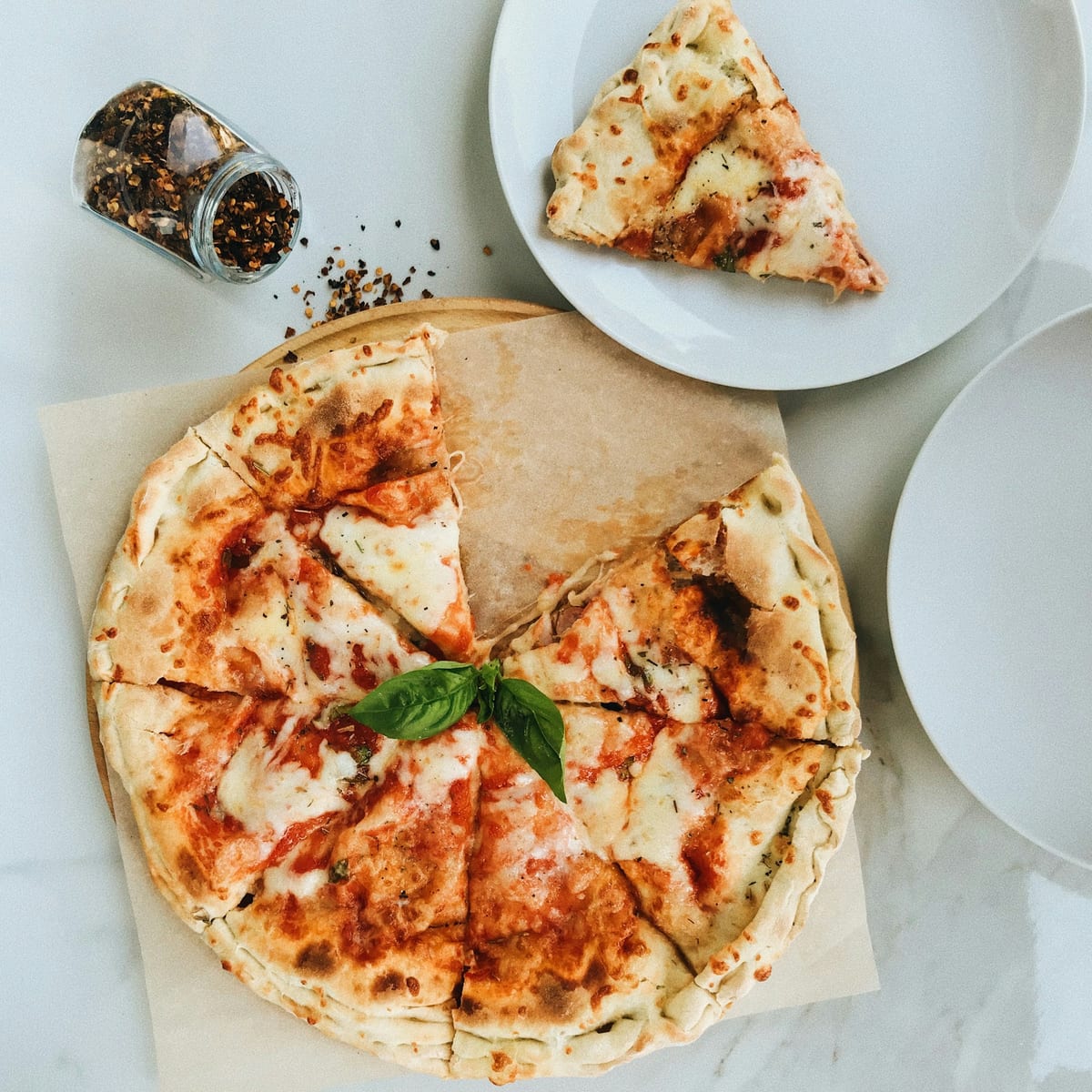
Type pizza napolitana argentina into a map in Buenos Aires and you will not get the pizza of Naples. In Argentina, napolitana is a local invention: a muzzarella base laid with slices of fresh tomato, a heavy hand of garlic, and oregano, usually baked thick in a pan. The name is a tribute to the Neapolitan immigrants who filled the city's kitchens, not a copy of their pizza. That mix-up is the quickest way into Argentine, because almost everything about it began as an Italian idea that Argentina bent into something of its own.
Cheese first, everything else second
The one thing every porteño pizza shares is muzzarella, and a lot of it. Where a Neapolitan Margherita measures fior di latte in careful spoonfuls, a Buenos Aires muzza buries the dough under a slab of cow's-milk cheese thick enough to need a fork and knife. Between 1870 and 1960 roughly two million Italians settled in Argentina, most of them Genoese and Neapolitan, and they landed in a country with an enormous cattle-dairy industry. Cheap, abundant cheese went on everything, and the restraint of Naples never made the crossing.
Media masa, al molde, a la piedra
Argentine pizza splits mostly by the crust. Al molde is the tall one, baked in an oiled round pan so the base fries crisp while the inside stays soft and bready. Media masa ("half dough") is the everyday middle: not as tall as full al molde, still soft, still generous with the cheese. A la piedra is the thin, crackly one, stretched low and baked on the oven floor. None of them is the leopard-charred disc from a wood oven at 485C. Argentine ovens run cooler and slower and the dough carries far more yeast, which is why the crust reads closer to focaccia or Detroit-style than to Naples.
Fugazza, fugazzeta, and the onion
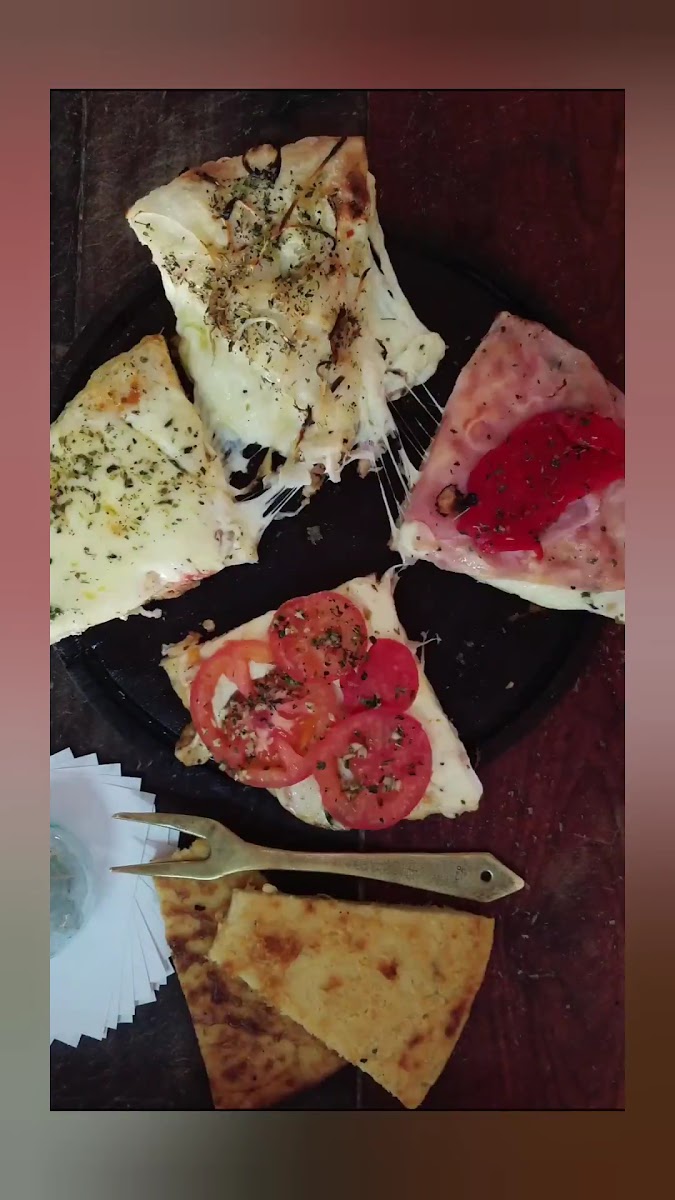
The most Argentine pizza of all has no tomato at all. Fugazza descends from the Genoese fugassa (focaccia): a thick dough under a mound of sweet onions, olive oil, and oregano. Its richer cousin, fugazzeta rellena, seals a layer of muzzarella between two rounds of dough and then piles the onions on top. As the story goes, the stuffed version started with the Banchero family, who opened on Avenida Almirante Brown in La Boca in 1932.
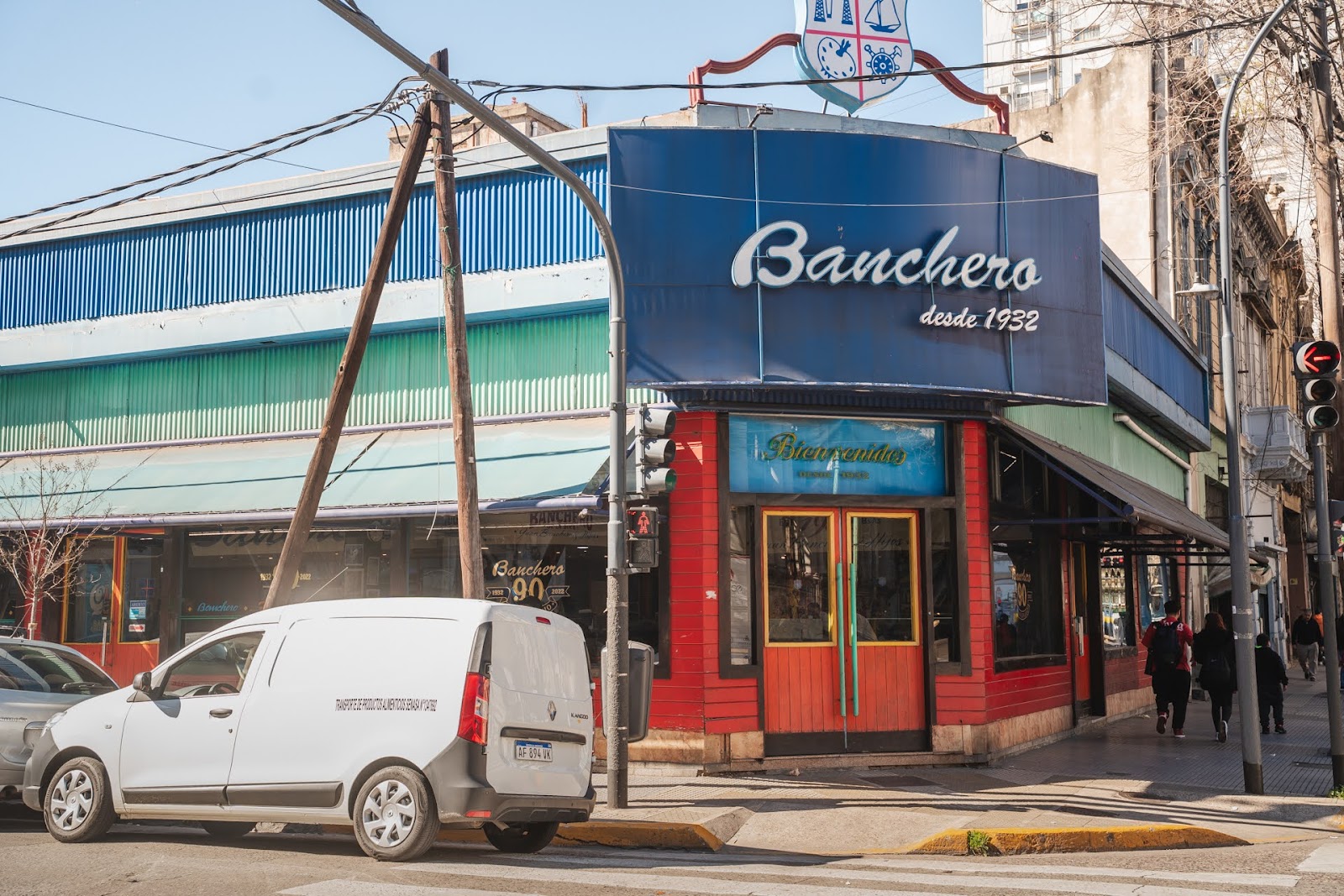
Banchero
€€€€ · 1,282 reviews
Pizza Lovers say: "The fugazzeta is a must-try. Empanadas are also good. Service can be slow."
The fugazzeta most porteños argue about comes from a corner counter in Villa Ortúzar. La Mezzetta serves its fugazzeta rellena as a wall of onion and molten cheese, eaten standing at the bar with a glass of moscato.
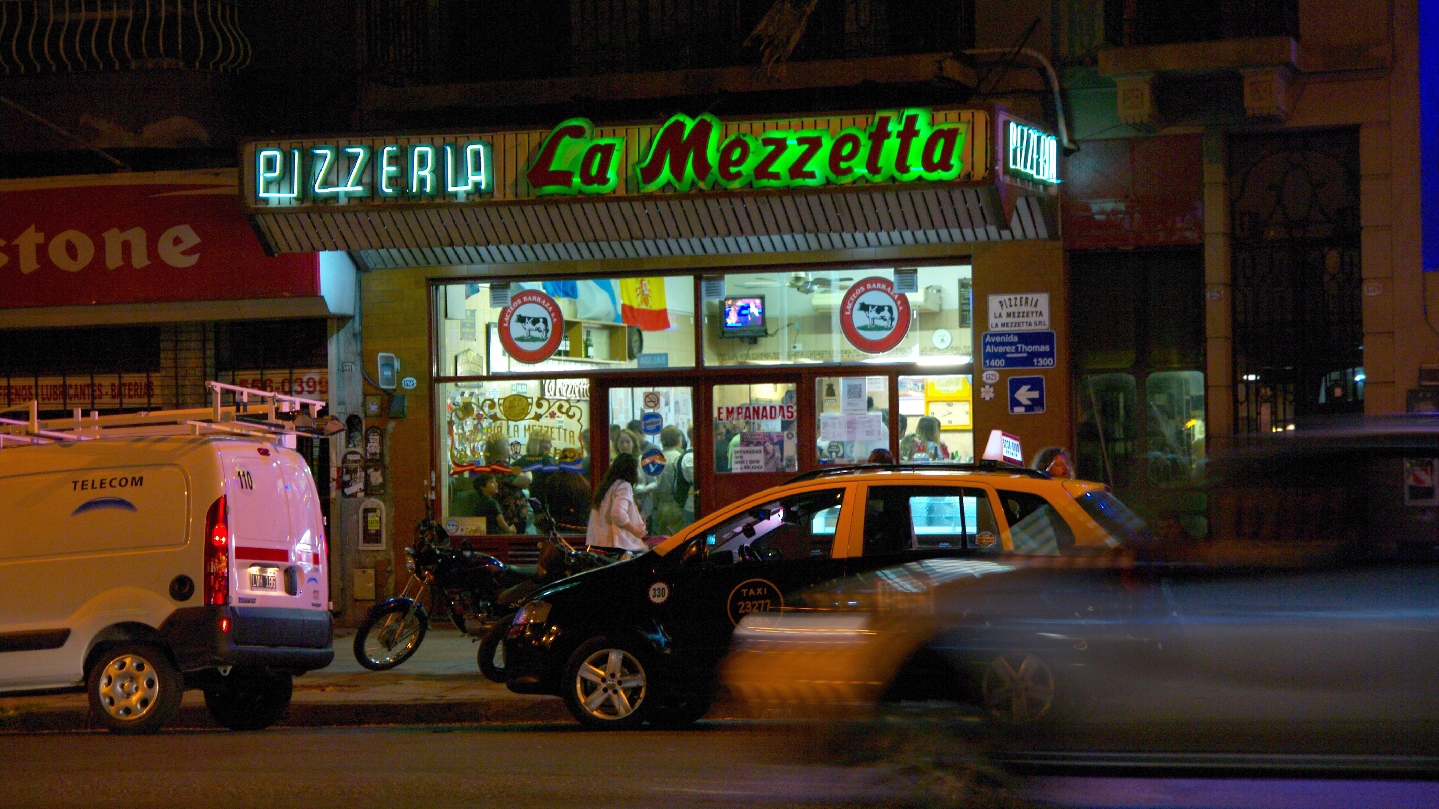
La Mezzetta
€€€€ · 561 reviews
Pizza Lovers say: "Huge, filling Argentinian pizzas, especially the mozzarella, ham and peppers. Some find it cold and burned."
Fainá, and the glass of moscato
No slice of muzza is complete without fainá, a thin, dense flatbread of chickpea flour that came over with the same Ligurian immigrants who brought the fugassa (it descends from Genoese farinata). You eat it a caballo, "on horseback," a wedge of fainá laid straight on top of a hot slice so the nutty chickpea balances the richness of the cheese. The full downtown order is a slice of muzza, a slice of fainá, and a glass of sweet moscato, taken at the counter and eaten upright.
The Corrientes classics
The old guard lives on Avenida Corrientes, the theater street that doubles as the city's pizza corridor. Güerrín has been cutting media masa by the slice at number 1368 since 1932, a counter three deep and a line out the door most nights.
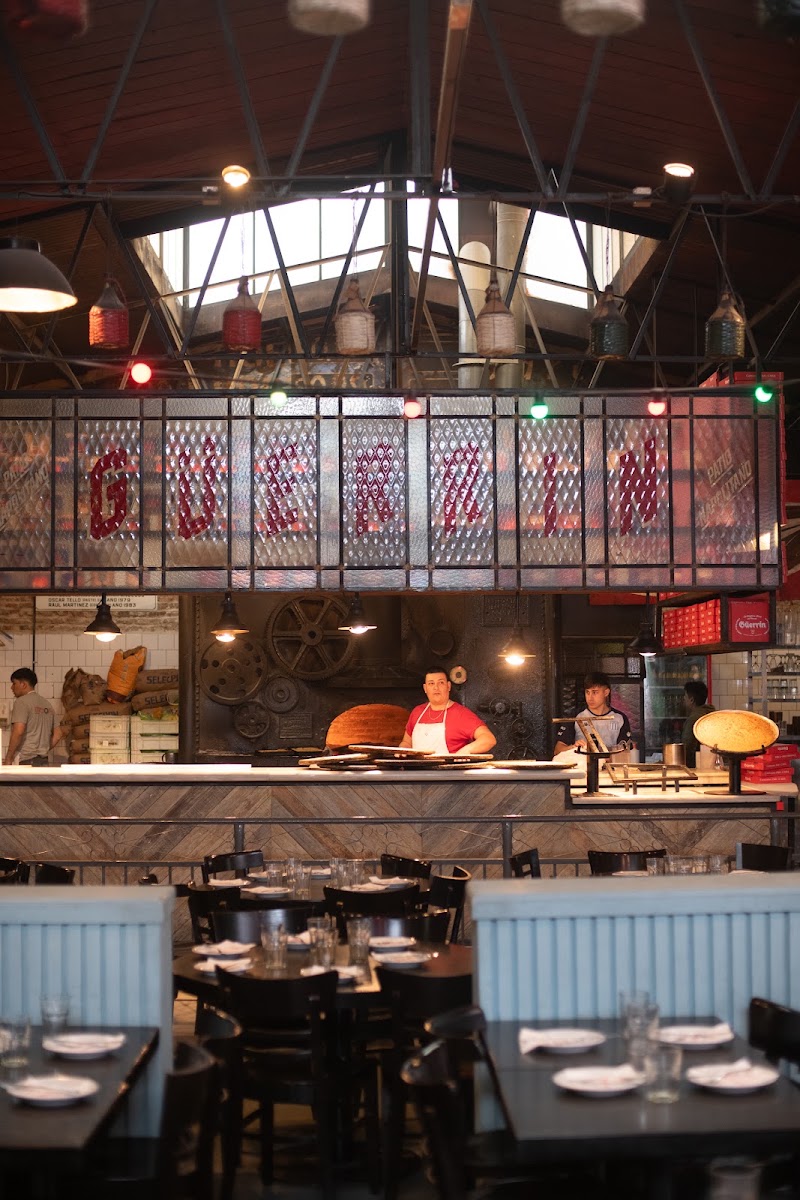
Güerrín
€€€€ · 9,684 reviews
Pizza Lovers say: "Bustling ambiance & true pizzeria feel. Can be fast-paced."
A few blocks down at 838, Las Cuartetas keeps the same al molde tradition going.
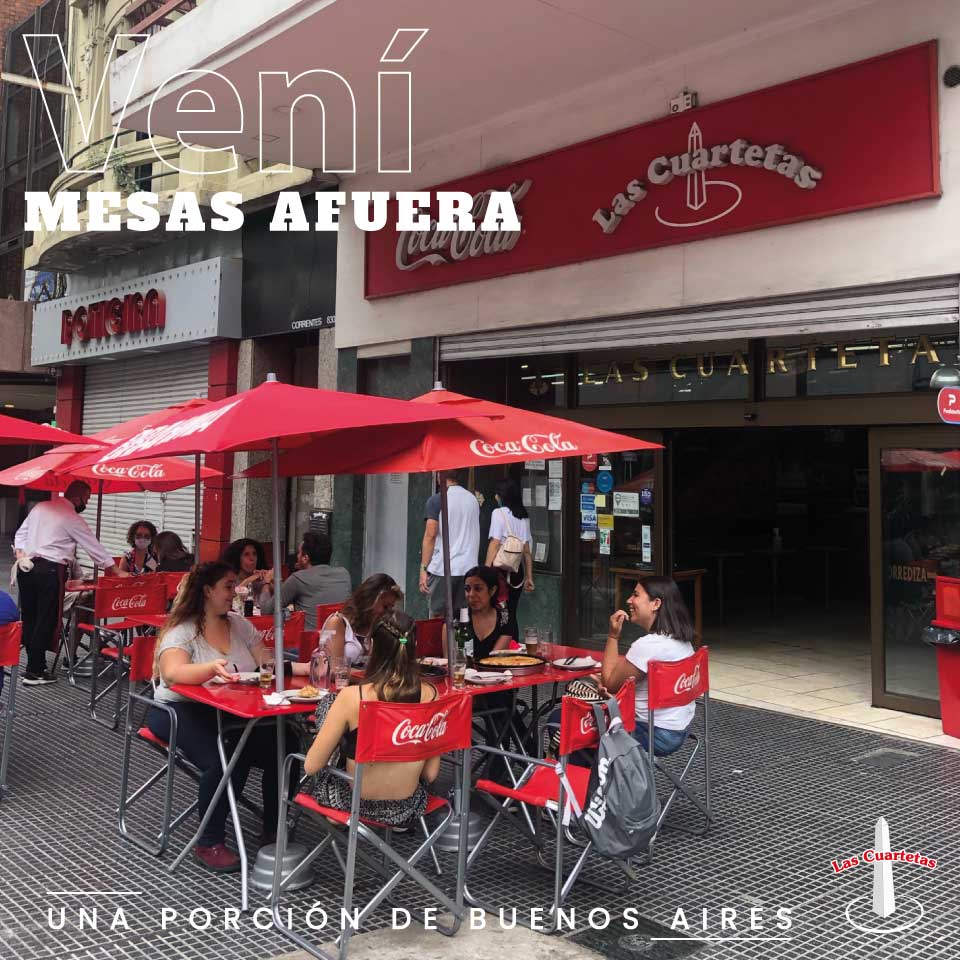
Las Cuartetas
€€€€ · 1,855 reviews
Pizza Lovers say: "Delicious pizza with great dough. However, they only accept cash in local currency, which is inconvenient."
Around the corner on Talcahuano, El Cuartito has papered its walls with boxing and football since 1934 and still cuts one of the city's benchmark muzza slices.
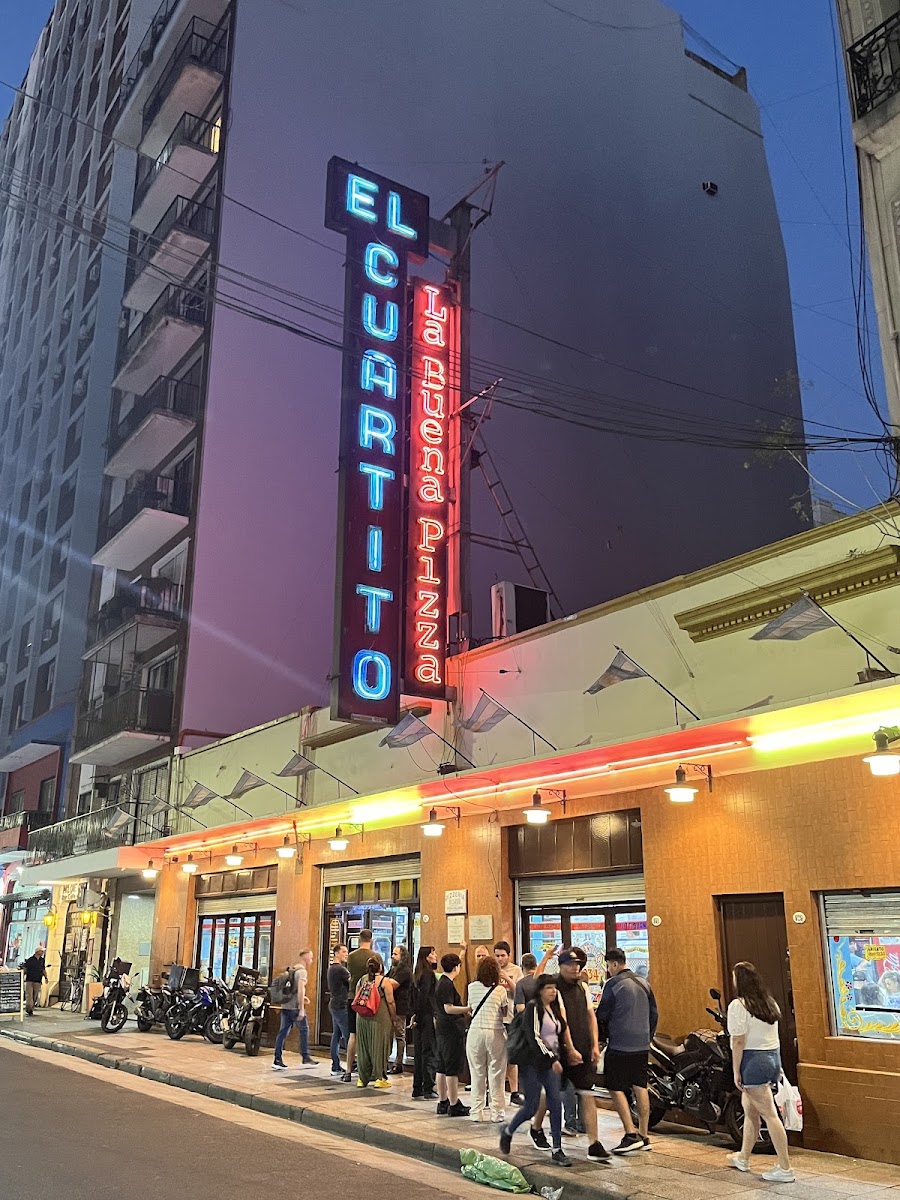
El Cuartito
€€€€ · 4,744 reviews
Pizza Lovers say: "The cheese fugazetta is amazing and the atmosphere is very cool. Some found the pizza slices cold and the prices not super cheap."
The stadium pizza
Before cheese took over there was pizza canchera, named for the football canchas (stadiums) where vendors sold it cold: a thick al molde base with a garlicky, oregano-heavy tomato sauce and no cheese at all. Angelín, on Avenida Córdoba, is one of the spots that keeps the canchera going.
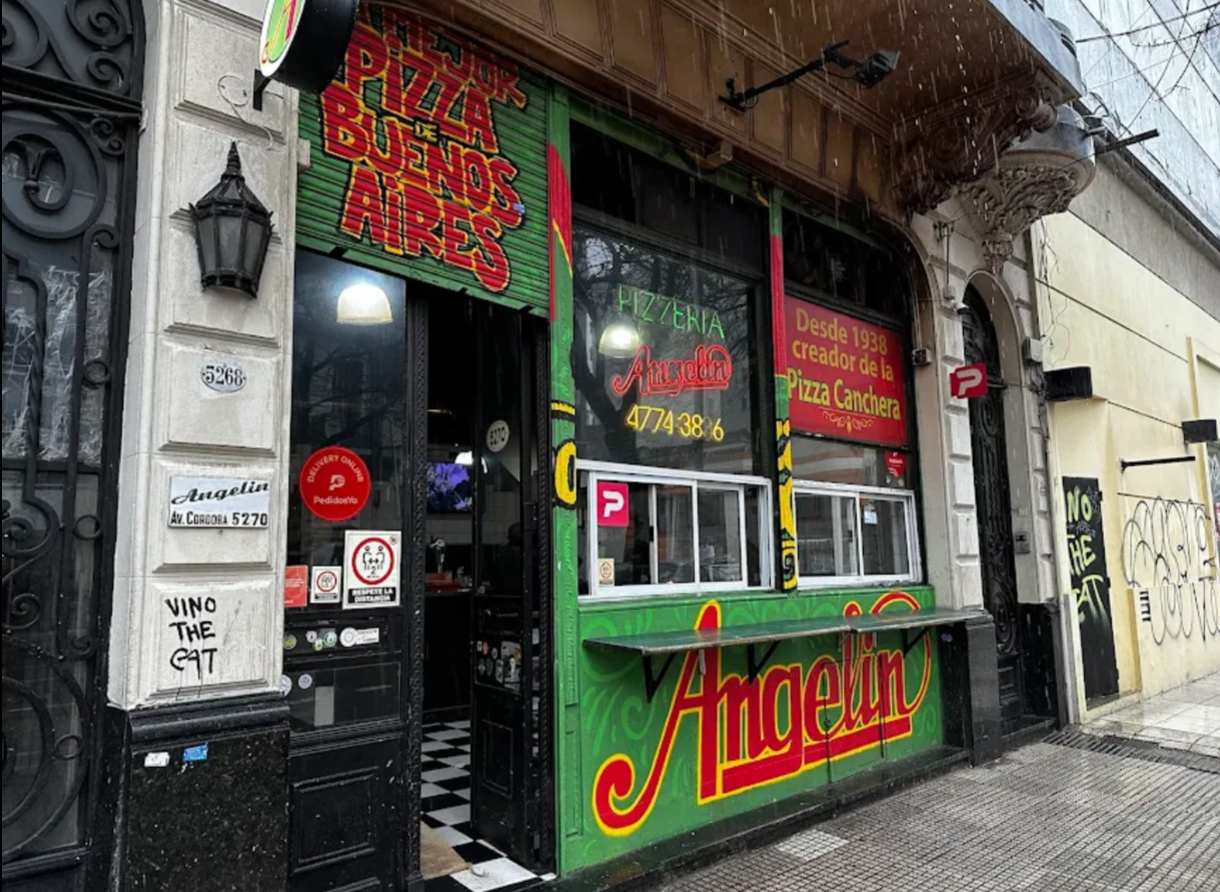
Beyond Buenos Aires
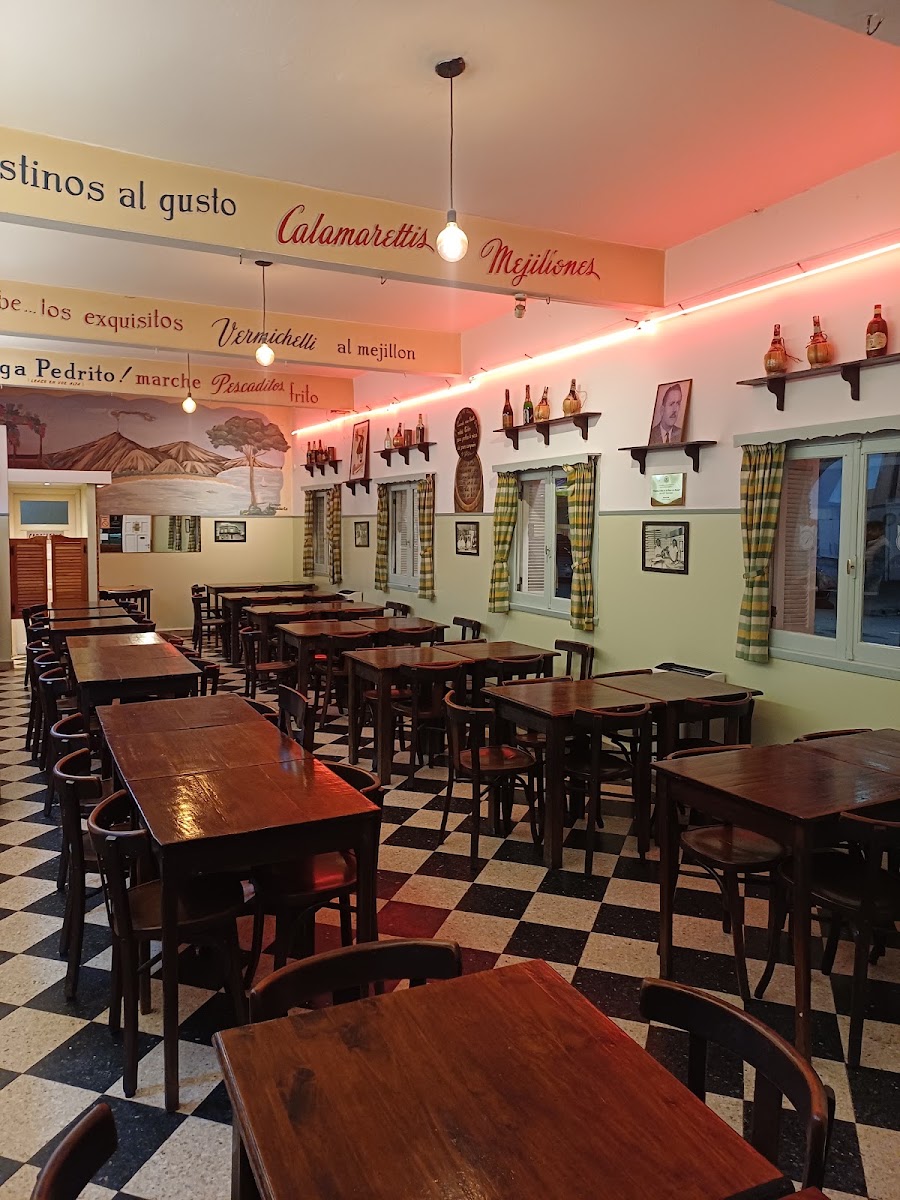
The style travels. In Mar del Plata, Pizzería Pedrito has baked thin a la piedra pizzas in a wood oven since the 1950s.
Pizzeria Pedrito
€€€€
Pizza Lovers say: "Generations love the fantastic, classic pizza that is served fast. It fills up quickly and can be expensive."
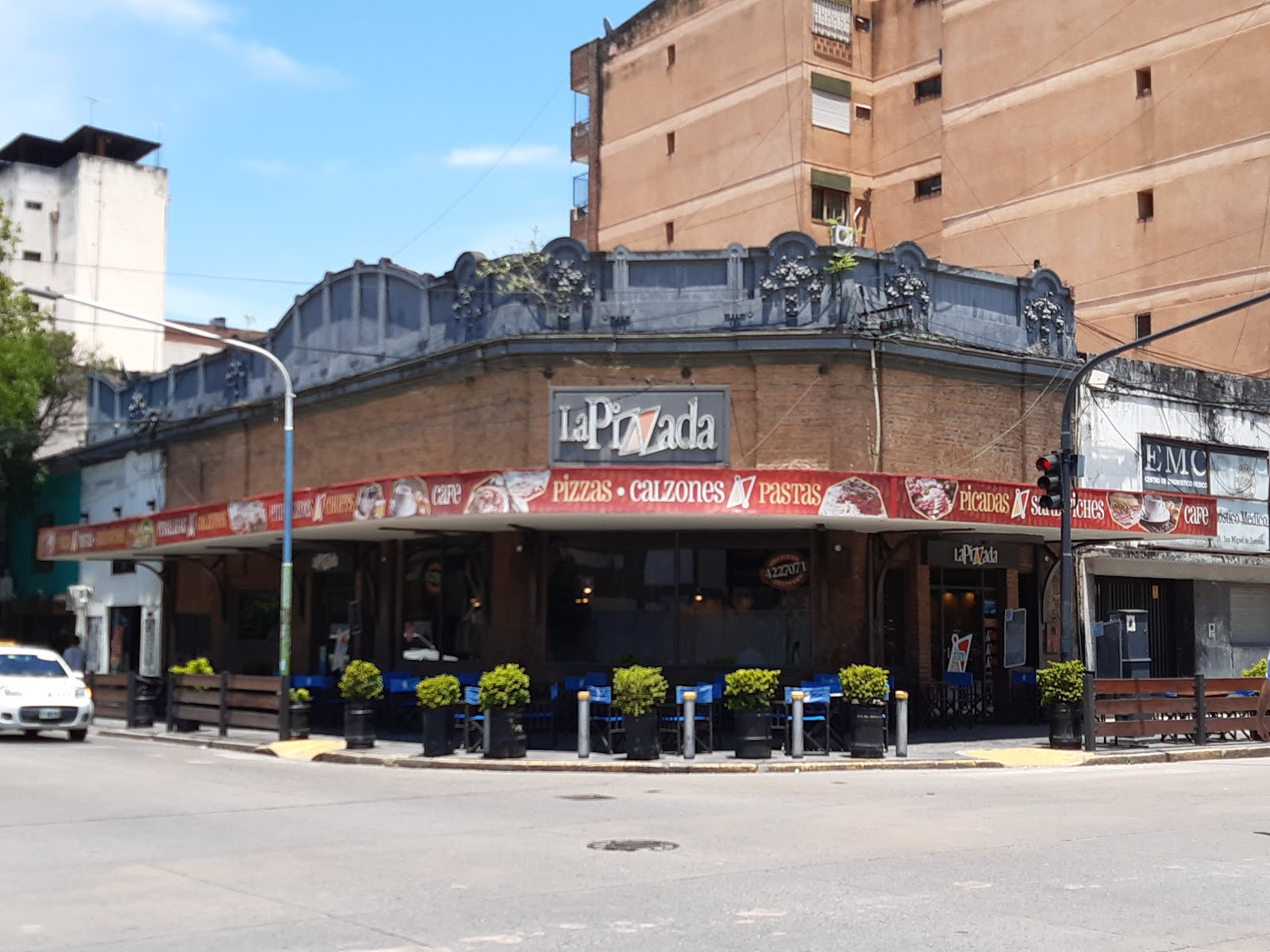
In the northwest, La Pizzada works a horno de barro (clay oven) in San Miguel de Tucumán's Barrio Norte from morning until well past midnight.
La Pizzada
€€€€
Pizza Lovers say: "Wait staff served guests in less than a minute. Pizzas took about 25 minutes to arrive, though past reports warned of bad service and long waits."
Argentine pizza is not trying to be Naples, and it never was. It is a cheese-first, onion-loving, chickpea-topped style with a century of its own history, and it is worth ordering on its own terms. The full Argentine list keeps growing across Buenos Aires, Rosario, Córdoba, Mendoza and beyond.