
Discover the best pizza in Buenos Aires
Pizzerias in Buenos Aires on the map
Explore the mapThe Best Pizzerias in Buenos Aires
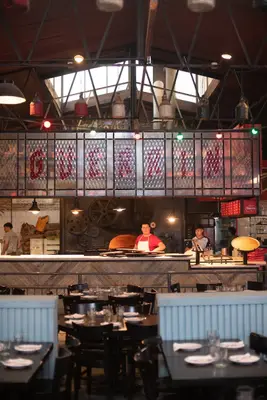
Güerrín
Buenos Aires, Argentina
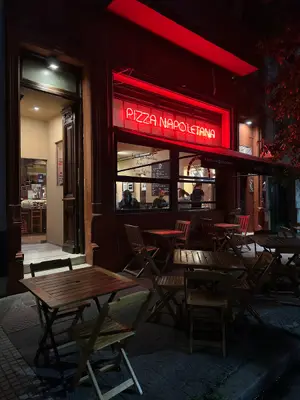
Siamo Nel Forno
Buenos Aires, Argentina
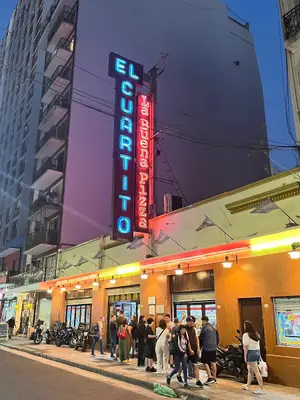
El Cuartito
Buenos Aires, Argentina
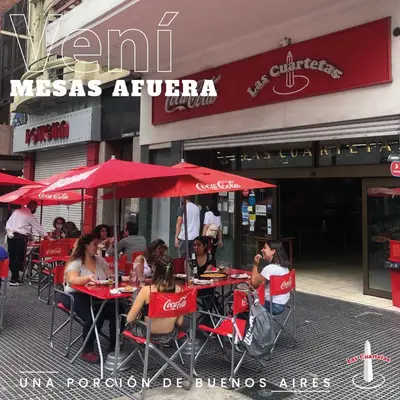
Las Cuartetas
Buenos Aires, Argentina
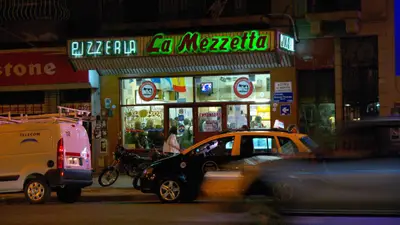
La Mezzetta
Buenos Aires, Argentina
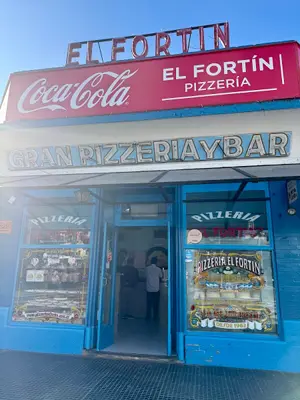
Pizzería El Fortín
Buenos Aires, Argentina
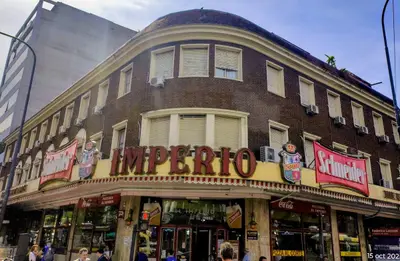
El Imperio de la Pizza
Buenos Aires, Argentina
Cheapest Pizzerias in Buenos Aires
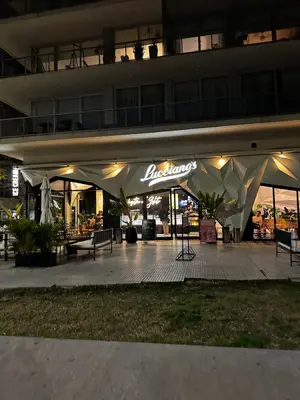
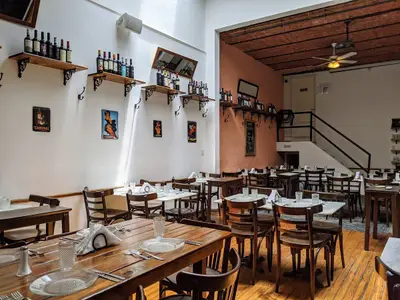
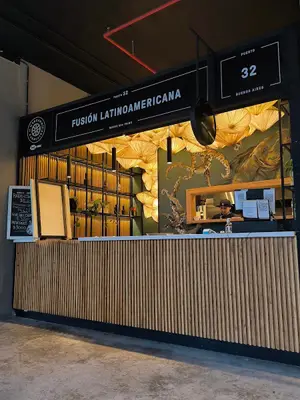
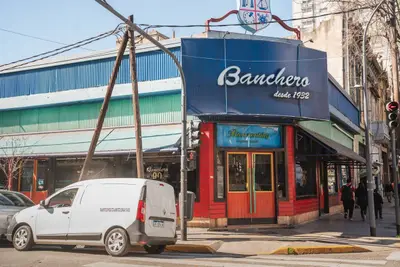
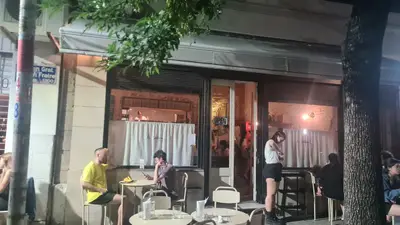
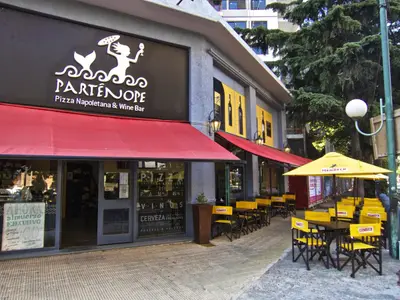
Buenos Aires got its pizza from Genovese immigrants who settled around the old port in La Boca in the late 1800s, and the dish they built looks almost nothing like Naples. Argentina's capital took Neapolitan pizza and Genovese focaccia and fused them into something entirely its own.
The base style is media masa, a thick, spongy, double-fermented dough with far more crumb than a Neapolitan crust. From it came two local classics: fugazza, sauce-free and topped with a single thick layer of onion and cheese, and fugazzeta, cheese stuffed between two discs of dough with onion piled on top, first associated with a pizzeria in La Boca in the early 20th century.
Locals eat it standing up as often as sitting down, comer parado, a slice of muzzarella pizza next to a wedge of fainá, the chickpea flatbread that is a Buenos Aires ritual with no real Italian equivalent.
The classic pizza corridor runs along Avenida Corrientes near San Nicolás, still lined with the pan-style rooms that built the city's reputation. La Boca carries the origin story, while Palermo Hollywood and Villa Crespo host the newer wave of wood-fired Neapolitan pizzerias.
The classic pan-style addresses generally do not take reservations, walk in and expect to stand at the counter or wait for a table on a busy night.
The 14 Buenos Aires pizzerias on our map are ranked by what people who came for the pizza actually thought, not by how many decades a sign has been on the wall.
FAQs about Buenos Aires
Where is the best pizza in Buenos Aires?
Güerrín tops our Buenos Aires list, though the city's classic pan-style pizzerias along Avenida Corrientes are judged on a completely different scale than the newer Neapolitan wave.
What pizza style is Buenos Aires known for?
Media masa, a thick, spongy, double-fermented dough that is the base for the city's two signature dishes, fugazza (sauce-free, onion and cheese) and fugazzeta (cheese stuffed between two discs of dough).
What is the difference between fugazza and fugazzeta?
Fugazza is a single disc of dough topped with onion and cheese and no tomato sauce. Fugazzeta stuffs the cheese between two discs of dough with onion piled on top, making it thicker and richer.
Where is the best pizza neighborhood in Buenos Aires?
Avenida Corrientes, near San Nicolás, is the classic pizza corridor and still home to the city's oldest pan-style rooms. La Boca carries the origin story, and Palermo Hollywood and Villa Crespo host the newer Neapolitan wave.
Do I need to book a pizzeria in Buenos Aires?
The classic pan-style addresses generally do not take reservations. Walk in, expect to stand at the counter for a slice, or wait for a table on a busy night.
What is fainá and why is it eaten with pizza?
Fainá is a baked chickpea flatbread, thin and dense, ordered as a slice alongside pizza rather than on its own. Pairing the two is a Buenos Aires custom with no real equivalent back in Italy.
Is Buenos Aires pizza like Neapolitan pizza?
Not really. The city's signature media masa dough is thicker and spongier than Neapolitan crust, and dishes like fugazza and fugazzeta do not have a direct Neapolitan equivalent. A newer wave of Neapolitan wood-fired pizzerias exists alongside the classic style for anyone after the thinner crust.
What does comer parado mean?
Comer parado means eating standing up, ordering a slice at the counter rather than sitting for a full meal. It is a real, common way Buenos Aires locals eat pizza, especially at lunch.