Pizza Margherita is the pizza everyone names without thinking, and Naples has had a plaque for it since 1989. The line on it reads, Here, 100 years ago, the Margherita pizza was born. Walk into Pizzeria Brandi today and that plaque is on the wall. So is the framed thank-you note. So is the story, told to every visitor, that on June 11, 1889, a pizzaiolo named Raffaele Esposito baked three pizzas for the visiting queen, and she liked the red, white, and green one so much that he named it after her. It is a beautiful story. It also has a hole in it.
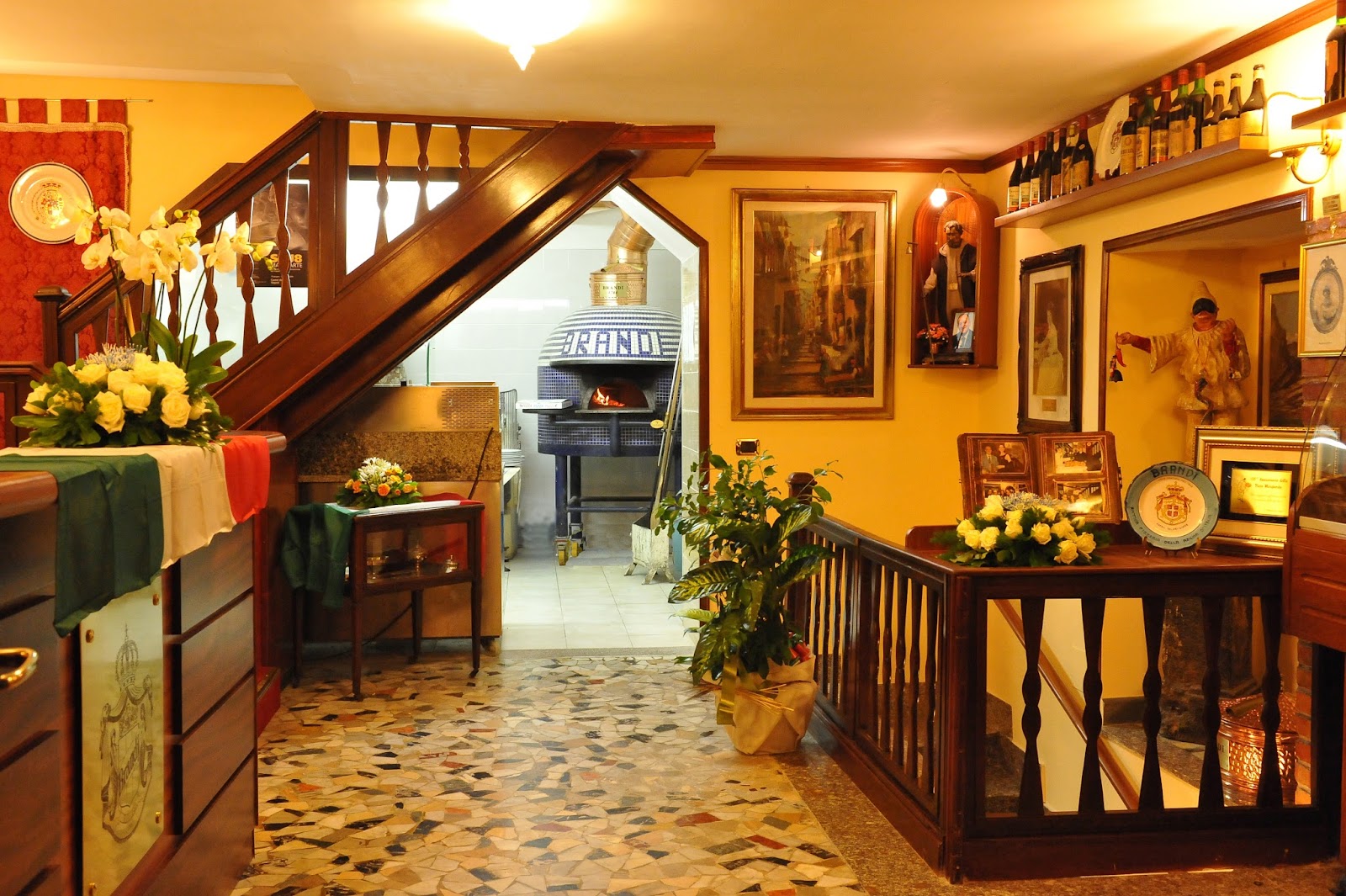
Pizzeria Brandi
€€€€ · 13,056 reviews
Pizza Lovers say: "The original Margherita pizza is exceptional, portions are huge, and prices are reasonable. Service can be slow."
What does the legend actually say?
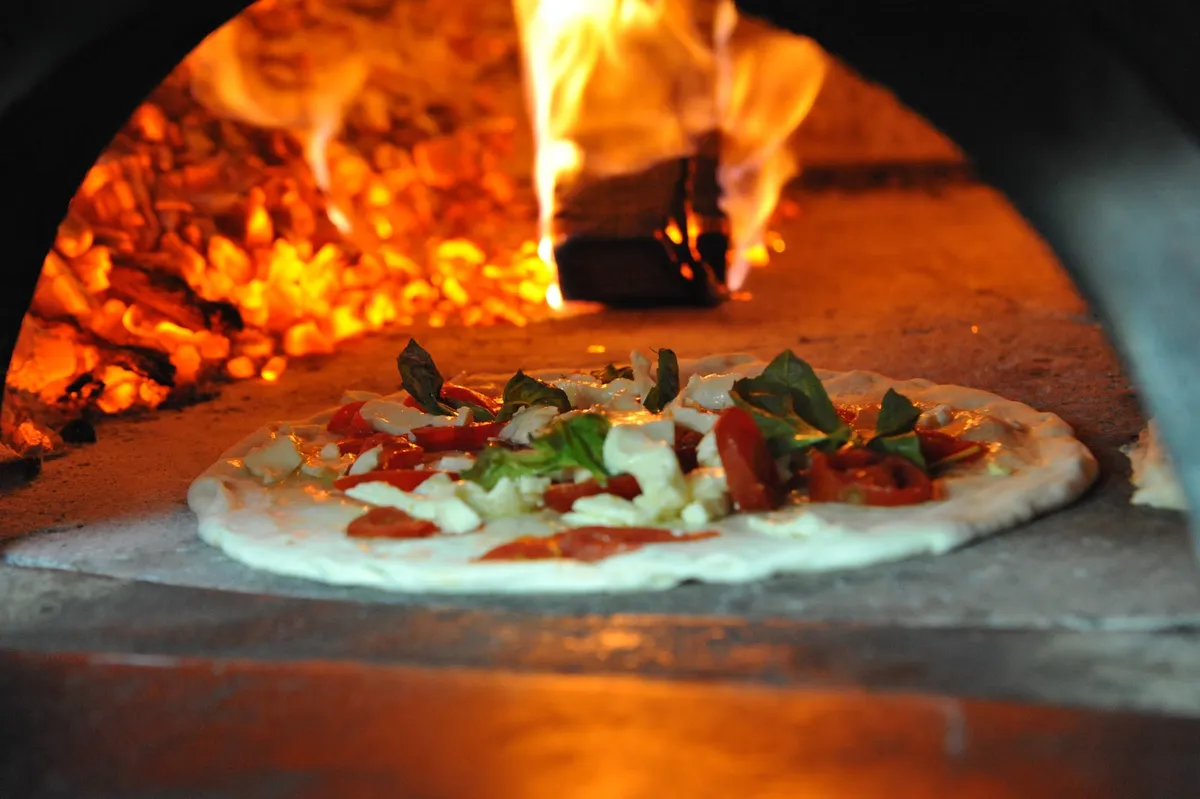
King Umberto I and Queen Margherita of Savoy were spending the summer of 1889 in Naples, in the Royal Palace of Capodimonte, the same residence that Ferdinand IV had outfitted with a wood-fired oven a century earlier. The court called for pizzas. Esposito and his wife, Maria Giovanna Brandi, made three: a mastunicola style with oil, cheese, and basil; one topped with cecenielli, the tiny whitebait that Naples eats fried in batter; and the now-canonical version with tomato sauce, fiordilatte, and basil. The third one, the story goes, made the queen think of the Italian flag. Esposito named that one for her.
The day after, a court chamberlain named Camillo Galli sent over a letter. Esposito framed it. His descendants still have it. It is the centerpiece of the legend.
What does the Galli letter actually say?
The Galli letter, in its single sentence of court Italian, confirms that the queen found Esposito's three pizzas, in its words, very good. That is all. It does not name a Margherita. It does not say which of the three she preferred. It does not connect the queen to the tomato, mozzarella, and basil pizza. The Italian flag detail, the renaming, the entire patriotic mood of the story, sit in oral tradition rather than in any document anyone has produced. A historian named Zachary Nowak went through the archives in 2014 and concluded that the Galli letter is genuine but the rest is folklore the Brandi family understandably tightened up over the following century.
That does not mean a tomato, mozzarella, and basil pizza did not exist in Naples before 1889. It already did. Mid-1800s travel writing and household accounts already describe Neapolitan pizzas topped along those exact lines, well before Esposito's oven was hot. The 1889 story is about the name. The pizza was already there. The queen, maybe, gave it a label.
| Year | Claim | Evidence | Status |
|---|---|---|---|
| 1889 | Queen Margherita named the pizza after herself | Galli letter confirms she received three pizzas, called them "very good"; no mention of Margherita or the queen designating the red, white, green one | Oral tradition, unconfirmed |
| Mid-1800s | Tomato, mozzarella, basil combination already existed in Naples | Travel writing and household accounts from the period describe pizzas dressed this way | Documented |
| 1889-present | Pizzeria Brandi held the original letter and plaque since 1989 | Frame hangs in the shop; plaque erected in 1989 on 100-year anniversary | Verified heritage |
| 2014 | Archival verification of the legend | Historian Zachary Nowak reviewed archives; Galli letter confirmed authentic, narrative elements folklore | Academic confirmation |
Where does the story live today?
The pizzeria that holds the plaque is small, on a narrow rise off Via Chiaia called Salita Sant'Anna di Palazzo. That is Pizzeria Brandi. The Brandi family kept the shop, the letter, and the version of the story that puts them at the center of it. Whether the legend is myth or memory, the address is a real place and the pizza is a real pizza.
The older end of Naples pizza history is a few blocks east. Antica Pizzeria Port'Alba opened on Via Port'Alba in 1738, more than 150 years before Queen Margherita ever set foot in Capodimonte. It is the shop that turns the legend back into the longer story. Pizza in Naples is a centuries-old food that the 19th century turned into a court dish.
Antica Pizzeria Port'Alba
€€€€ · 1,497 reviews
Pizza Lovers say: "Amazing pizza and value for money, but be prepared for long queues. One reviewer found a pizza awful and overpriced."
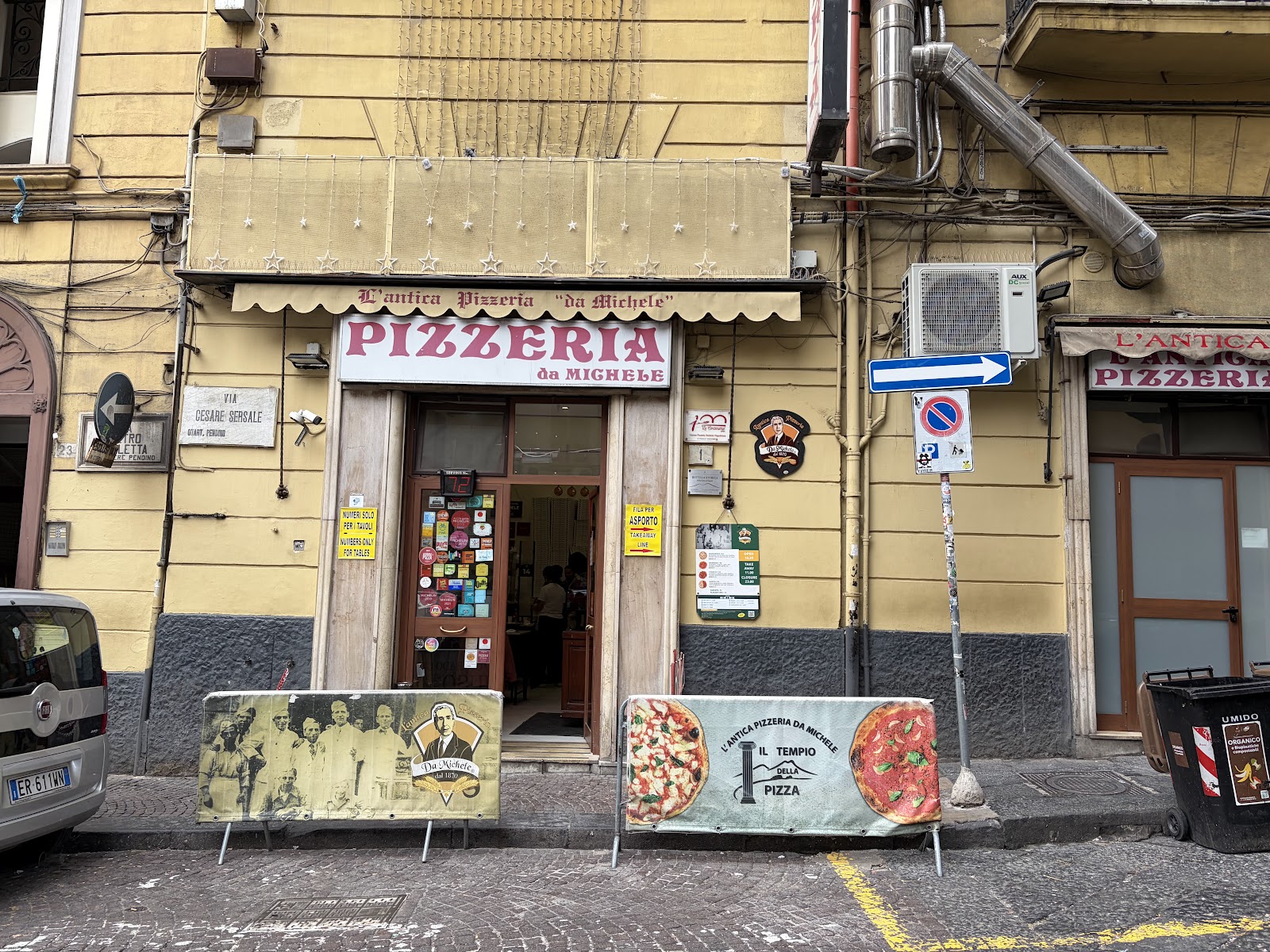
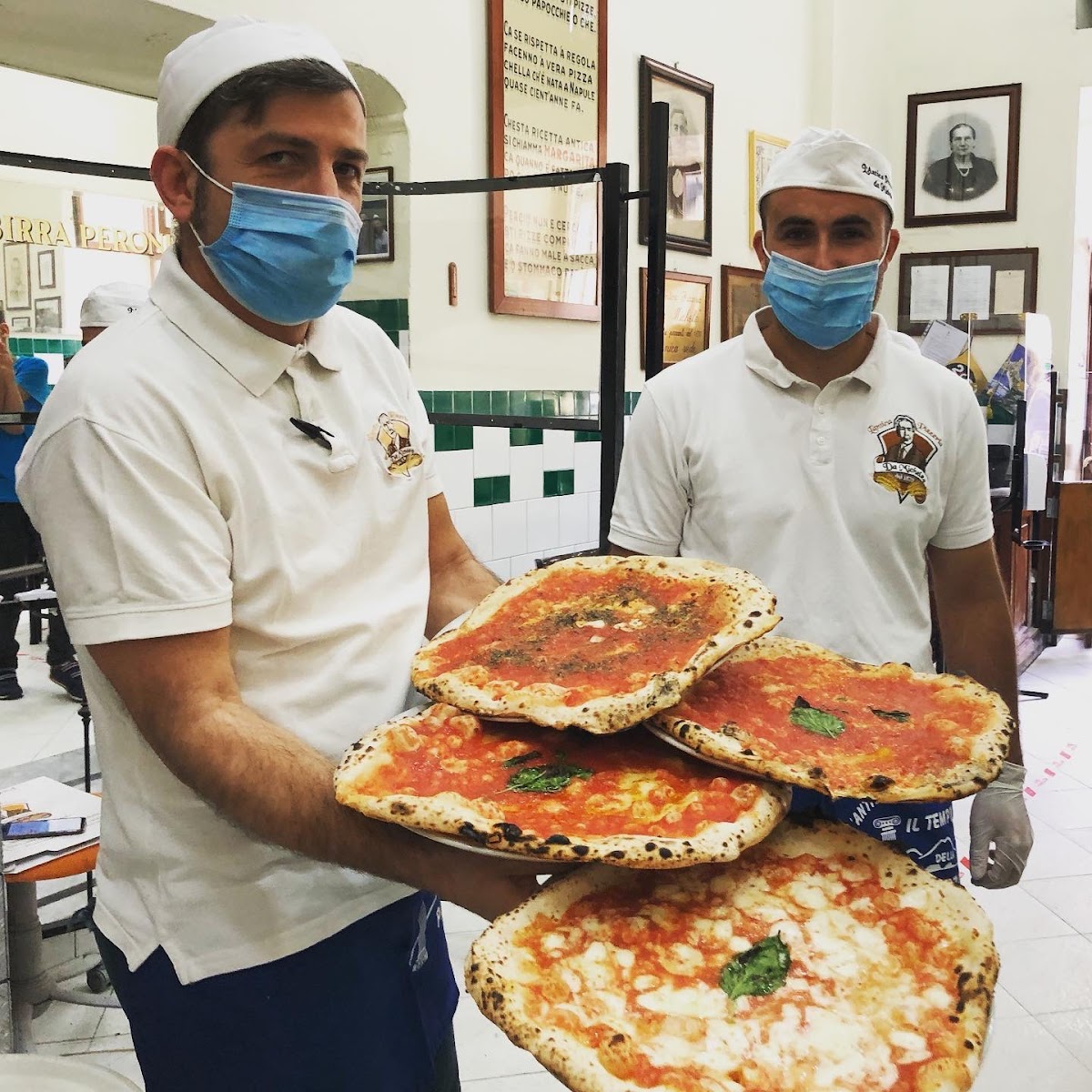
For the modern reference, L'Antica Pizzeria da Michele runs only two pizzas, Margherita and marinara, the way the city's older shops did before specialty menus took over. It has lines down the street and a name everyone in Naples knows. The dough is soft, the cornicione is thin, the bake is fast, around 60 to 90 seconds in a wood oven near 485 degrees Celsius. None of those choices are about a queen. They are about a city that worked the dish out across two hundred years and never stopped tightening it.