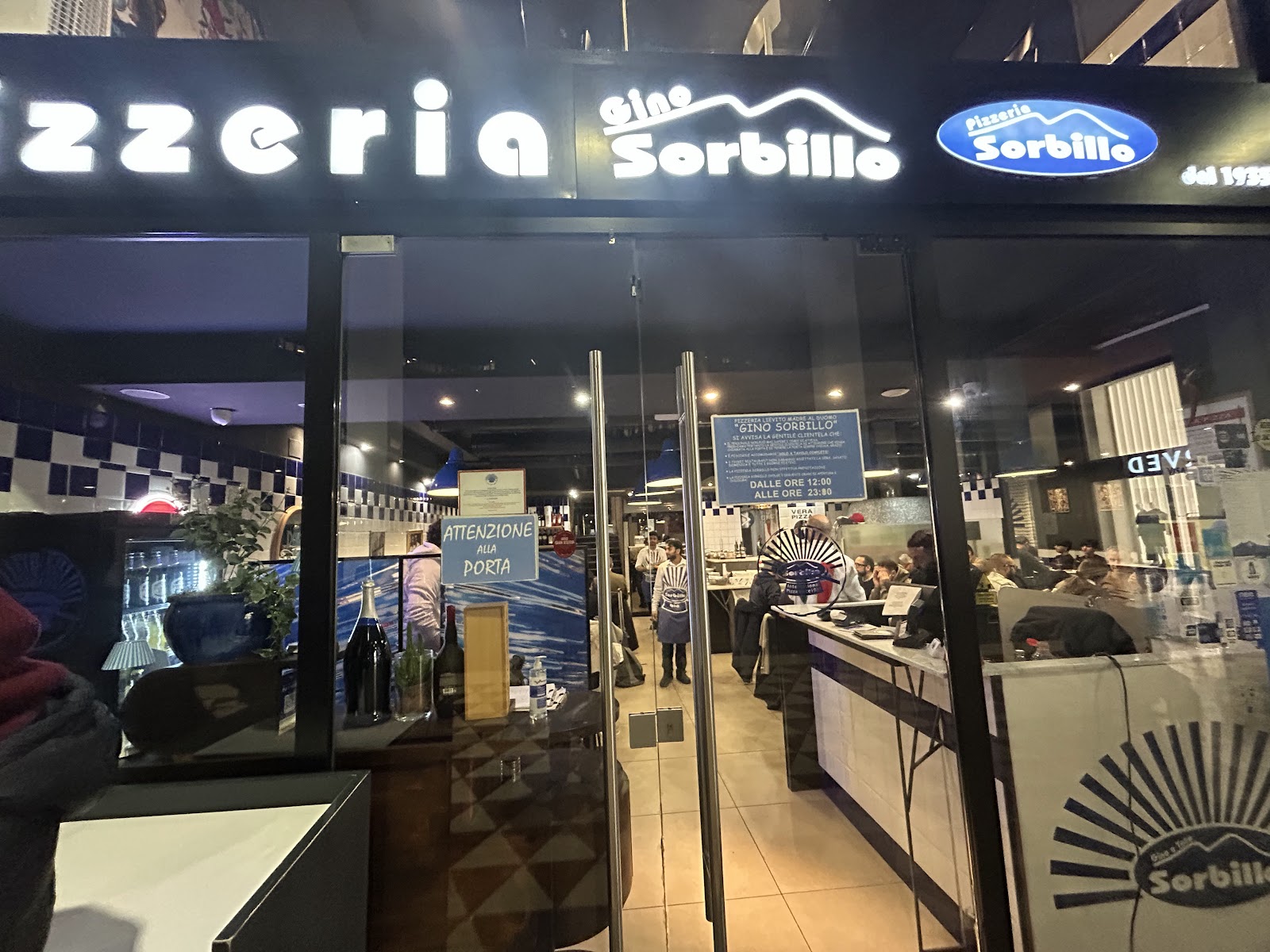
For four generations the Sorbillo name has meant one thing: a family pizzeria on Via dei Tribunali in Naples, open since 1935, and the folded street pie called pizza a portafoglio, the pizza of the people. In February 2026 that name went up over a counter near Milan's Duomo, with a self-order screen at the door and a 9.90 euro tray on the menu. The place is called POP, People of Pizza, and it runs on the same logic as a fast-food chain. For a lot of people who grew up trusting that name, that is exactly the problem.[1]
A totem at the door, 9.90 on the menu
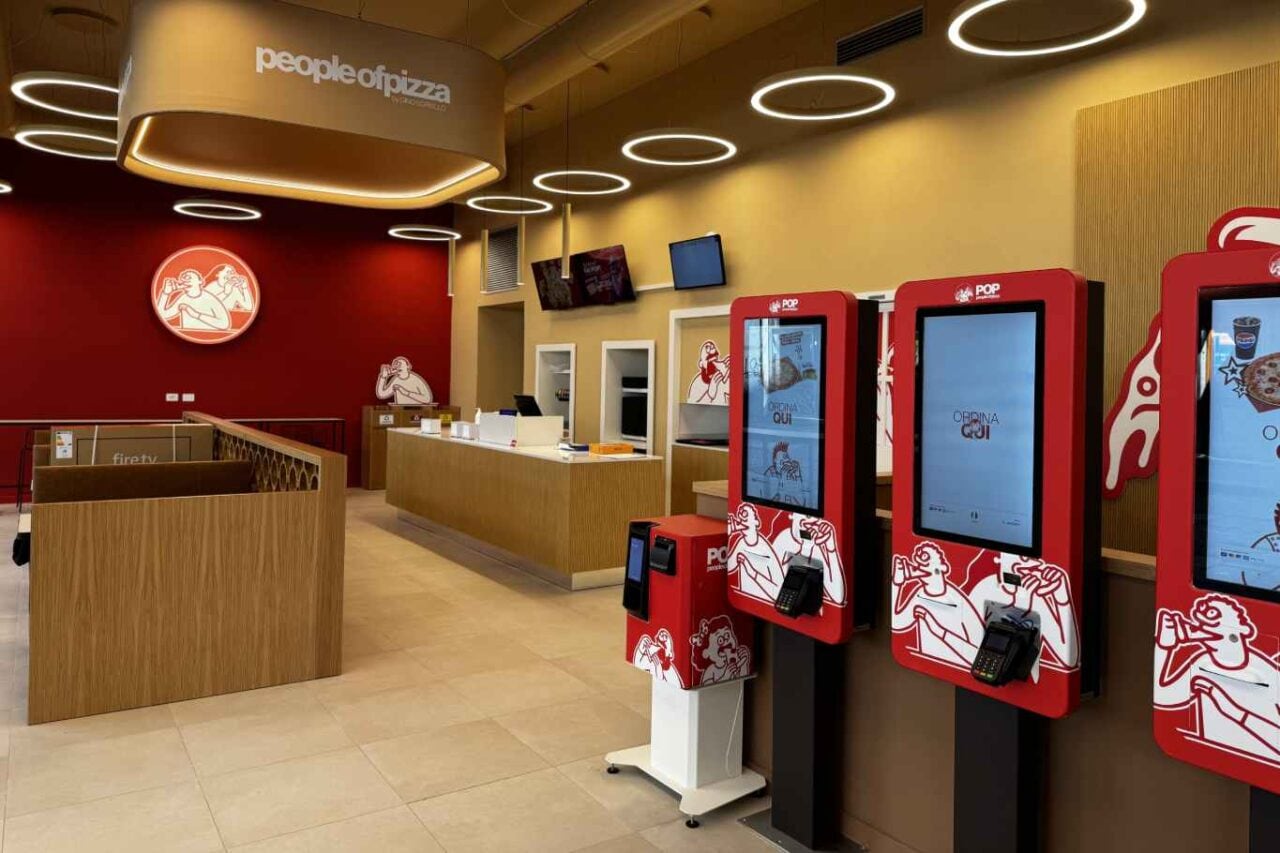
POP sits at Via Cappellari 3, about 150 meters from the Duomo. You order at a digital totem, the kind you tap at McDonald's, pay at the counter, and wait for your number on a screen. No waiters, no tablecloths, red everywhere.[1] The headline is the price: 9.90 euro for a pizza, three fried pieces, and a small drink, no cover charge. Single pizzas run a little less, and the American-style menus climb to about 13.90 euro, one of them topped with pineapple.[2] Sorbillo says the supply list did not change, still Mulino Caputo flour and the same tomato and fior di latte he puts on the pizzas in his sit-down rooms.[2] A second POP has already opened near Naples, in Marcianise, with more on the way.[1]
The price is brilliant. The experience, not so much
Start with the number, because that is where the food press started. At Sorbillo's proper Milan pizzeria a Margherita on its own runs about 9.90 euro. At POP the same 9.90 euro buys a Margherita, a fried starter, and a drink, both under the same signature. If one figure means a single pizza in one room and a full tray in another, what is the price actually telling you? That is the paradox Italian writers kept circling in the weeks after the opening.[3]
The worry underneath it is about the pizza itself. A Neapolitan pie is built on time: a slow dough, a wood oven near 485 degrees, 60 to 90 seconds of bake, eaten where it is made. A totem, a tray, and a line that has to keep moving are a different contract. When the Milan food desk at Corriere della Sera sat down with POP in June 2026, the verdict ran under one word: flop.[5] The specifics were worse than the headline. The margherita arrived after a 16-minute wait in a near-empty room, its base baked stiff as cardstock, the tomato thin and bitter, the mozzarella seizing into rubber. The American-style hawaiian came under a sheet of cheese so overcooked it was hard to identify, ten cubes of pineapple lost on top. Asked what actually separated the "Neapolitan" pizzas from the "American" ones, the staff could only guess: maybe the cheese.[5]
Has the marketing genious gone too far?
Sorbillo has always known how to turn a pizza into news. In 2011 he charged deputies and senators 100 euro for a margherita that normally ran about 3 euro in his Naples restaurants.
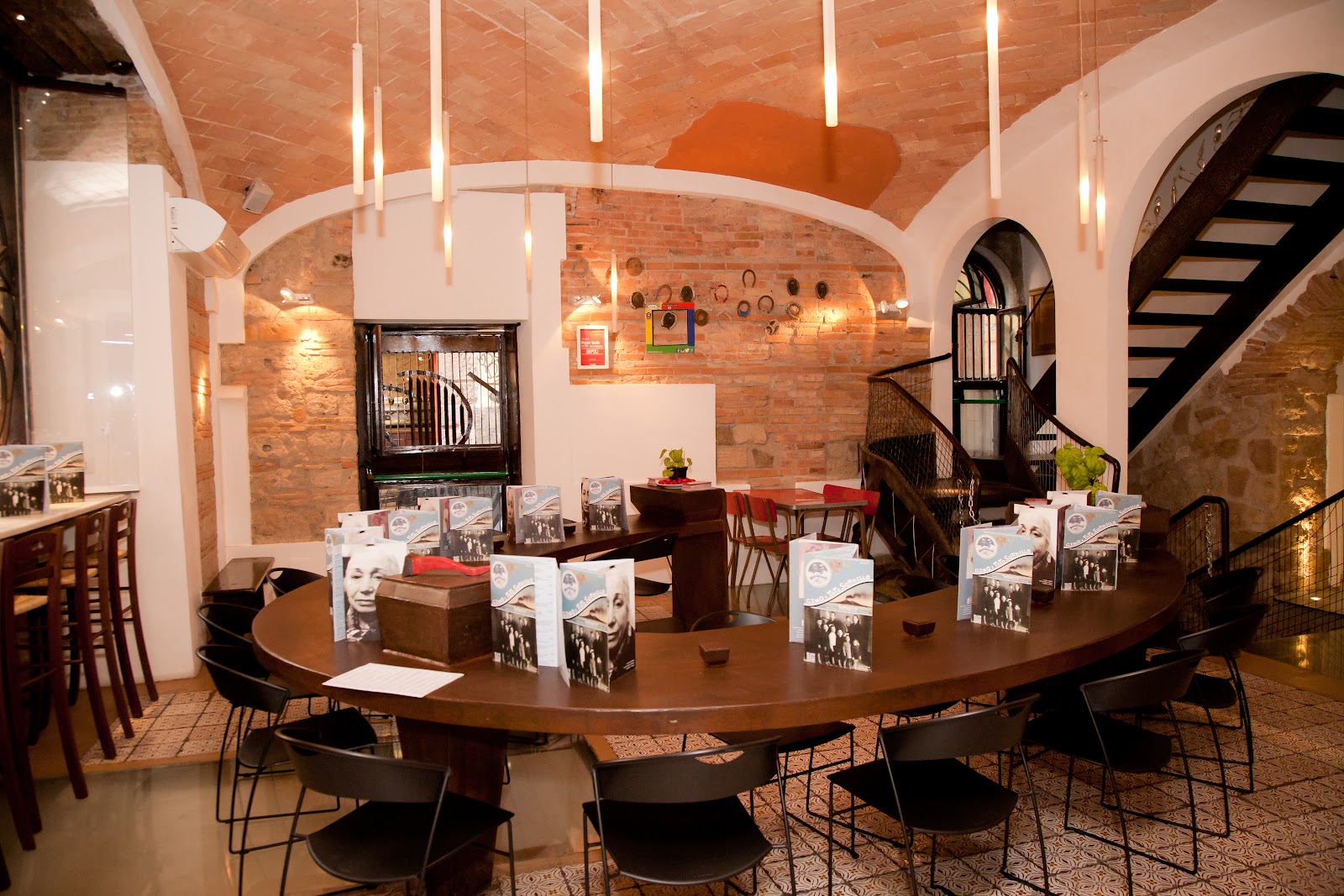
Gino e Toto Sorbillo
€€€€ · 51,881 reviews
Find Gino e Toto Sorbillo on Via dei Tribunali in Naples. Check listed opening hours, see the address and browse pizza photos before your visit.
Eithe a marketing gig or a protest against political privilege, with the difference going to charity.[6] POP is engineered the same way. The 9.90 price, the lottery-number play on the digits, the "pizza democratica" line, the totems, the wall of red: it is a marketing machine, and he has always been very good at it. The question is what the machine is selling. Even the people who liked the idea flagged the obvious risk: a name built on craft, stretched over a format whose whole promise is speed and volume, where a stiff, bitter pie does not just let down one customer, it chips at the thing the name was worth in the first place.[4] Corriere summed up the room in a phrase: it has everything of a fast food except the cheer.[5]
That is the deception people describe. Not a lie, nobody is fibbing about the flour. It is the gap between what the name promises and what lands on the tray. Sorbillo's defense is fair on its face: Milan is the most expensive city in Italy, running costs roughly 60 percent higher than Naples, and POP is how he keeps pizza cheap for the people the sit-down city has priced out. "I simplify the service," he has said, "and keep the quality of the product high."[2] Maybe. Or maybe the man who turned 9.90 euro into a slogan pushed the slogan a step past the pizza.
Where the Sorbillo name still cooks
Here is the part worth holding onto: the craft is real, and it is still in Milan. Here at OpenPizzaMap we would rather recommend Lievito Madre al Duomo, Sorbillo's sit-down room a few minutes from POP, where the dough is worked on the line and the pizza comes to a table straight out of the oven. That room earns the name. A self-order counter with a tray does not make our map, and saying so is not a knock on the man, it is the whole job of a map: when a legend opens a fast-food window, the honest thing a guide can do is point you to where the legend actually cooks.