Pizza gear
Stones and steels
A hot, heavy surface stores heat and crisps the base. Cordierite for most ovens, steel for the fastest bottom.
A hot, heavy surface is what crisps the base. Your oven's metal rack heats the pizza slowly and unevenly; a preheated stone or steel dumps stored heat into the dough the moment it lands, so the base sets and browns before the top overcooks. Preheat it hard, 45 to 60 minutes at maximum, or the effect is wasted.
Cordierite stone is the all-rounder: cheap, shrugs off thermal shock, and works in an oven or on a grill. Steel conducts heat far faster than stone, so it browns the base quicker and recovers heat between pizzas, at the cost of weight and price. Glazed ceramic sits in between and wipes clean. For most home ovens, a steel is the biggest single upgrade.
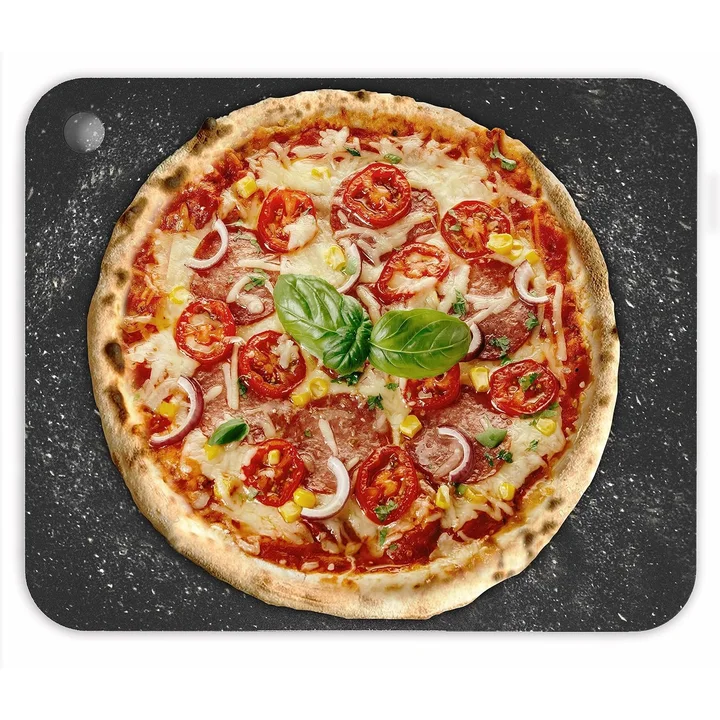
Chef Pomodoro
Carbon Steel, 41x34 cm
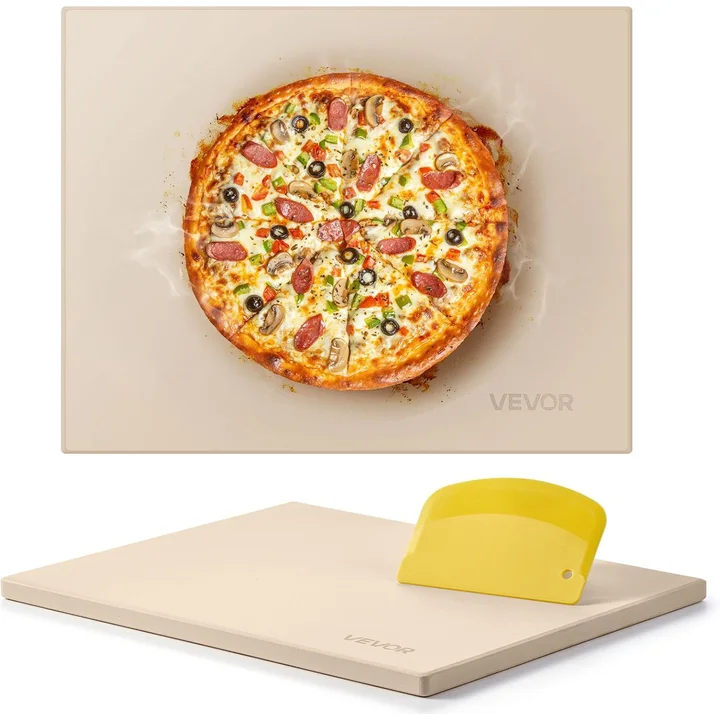
VEVOR
Cordierite Stone, 38x30 cm
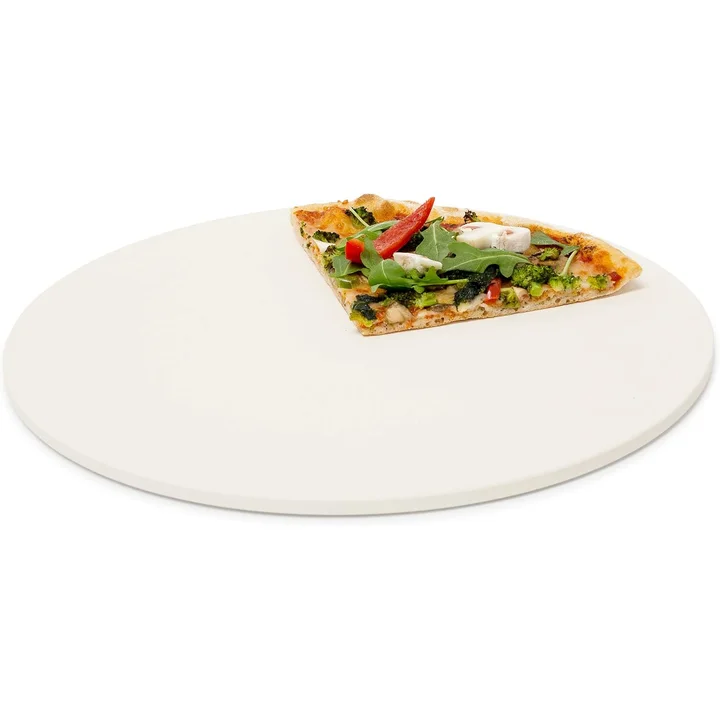
Relaxdays
Round Cordierite Stone
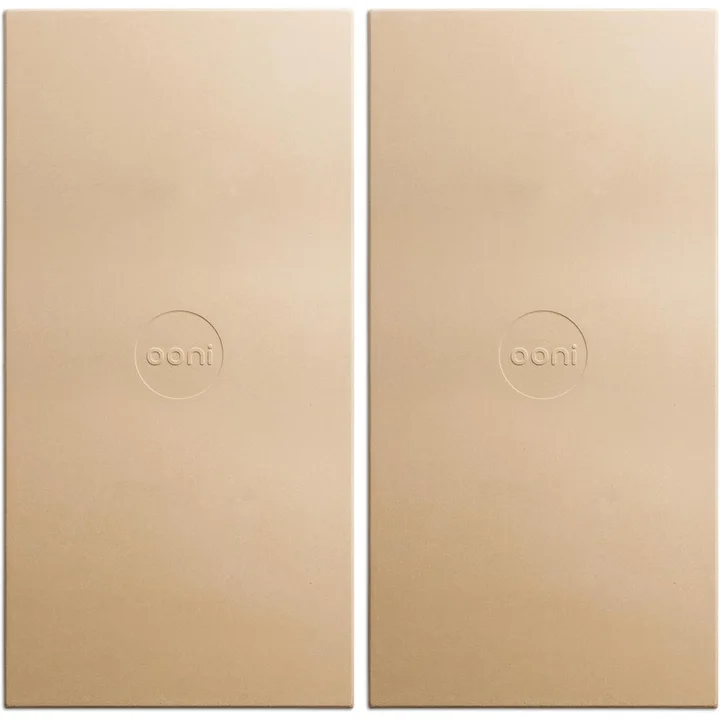
Ooni
Baking Stone Pro 16
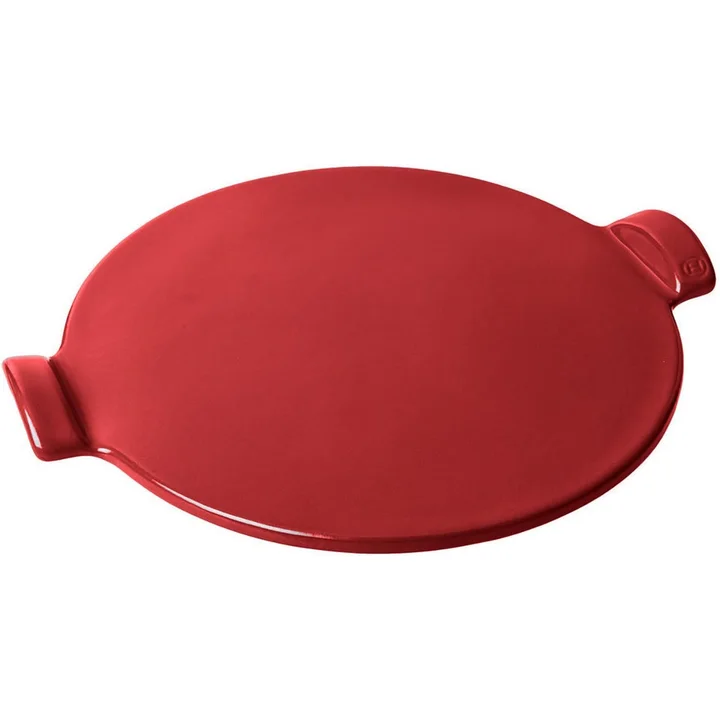
Emile Henry
Ceramic Stone 37cm
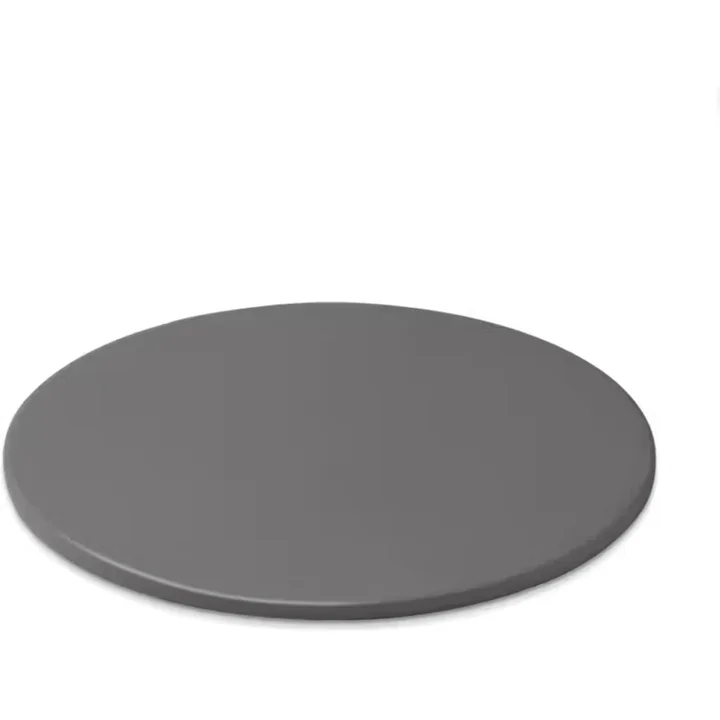
Weber
Pizza Stone 36cm
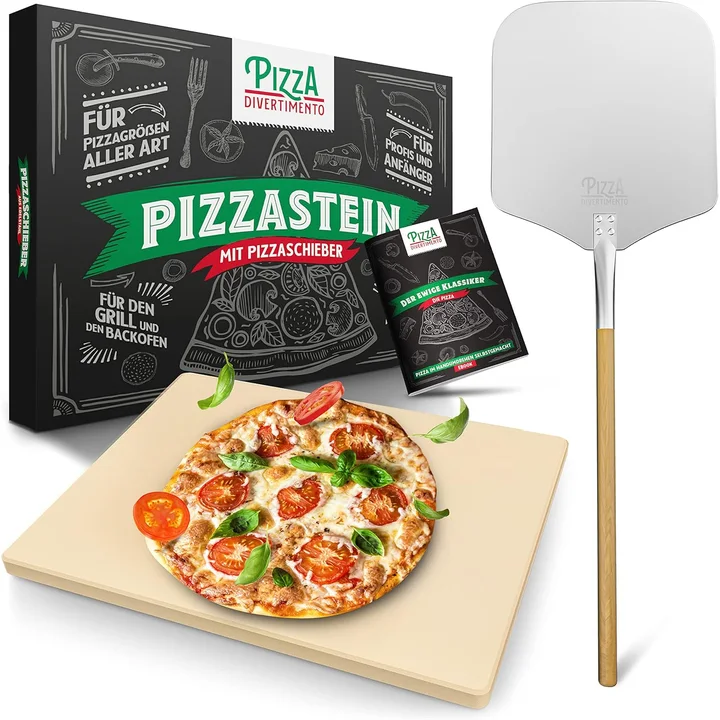
Pizza Divertimento
Cordierite Stone 38x30
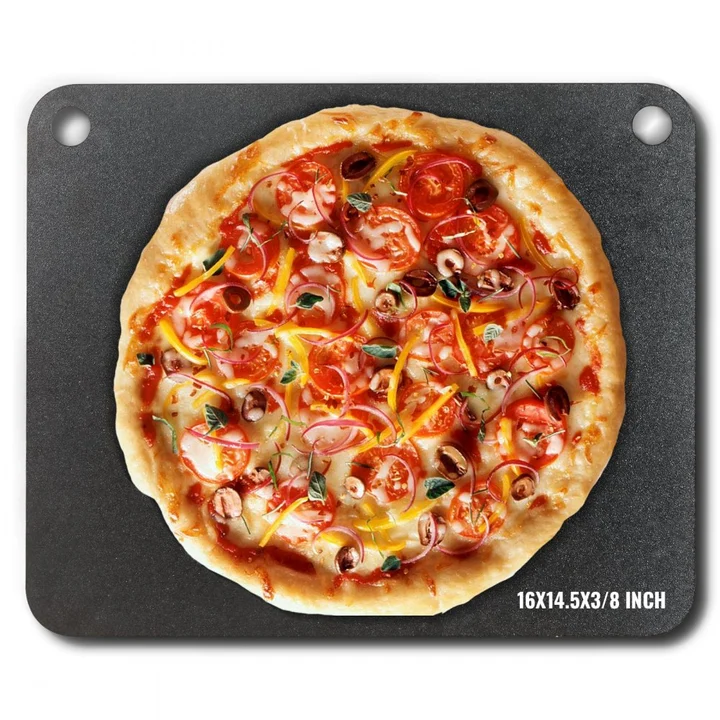
VEVOR
Carbon Steel, 41x37 cm
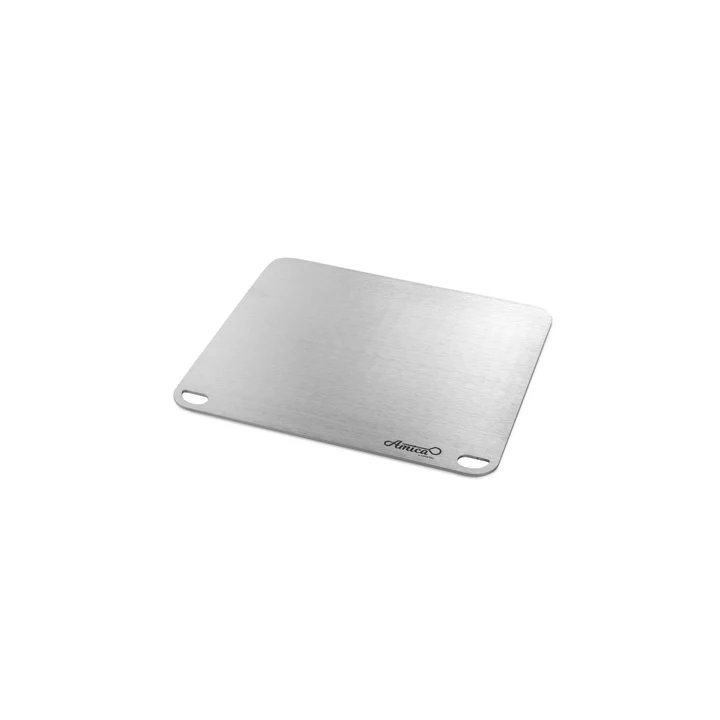
Gi.Metal
Stainless Steel Plate, 40x35 cm
Stones and steels questions
Pizza stone or pizza steel, which is better?
A steel browns the base faster and recovers heat quicker between pizzas, because metal conducts heat several times faster than stone. A stone is cheaper, lighter to handle, and gentler if you tend to overcook the base. For a home oven chasing New York or pan pizza, a steel is the stronger upgrade; a stone is the budget pick.
How do you preheat a pizza stone?
Put the cold stone on a middle or upper rack, set the oven to its maximum, and give it a full 45 to 60 minutes after the oven beeps. The air reaches temperature long before the stone's core does, and a stone that is not fully saturated with heat leaves the base pale and soft. Patience here matters more than any other step.
What is cordierite and why is it used for pizza stones?
Cordierite is a ceramic that resists thermal shock, meaning it can go from cool to very hot without cracking the way cheap terracotta stones do. That durability, plus a low price, is why it is the most common material for pizza stones. It holds heat well and works in both an oven and a covered grill.
Can I use a pizza stone on a grill?
Yes, and it is a good way to reach higher base heat than an indoor oven allows. Put the stone on the grate, run the grill hot with the lid down for 30 to 45 minutes, and the closed lid gives you top heat as well as a hot base. Cordierite and glazed stones handle grill heat well.
What are pizza stones made of?
Most pizza stones are cordierite, a ceramic that survives the thermal shock of a cold stone meeting a hot oven without cracking. Others are clay or terracotta (cheaper but more fragile), glazed ceramic that wipes clean, or steel, which is metal rather than stone and conducts heat several times faster. Cordierite is the common all-rounder for its price and durability.
Free pizza tools
Gear gets you the heat and the flour. These free tools help you use them: dial in a recipe, then find great pizza near you.